Untreated · Sortex-cleaned · ISTA-tested per lot · third-party microbial testing · 25 kg lot-tagged bags · FOB Karachi
Kohenoor International has supplied seed to importers in more than seventy countries since 1957. Our sprouting range is the same discipline applied to food: natural untreated seed, optical cleaning, a laboratory certificate with every lot, and an export desk that answers a real buyer within 24 hours. Commercial sprout producers, microgreen farms, health-food distributors and private-label brands buy here because one origin can fill a mixed container with every species they sell.
WhatsApp +92 310 4929292 Get a quote in 24h
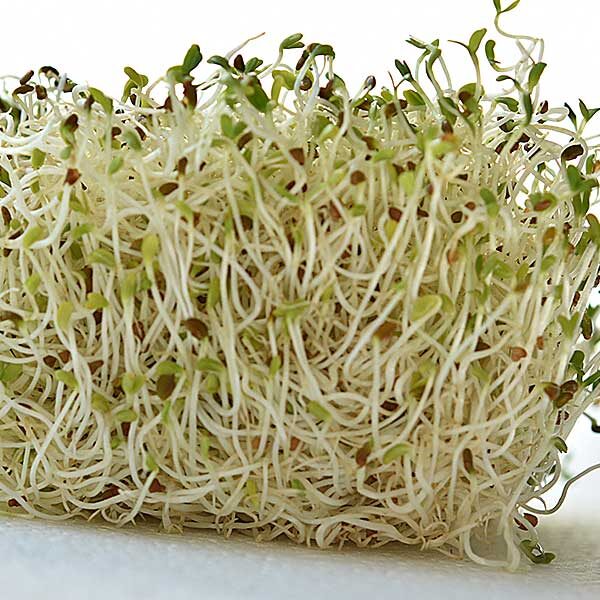
A sprout or microgreen business sells freshness, but it runs on seed. Every tray, drum and clamshell starts with a kilogram of seed that must germinate evenly, carry no weed seed or stones, and arrive with the paperwork a food-safety auditor will ask for. When that seed comes from six different traders in six countries, every delivery is a new risk and a new set of documents. When it comes from one origin with one quality system, the business becomes predictable.
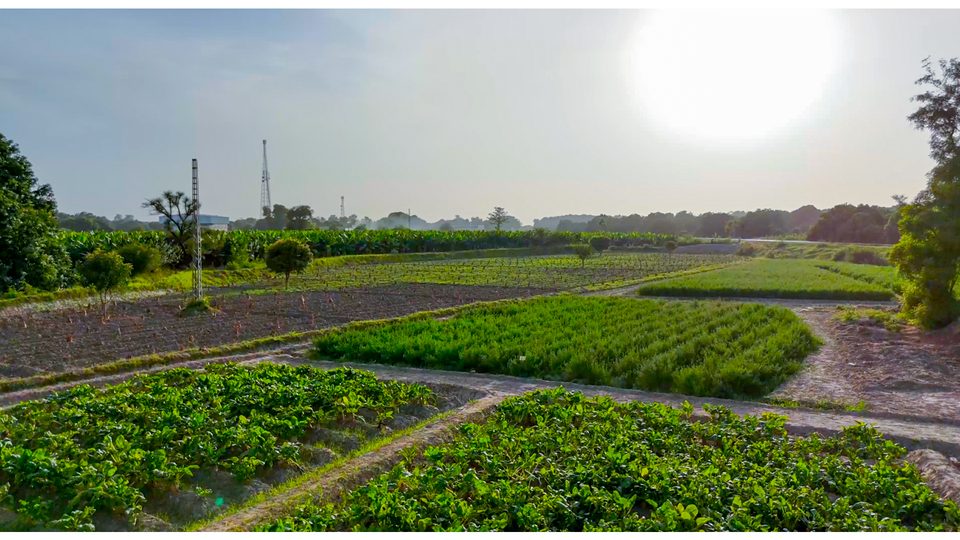
That is the role Kohenoor International has grown into. We are a third-generation seed house in Hyderabad, Sindh — a region that has produced alfalfa, fenugreek, mustard, sesame and vegetable seed for generations — with our own cleaning plant, our own seed-testing laboratory and research plots, and offices in Pakistan, Dubai and Australia. We have been shipping seed to importers since 1957 and today serve buyers in more than seventy countries.
For sprouting customers that history translates into something very practical: one supplier who can put alfalfa, clover, radish, fenugreek, mung bean, mustard, cress and sesame into the same container, with the same bag format, the same lot-tag system and the same Certificate of Analysis layout for every species. One purchase order, one set of documents, one person to call.

The table below is the working range most of our sprouting customers draw from. Each species has its own page with the commercial sprouting method, buyer specification, documents and ordering details.
| Seed | Botanical name | Typical use | Typical days to harvest |
|---|---|---|---|
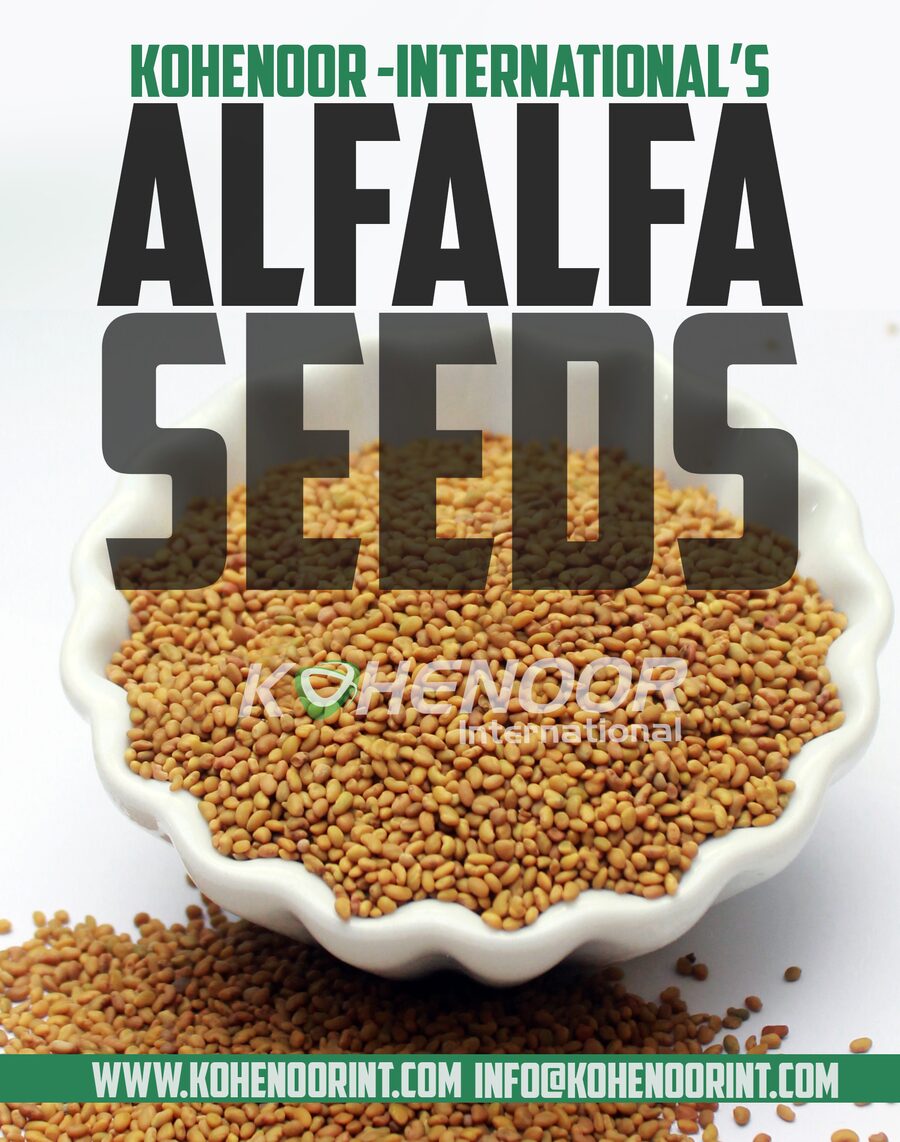
| Alfalfa | Medicago sativa | Sprouts, salad mixes, sandwich lines | 4–6 |
| Clover (red & crimson) | Trifolium pratense / T. incarnatum | Sprouts, blends with alfalfa | 4–6 |
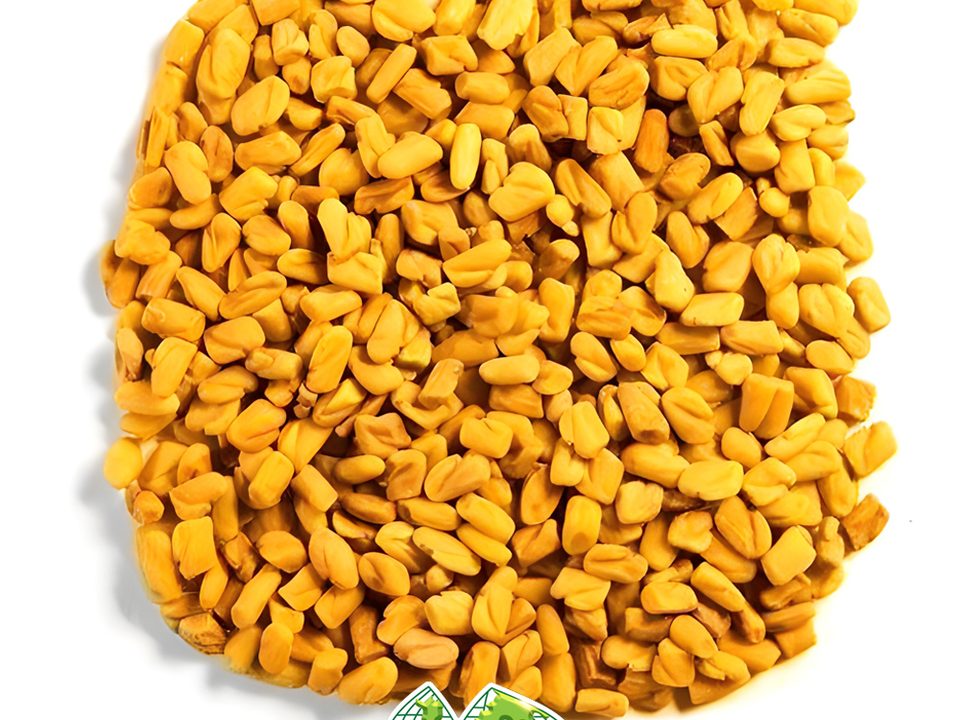
| Fenugreek (methi) | Trigonella foenum-graecum | Sprouts, microgreens | 3–5 |
| Radish (daikon & rose) | Raphanus sativus | Microgreens, spicy sprout mixes | 5–7 |
| Mung bean | Vigna radiata | Bean sprouts (drum sprouting) | 3–5 |
| Chickpea | Cicer arietinum | Sprouts, hummus & snack makers | 2–4 |
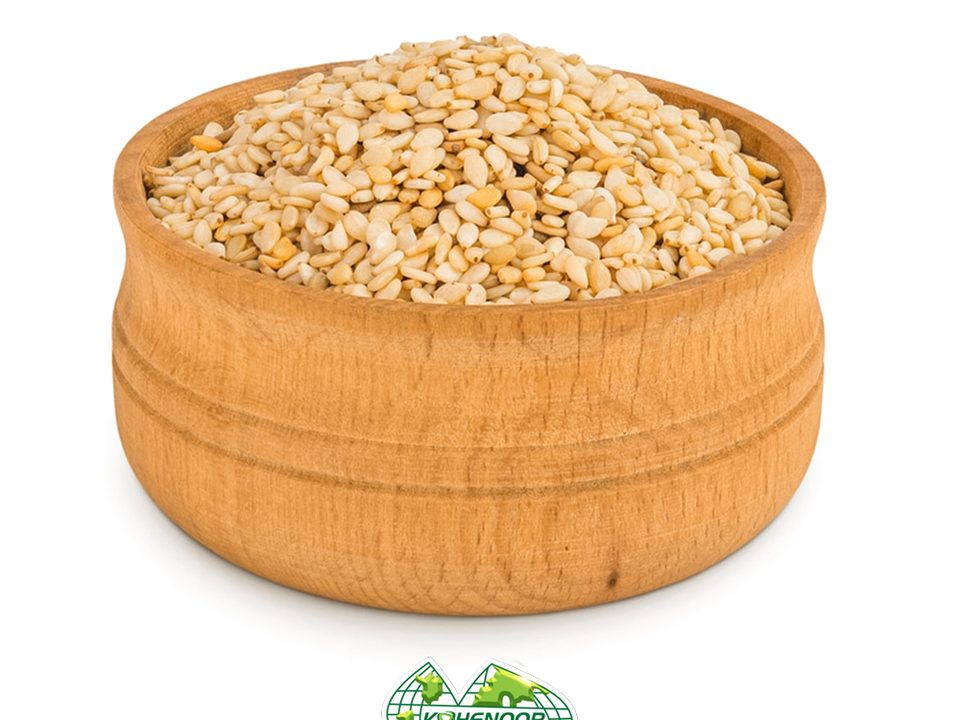
| Sesame (white & black) | Sesamum indicum | Sprouts, microgreens | 2–4 |
| Mustard | Brassica juncea / Sinapis alba | Microgreens, spicy mixes | 5–8 |
| Cress | Lepidium sativum | Microgreens, garnish | 5–8 |
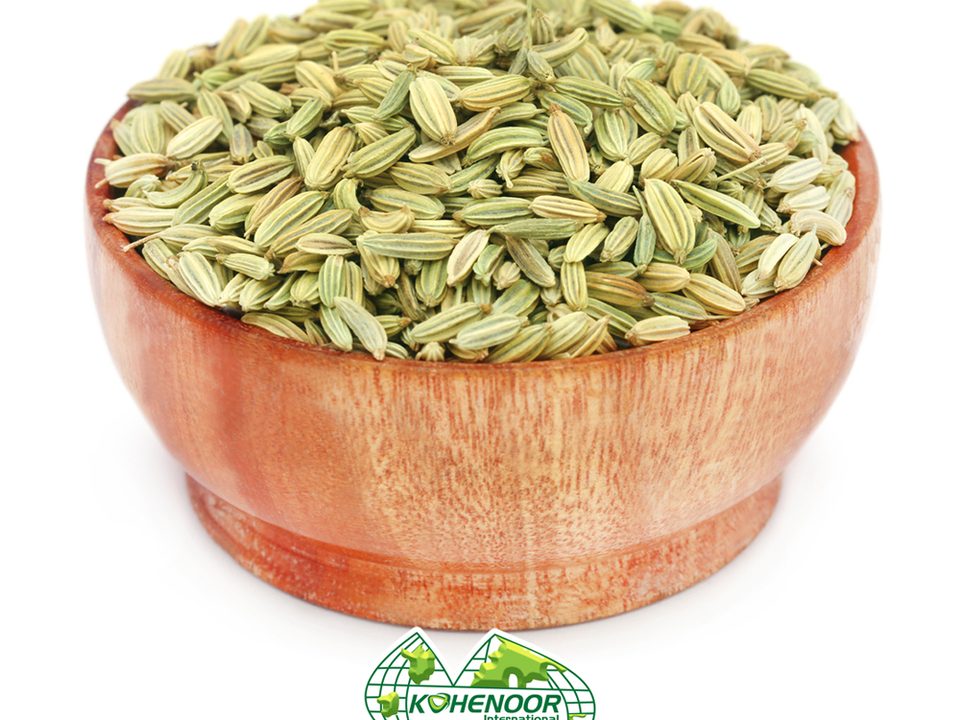
| Fennel | Foeniculum vulgare | Premium microgreens | 10–14 |
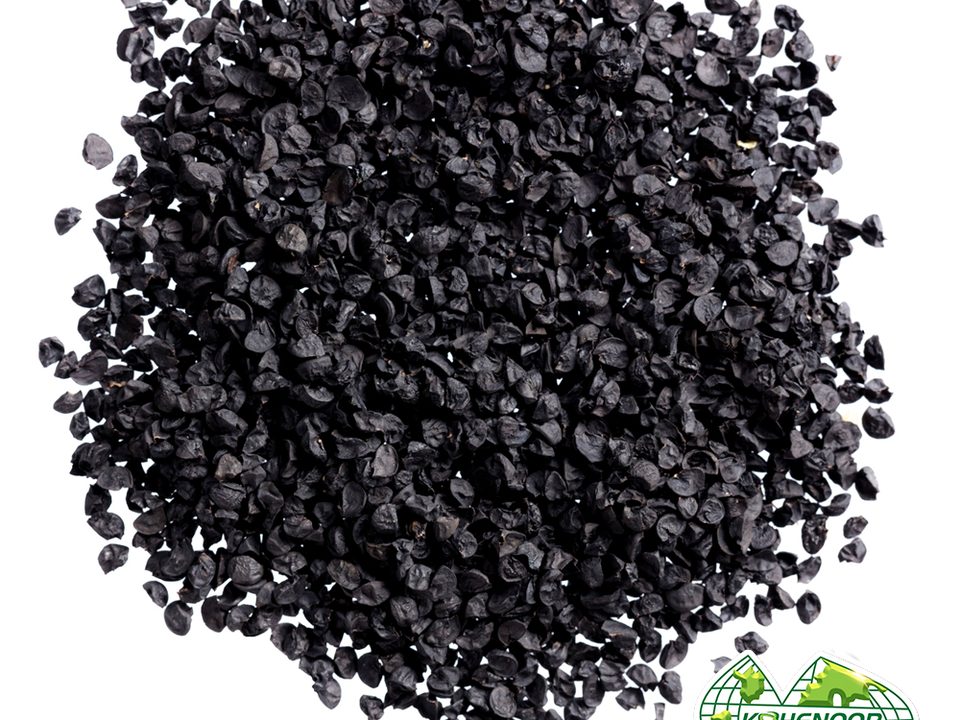
| Onion | Allium cepa | Premium microgreens | 10–14 |
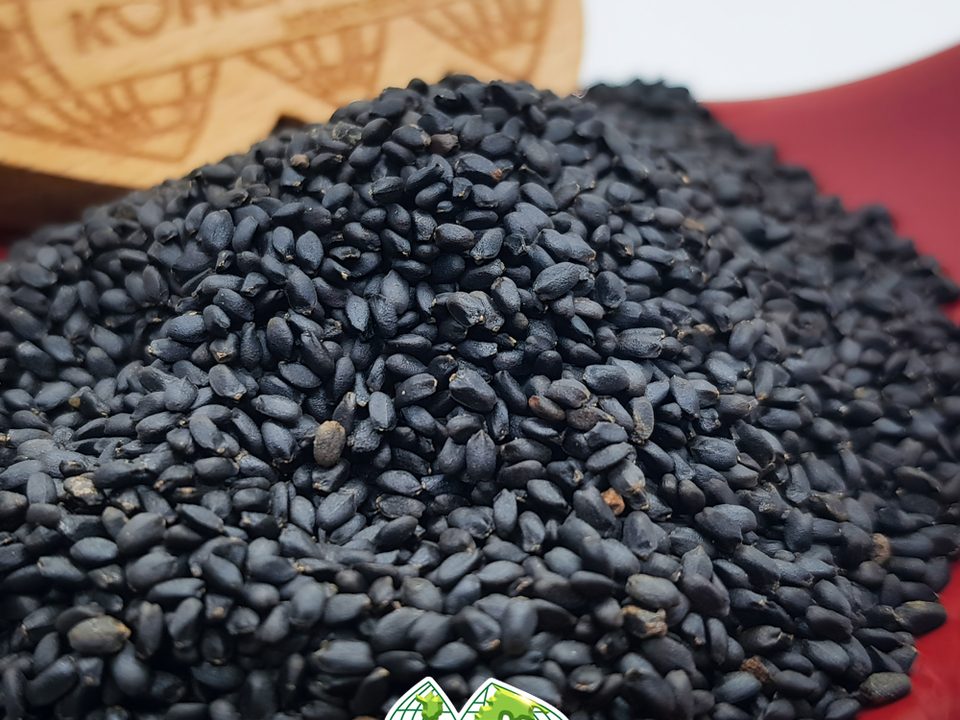
| Basil | Ocimum basilicum | Culinary microgreens | 10–14 |
Days-to-harvest figures are typical commercial ranges and vary with temperature, water and the grower's system — run your own trial on the first lot. If you sprout a species not listed here, ask: the export desk sources and tests additional vegetable and legume seed on request, subject to the same untreated, cleaned and certified standard.
Seed intended for sprouting is eaten raw, in its entirety, within days of germination. It therefore has to meet a stricter standard than seed sold for sowing. Four things define our sprouting lots.

Read the full process on the food safety & testing page.
Sprouting is not one market but four, each with different volumes, packaging and paperwork. We have a page for each because the questions are different.
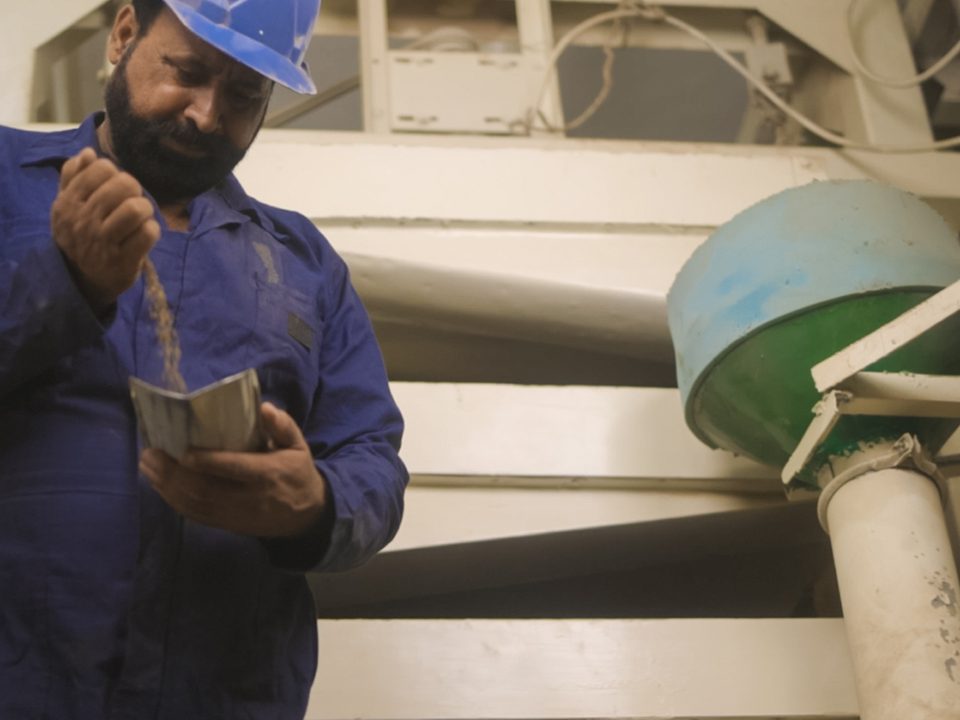
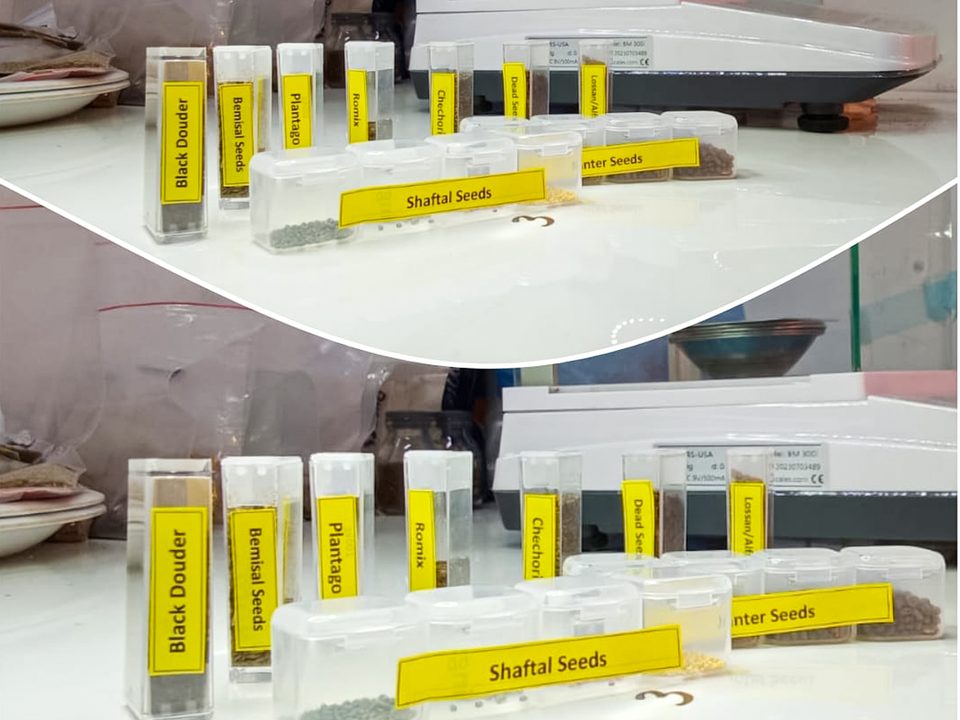
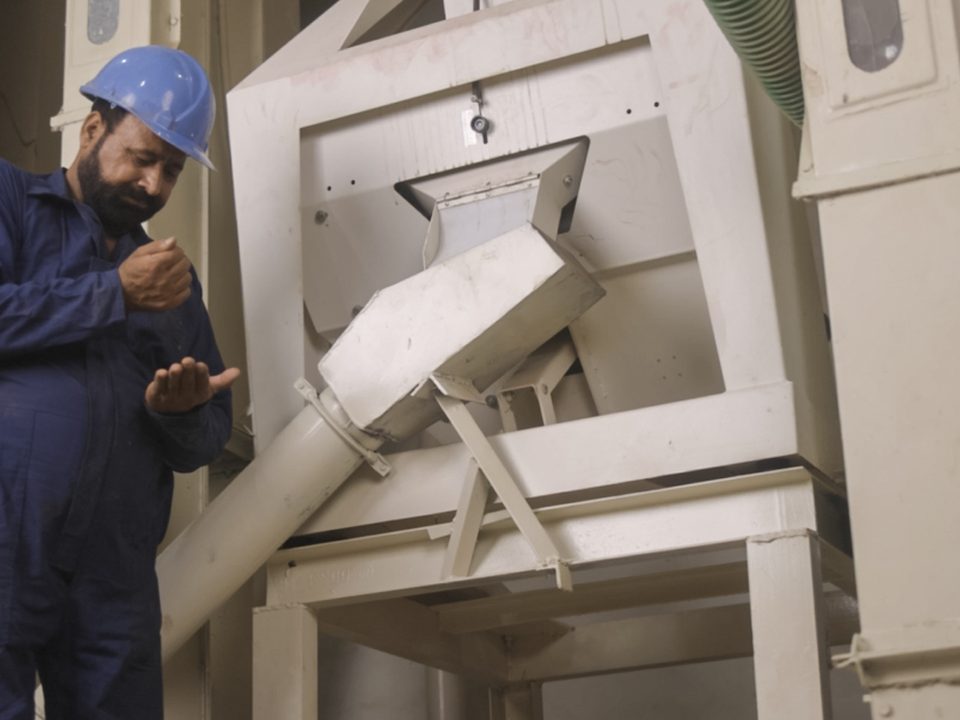
Seed for our sprouting lots is grown on contracted farms in Sindh and Punjab under the supervision of our field team, harvested at full maturity and brought to our plant in Hyderabad. There it passes through pre-cleaning, gravity separation, Sortex colour sorting and sizing. Samples go to the laboratory for purity, germination and moisture; the lot is then bagged in 25 kg poly-lined PP woven bags, each with a sealed tag carrying the lot ID that appears on the certificates.
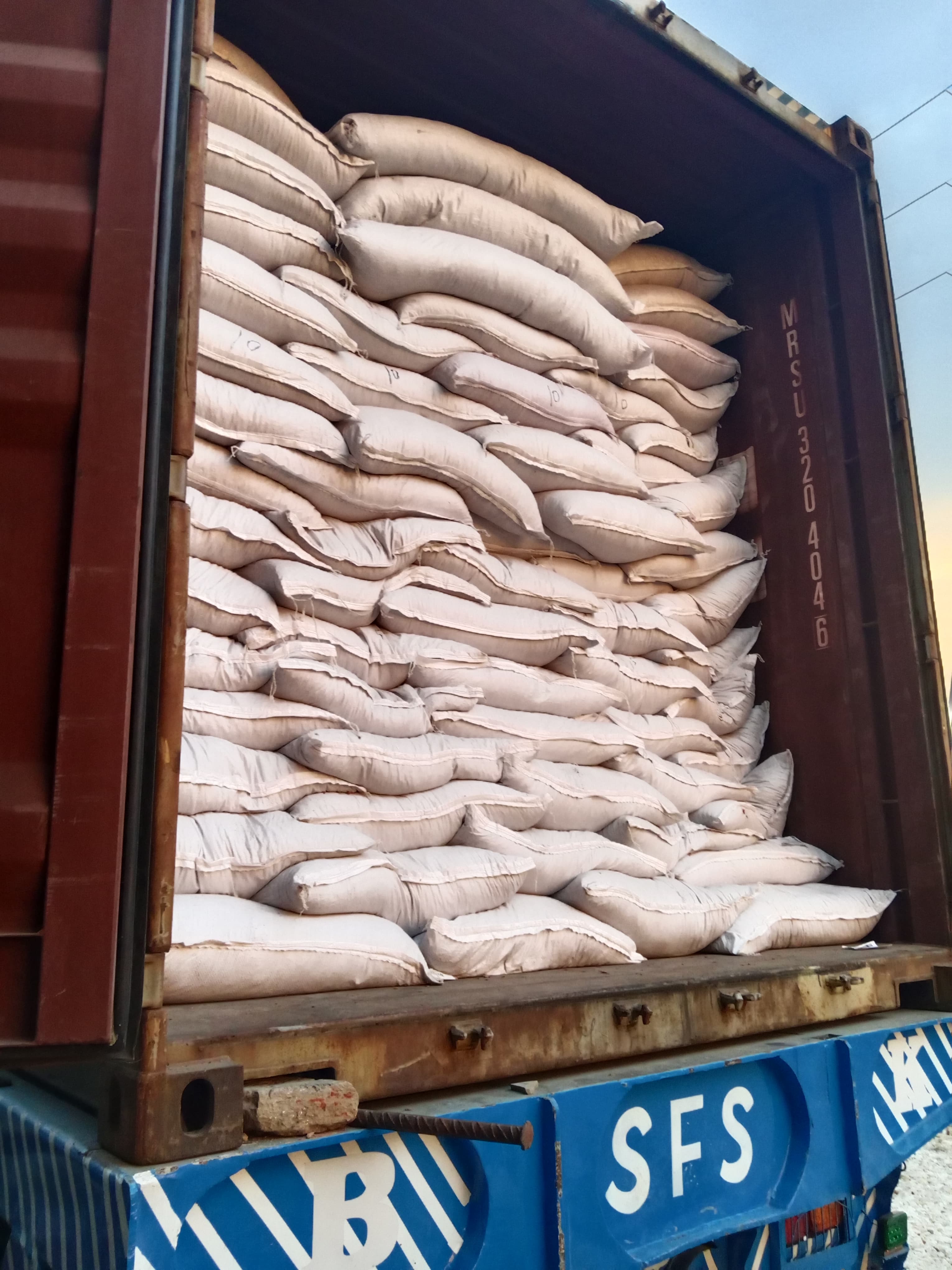
Microbiological samples are drawn from the finished lot and sent to an independent laboratory when the buyer's specification calls for it. Phytosanitary inspection and the certificate of origin are completed before container loading at Karachi. Every step is recorded against the lot ID, which is how an auditor at your end can trace a retail pack back to a field.

We are a seed supplier, not a regulator: approvals and registrations belong to the importer and the sprout producer in the destination country. What we provide is a complete, consistent file for every lot so that the approval process on your side runs without surprises.
| Item | Standard |
|---|---|
| Minimum order | 500 kg per species; alfalfa sprouting lots 1 MT. Mixed containers welcome. |
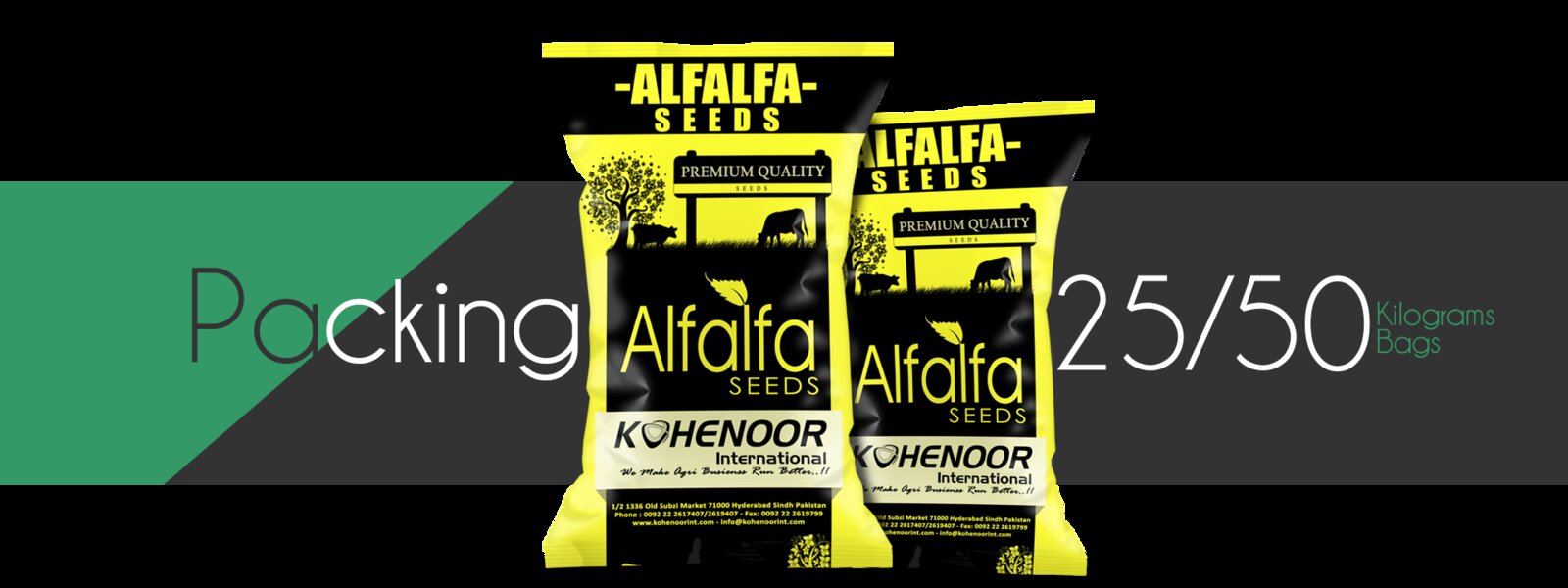
| Packaging | 25 kg poly-lined PP woven bags, sealed lot tags; private-label and retail-ready formats on request. |
| Lead time | Stock lots: 7–12 days to FOB Karachi vessel loading. Organic lots: 60–90 days, minimum 5 MT. |
| Terms | FOB Karachi; CFR / CIF to your port on request. |
| Payment | 100% TT against copy of bill of lading, or irrevocable letter of credit at sight; easier terms for repeat buyers. |
| Destinations | USA, EU & UK, Japan, Korea, Taiwan, Singapore, Hong Kong, GCC, Australia and more. |
Quotations are given on the day you enquire, against current lots in the warehouse. We do not publish a price list because seed is a crop: the right number depends on the species, the lot, the volume and the season.
Importers switch suppliers when a lot disappoints. They stay when ten lots in a row behave the same way, when the documents are right the first time and when the person who answers the phone knows what a germination test is. We have built the company around those three things: our own plant and laboratory, a document set that has cleared ports on five continents, and an export desk staffed by seed people rather than a call centre.

Our sister company, Noorani Seeds, is a research forage-seed company; the same agronomists evaluate the vegetable and legume seed that goes into the sprouting range. That is why we are comfortable putting the Kohenoor name on every bag.


Send your product, quantity and destination port. The export desk replies personally with a quotation, current lot certificates and a shipping schedule — no bots, no obligation.
WhatsApp +92 310 4929292 export@kohenoorint.comWe are a seed house with our own cleaning plant, laboratory and research plots in Hyderabad, Sindh, supplying seed grown on contracted farms under our supervision. We have exported seed since 1957.
Yes. Sprouting-use lots carry no fungicide, insecticide, colourant or coating, and the bag tag states the end use. Always confirm the lot you receive is the sprouting-use lot before a production run.
Independent third-party microbiological testing (Salmonella, E. coli/STEC) is arranged per lot on request and the report ships with the lot. Many buyers also run their own incoming-QC test; we encourage it.
500 kg per species (alfalfa sprouting lots 1 MT). Stock lots ship within 7–12 days to FOB Karachi vessel loading. Mixed-species containers are welcome.
Yes — USDA NOP, EU Organic or JAS-certified lots, subject to a 5 MT minimum and 60–90 days lead time.
USA, EU and UK, Japan, Korea, Taiwan, Singapore, Hong Kong, the Gulf states, Australia and others — more than seventy countries in total.
Yes. Private-label 25 kg bags and retail-ready pouches, clamshells and sleeves are available; see the private-label page.
Message the export desk on WhatsApp +92 310 4929292 or email export@kohenoorint.com with species, volume and destination. You will have a quotation and the current lot's certificates within 24 hours.