Radish, mustard, cress, fenugreek, fennel, basil, onion, alfalfa, clover · untreated · Sortex-cleaned · recurring supply from 500 kg
A microgreen farm is a factory for consistency. Chefs and retail buyers pay for trays that look identical week after week, and the single biggest variable you do not control inside your grow room is the seed that goes into the tray. Kohenoor supplies untreated, Sortex-cleaned, lot-tested seed for the species that make up most microgreen menus, in 25 kg bags or retail-ready formats, on a repeat schedule that matches your sowing calendar.
WhatsApp +92 310 4929292 Get a quote in 24h
Inside a vertical farm almost everything is controlled: light spectrum and hours, air temperature, humidity, water quality, tray medium, sowing density, blackout days and harvest height. Growers spend years dialling in these variables and then buy seed from whoever has it in stock this month. When a tray comes up patchy, slow or with a crust of ungerminated seed on top, the instinct is to blame the grow room. Very often it is the seed.
Three seed properties decide what a tray looks like at harvest:
Kohenoor approaches these three properties the way a research seed company does: grow the crop for seed on managed fields, harvest at maturity, dry and condition it, clean it mechanically and then optically, test it under ISTA rules, and only then tag the bags and offer the lot. The result is seed that behaves the same in your tray on week 40 as it did on week 1.

Our sprouting and microgreen range runs to more than twenty varieties. The nine below cover the bulk of what commercial microgreen farms sow. The cycle lengths and handling notes are typical ranges reported by growers under standard indoor conditions; your lighting, medium and harvest stage will shift them.
| Species | Flavour and use | Typical days to harvest | Pre-soak | Handling notes |
|---|---|---|---|---|
| Radish (daikon, rose) | Peppery; the workhorse of most menus | 6–10 | No | Fast and forgiving; rose types give pink stems |
| Mustard | Hot, wasabi-like; blends and garnish | 7–10 | No | Small seed, sow lightly; leggy if over-dense |
| Cress (garden cress) | Sharp, classic sandwich green | 7–12 | No | Mucilaginous: never soak; mist rather than flood |
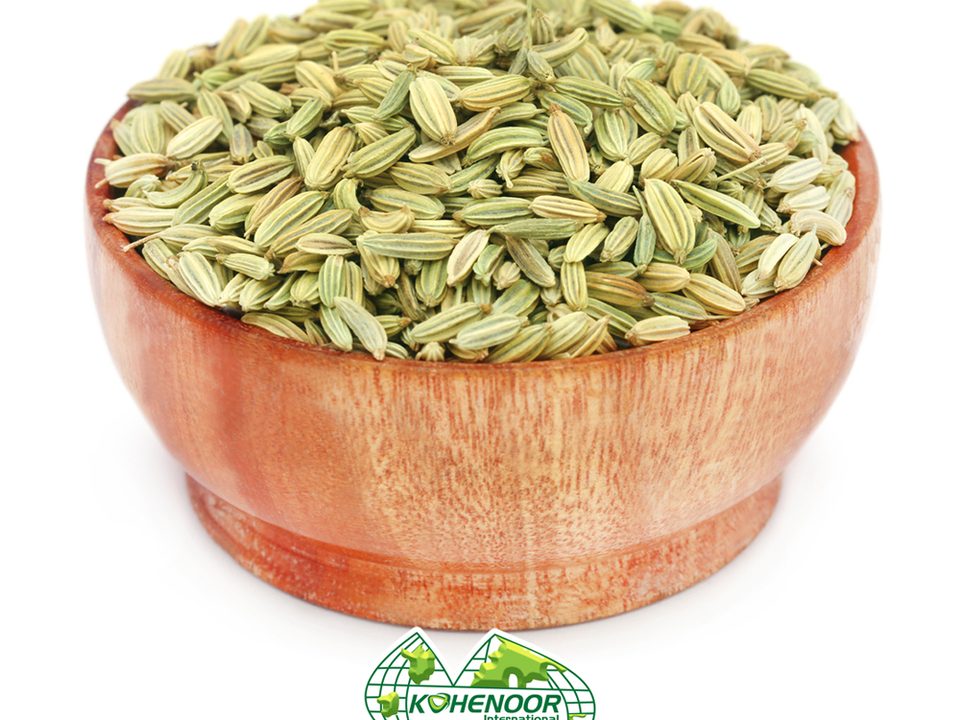
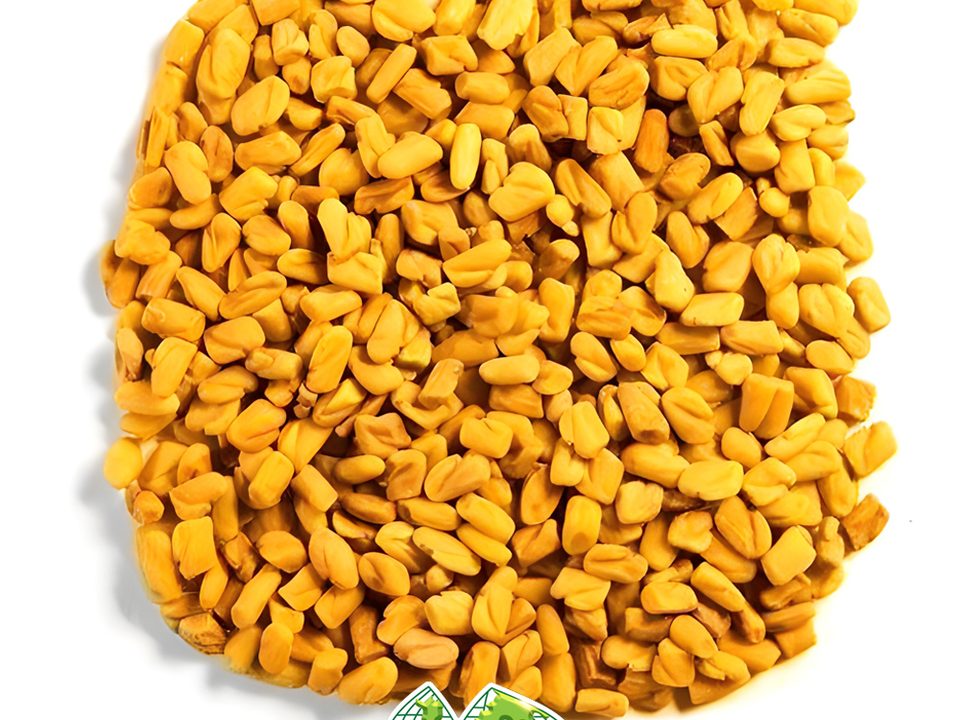
| Fenugreek (methi) | Bitter-sweet, curry note; growing in Asian and Middle Eastern menus | 8–12 | Optional short soak | Vigorous; sticky coat needs drainage |
| Fennel | Aniseed, feathery; premium garnish | 14–21 | No | Slow and uneven if too warm; worth the wait |
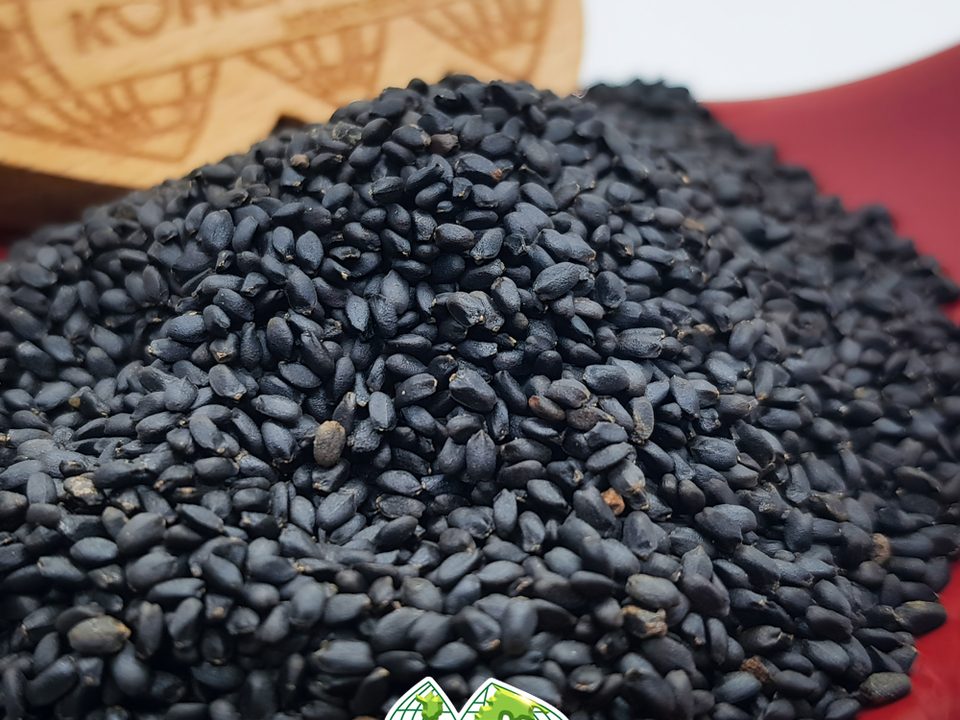
| Basil | Aromatic, delicate; chef favourite | 14–21 | No | Mucilaginous seed; keep humid in blackout, needs warmth |
| Onion | Sharp allium, fine black-tipped shoots | 14–21 | No | Slow; seed hull stays on shoot tip as a feature |
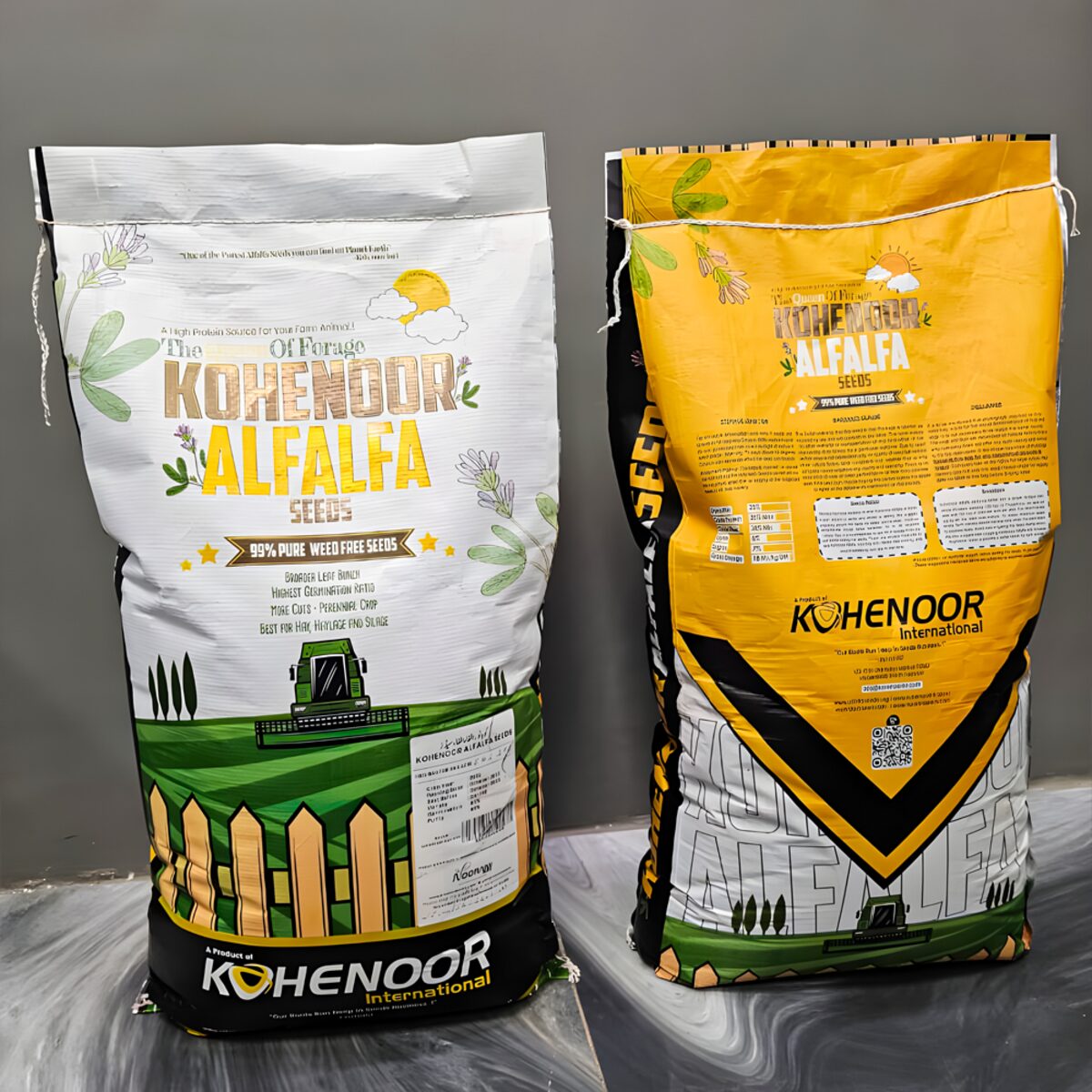
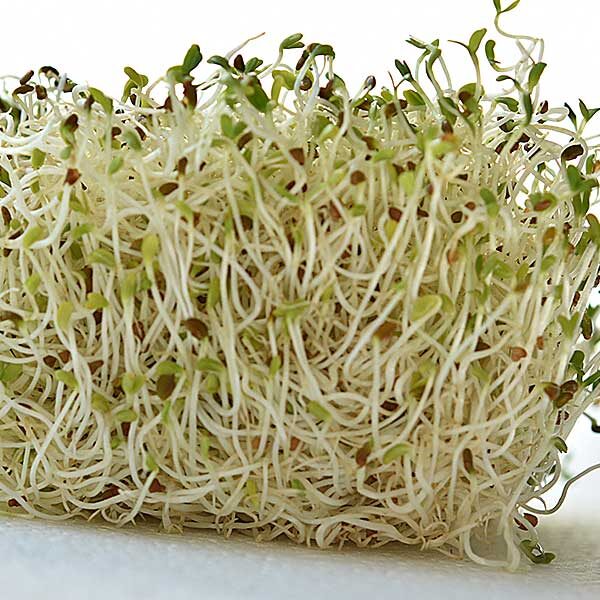
| Alfalfa | Mild, nutty; fine texture for blends | 8–12 | Optional | Very fine seed; 90%+ germination on sprouting lots |
| Clover (red, crimson) | Mild, sweet; alfalfa alternative | 8–12 | Optional | Behaves like alfalfa; crimson gives colour |
Mung bean and chickpea are also in the range and are used by some farms for shoots and sprouted-pulse lines rather than leaf microgreens; sesame, white and black, is supplied for sprouting and soaked-seed products. Several buyers run a sunflower or pea line alongside; those species are not in our range, so we focus on doing the ones above well and leave you free to source the rest where you already do.
Two radish lots can both be labelled "radish" and behave quite differently in a tray. Daikon types give long white stems and broad leaves; rose types give pink stems and a slightly smaller leaf. Red and crimson clover differ in stem colour and sweetness. Our COA names the species and type on every lot so your menu descriptions stay accurate and your trays stay the same from one shipment to the next.
Sowing density is the lever growers reach for most often, and it interacts directly with seed quality. The ranges below are typical starting points for a standard 1020 tray (roughly 25 by 50 cm) under indoor lighting, as reported by commercial growers. They are not prescriptions. Dense sowing gives a thicker, taller canopy but more risk of damping-off; lighter sowing gives cleaner, stockier plants at lower yield per tray. Run a density trial with every new lot and adjust.
| Species | Typical seed per 1020 tray | Typical fresh yield per tray | Comment |
|---|---|---|---|
| Radish | roughly 30–45 g | roughly 250–400 g | High germination lets you sow at the low end |
| Mustard | roughly 15–25 g | roughly 150–250 g | Tiny seed; a seeder helps evenness |
| Cress | roughly 15–25 g | roughly 150–250 g | Surface sow; do not cover with medium |
| Fenugreek | roughly 25–40 g | roughly 200–350 g | Fast; harvest before true leaves for tenderness |
| Fennel | roughly 20–30 g | roughly 120–200 g | Long cycle; price it as a premium green |
| Basil | roughly 8–15 g | roughly 80–150 g | Light sowing avoids damping-off |
| Onion | roughly 20–30 g | roughly 100–180 g | Slow; two trays per week keeps continuity |
| Alfalfa | roughly 20–30 g | roughly 150–250 g | Fine seed; mist gently |
| Clover | roughly 20–30 g | roughly 150–250 g | As alfalfa |
A farm sowing 200 radish trays a week at 35 g per tray uses about 7 kg of radish seed a week, or roughly 360 kg a year. The same farm sowing 100 mustard trays at 20 g uses 2 kg a week, about 100 kg a year. Add fenugreek, cress, basil and fennel lines and a mid-sized farm quickly reaches 1 to 3 tonnes of seed a year across species. That is precisely the scale where buying direct from origin, in lot-tagged 25 kg bags on a schedule, starts to make more sense than buying 1 kg and 5 kg packs through a distributor, and it is the scale we are set up to serve.
When germination is reliable you can also sow at the lower end of each range, which reduces seed use per tray, improves airflow in the canopy and lowers mould risk. In other words, good seed pays for itself twice: once in yield and once in the seed you no longer need to over-sow as insurance.
Microgreens are eaten raw, stems and all, often within hours of cutting. That rules out treated agricultural seed completely, and every microgreen grower knows it. What fewer growers think about is the second half of the sentence: untreated seed that has not also been thoroughly cleaned brings its own problems into the tray.
All Kohenoor sprouting and microgreen seed is natural, untreated seed: no fungicide, no insecticide, no colourant, no polymer film. The lot is designated for food use at planting, grown and harvested apart from farm-grade seed, and never passes through a treatment line. This is not something we strip off at the end; it is a decision made in the field.
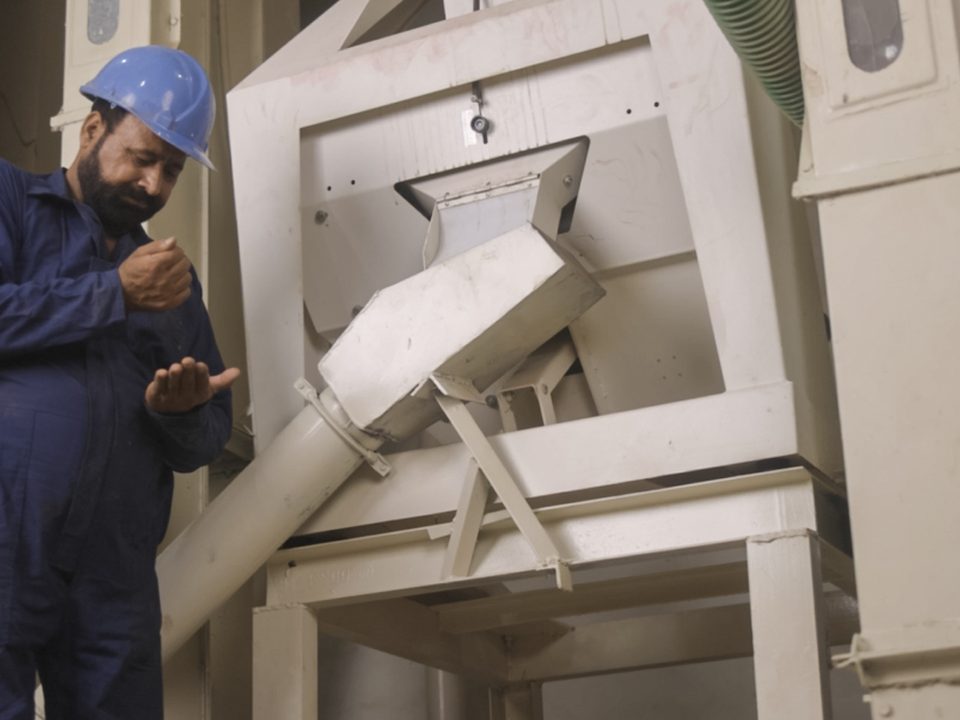
After threshing, drying, screening and gravity separation, the seed passes through Sortex optical sorters. High-speed cameras inspect each seed in flight and air jets eject anything that does not match the colour, size and shape profile of the target. For a microgreen grower the practical gains are:
Cleanliness also makes your own seed sanitation step, if you use one, more effective. Whether you rinse, soak in a validated sanitiser or rely on hygiene elsewhere in the process, a dust-free seed surface is treated more evenly than one coated in field debris.
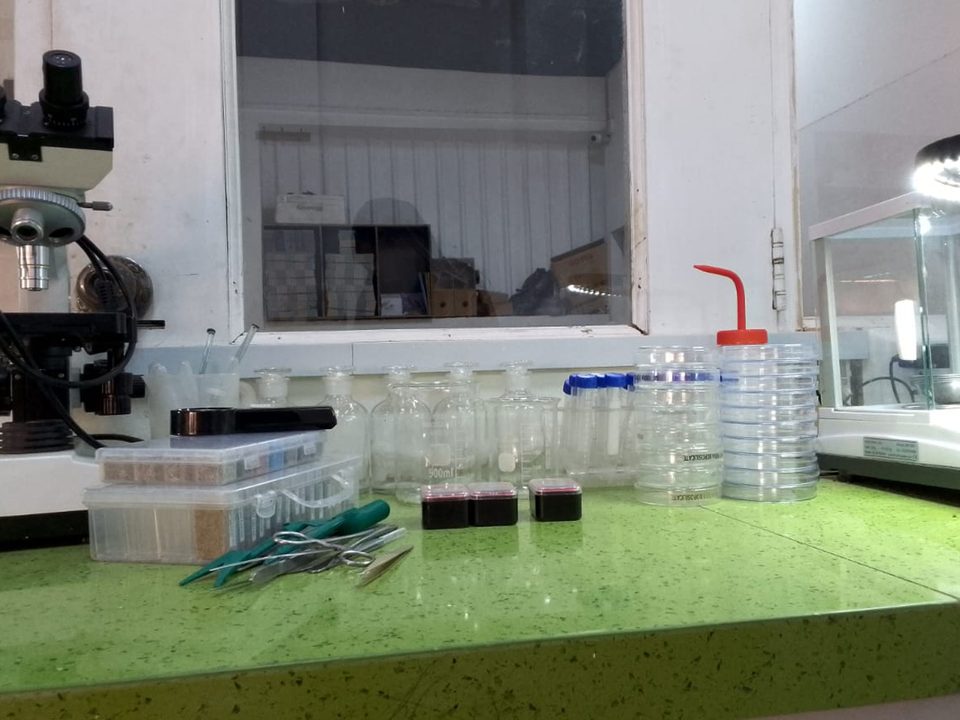
Each lot is tested under ISTA rules for purity and germination and the results go on the Certificate of Analysis against the lot ID. Alfalfa sprouting lots run around 99 percent purity and 90 percent or higher germination with 0 percent dodder; other species are lot-specific and stated on the COA. Because the lot number on the bag tag matches the COA, you can record it against your sowing batches and trace any tray back to the seed it grew from.
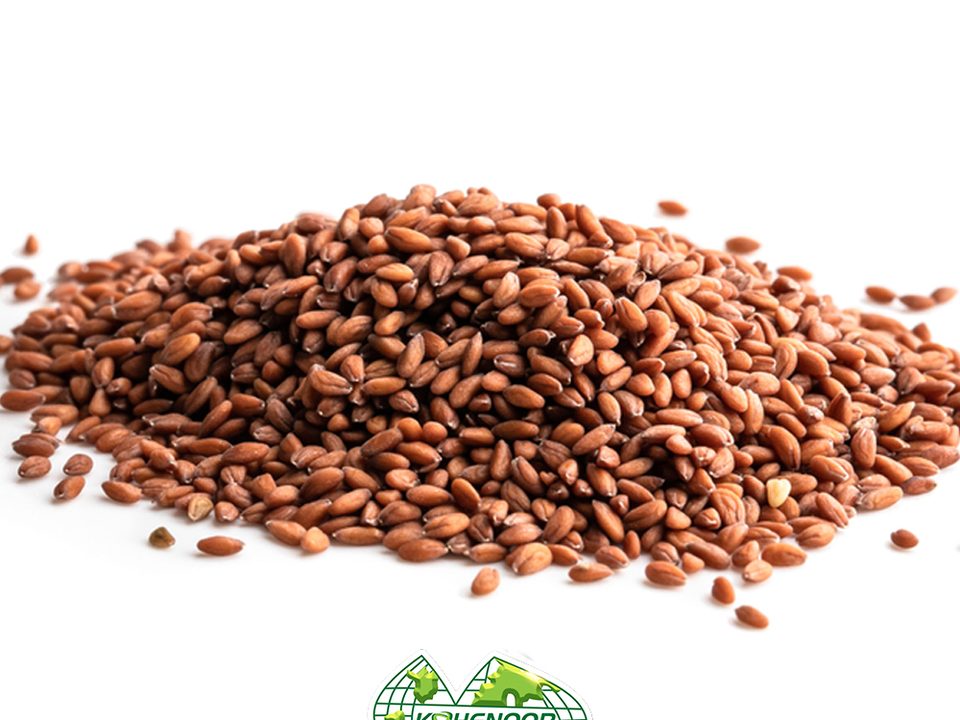
Many microgreen farms sell a mix as their highest-margin product: a spicy blend, a mild salad blend, an "Asian" blend. Mixing at the farm is tedious and inconsistent, so we offer blends made to your recipe at the cleaning plant and bagged as a single blended lot.
Some points that matter when specifying a blend for microgreens, as opposed to for sprouting:
Popular starting recipes that growers ask us for include a spicy mix (radish, mustard, cress), a mild salad mix (alfalfa, clover, radish) and a "methi mix" built around fenugreek. Minimum order for a blended lot is the same 500 kg, which for a farm selling a signature mix is usually a few months of sowing.
Microgreen farms sow on a fixed weekly rhythm, so seed demand is one of the most predictable things in the business. Yet many farms still buy reactively, ordering when the last bag is opened, paying courier rates and accepting whatever lot the distributor has that week. We would rather set up a schedule.
Recurring buyers deal with the same person at the export desk, who knows their species, their port and their paperwork. Payment is 100 percent TT against the bill of lading copy or an irrevocable letter of credit at sight to begin with, and easier terms are offered once the relationship is established.

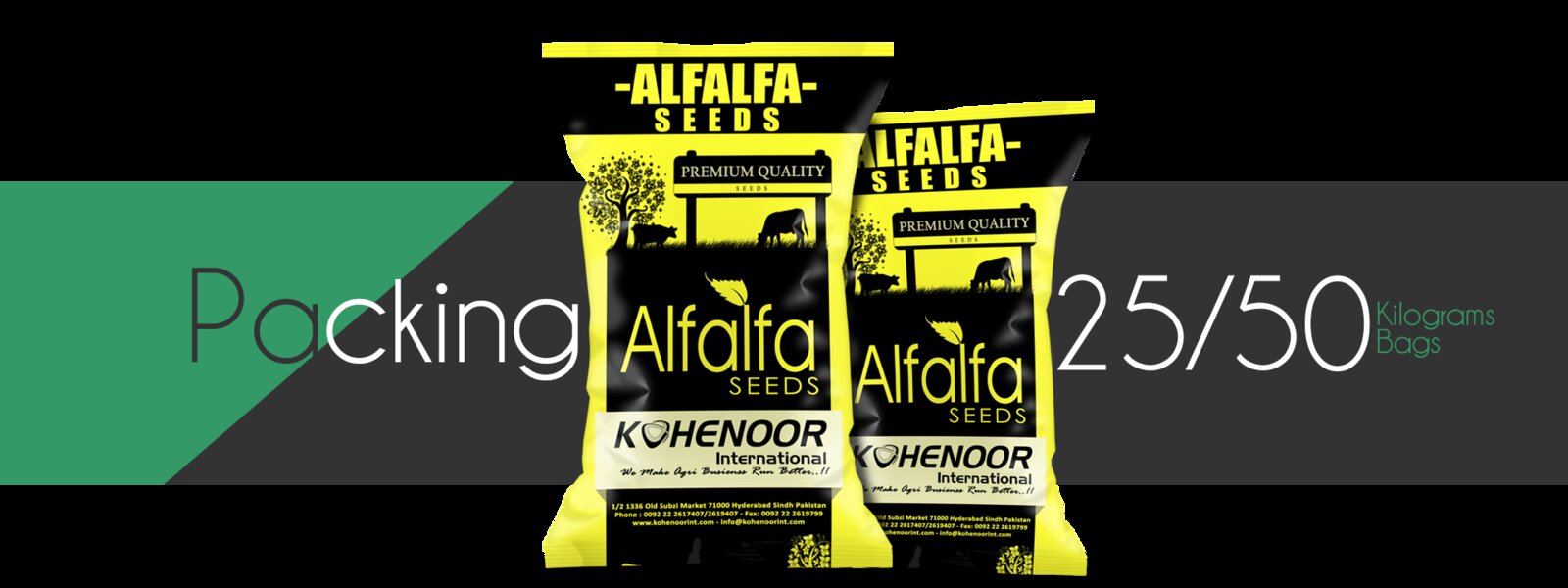
The standard export unit is a 25 kg poly-lined polypropylene woven bag with a sealed lot tag. For a commercial microgreen farm this is the most economical format and the easiest to store, but it is not the only one.
| Format | Suits | Notes |
|---|---|---|
| 25 kg bag, sealed lot tag | Farms sowing from a seed bin or hopper | Standard; palletised and shrink-wrapped for container loading |
| Smaller inner bags inside a 25 kg outer | Farms that open seed weekly and want to keep the rest sealed | Available on request; each inner carries the lot ID |
| Private-label or OEM bags | Farms that also resell seed to home growers or other farms | Your artwork, our lot tag; see the private-label page |
| Retail pouches, clamshells, sleeves | Farm shops, grow-kit lines, online sales | Retail-ready on request |
All packaging is food-contact-approved and meets FDA and EU food-grade requirements. The poly liner keeps the seed dry through a sea voyage and in humid grow-room environments; keep bags sealed until the day of sowing and reseal any part-used bag.
Note on moisture: a grow room runs at high humidity by design. Store seed outside the grow room, in a cool, dry space, and bring only the day's seed in. Mucilaginous seeds such as cress and basil are especially quick to take up moisture and clump if left open in a humid room.
Microgreens occupy a slightly different regulatory position from sprouts. In the United States, FDA's Produce Safety Rule treats sprouts as a special category with their own subpart; microgreens harvested above the soil line with roots left behind are generally regulated as other covered produce rather than as sprouts, though farms should confirm their own status with their regulator or adviser. In the EU, the specific sprout regulations apply to sprouts as defined there; microgreens fall under general food hygiene rules. Either way, your retail customers will ask the same questions about seed, and the same seed practices protect you.
Kohenoor is ISO 9001 and HACCP certified and handles sprouting seed as food, not as farm input. The food safety and testing page sets out the testing, traceability and regulatory documentation in detail.
When a tray disappoints, the fastest way to fix it is to know which side of the line the fault sits on. The table below is the checklist we run through with growers who call us about a lot. It is not exhaustive, but it separates the symptoms that point to seed from the ones that point to the environment, and it usually settles the question within one sowing.
| Symptom | More likely seed | More likely grow room | Quick test |
|---|---|---|---|
| Patchy emergence in random spots | Mixed germination within the lot; foreign seed | Uneven sowing; dry spots under lights | Sow a measured 100 seeds on damp paper; if 90 emerge together, look at the seeder and watering |
| Whole tray slow but even | Older or poorly stored lot | Temperature too low; blackout too long | Compare with the COA test date; check medium temperature, not air temperature |
| Crust of ungerminated seed on top | Low germination lot | Over-dense sowing; seed dried out before emergence | Halve the density on one tray; if it still crusts, test the lot |
| Mould or damping-off | Damaged or dusty seed carrying spores | High humidity, poor airflow, over-watering | Open a fresh bag: Sortex-cleaned seed should be dust-free; if clean, fix airflow |
| Off-type leaves in the canopy | Weed seed or species mix in the lot | Cross-contamination from another tray or seeder | Check purity on the COA; sow a tray from a newly opened bag |
| Leggy, pale stems | Rarely seed | Light too weak or too far; blackout too long | Adjust light first |
| Bitter or harsh flavour | Variety difference between lots | Harvested late; heat stress | Compare species and type on the two COAs |
Two habits make this diagnosis easy. First, record the lot ID against every tray you sow, so a problem can be tied to a lot or ruled out in seconds. Second, keep a sealed reference sample from each lot and sow it on damp paper under standard conditions whenever a question arises; it gives you a seed-only result with the grow room taken out of the equation.
If the evidence points at the seed, send us the lot ID, your paper-towel count and photographs. We re-test the lot sample and come back with data. If the evidence points at the grow room, we will still help where we can; many of the growers we supply have been generous with what they have learned, and we pass it on.
We would rather you trusted your trays than our website. A trial for a microgreen farm is simple and fast because the crop cycle is short.
If the trial lot does not perform as the COA says it should, tell us. We would rather know, and we will re-test the lot sample and respond with the data.
Buying seed at origin rather than through two layers of distribution does three things for a microgreen farm. It lowers cost per tray at any meaningful volume. It gives you lot-level information straight from the people who grew and tested the seed rather than a relabelled pack. And it lets you shape the specification: a tighter size grade, a particular radish type, a blend in your own ratio, organic lots grown to order.
Kohenoor International has done this since 1957. We are a research forage and sprouting seed company based in Hyderabad, Sindh, with offices in Dubai and Australia, ISO 9001 and HACCP certified, a member of the Australian Seed Federation, exporting more than 60 seed products to over 70 countries. The sprouting range runs to 20 or more varieties, untreated, Sortex-cleaned, ISTA-tested per lot, with independent pathogen testing available on every lot and a Certificate of Analysis within 24 hours.
Organic-certified lots (USDA NOP, EU Organic, JAS) are grown to order from 5 MT with a 60 to 90 day lead time. Standard lots ship in 7 to 12 days from stock. Send your species list and weekly tray numbers to the export desk and we will come back with a plan, not a price list.


Send your product, quantity and destination port. The export desk replies personally with a quotation, current lot certificates and a shipping schedule — no bots, no obligation.
WhatsApp +92 310 4929292 export@kohenoorint.comNo. Our range covers radish, mustard, cress, fenugreek, fennel, basil, onion, alfalfa, clover, mung bean, chickpea and sesame among 20 or more varieties. Sunflower and pea are not in the range, so we concentrate on the species we grow and test ourselves.
500 kg per species. For a farm sowing 100 to 200 trays a week of a species, that is typically several months of seed. Mixed consolidations of several species can ship together.
Yes. All sprouting and microgreen seed is natural seed with no fungicide, insecticide, colourant or coating, designated for food use from planting onwards.
Typical starting ranges for a 1020 tray are roughly 30 to 45 g for radish, 15 to 25 g for mustard and cress, 25 to 40 g for fenugreek, 20 to 30 g for fennel, onion, alfalfa and clover, and 8 to 15 g for basil. Run a density trial with each new lot and adjust to your system.
Yes. Specify the species and percentages by weight. We blend at the cleaning plant and bag the result as its own lot with the component lots recorded behind it. Pair species with similar cycle lengths so the tray harvests evenly.
Under ISTA rules for purity and germination, with results on the Certificate of Analysis against the lot ID. Independent third-party Salmonella and E. coli/STEC testing is available per lot on request. The COA is issued within 24 hours.
Cool, dry and sealed, outside the humid grow room, off the floor. Alfalfa typically holds germination for 18 to 24 months in such conditions; bring only the day's seed into the grow room and reseal part-used bags.
Yes. Organic-certified lots (USDA NOP, EU Organic, JAS) are grown to order with a 5 MT minimum and a 60 to 90 day lead time. Tell us early so planting can be scheduled.