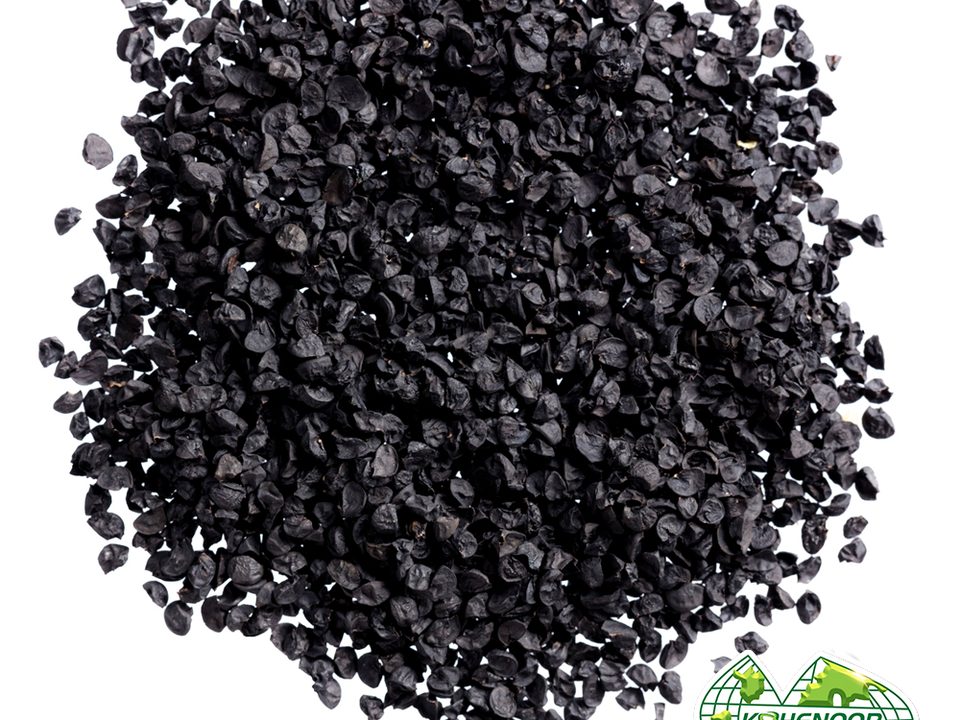
Untreated · Unhulled · Sortex-cleaned · ISTA-tested · COA per lot · 25 kg bags · MOQ 500 kg
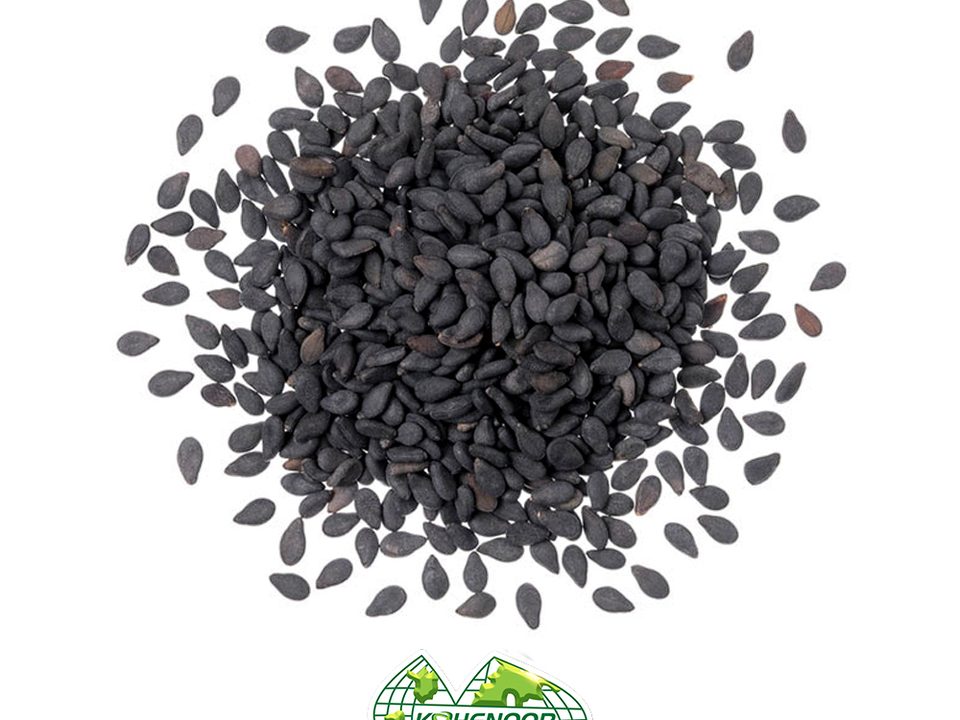
Sesame is the specialist's sprouting seed: a short, one-to-two-day sprout with the full, rich flavour of the seed itself, used by raw-food and health-food producers for sprouted sesame butters, activated seed mixes and short sprouts, and by chefs for a nutty microgreen. Kohenoor supplies untreated, unhulled Sesamum indicum sprouting lots in white and black from Pakistan, Sortex-cleaned and ISTA-tested at origin, with lot-specific purity and germination on the COA.
WhatsApp +92 310 4929292 Get a quote in 24h
Sesame sprouts are the briefly germinated seeds of Sesamum indicum, one of the oldest oilseed crops in the world. Unlike alfalfa or mung bean, sesame is not grown into a long stem: the commercial product is a one-to-two-day "short sprout" in which the seed has swollen, softened and just pushed out a root tip, and still tastes intensely of sesame. Beyond two days the sprout turns bitter, so the species is sprouted for what germination does to the seed rather than for a salad vegetable. Grown on in a tray under light it also makes a small, nutty microgreen that a few specialist farms produce for chefs.
The main market is the raw-food and health-food manufacturing sector in North America, Europe and Australia, where sprouting — often called "activating" in that trade — is applied to seeds and nuts before they are dried and processed. Sprouted or activated sesame goes into sprouted tahini and sesame butters, sprouted seed mixes, raw bars, crackers and granolas, and sprouted seed flours. These are manufacturers buying seed by the pallet and container, with food-safety systems that require untreated, food-grade, documented seed, and they are the buyers we most often supply.
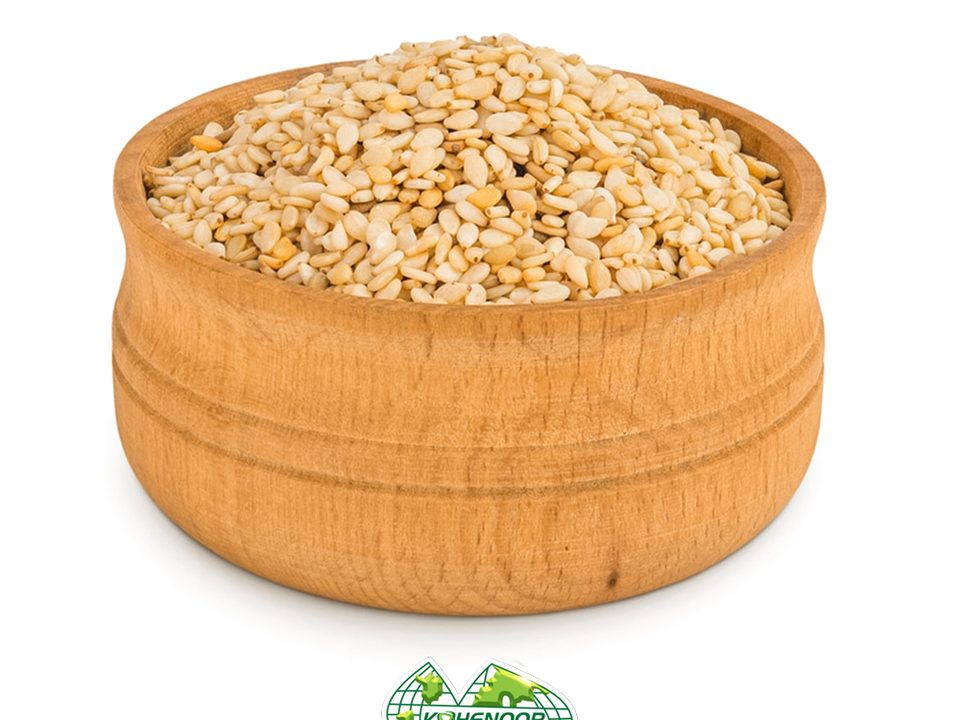
The second market is fresh sprouts and microgreens for food service in Japan, Korea and the gourmet trade of Europe and the Gulf, where sesame sprouts are a small but valued line. The third is the home-sprouting consumer through health-food distributors, who sells sesame in pouches alongside sunflower and pumpkin for sprouted seed snacks. Both types are used: white (natural, unhulled) is the standard; black sesame is prized in East Asia and in premium products for its colour and stronger flavour.
Formats differ by channel. Manufacturers buy sesame in 25 kg bags by the pallet or container and sprout, dry and process it in-house; the finished sprouted tahini, bars and seed mixes reach the shelf under their brands. Health-food distributors sell the seed in 250 g to 1 kg home-sprouting pouches, usually in white, sometimes with black as a premium variant. Food-service growers in East Asia sell short sesame sprouts in small punnets to restaurants. Demand from manufacturers is contracted by the season and is the steadiest part of the market; the fresh-sprout trade is small but loyal.
Sesame seed is known for being exceptionally rich for its size: typically around a fifth protein, roughly half oil with a favourable fatty-acid profile, and a notable content of calcium (in the unhulled seed), iron, magnesium, zinc and other minerals, along with its characteristic lignans — sesamin and sesamolin — which are the subject of considerable research interest. Germination is known for mobilising part of the storage protein and oil into simpler forms and for reducing phytates and other compounds that bind minerals in the raw seed; this is the whole rationale of the "activated seed" category, and we note it as the reason the market exists rather than as any health claim.
For the manufacturer, sprouted sesame also has a flavour and texture argument. A sprouted-then-dried sesame seed is milder and sweeter than the raw seed and makes a smoother, less bitter butter, which is why sprouted tahini has found a premium shelf position. For the chef, a sesame microgreen gives a clean nutty flavour that no leafy microgreen provides. For the home sprouter, sesame is a quick, satisfying seed that is ready overnight.
All of it depends on seed that germinates. Hulled sesame — the white, polished seed of the bakery trade — has had its seed coat removed and will not sprout; it simply swells and sours. Only unhulled, natural sesame with the hull intact will germinate, and only untreated seed is fit for a product eaten raw. That distinction is the single most important thing a sesame sprouting buyer needs to know, and it is where most disappointing purchases from the general seed trade begin.
Sesame is the quickest sprout in the range and one of the simplest, provided the seed is right and the grower resists the temptation to let it run. The ranges below are those producers typically report.
Two cautions from experience. Sesame sprouts turn bitter quickly once the root extends beyond a few millimetres, so the harvest window is tight and must be timed to the day; and the thin, oily seed is more prone than most to souring if it sits wet and warm, so hygiene, drainage and prompt chilling or drying are essential. Both types sprout alike; black sesame has a slightly thicker hull and may take a few hours longer to show root.
The common faults with sesame are predictable. Souring in the soak or the first rinses points to a deep, wet mass, warm water or hulled seed that cannot germinate; spread the seed thinly, keep it cool and confirm the lot is unhulled. Bitterness points to a harvest a day late. A low proportion of seed showing root points to an old or fumigated lot; insist on a current test and the unfumigated declaration. And gritty sprouts point to sand in the lot — the classic sesame contaminant that a gravity table removes and a poor cleaning line leaves in.
Sesame is traded worldwide as a food ingredient for bakeries, oil mills and tahini makers, and that trade does not care about germination. Your specification for sprouting sesame should therefore be unusually explicit. Our sprouting lots are documented against the following.
| Parameter | What to ask for | Kohenoor sesame sprouting lots |
|---|---|---|
| Type and condition | White or black; natural, unhulled, with hull intact — essential | Unhulled, natural; declared on tag and COA |
| Germination | Minimum %, ISTA method, current-season test | Lot-specific on ISTA certificate and COA |
| Physical purity | Minimum % pure seed | Lot-specific on COA |
| Other crop / weed seed and inert matter | Maximum, no sand, soil, stems or pod fragments | Removed by screen, gravity and optical sorting |
| Moisture | Maximum % for safe storage of an oilseed | Stated on COA |
| Treatment status | Untreated, unfumigated, unroasted, unhulled — in writing | Untreated — on COA and tag |
| Microbiology | Salmonella, E. coli/STEC, third-party laboratory | Per lot on request |
| Allergen handling | Dedicated line or declared cross-contact controls | Documented clean-down between lots |
| Traceability | Lot ID on every bag | Sealed lot tags, field→bag→warehouse |
The treatment line deserves attention. Sesame intended for the food trade is often fumigated in store, sometimes heat-treated, and the white bakery sesame has been mechanically or chemically hulled; none of it will sprout, and fumigated seed has no place in a raw product. Our sprouting lots are natural, unhulled seed handled in the food-grade warehouse separate from any commodity stock.
Sesame is a declared allergen in most major markets, and sprouted-food manufacturers will want our allergen-control statement for their supplier file; we supply it with the lot documents. If your quality system also requires pesticide-residue or heavy-metal screening — common for sesame — tell us at enquiry and we will arrange it on the lot sample.
Incoming-quality checks are quick. On arrival, draw a sample from several bags, count out four lots of one hundred seeds, soak for six hours and germinate on moist paper at around 20 °C; count seeds showing a root at 48 hours and compare with the COA. Rub a pinch between the fingers to check that the hull is present and the seed is not polished. Tip a spoonful into a glass of water and swirl: sand and soil sink and show at once. Smell the sample — good sesame smells nutty and fresh, never rancid or musty. Photograph anything that does not match the documents and send us the lot ID the same day.
Pakistan is an established sesame-growing origin, and the crop ripens through a hot, dry season that brings the seed to harvest at low moisture — the precondition for good germination and low mould counts in an oilseed. Buying at origin from the current season, rather than from a commodity warehouse, also means the seed has not been fumigated or heat-treated, and has not aged past the point of good viability.
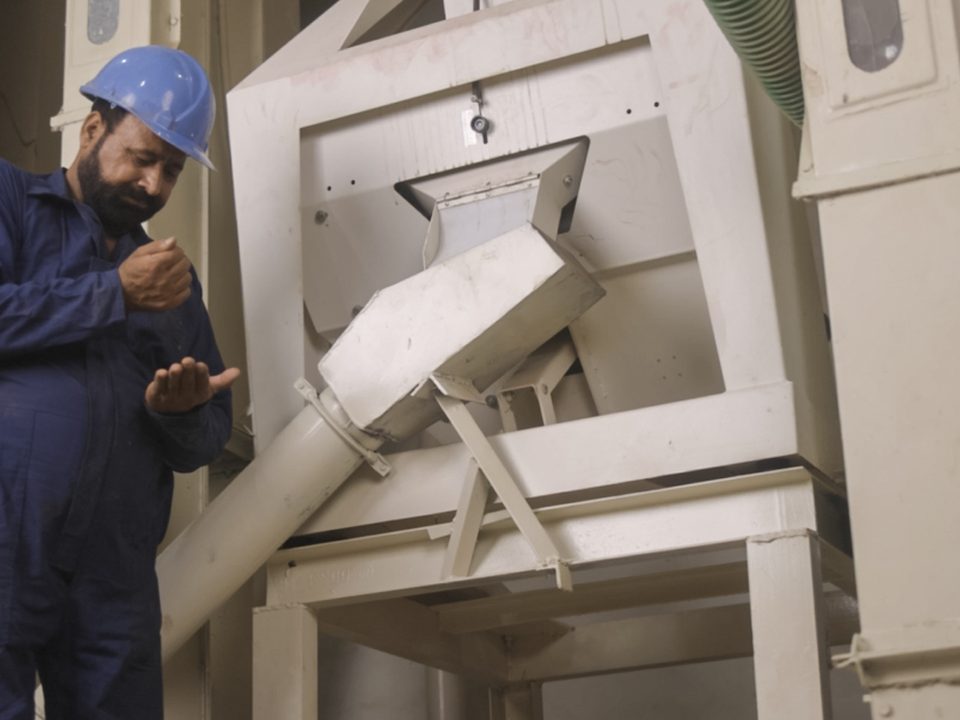
Sesame is a tiny seed that is harvested from a crop that shatters its pods, so the raw lot carries a high load of chaff, pod fragments, stems, sand and soil, along with immature light seed and, in some fields, small weed seed. Cleaning it to sprouting standard is more demanding than for the larger legumes. Our sequence is air-screen cleaning for chaff and pod, gravity separation for sand, soil and immature seed — sand is the classic sesame contaminant and the gravity table is where it leaves — and Sortex optical sorting as the final pass, rejecting discoloured, mouldy and off-type seed and, for white lots, any dark seed. For black sesame the sorter is set the other way, removing any pale or off-colour seed.
Weed seed is removed by the combination of screens and optical sorting; sesame is not a dodder crop. Because the grower, cleaner and exporter are one company, the lot carries a single record under one lot ID from the field to your warehouse.
Sesame seed intended for sprouting is a food ingredient and, in most markets, a declared allergen; the document set must satisfy both your sprout or preventive-controls programme and your allergen file. The export desk prepares the following for each consignment.
Kohenoor is ISO 9001 and HACCP certified, with the HACCP plan covering segregation of untreated food-grade lots, cleaning-line hygiene, sampling and retained samples. The food safety and testing page describes the programme.
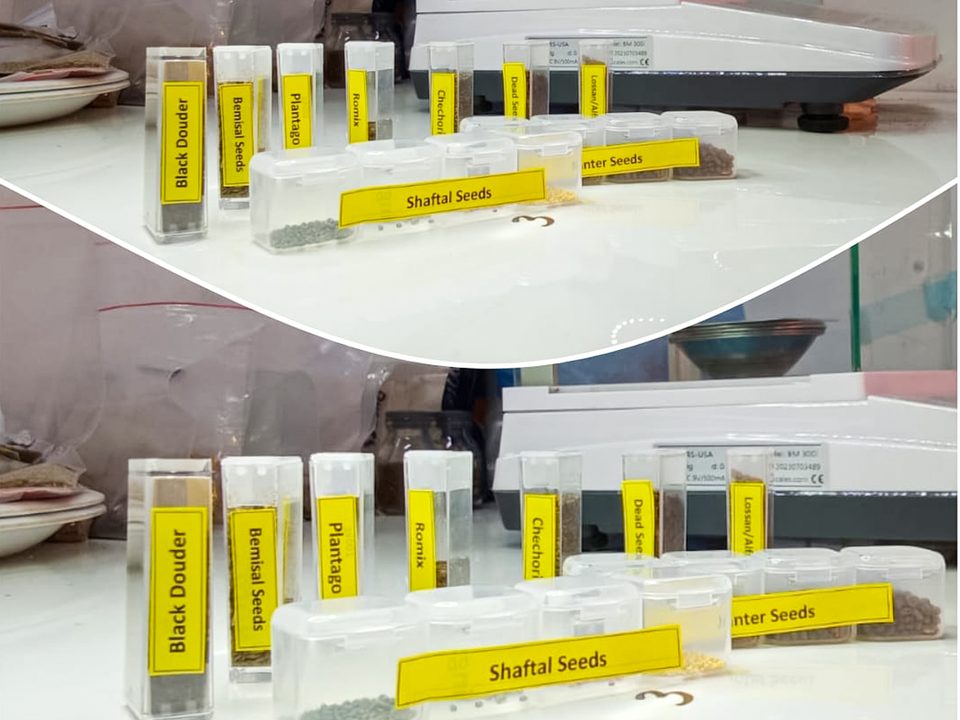
Sesame lots for the sprouting programme are selected from the current harvest and brought straight onto the food-grade cleaning run, never into commodity storage. Each lot is sampled under ISTA rules and tested in our laboratory for germination, purity and moisture before release, then sent for the ISTA Orange Certificate that travels with the shipment.
We also test-sprout every sesame lot over 48 hours, because sesame is a seed where the tray shows what the count does not: how quickly the lot takes water, whether the root tips emerge together, whether the soak water stays clean and sweet-smelling, and how soon bitterness develops. A lot that sours or sprouts unevenly is diverted to the food trade. Only lots that pass both the laboratory test and the sprouting trial are tagged as sprouting seed.
The cleaning sequence is air-screen, gravity and Sortex optical sorting with documented clean-down between lots — a control that also serves allergen segregation. Bags are filled, weighed, sealed and tagged with lot ID, type, test date and net weight; retained samples are held from every lot. The lot ID links field record, cleaning record, laboratory results, sprouting trial and microbiology report.
A person on the export desk — Pakistan, Dubai or Australia — replies within 24 hours in English, Arabic, Spanish or French, sends current lot documents with the quotation and stays with your order until clearance at the destination port.
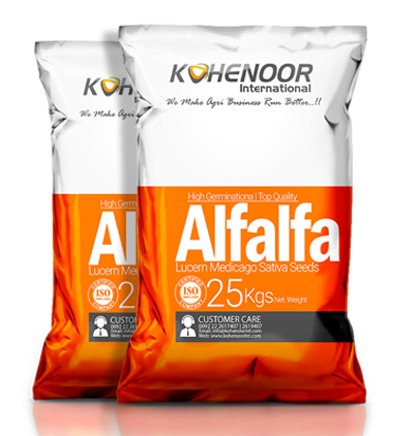
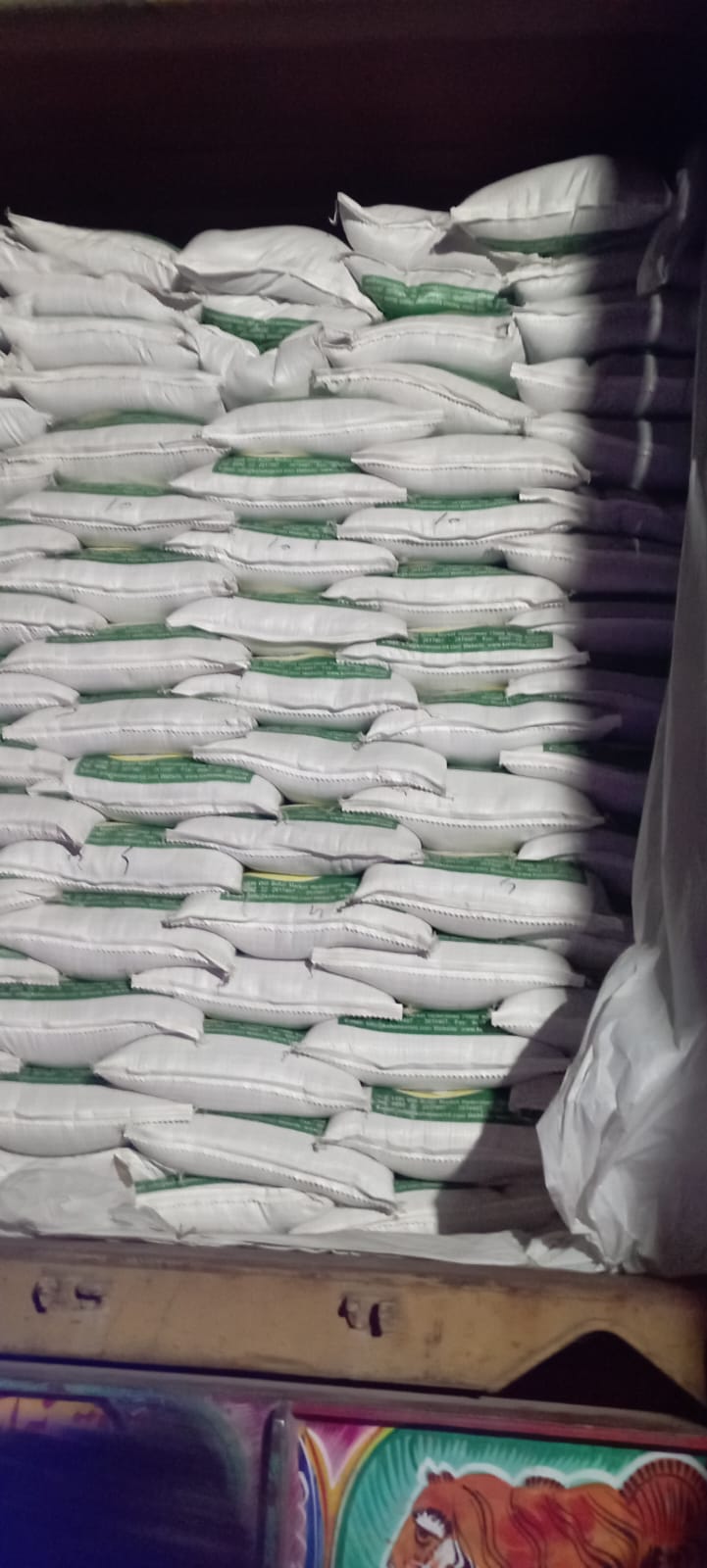
Packaging. 25 kg net in poly-lined polypropylene woven bags with a sealed lot tag; the liner matters for an oilseed, keeping moisture and odour out through sea transit. Private-label and OEM bags and retail-ready pouches are available on request for the home-sprouting and activated-seed trade.
Minimum order. 500 kg (20 bags) per type. White and black sesame can be combined with other sprouting species — sunflower-style seed mixes often take our sesame alongside fenugreek, alfalfa and radish — to make up a container; the minimum applies per species.
Lead time. In-stock lots ready for FOB Karachi vessel loading within 7–12 days of order confirmation. A fresh microbiology report, additional analyses or special packaging may add a few days.
Terms and payment. FOB Karachi, CFR or CIF on request. Payment 100% TT against bill of lading copy or irrevocable letter of credit at sight; easier terms for repeat buyers.
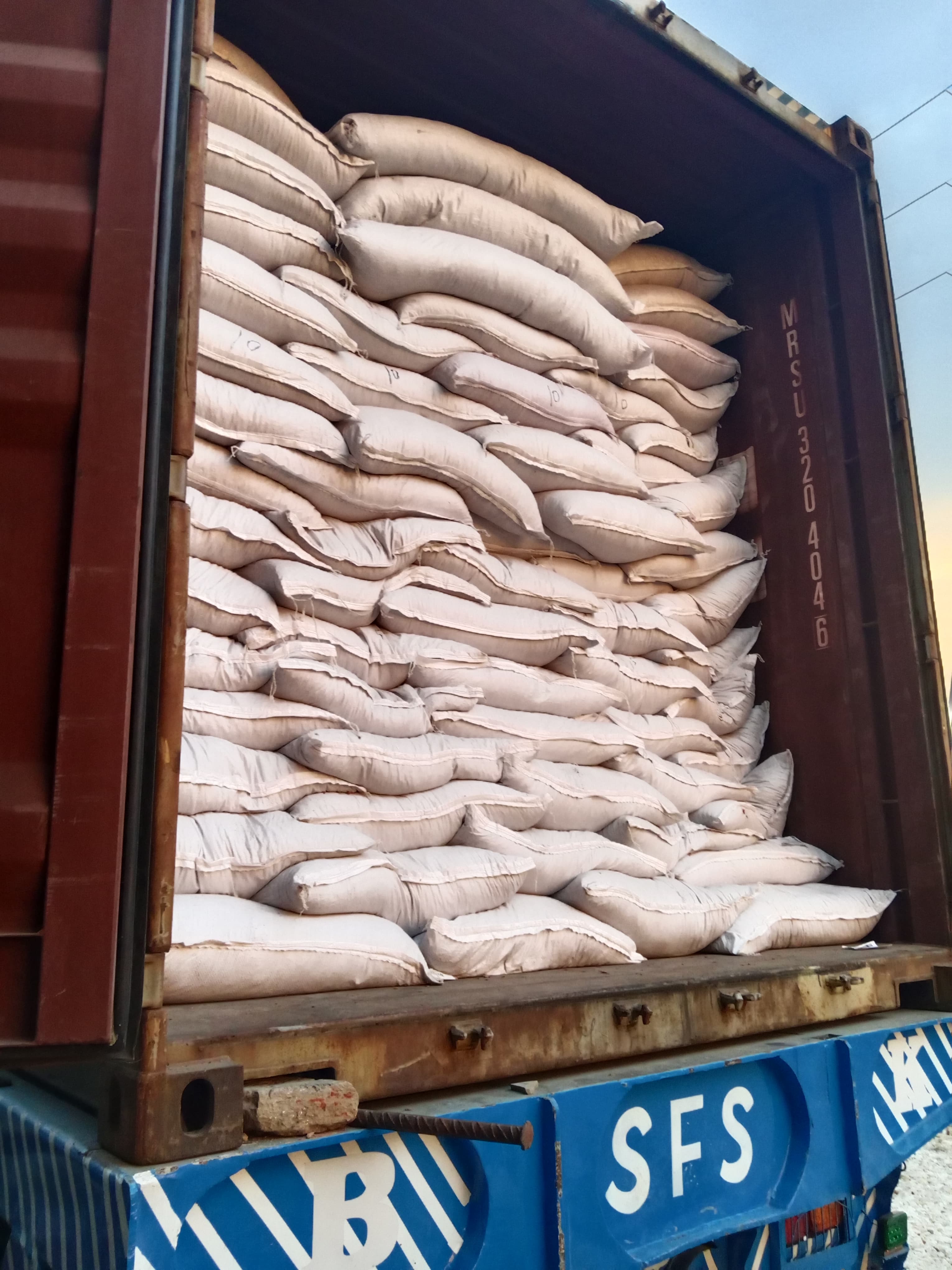
Destinations. USA, EU and UK, Japan, Korea, Taiwan, Singapore, Hong Kong, GCC, Australia and more. Store sesame cool and dry, away from strong odours; as an oilseed it holds germination well in good storage and loses it in heat.
For container planning, 25 kg bags palletise at roughly 40 bags to the tonne, and a 20-foot container carries on the order of 18–20 MT of bagged seed. Manufacturers often take sesame in combination with other activated-seed inputs — fenugreek, chickpea, mung — in one container; sprout houses and microgreen farms add a few hundred kilos to a container built around alfalfa, radish and mustard. Each species and type is tagged and documented separately so every lot keeps its identity through customs and into your traceability and allergen records.
Sprouted and activated-food manufacturers are the main buyers: makers of sprouted tahini and sesame butters, raw bars, crackers, sprouted seed mixes and flours, who need untreated, unhulled, documented seed on a programme basis. See for health-food distributors.
Health-food distributors and re-packers sell sesame in home-sprouting pouches alongside other seeds, in white and black.
Microgreen farms supplying the restaurant trade grow sesame as a specialist nutty microgreen in small volumes. See for microgreen farms.
Commercial sprout growers in Japan, Korea and the gourmet trade produce short sesame sprouts for food service. See for commercial sprout growers.
Private-label brands have us pack under their own name at origin. See for private-label brands.
The questions these buyers ask us first are consistent. Is the seed unhulled, and will it actually sprout — yes, natural unhulled seed with a current ISTA germination test on the lot, and we tray-trial every lot for 48 hours before tagging it. Is it unfumigated and unroasted — yes, declared in writing. Can you supply an allergen-control statement for our supplier file — yes, with the lot documents. Can you supply a microbiology report and other analyses — yes, independent laboratory, per lot on request. White, black or both — both, as separate tagged lots. And can it travel with our other activated-seed inputs — yes, in one container, each species documented separately.
Sesame is a component of sprouted-seed and activated-seed mixes rather than of salad sprout blends. Black and white sesame together make a striking two-tone sprouted topping; sesame with fenugreek and mustard makes a spiced sprouted-seed mix; and in the microgreen tray a little sesame among radish, cress and basil adds a nutty note. Everything below ships with the same documents in the same container.
The whole range is compared on the sprouting seeds hub. Custom seed mixes are blended and packed at origin after a laboratory sprouting trial.
| Typical mix (by seed weight) | Sesame | Partners | Character |
|---|---|---|---|
| Two-tone sprouted topping | white 50%, black 50% | — | Striking, nutty |
| Spiced sprouted-seed mix | about 40% | fenugreek 30%, mustard 30% | Warm, aromatic, for dry mixes |
| Nutty salad topper | about 30% | chickpea 70% (short sprout) | Crunchy, protein-rich |
Because sesame sprouts in a day or two and chickpea or fenugreek take longer, mixes are generally sprouted separately and combined at packing or after drying. These proportions are common starting points rather than a formula; a laboratory trial shows you the result before you commit a container.
1. Send your requirement. WhatsApp +92 310 4929292 or email export@kohenoorint.com with type (white, black or both), quantity, destination port, intended use (short sprouts, activated seed, microgreens), any specification your quality system needs and whether you want a sample first. Samples of current lots are available.
2. Receive the quotation and lot documents. Within 24 hours: quotation FOB Karachi (or CFR/CIF), COA and ISTA certificate for the proposed lot, allergen statement, and a shipping schedule.
3. Confirm and ship. On your purchase order and payment arrangement we book the vessel, complete the phytosanitary and origin certificates and load within 7–12 days for stock lots. The document set reaches you by email before the vessel arrives.


Send your product, quantity and destination port. The export desk replies personally with a quotation, current lot certificates and a shipping schedule — no bots, no obligation.
WhatsApp +92 310 4929292 export@kohenoorint.comYes. Every sesame sprouting lot we ship is natural, untreated seed: no fungicide, no insecticide, no coating or pelleting of any kind. Treated seed is never food-grade and we keep sprouting lots physically and administratively separate from our agricultural seed. The untreated status is written on the COA and on the lot tag.
On request, each lot is sampled and sent to an independent third-party laboratory for Salmonella and E. coli/STEC testing, and the report travels with the lot documents. Many buyers also run their own incoming-quality checks, and we encourage that; we will supply retained samples and the sampling record so your laboratory can correlate results with ours.
Yes. Organic-certified sesame lots (USDA NOP, EU Organic or JAS) are available subject to a 5 MT minimum and a 60–90 day lead time, because organic lots are grown and cleaned to order under certified handling. Tell us which certification your market needs and we will confirm the programme for the season.
The minimum order for sesame sprouting seed is 500 kg. In-stock lots ship within 7–12 days to FOB Karachi vessel loading. Transit time then depends on the destination port; your forwarder or ours will give you the sailing schedule when we confirm the order.
Yes. Beyond our standard 25 kg poly-lined PP woven bags with sealed lot tags, we offer private-label and OEM packaging, and retail-ready pouches, clamshells and sleeves on request. Send your artwork and pack sizes and we will quote the packaging alongside the seed.
We ship FOB Karachi (CFR/CIF on request) to the USA, EU and UK, Japan, Korea, Taiwan, Singapore, Hong Kong, the GCC states, Australia and many other destinations. Kohenoor serves buyers in 70+ countries and has offices in Pakistan, Dubai and Australia, so there is usually someone in or near your time zone.
No. Hulling removes the seed coat and with it the seed's ability to germinate; hulled sesame simply swells and sours in the soak. Only natural, unhulled sesame with the hull intact will sprout. Our sprouting lots are unhulled white or black sesame and the condition is declared on the COA and the lot tag.
Bitterness develops as the root extends. Harvest at 1–2 days, as soon as the root tip shows or at most a few millimetres long, and the sprout stays sweet and nutty. For activated seed destined for drying, most processors stop at the end of the soak-and-rest period. Grown as a microgreen under light for 7–10 days the bitterness recedes again and the flavour is nutty and green.