Sprouting & microgreen seed · from origin

Sprouting Seeds for Importers, Distributors and Health-Food Brands

Bulk 25 kg, retail-ready pouches and private label · full export document pack · organic lots to order · mixed containers to the EU, USA, Japan, Korea, Gulf and Australia

Distributors live between two demanding parties: retailers who want a clean, well-documented, consistently available product, and a supply chain that has to deliver it across an ocean without surprises. Kohenoor International has exported seed from Pakistan since 1957 and supplies the health-food trade with untreated, Sortex-cleaned, lot-tested sprouting seed in whatever format sits between your warehouse and the shelf: 25 kg bulk, retail-ready packs or your own label, with the document pack your customs broker and your retail customers expect.

Get a quote in 24h
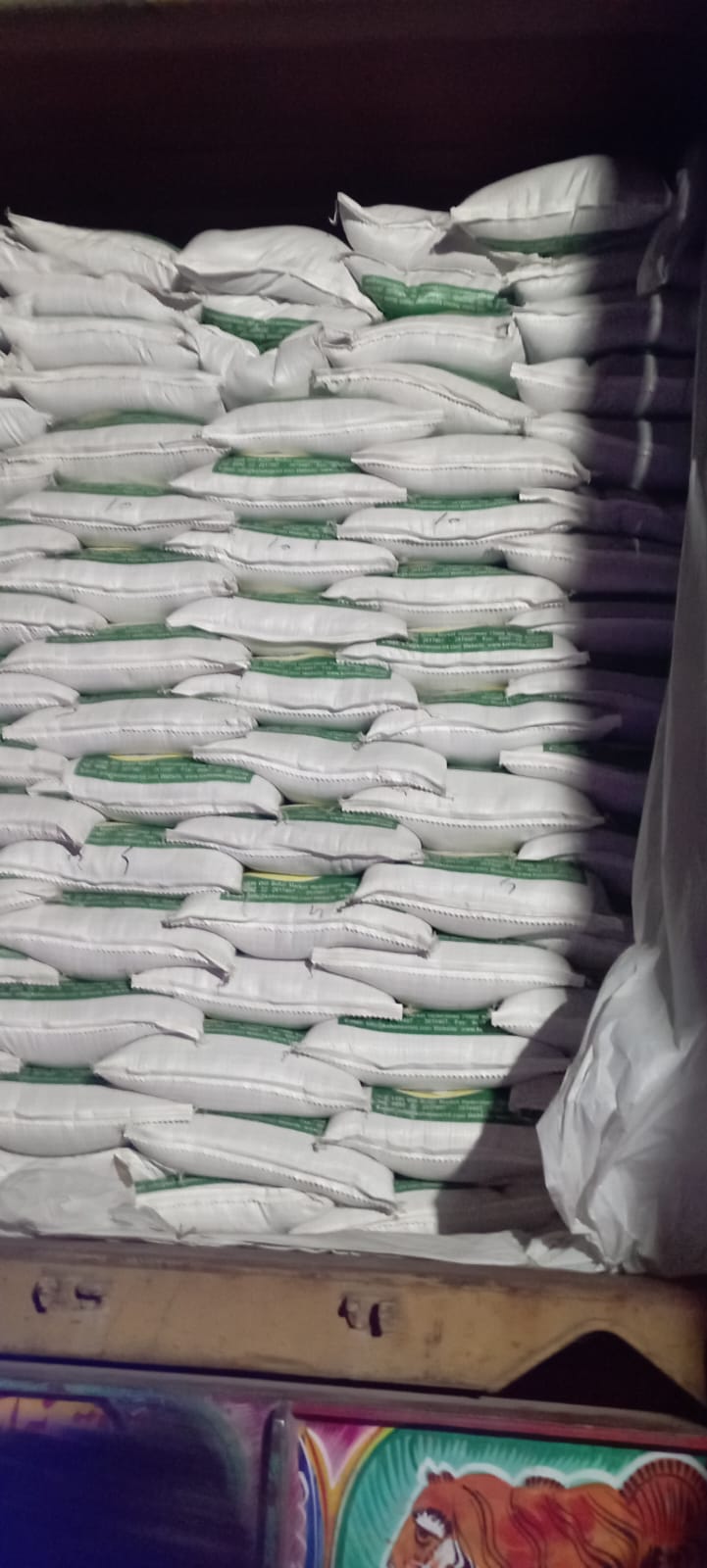
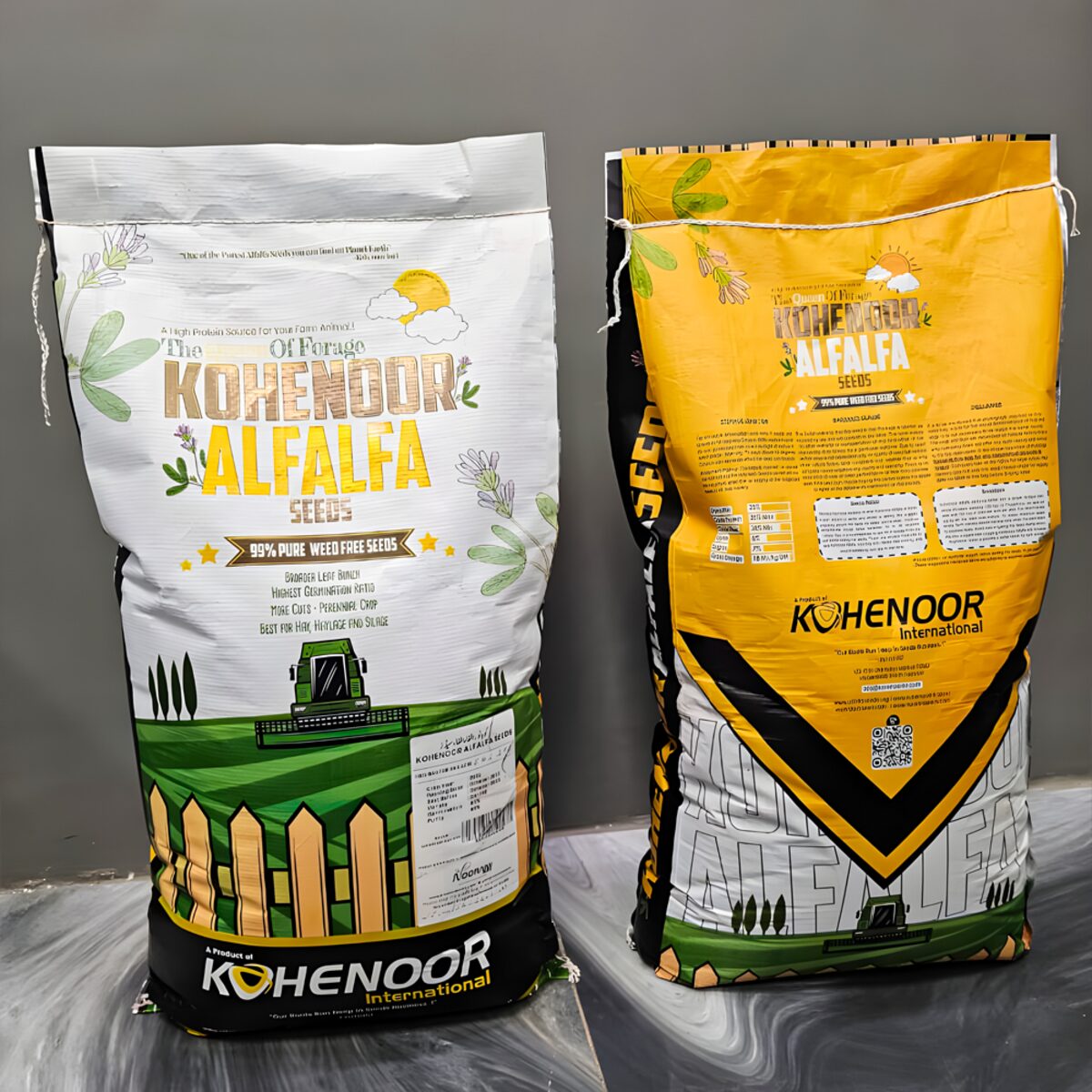
Kohenoor sprouting seed export bags ready for a distributor shipment
In short: Kohenoor supplies importers and health-food distributors with untreated, food-grade sprouting seed across 20 or more varieties, in 25 kg lot-tagged bags or retail-ready and private-label packs, with a complete document pack: ISTA test report, Certificate of Analysis, independent pathogen test report, phytosanitary certificate and certificate of origin. Mixed-species containers ship FOB Karachi in 7 to 12 days from stock; organic-certified lots are grown to order from 5 MT in 60 to 90 days.
Exporting since 1957, 70+ countriesISO 9001 and HACCP certifiedUntreated, Sortex-cleaned seedISTA Orange Certificate per lotIndependent Salmonella and STEC reportsRetail-ready and private-label packingOrganic NOP, EU and JAS to orderOffices in Pakistan, Dubai and Australia
20+Sprouting varieties from one supplier
500 kgMOQ per species (alfalfa 1 MT)
7–12 daysStock lots to FOB Karachi
5 MTOrganic minimum, 60–90 day lead
18–24 moTypical alfalfa germination life, cool and dry
24 hCOA and quotation turnaround

What distributors and health-food brands need from a sprouting seed source

The health-food channel has grown up. Sprouting seed that once sold from a bulk bin at the back of a wholefood shop now sits on supermarket shelves, in online baskets and in subscription boxes, and the buyers who put it there have audit checklists. Whether you are an importer breaking bulk for regional wholesalers, a distributor supplying independent retailers, a packer producing retail bags, or a brand owner commissioning your own range, the requirements converge on a short list:

This page sets out how Kohenoor meets each of those, and what to expect when you import from us for the first time.

Sprouting seed being packed into sealed bags at the Kohenoor packing line

The range, in one container

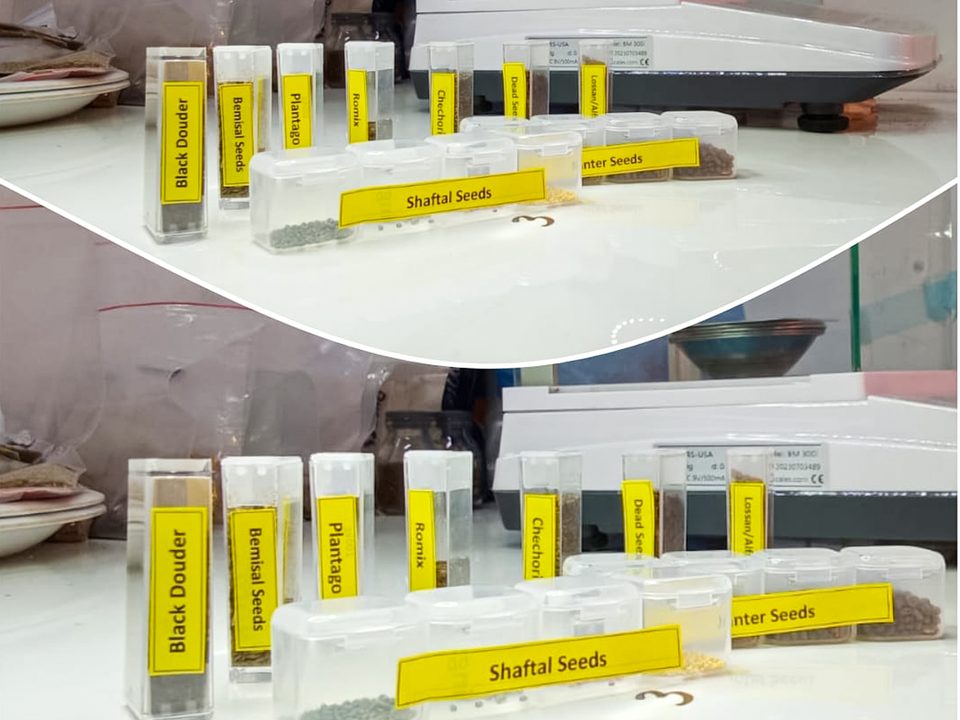
Our sprouting and microgreen range runs to more than twenty varieties, all food-grade and untreated. The core species for the health-food trade are:

SpeciesConsumer useLot specification
Alfalfa (KN92-grade sprouting lots)The best-selling salad sprout worldwidePurity ~99%, germination 90%+, 0% dodder
Mung beanBean sprouts, stir-fry, sprouted saladsFood-grade, lot-tested; purity and germination on COA
Radish (daikon and rose)Peppery sprouts and microgreensLot-specific on COA
Clover (red and crimson)Mild salad sproutsLot-specific on COA
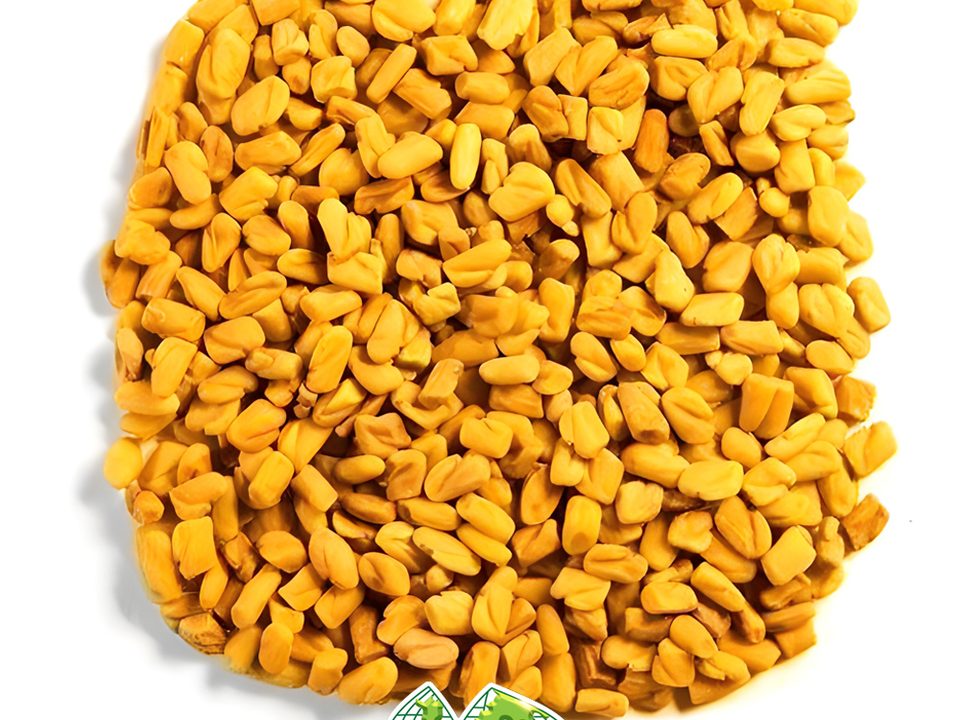
Fenugreek (methi)Sprouts for curries, salads, wellness rangesLot-specific on COA
ChickpeaCrunchy sprouts, sprouted hummusLot-specific on COA
Mustard, cressSpicy microgreens, sandwich greensLot-specific on COA; mustard is a declarable allergen in several markets
Fennel, onion, basilGourmet microgreensLot-specific on COA
Sesame (white and black)Sprouting, soaking, sprouted-seed productsLot-specific on COA; declarable allergen in the EU and USA

A distributor's first container is typically a mixed load weighted towards alfalfa, mung bean and radish, with smaller quantities of the other species to fill out a range. The minimum per species is 500 kg (alfalfa sprouting lots 1 MT), and each species is packed, tagged and certified as its own lot even when it shares a container. We can also build blends to your recipe, bagged and tagged as a single lot with the component lots recorded behind it.

Because every species comes from one origin and one quality system, the retail range behaves consistently. The same cleaning line, the same laboratory, the same lot-tag discipline apply to the 500 kg of basil as to the 10 tonnes of mung bean.

Formats: bulk, retail-ready and private label

Different distributors sit at different points in the chain, so we pack to fit the operation rather than the other way round.

25 kg bulk for your own packing line

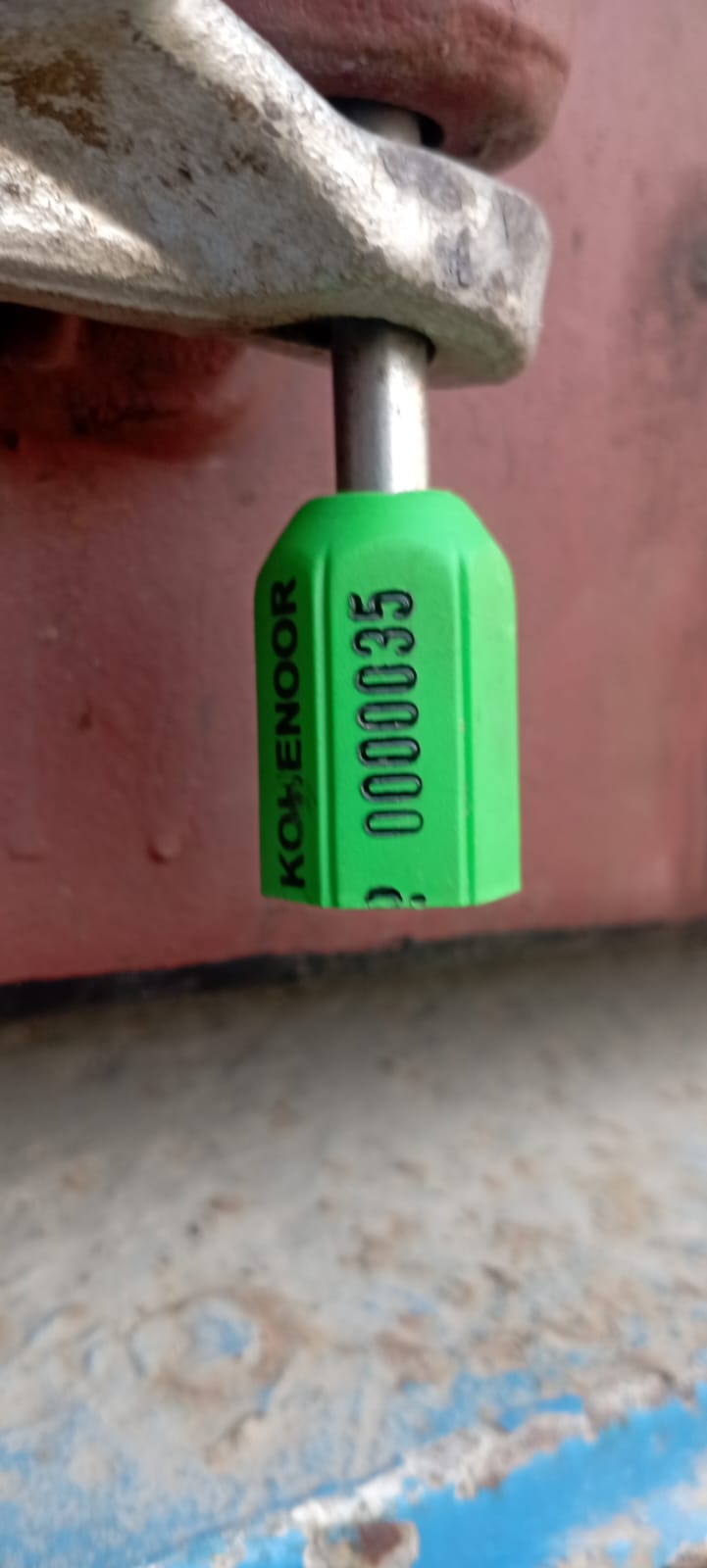
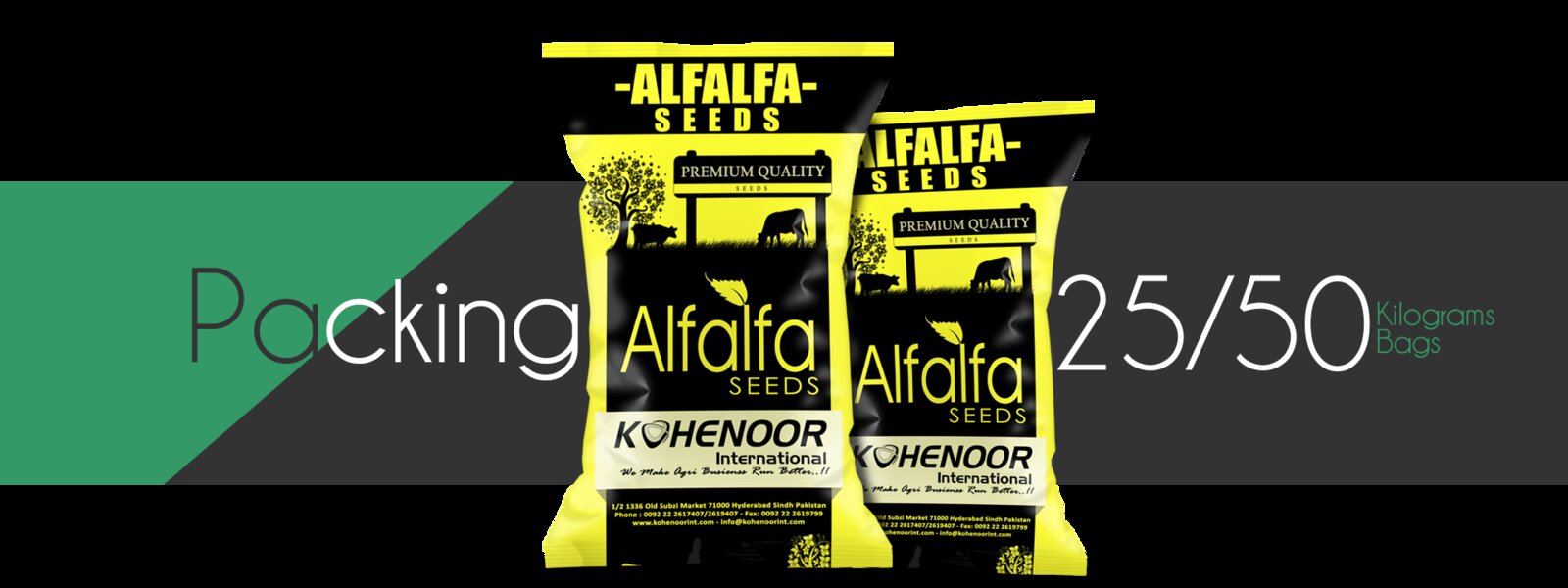
The standard export unit is a 25 kg poly-lined polypropylene woven bag with a sealed lot tag carrying the lot ID. It is the most economical format, stacks well on pallets, and the liner keeps the seed dry through a sea voyage. Packers who repack into retail sizes record our lot ID against their packing batch, which gives the retail unit a traceable path back to the field.

Retail-ready packs

For distributors who would rather not run a packing line, we supply retail-ready formats on request: stand-up pouches, clamshells and sleeves, in sizes that suit the market, typically 50 g to 500 g for sprouting seed. Packaging is food-contact-approved and meets FDA and EU food-grade requirements. Retail packs carry a lot code tied to the bulk lot, so traceability is not lost at the repack stage.

Private-label and OEM

Your artwork, your brand, our seed and our lot codes. Private-label packaging is available on bulk bags as well as retail formats. Brands launching a full range of six to eight sprouting SKUs from a single supplier are exactly what this format is built for, and the private-label page covers artwork, labelling, allergen declarations and lot-code conventions in detail.

FormatTypical buyerLot traceability
25 kg bulk, Kohenoor bagImporters, wholesalers, packersSealed lot tag on every bag
25 kg bulk, private-label bagBrands supplying trade customersSealed lot tag on every bag
Retail pouch / clamshell / sleeve, 50 g to 500 gDistributors to retail, online sellersLot code printed per unit, linked to bulk lot
Blended lot, any formatBrands with signature mixesBlend lot ID with component lots recorded

The document pack: what arrives with every shipment

Customs clearance and retail onboarding both run on documents. Ours are issued per lot and per shipment, and they agree with one another, which is the part that saves time at the border.

DocumentIssued byWhat it does for you
Commercial invoice and packing listKohenoorPacking list itemised by lot ID, bag count and weight, matching the bag tags
ISTA test report (Orange International Seed Lot Certificate)ISTA-accredited laboratoryPurity and germination of the lot under international rules
Certificate of Analysis (COA)Kohenoor, within 24 hoursLot ID, species and type, purity, germination, dodder (alfalfa), reference to microbiological report
Microbiological test reportIndependent third-party laboratory, on requestSalmonella and E. coli/STEC results for the lot
Phytosanitary certificatePakistan plant protection authority under IPPCRequired by plant-health authorities at import for seed
Certificate of originChamber of commerceOrigin declaration for customs and preferential tariff claims where applicable
Organic certificate and transaction certificateOrganic certifier, for organic lotsUSDA NOP, EU Organic or JAS status of the lot
Regulatory support documentationKohenoor with the importerLot traceability records for EU 208/2013; consignment certification for EU 211/2013; supplier documentation for US FDA Produce Safety Rule expectations

The full pack is sent electronically before the vessel sails, with originals couriered where the destination requires them. If your customs broker or your retail customer uses a specific supplier questionnaire, send it to us at the enquiry stage; we complete it once and keep it on file for repeat shipments. The food safety and testing page explains each certificate and regulation in plain language.

Shelf life: seed that is still alive when the consumer opens it

Sprouting seed is sold on a promise that it will grow. A distributor therefore needs two kinds of shelf-life information: how long the seed keeps its germination, and how to express that on a retail label.

Germination life

Kept cool and dry, alfalfa sprouting seed typically holds its germination for 18 to 24 months. The other species in the range behave broadly similarly when properly dried and stored, though small mucilaginous seeds such as cress and basil are more sensitive to humidity and large pulses such as mung bean and chickpea are more sensitive to insect pressure in warm warehouses. We dry and condition seed before storage, ship it in poly-lined bags, and test germination close to shipment so the COA figure reflects the seed you receive.

Setting a best-before date

Most distributors set a best-before of 12 to 24 months from packing, depending on species and on how much margin they want above the point where germination starts to drift. The sensible method is to take the COA germination at shipment, allow for your own storage conditions, and leave a buffer so the consumer still sees strong germination at the end of the date. Retained samples from each lot, re-tested at intervals, let you verify the date you chose. We supply the COA germination figure and test date to make that calculation straightforward.

Storage advice to pass down the chain

Printing a short version of this on the retail pack improves the consumer's result and reduces complaints, which is to everyone's benefit.

Organic sprouting seed: how the option works

In most health-food markets organic is not a niche but a shelf requirement, and sprouting seed is no exception. We supply organic-certified lots under USDA NOP, EU Organic and JAS, with two conditions that follow from how organic seed has to be produced:

Organic lots go through the same cleaning line, ISTA testing, independent pathogen testing and lot-tagging as conventional lots, and ship with the organic certificate and transaction certificate in addition to the standard document pack. For a distributor planning an organic range, the practical advice is to forecast a year ahead and place organic orders on a fixed calendar, keeping conventional lots as the fast-moving base of the range.

Which certification you need depends on the destination: NOP for the United States, EU Organic for the European Union and markets that recognise it, JAS for Japan. Other markets often accept one of these through equivalence arrangements; your importer will confirm the current position.

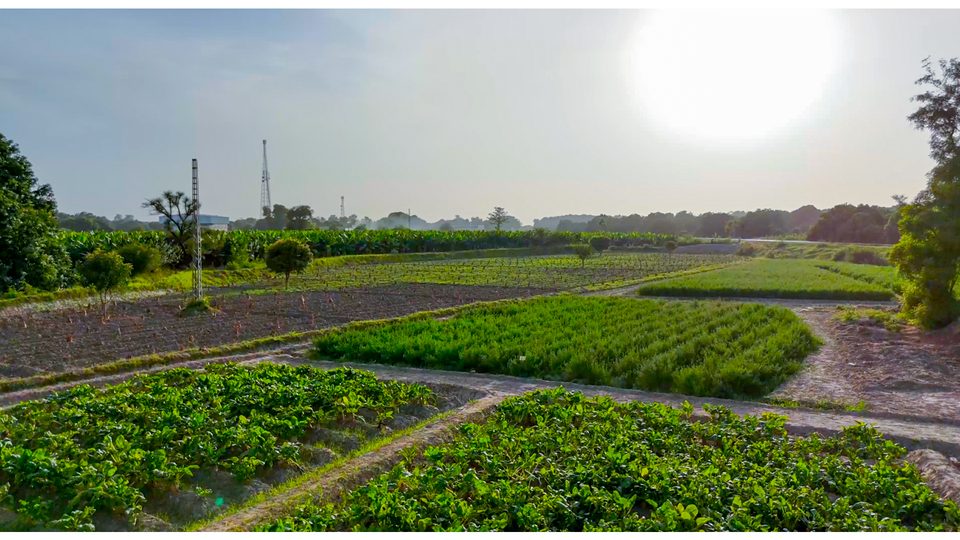
Kohenoor research and development seed plots where sprouting varieties are grown and selected

Mixed containers and logistics from Karachi

Almost every distributor order is a mixed-species container. A 20 ft box takes roughly 18 to 20 tonnes of bagged seed; with lighter seed such as alfalfa and clover the practical limit is usually pallet count rather than weight. A 40 ft box roughly doubles that. Each species is a separate lot with its own bags and certificates; pallets are stacked by species and the packing list is itemised by lot ID.

Standard terms are FOB Karachi, with CFR and CIF quoted on request. Payment is 100 percent TT against the bill of lading copy or an irrevocable letter of credit at sight, with easier terms for repeat buyers. In-stock lots are ready for vessel loading in 7 to 12 days. Karachi has regular sailings on the main trades, so routing to Northern Europe, the Mediterranean, the US East and West Coasts, Japan, Korea, Taiwan, Singapore, Hong Kong, the Gulf and Australia is straightforward.

Smaller first orders can go LCL or in a shared consolidation; the minimum per species stays at 500 kg. Our Dubai office supports Gulf buyers who want local follow-up, and our Australian office serves Oceania. The export desk replies within 24 hours in English, Arabic, Spanish or French.

Pallets of sprouting seed being loaded into an export container at Karachi

Market notes for importers

The notes below are general orientation for distributors considering sprouting seed in each region. They are not legal advice; import requirements change, and your customs broker and the national authority remain the final word. What does not change is that we supply the documentation and third-party test reports importers need to meet them.

European Union and United Kingdom

The EU has specific rules for sprouts and for seeds intended for sprouting: traceability requirements for every consignment, including lot identification, and certification requirements for imports from outside the EU. The EU also defines mustard and sesame as allergens that must be declared on the label. Organic claims require EU Organic certification or recognised equivalence. The UK retained similar sprouting and allergen rules after leaving the EU. We supply lot-level traceability records and support the consignment certification process alongside the importer.

United States

Importers of food into the United States are responsible under the Foreign Supplier Verification Program for verifying that their foreign suppliers meet US safety standards, which in practice means collecting the supplier's documentation, test reports and food safety system details. Sprout growers who buy the seed are subject to the sprout provisions of FDA's Produce Safety Rule and need seed from a documented supplier. Sesame is a declared major allergen in the US. We complete importer questionnaires and supply the lot documentation FSVP files are built on.

Japan

Seed imports pass plant quarantine inspection on arrival and food imports are notified to the quarantine authorities. Organic claims require JAS certification. Retail labelling must be in Japanese. Japanese buyers tend to ask for detailed specifications and consistent appearance; our Sortex-cleaned lots and per-lot COA suit that expectation.

Korea

Imported food is declared to the food and drug authority and seed is subject to plant quarantine; organic claims follow Korea's own certification or recognised equivalence. Korean importers often request independent laboratory reports at import, which our third-party microbiological testing supports.

Gulf Cooperation Council

Gulf markets generally follow GSO standards, require Arabic labelling alongside English, and expect a certificate of origin and other documents to be attested. Our Dubai office handles follow-up for Gulf distributors, and Jebel Ali is a short voyage from Karachi.

Australia and New Zealand

Australia's biosecurity import conditions for seed are set out species by species and must be checked before ordering; some sprouting species have specific conditions. Kohenoor is a member of the Australian Seed Federation and has an office in Australia, which helps when working through those conditions with your broker.
What retailer technical teams will ask about your sprouting seed, and the answers

Once a distributor has the seed in the warehouse, the next gate is the retailer's technical or quality team. Supermarket and health-food chain buyers run a supplier approval process for every new food line, and sprouting seed attracts closer attention than most dry goods because of its raw-consumption use. The questions are predictable. Here are the ones we see most, with the answers our documentation supports.

Question from the retailerAnswer supported by Kohenoor documentation
Who grew the seed and where?Kohenoor International, Hyderabad, Sindh, Pakistan, on managed fields with its research arm Noorani Seeds; lot ID traceable from field to bag to warehouse
Is the seed treated?No. Untreated natural seed, no fungicide, insecticide, colourant or coating; stated on the COA
What food safety system is behind it?ISO 9001 and HACCP certified; certificates supplied for the approval file
Has the lot been tested for pathogens?Independent third-party laboratory report for Salmonella and E. coli/STEC, per lot, on request; report references the lot ID
What are the purity and germination?ISTA Orange Certificate per lot; alfalfa sprouting lots ~99% purity, 90%+ germination, 0% dodder; other species lot-specific on the COA
How does a retail unit trace to a lot?Lot code on every unit, linked to the bulk lot ID in the packing record
Which allergens are present?Mustard and sesame flagged on the COA, including in blends
Is the packaging food-grade?Food-contact-approved packaging meeting FDA and EU food-grade requirements, with declarations available
What is the shelf life and how was it set?Alfalfa typically holds germination 18 to 24 months cool and dry; best-before set from the COA germination and test date with a buffer
Is organic available and certified?Yes, to USDA NOP, EU Organic or JAS, grown to order, with certificates and transaction certificates per lot
Can we audit the supplier?Yes: document audit, supplier questionnaire, traceability exercise, site visit or remote audit

We complete retailer supplier questionnaires on the distributor's behalf once and keep them current. It helps to send the retailer's template at the enquiry stage, before the first order, so the approval runs in parallel with the voyage rather than after it.

Documents by market, at a glance

MarketTypically required at import for seeds for sproutingTypically requested by trade customers
EU and UKPhytosanitary certificate; official certificate for seeds for sprouting; invoice and packing list with lot IDsLot traceability records, third-party pathogen report, allergen declaration, organic certificate where claimed
USAPhytosanitary certificate; FDA prior notice by the importer; invoice and packing listFSVP supplier file: food safety system description, COAs, pathogen reports, questionnaire
JapanPhytosanitary certificate; food import notificationDetailed specification, COA, laboratory reports, JAS certificate for organic
KoreaPhytosanitary certificate; import declarationIndependent laboratory reports, COA, organic equivalence documents
GCCAttested certificate of origin and invoice; phytosanitary certificateArabic labelling data, COA, food-grade packaging declaration
AustraliaPhytosanitary certificate meeting species-specific import conditions; import permit where requiredCOA, pathogen reports, supplier approval documentation

This table is orientation, not advice; requirements change and the importer's broker confirms the current list. Every item in the right-hand columns is something we supply as standard or on request.

Onboarding a new distributor: the first ninety days

Week 1: brief and documentsSend your target species, approximate annual volumes, destination port, pack formats and any retailer or regulator questionnaires. We reply within 24 hours with the current lot COAs, a sample document pack and a quotation FOB Karachi.
Weeks 1–3: samples and due diligenceSealed samples of offered lots by courier if required; your laboratory can run its own tests. We complete your supplier approval paperwork.
Weeks 3–5: first orderA mixed container or LCL consolidation of in-stock lots, 500 kg minimum per species. Payment by TT against B/L copy or L/C at sight. Loading within 7 to 12 days of order confirmation.
Weeks 6–10: transit and arrivalDocument pack sent before sailing, originals couriered. Your broker clears against the phytosanitary certificate, certificate of origin and invoice; you record lot IDs on receipt.
Weeks 10–13: range launch and reviewRetail launch; we review any feedback on packs, germination or documents and lock in a repeat schedule. Organic orders for later in the year are placed now against the 60 to 90 day lead time.

From that point the relationship is a schedule: the same contact at the export desk, the same lot discipline, and a document pack your team has already seen.

About Kohenoor International

Kohenoor International was founded in 1957 in Hyderabad, Sindh, Pakistan by the late Mr. Noor Muhammad Aleemi and is now led by the third generation of the family. It is a research forage seed company first, with Noorani Seeds as its research arm and Safa as its retail brand, and that research culture shapes how the sprouting range is produced: varietal purity, clean fields, 0 percent dodder, ISTA testing and a cleaning plant that runs Sortex optical sorters.

The company is ISO 9001 and HACCP certified, issues ISTA-tested lots with an Orange Certificate per lot, ships under IPPC phytosanitary certificates, and is a member of the Australian Seed Federation. It has offices in Pakistan, Dubai and Australia and exports more than 60 seed products to over 70 countries. The sprouting and microgreen range is food-grade and untreated across 20 or more varieties, with independent pathogen testing available on every lot and a Certificate of Analysis within 24 hours.

We do not publish prices, because seed and freight move. Send the export desk your species list, volumes and port, and you will have a quotation and the current certificates within a day.

See the seed, the lab and the loading

Sprouting seeds we export

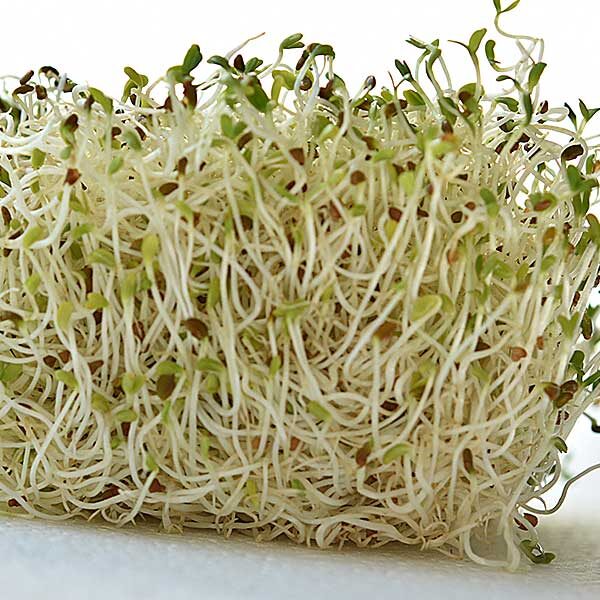
Alfalfa sprouting seed
Alfalfa sprouting seedKN92-grade sprouting lots, ~99% purity, 90%+ germination, 0% dodder. MOQ 1 MT.
Specifications →
Fenugreek (methi) seed
Fenugreek (methi) seedMethi seed for bitter-sweet sprouts and microgreens. ISTA-tested per lot.
Specifications →
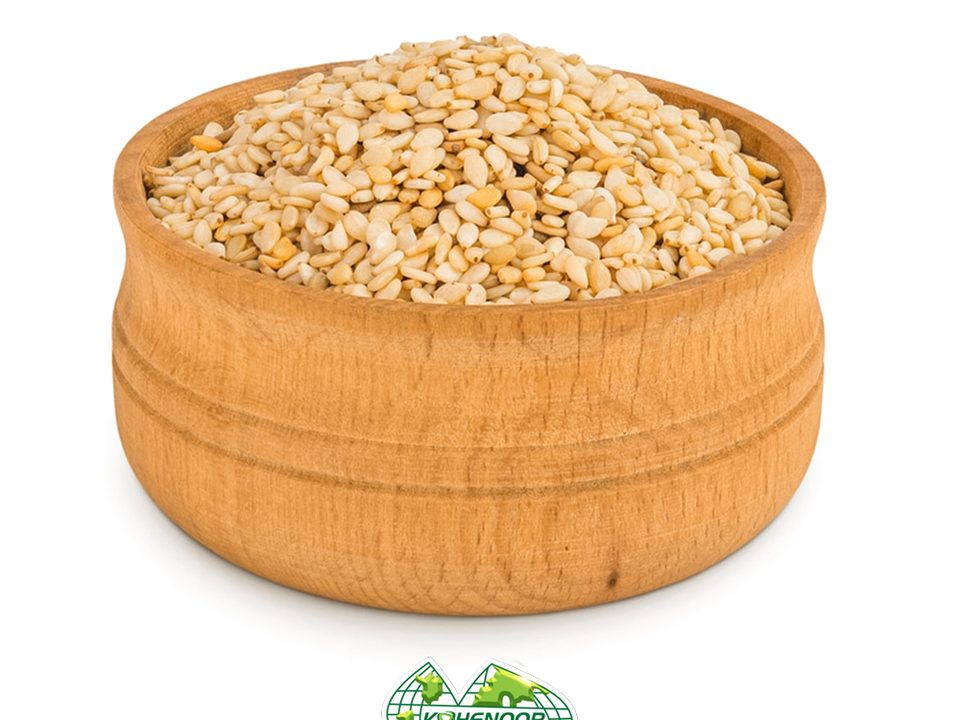
Sesame seed
Sesame seedWhite and black sesame for sprouting, soaking and sprouted-food lines.
Specifications →
Chickpea sprouting seed
Chickpea sprouting seedWhole chickpea for crunchy sprouts and hummus-style sprouted products.
Specifications →

Talk to a real person — quote within 24 hours

Send your product, quantity and destination port. The export desk replies personally with a quotation, current lot certificates and a shipping schedule — no bots, no obligation.

export@kohenoorint.com

Frequently asked questions

Can you supply retail-ready packs or must we repack ourselves?

Both. The standard unit is a 25 kg lot-tagged bag for your own packing line, but we also supply retail-ready pouches, clamshells and sleeves, typically 50 g to 500 g, with lot codes linked to the bulk lot, and private-label versions of either.

What documents come with a shipment?

Commercial invoice, packing list by lot, ISTA test report, Certificate of Analysis, independent microbiological report on request, IPPC phytosanitary certificate, certificate of origin, organic certificates for organic lots, and the lot traceability records and consignment documentation importers use for EU 208/2013 and 211/2013 and US FDA expectations.

How long does sprouting seed keep?

Kept cool and dry, alfalfa typically holds germination for 18 to 24 months; other species are broadly similar when properly dried. Most distributors set a best-before of 12 to 24 months from packing with a buffer, using the COA germination and test date as the starting point.

Is organic sprouting seed available?

Yes, certified to USDA NOP, EU Organic or JAS, with a minimum of 5 MT per order and a 60 to 90 day lead time because lots are grown to order on certified ground.

Can one container mix several species?

Yes. Each species is packed and certified as its own lot, pallets are stacked by species and the packing list is itemised by lot ID. Minimum 500 kg per species, 1 MT for alfalfa sprouting lots.

Which allergens should I watch for in a sprouting range?

Mustard is a declarable allergen in the EU and several other markets; sesame is a declarable allergen in the EU and the United States. Our COA flags both so your labelling team can declare them correctly.

What are the payment and delivery terms?

FOB Karachi standard, CFR or CIF on request. Payment 100 percent TT against the bill of lading copy or an irrevocable letter of credit at sight; easier terms for repeat buyers. In-stock lots load within 7 to 12 days.

Are you approved by the EU or FDA?

Seed suppliers are not approved by those authorities as such. What we do is supply the lot-level documentation and independent third-party test reports that importers, sprout growers and retailers need to meet EU and US requirements, and we complete supplier questionnaires on request.

Related pages

WA