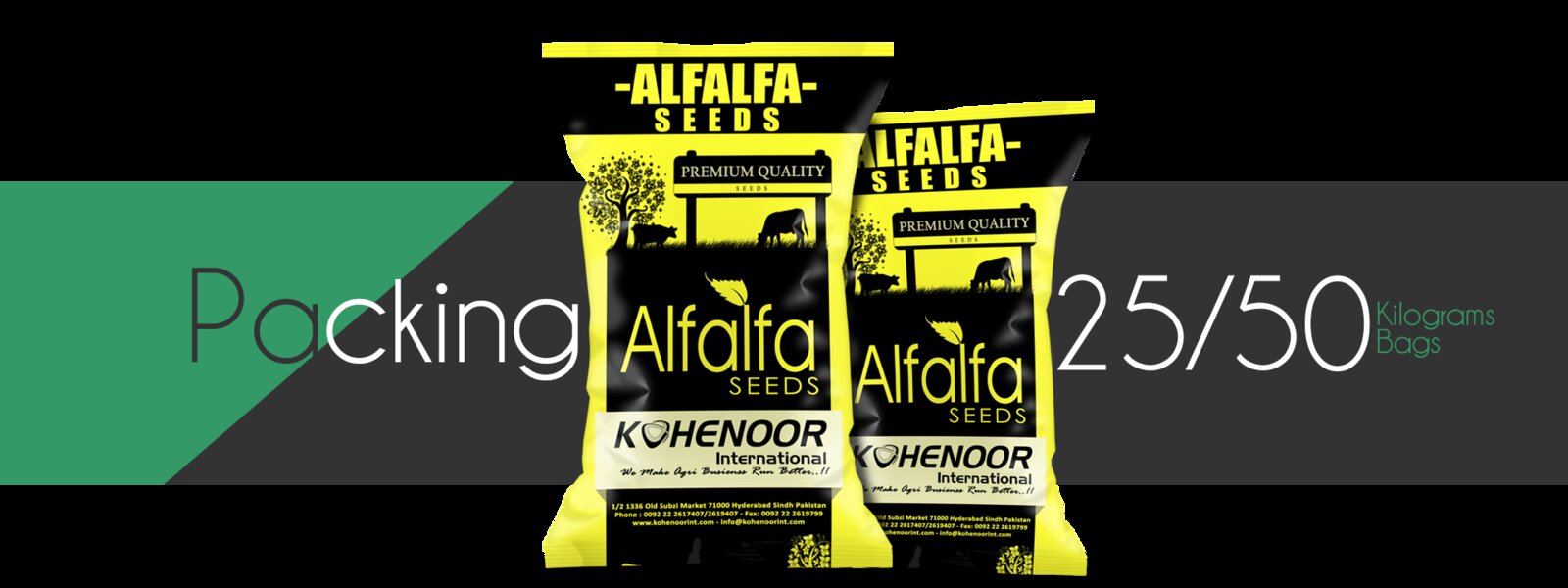
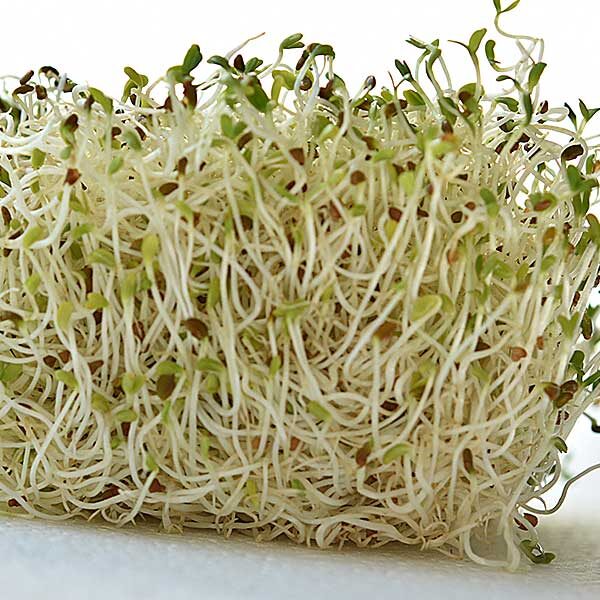
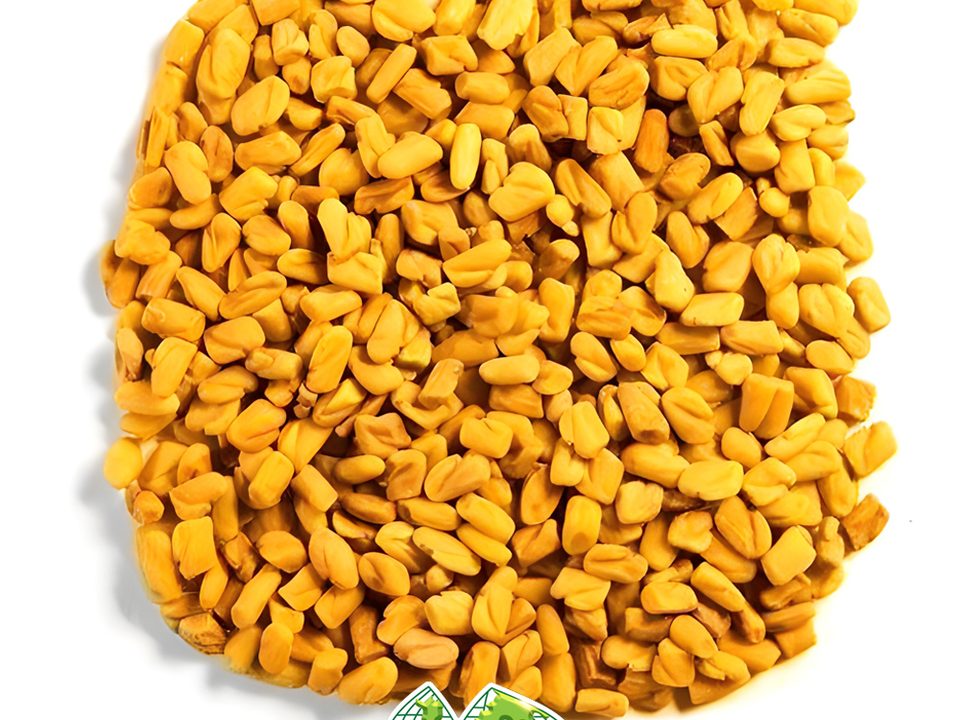
From 25 kg bulk to 50 g–500 g retail packs · your artwork, our seed and lot codes · a 6–8 SKU range from a single supplier
A sprouting range is one of the easiest categories to private-label and one of the hardest to keep consistent. The seed is the product; there is no recipe to hide behind. Kohenoor International supplies brands with untreated, Sortex-cleaned, ISTA-tested sprouting seed packed under your label, in retail pouches, clamshells, sleeves or bulk bags, with lot codes that tie every retail unit back to a tested 25 kg lot and a field in Sindh. This page explains how OEM packing works, what your label needs to carry, and how to launch a full range from one supplier.
WhatsApp +92 310 4929292 Get a quote in 24h
Sprouting seed has most of the characteristics a brand owner looks for in a private-label category. It is shelf-stable for a year or more, light to ship relative to value, bought repeatedly by the same consumers, and it sells on brand trust rather than on a formulation that a competitor could copy. A good pouch of alfalfa or radish seed, with clear instructions and a story about where it came from, is a loyalty product.
It is also unforgiving. Three failure modes account for most private-label sprouting ranges that stall:
The fix for all three is the same: buy the whole range from one origin that grows, cleans, tests and packs it, and insist that every retail unit carries a lot code that leads back to a certificate. That is what we do for brands, and the rest of this page is the detail.

We pack sprouting seed under customer brands in two families of format: retail-ready units for the shelf and bulk bags for brands supplying trade customers or running their own packing lines.
| Format | Typical sizes | Best for | Notes |
|---|---|---|---|
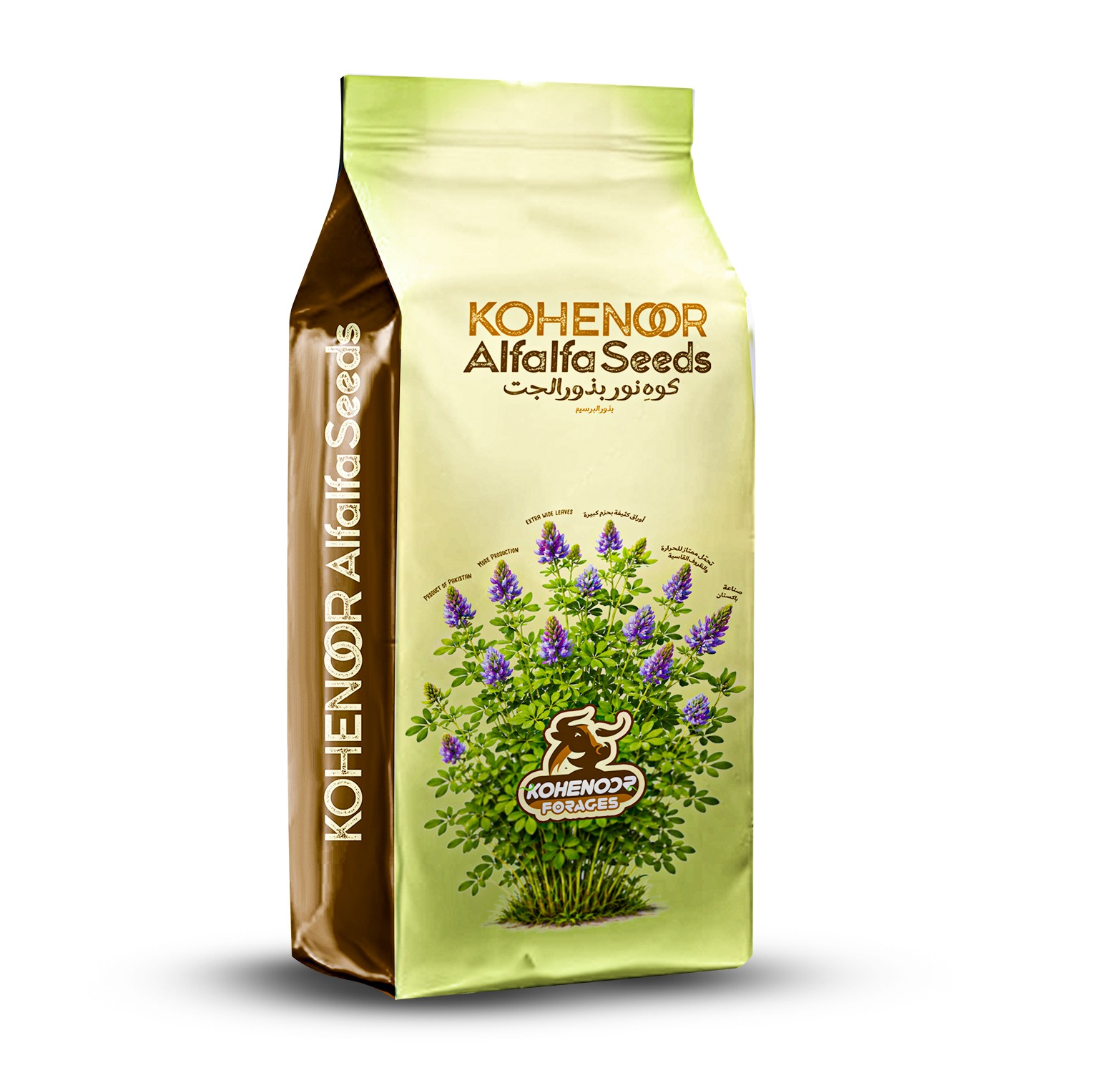
| Stand-up pouch, zip or heat-seal | 50 g, 100 g, 200 g, 250 g, 500 g | Supermarket and online retail | Printed film or printed label on plain pouch; window optional |
| Clamshell | 100 g to 500 g | Health-food and farm-shop display | Shows the seed; label on lid or sleeve |
| Sleeve over pouch or jar | Any | Premium gift and kit ranges | Full-colour card sleeve, pouch inside |
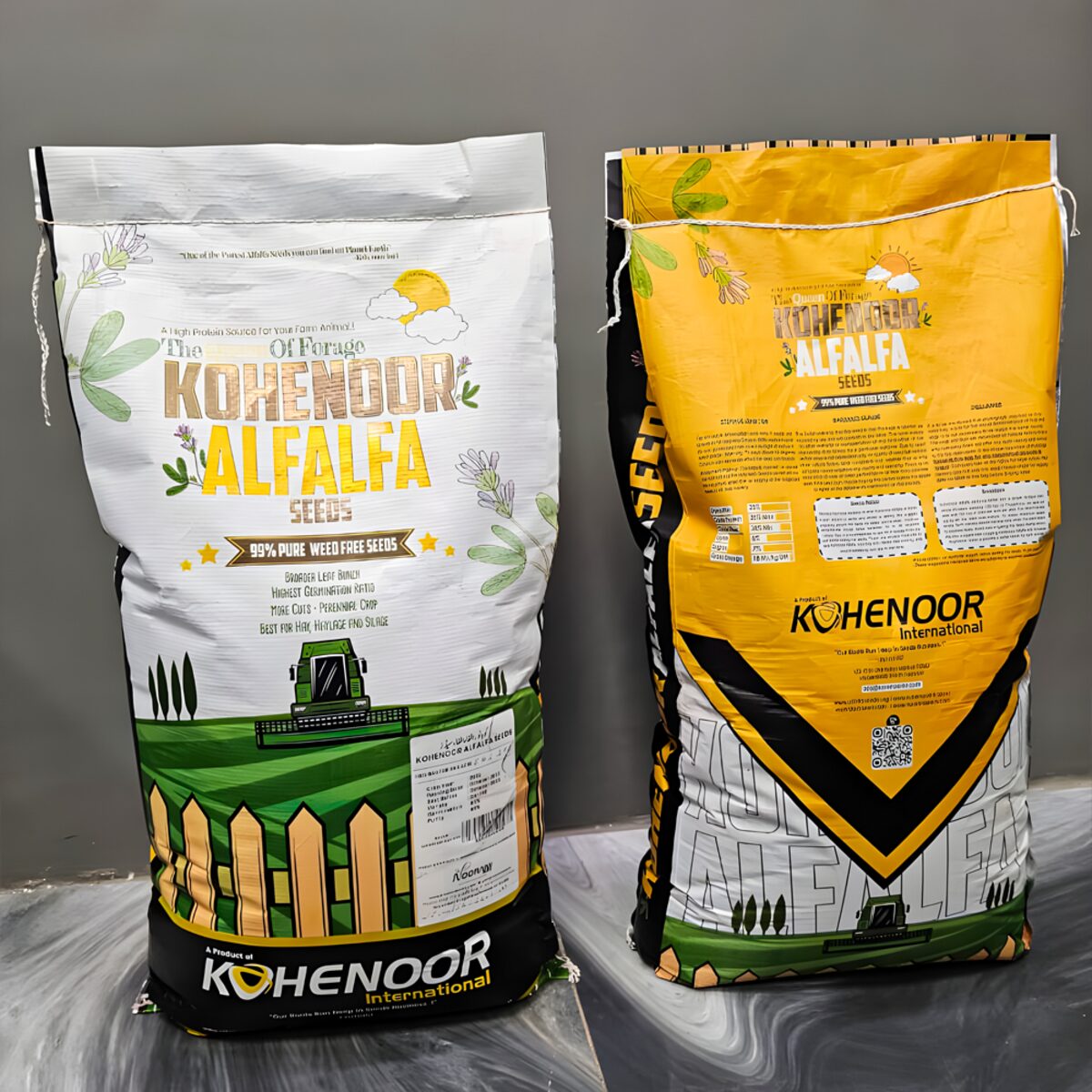
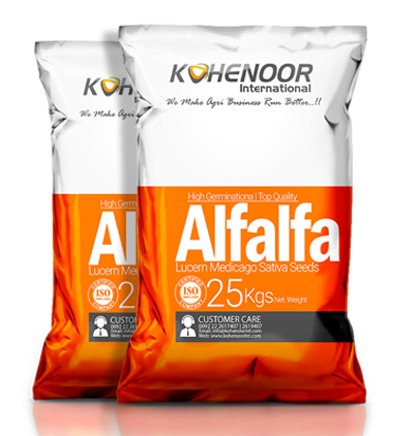
| Bulk 25 kg woven PP bag, poly-lined | 25 kg | Brands supplying growers, wholesalers or own packing line | Printed bag or printed label; sealed lot tag always present |
| Inner bags in a 25 kg outer | 1 kg, 2 kg, 5 kg | Trade customers and small growers | Each inner carries the lot code |
All packaging is food-contact-approved and meets FDA and EU food-grade requirements. For retail units we pack in a food-handling environment under our HACCP system, with the lot code and best-before applied per unit.
Minimum order per species is 500 kg of seed (1 MT for alfalfa sprouting lots), regardless of how it is divided into retail units. In a 100 g pouch that is 5,000 units of a SKU; in a 250 g pouch 2,000 units. Printed-film pouches typically have their own print minimums from the converter, so for a first run many brands use a plain pouch with a printed label and move to printed film once the SKU is proven.
Sprouting seed is a food, and the label is regulated as a food label in the destination market. We are not your legal adviser and the final text is your responsibility, but we have packed for enough markets to give your designer a solid checklist and to supply every piece of data the label needs.
| Label element | What to put | Where the data comes from |
|---|---|---|
| Product name | Species and type, e.g. "Alfalfa sprouting seed", "Radish (daikon) seed for sprouting" | Our COA names species and type |
| Intended use | "Seed for sprouting / microgreens. Not for sowing in the field." Many brands add "untreated" | All our sprouting seed is untreated |
| Net weight | Metric, plus imperial where the market expects it | Your pack specification |
| Lot code | Per unit, linked to the bulk lot | Our lot ID, or your code mapped to it |
| Best-before date | Typically 12 to 24 months from packing, species dependent | COA germination and test date; your buffer |
| Country of origin | "Product of Pakistan" or market-specific wording | Certificate of origin |
| Allergen declaration | Mustard (EU and several markets); sesame (EU and USA); "may contain" statements per your policy | Flagged on the COA for mustard, sesame and blends containing them |
| Storage instructions | "Store cool and dry, sealed. Reseal after opening." | Our storage guidance |
| Sprouting instructions | Soak time, rinse frequency, days to harvest, by species | We provide species-level starting instructions for your copywriter |
| Safe handling note | Rinse before use; follow instructions; consumers in vulnerable groups should follow their national health advice on raw sprouts | Standard good practice |
| Business name and address | Your brand, as the responsible food business in the market | Yours |
| Barcode, recycling marks, organic logo where applicable | Per retailer and market | Yours; organic logo only on certified lots |
Two points catch brands out repeatedly. First, mustard and sesame are declarable allergens in major markets, so a "spicy mix" containing mustard or any sesame SKU needs the declaration in the required format. Second, the organic logo can only appear on units packed from certified organic lots, which are grown to order from 5 MT with a 60 to 90 day lead time; mixing conventional and organic claims across a range needs clear separation of lots and artwork.

Every 25 kg bulk lot we produce carries a lot ID on its sealed tag. That ID is linked to the field record, the cleaning run, the ISTA purity and germination test, the independent microbiological report where one was run, and the export documents. When we pack retail units for a brand, the retail lot code is either our lot ID printed directly or your own code, which we map one-to-one to our lot ID in the packing record.
For blends, the blend is bagged as its own lot with a blend lot ID, and the component lots are recorded behind it, so a spicy mix traces to its radish, mustard and cress lots individually.
The reorder is where private-label ranges are made or broken. Consumers who liked the first pouch expect the second to behave identically, and the brand has no way to deliver that unless the supplier does. Our approach has five parts.
Kohenoor is ISO 9001 and HACCP certified, and the sprouting range is handled as food throughout. The point of all this is not the certificates themselves but that your second, fifth and twentieth order come from the same system as your first.
Many private-label sprouting ranges launch with between six and eight SKUs: enough to own a shelf section and give the consumer a choice, few enough to manage stock and artwork. A proven structure, built entirely from our range, looks like this:
| SKU | Role in the range | Consumer promise | Pack size suggestion |
|---|---|---|---|
| Alfalfa | Anchor, highest volume | Mild, fine, the classic sprout | 100 g / 250 g |
| Radish (daikon or rose) | Flavour lead | Peppery, fast, colourful | 100 g / 250 g |
| Mung bean | Kitchen staple | Bean sprouts at home | 250 g / 500 g |
| Clover (red or crimson) | Alfalfa alternative | Sweet, mild, pretty stems | 100 g |
| Fenugreek (methi) | Wellness and world-food angle | Bitter-sweet, aromatic | 100 g / 250 g |
| Chickpea | Protein and crunch | Sprouted hummus, salads | 500 g |
| Spicy mix (radish, mustard, cress) | Signature blend | Heat and bite for sandwiches | 100 g |
| Salad mix (alfalfa, clover, radish) | Signature blend | Balanced everyday sprout mix | 100 g / 250 g |
Optional extensions once the core sells: a microgreen trio of mustard, cress and basil; fennel or onion for the gourmet shelf; black and white sesame for the soaking and sprouted-seed audience; and an organic tier of the top two or three SKUs, planned ahead against the 5 MT minimum and 60 to 90 day lead time.
Buying the whole range from one origin means one container, one set of certificates, one allergen review, one lot-code convention, one person to call. Freight is shared across SKUs, the minimum per species is 500 kg rather than a separate MOQ per supplier, and the technical file you build for your first retailer covers every SKU at once. It also means the range looks and behaves like a range: the same cleaning standard and the same lab behind every pouch.
The back of the pouch is where a private-label sprouting brand wins or loses its repeat customer. Clear, species-specific instructions produce good sprouts in the consumer's kitchen; generic instructions copied across the range produce slimy alfalfa and unsprouted chickpeas. The table below gives typical starting points for home sprouting in a jar or tray, as commonly reported by growers and brands. Your copywriter should adapt them to your pack format and market, and your own kitchen trials should confirm them for each lot.
| SKU | Soak | Rinse | Typical days to harvest | Consumer tips worth printing |
|---|---|---|---|---|
| Alfalfa | 4–8 hours | 2–3 times daily | 5–7 | Drain well; a few hours of indirect light at the end greens the leaves |
| Radish | 4–8 hours | 2–3 times daily | 4–6 | Strong flavour; harvest early for milder taste |
| Mung bean | 8–12 hours | 2–3 times daily | 3–5 | Keep in the dark for white, crisp sprouts; weight on top gives thicker stems |
| Clover | 4–8 hours | 2–3 times daily | 5–7 | As alfalfa; sweeter, pretty red stems on crimson types |
| Fenugreek | 6–8 hours | 2–3 times daily | 3–5 | Drain thoroughly; the coat is sticky; mild bitterness is normal |
| Chickpea | 12 hours | 2–3 times daily | 2–4 | Harvest at a short tail; cook or eat raw per preference |
| Spicy mix (radish, mustard, cress) | None or very short | Mist, do not flood | 5–8 | Mustard and cress are mucilaginous; grow on a tray or paper rather than in a jar |
| Salad mix (alfalfa, clover, radish) | 4–8 hours | 2–3 times daily | 5–7 | Components are matched for timing so they harvest together |
Three lines belong on every pack regardless of species: rinse the seed before soaking, use clean water and a clean container, and keep sprouts refrigerated and eat them within a few days of harvest. A short note that people in vulnerable groups should follow their national health advice on eating raw sprouts is standard good practice and is appreciated by retailers' technical teams.
We supply this species-level guidance for every SKU we pack, together with the lot's germination figure, so your best-before and your instructions are built on the actual seed in the pouch rather than on a generic template.
Every food brand gets complaints. What distinguishes a well-run private-label sprouting range is that complaints are resolved with data in days rather than with refunds and guesswork. The lot code on the pouch is the tool, and the process below is the one we support for the brands we pack for.
Two preventive measures cut complaints sharply: species-specific instructions on the pack, and a storage line that tells the consumer to keep the pouch sealed, cool and dry. Most "seed that did not grow" reports trace back to a pouch stored open above a warm cooker, and a single sentence on the label prevents many of them.
When a complaint does point at the seed, the lot code limits the scope: one bulk lot, a known number of retail units, a known set of retailers. That is the difference between a controlled withdrawal and a range-wide recall, and it is why we will not pack retail units without a lot code on each one.
A brand's technical file is only as good as the supplier documents inside it. Each private-label shipment comes with:
We complete retailer and importer supplier questionnaires once and keep them current for repeat orders. The food safety and testing page explains each document and regulation in plain language, written for the brand manager rather than the lawyer.
We do not publish prices, because seed and freight move with the season. What we can do is explain what moves the landed cost of a retail unit so you can model a range before asking for a quotation.
Send the export desk your SKU list, pack sizes, unit quantities and destination port and you will have a quotation and the current lot certificates within 24 hours, by WhatsApp or email.
Kohenoor International has grown and exported seed from Hyderabad, Sindh since 1957 and is led today by the family's third generation. We are a research forage and sprouting seed company with our own research arm, Noorani Seeds, and our own retail brand, Safa, so we understand both ends of the private-label relationship: the field and the shelf.
The sprouting range runs to 20 or more varieties, all untreated, Sortex-cleaned and ISTA-tested per lot, with independent pathogen testing on request and a Certificate of Analysis within 24 hours. We are ISO 9001 and HACCP certified, a member of the Australian Seed Federation, with offices in Pakistan, Dubai and Australia, and we export more than 60 seed products to over 70 countries. In-stock lots ship FOB Karachi within 7 to 12 days; organic lots are grown to order.
Your brand goes on the front of the pouch. Our lot code goes on the back. Both of us have an interest in what grows out of it.


Send your product, quantity and destination port. The export desk replies personally with a quotation, current lot certificates and a shipping schedule — no bots, no obligation.
WhatsApp +92 310 4929292 export@kohenoorint.com500 kg of seed per species (1 MT for alfalfa sprouting lots), however it is divided into retail units. In 100 g pouches that is 5,000 units; in 250 g pouches 2,000 units.
Both. Stand-up pouches, clamshells and sleeves from about 50 g to 500 g, inner bags of 1 to 5 kg inside a 25 kg outer, and 25 kg bulk bags printed or labelled with your brand.
Either our lot ID printed directly or your own code mapped one-to-one to our lot ID in the packing record. Each retail unit traces to one ISTA-tested bulk lot with its Certificate of Analysis and third-party pathogen report.
Mustard is a declarable allergen in the EU and several other markets; sesame is declarable in the EU and the United States. Our COA flags mustard, sesame and any blend containing them so your designer can include the declaration.
Yes. We provide species-level starting instructions, soak time, rinse frequency and typical days to harvest, for your copywriter to adapt to the pack and market.
Six to eight is the usual sweet spot: alfalfa, radish, mung bean, clover, fenugreek, chickpea and one or two signature blends, all available from our range, with microgreen, gourmet and organic tiers added later.
Yes, from certified lots under USDA NOP, EU Organic or JAS, grown to order with a 5 MT minimum and 60 to 90 day lead time. The organic logo may only appear on units packed from those lots.
Send your SKU list, pack sizes, unit quantities and destination port to the export desk on WhatsApp +92 310 4929292 or export@kohenoorint.com. You will have a quotation and the current lot certificates within 24 hours.