Untreated · Sortex-cleaned · ISTA-tested · COA per lot · 25 kg bags · MOQ 500 kg
Mung bean sprouts are the highest-volume sprout on earth — the thick, white, juicy bean sprout of East and South-East Asian cooking, now sold in every supermarket from Seoul to Sydney to Stuttgart. Kohenoor supplies untreated, food-grade Vigna radiata sprouting lots from Pakistan, a major mung-growing origin, Sortex-cleaned and ISTA-tested at origin with lot-specific purity and germination on the COA and the full export document set.
WhatsApp +92 310 4929292 Get a quote in 24h
Mung bean sprouts are the germinated seedlings of Vigna radiata, the small green gram of South Asian dal and East Asian cooking, grown in the dark for three to five days until the hypocotyl is a thick, white, crisp stem 5–8 cm long with the pale yellow bean still attached at the top. They are the sprout most people picture when they hear the word: the crunchy strands in a stir-fry, a pad thai, a Vietnamese pho or a Korean sukju namul. Unlike alfalfa or radish they are usually cooked, briefly, which puts them in a different food-safety category and a far larger market.
The volumes are enormous. China, Korea, Japan, Taiwan, Vietnam and Thailand each have an industrial bean-sprout sector running automated dark-sprouting rooms around the clock. In Europe, the Netherlands and Germany host large producers who supply the whole continent's supermarket "fresh bean sprouts" and the Asian food-service trade; the UK, France and Scandinavia follow. In the United States and Australia the product is a supermarket staple sold loose or in 250–500 g bags. The Gulf — Dubai, Riyadh, Doha — imports bean sprouts by air and increasingly grows them locally, which is where new seed demand is appearing. In every one of these markets the producer's business lives or dies on seed that germinates fast, evenly and almost completely.
Who eats them? Everyone who eats East or South-East Asian food, which is a large share of the world. In South Asia the whole mung bean is sprouted shorter — a day or two, until the root just shows — and eaten in salads, chaat and lightly cooked dishes, which is a second, distinct market for the same seed. For a sprout producer, mung is not a line in the range; it is often the range, and everything else is added around it.
Formats vary by market. In East Asia and Australia, bean sprouts are sold loose by weight and in 250–500 g bags; in Europe they appear in 200–300 g chilled bags and in the fresh stir-fry kits of the major supermarkets; in North America in bags and clamshells. The whole-bean short sprout for salads is a smaller, growing line in European and North American health-food retail. Demand is continuous and large — bean-sprout plants run seven days a week — and producers contract seed for the year, sometimes for longer, because a change of lot shows up at once in the bin.
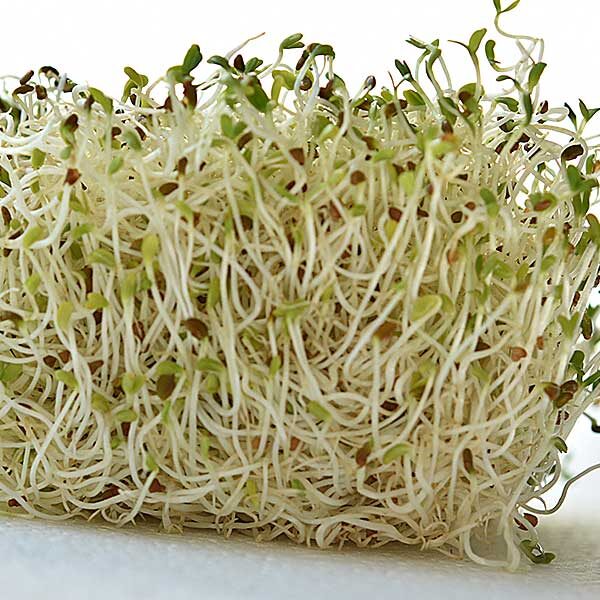
Mung bean sprouts are typically very low in calories and high in water, and for that small energy contribution they bring vitamin C, folate, vitamin K and a spread of minerals including potassium. The bean itself is a protein-rich legume, and sprouting is known for mobilising part of that protein into free amino acids, for raising the vitamin C content from near nothing in the dry seed, and for reducing the compounds — phytates, oligosaccharides — that make raw legumes harder to digest. The sprout is, in effect, a fresh vegetable with a legume's protein behind it, which is why it has a place in so many traditional diets.
For the consumer the appeal is texture and versatility. A fresh bean sprout is crisp and juicy, takes up sauce without going limp, and cooks in a minute. For the retailer it is a cheap, fast-turning fresh line with year-round supply. For the health-food distributor, mung is the seed in the beginner's home-sprouting kit because it is large, visible, quick and almost impossible to fail with; the whole-bean short sprout for salads is a growing line in that channel in Europe and North America.
Quality, again, is in the seed. A good lot gives thick, straight, white sprouts of even length with few loose beans and little root. A poor lot — low germination, mixed seed sizes, old seed — gives thin, bent sprouts, a layer of unsprouted hard beans at the bottom of the bin and a product that browns and softens in the bag within a day. Producers who have switched lots know the difference is visible in the first rinse.
Industrial bean-sprout production is a specialised, highly tuned process, and the numbers below are typical ranges reported by producers rather than a recipe. Your own system — bin, drum or rotating-pressure — will have its own set points.
Three seed properties drive the outcome. Germination — any bean that does not sprout is dead weight, a rot risk and a reject. Uniformity of seed size — beans of the same size take up water at the same rate and emerge together, so the whole bin reaches harvest on the same day; a mixed-size lot sprouts in waves. And skin integrity — cracked or chipped beans split in the soak, leak starch into the water and become the first place spoilage starts. Sortex optical sorting addresses the second and third directly, and our germination testing the first.
The common faults a producer meets with mung are well known. A layer of unsprouted beans at the bottom of the bin points to an old lot, mixed seed sizes or fumigated seed; the cure is a current-season, sized, unfumigated lot. Thin or bent stems point to insufficient pressure or to low germination leaving the mass too loose. Pink stems and green tips point to light leaking into the room. A sour smell in the soak water points to split beans or warm water; a cleaner lot and cooler water usually settle it. And excessive root growth, which the market dislikes, points to a room that is too warm or a harvest a day late.
Mung beans are traded in huge volumes as a food commodity for dal and cooking, and food-commodity mung is not sprouting seed: it may be a mixed-variety lot of mixed sizes, it is often months or years old, it is not germination-tested and it may have been fumigated in store. Your purchase specification should be explicit. Our sprouting lots are documented against the following.
| Parameter | What to ask for | Kohenoor mung sprouting lots |
|---|---|---|
| Germination | Minimum %, ISTA method, current-season test | Lot-specific on ISTA certificate and COA |
| Physical purity | Minimum % pure, whole seed | Lot-specific on COA |
| Size uniformity | Sized lot; state the screen range if you have a preference | Screen-sized and optically sorted |
| Damaged / split / insect-bored seed | Maximum % | Removed by gravity and optical sorting |
| Other crop / weed seed and inert matter | Maximum, no stones or soil | Within purity figure |
| Moisture | Maximum % for safe storage | Stated on COA |
| Treatment status | Untreated, unfumigated, uncoated — in writing | Untreated — on COA and tag |
| Microbiology | Salmonella, E. coli/STEC, third-party laboratory | Per lot on request |
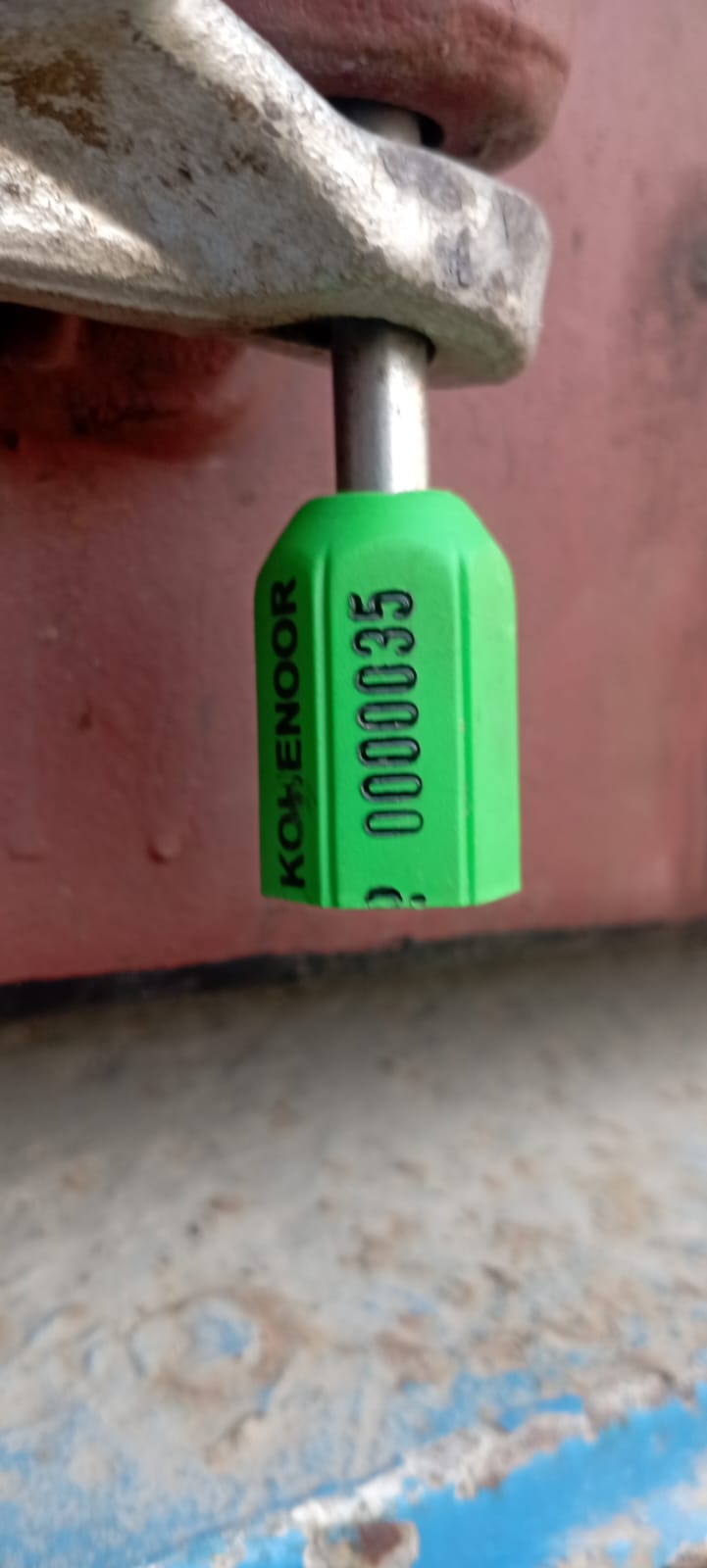
| Traceability | Lot ID on every bag | Sealed lot tags, field→bag→warehouse |
Insist on a current germination test. Mung beans look identical at 95% and at 70% germination, and old commodity stock is where disappointing bins come from. Insist too that the seed is unfumigated: residual fumigant depresses germination and has no place in a food sprouted within days.
Many bean-sprout producers have a preferred seed size — some systems want a small, uniform bean for a finer sprout, others a larger one — and a preferred coat colour (bright green, not dull or mottled). Tell us; we size lots and can match an existing sample.
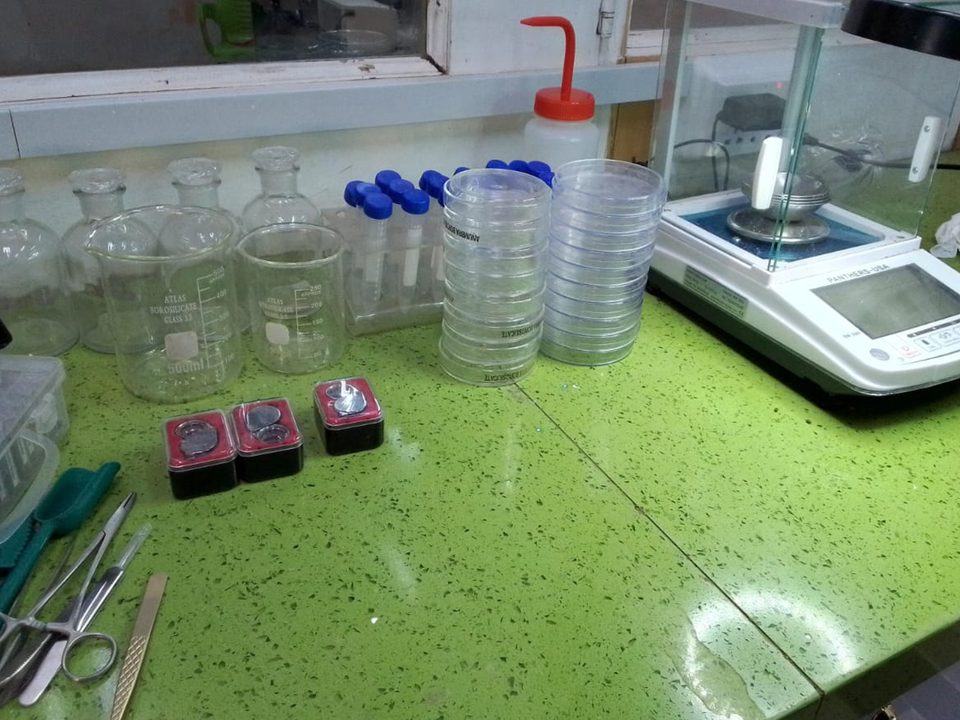
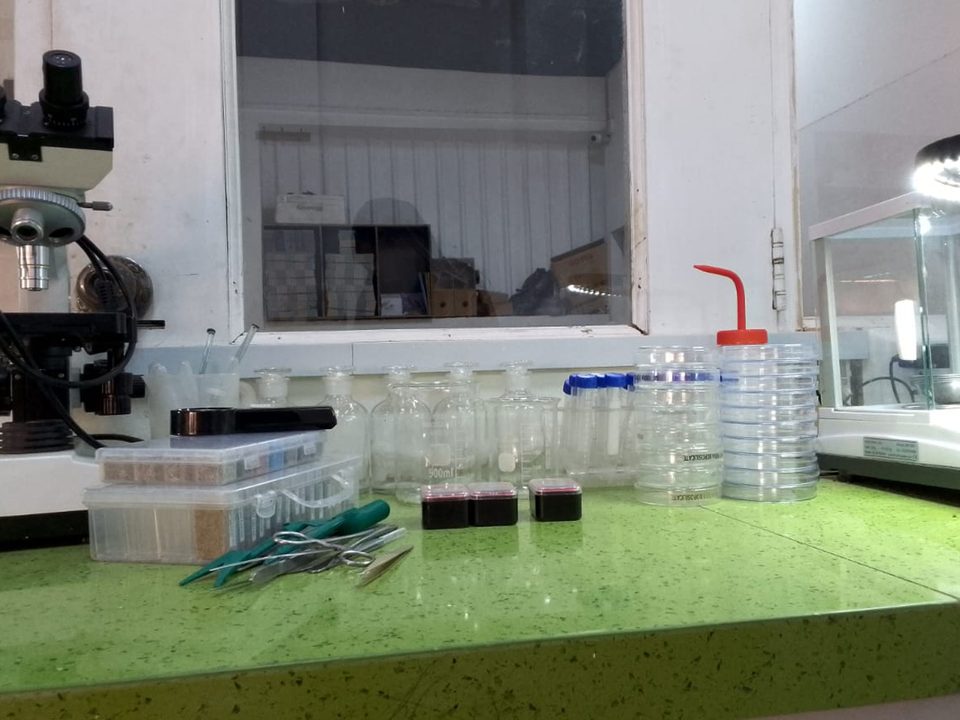
Incoming-quality checks are quick. On arrival, draw a sample from several bags, count out four lots of one hundred beans, soak for eight hours and germinate on moist paper in the dark at around 22–25 °C; count normal seedlings at three to four days and compare with the COA. Look over a handful for splits, chips and insect holes, check the colour is bright and even, and pass the sample through a screen if you have a preferred size. Photograph anything that does not match the documents and send us the lot ID the same day; retained samples let us compare.
Pakistan is one of the world's established mung-growing origins, and Sindh's long, hot, dry season produces a seed crop that ripens evenly and is harvested at low moisture. That protects germination and vigour — mung loses both quickly if it is harvested wet or stored warm — and it keeps mould counts low from the start. The alternative, commodity mung from a trading house, may be a blend of origins and seasons of unknown age; for cooking that is fine, for sprouting it is a gamble.
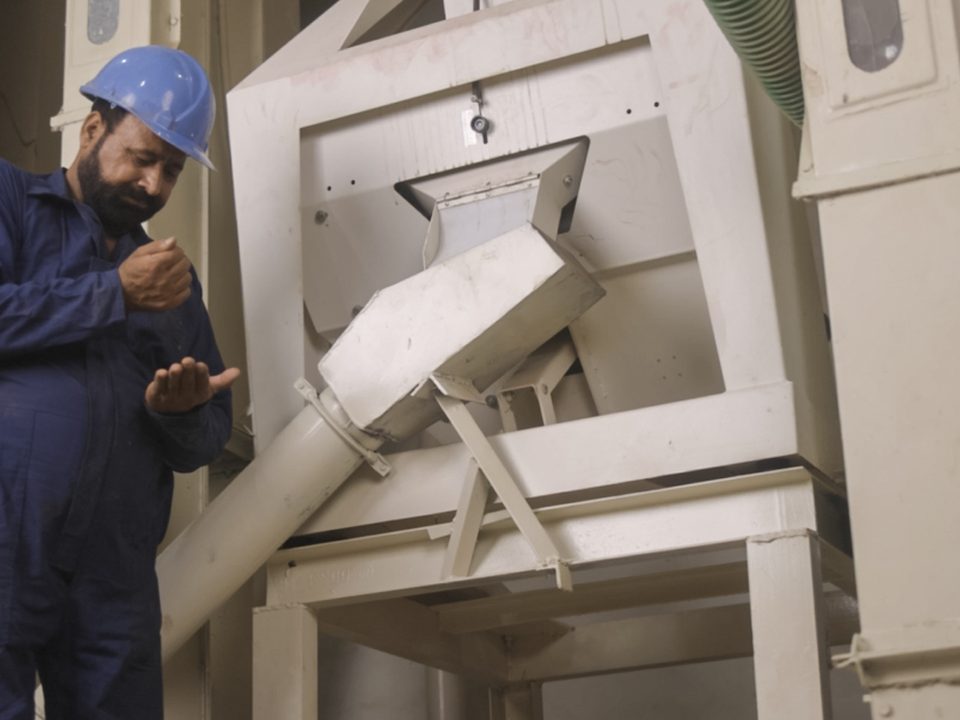
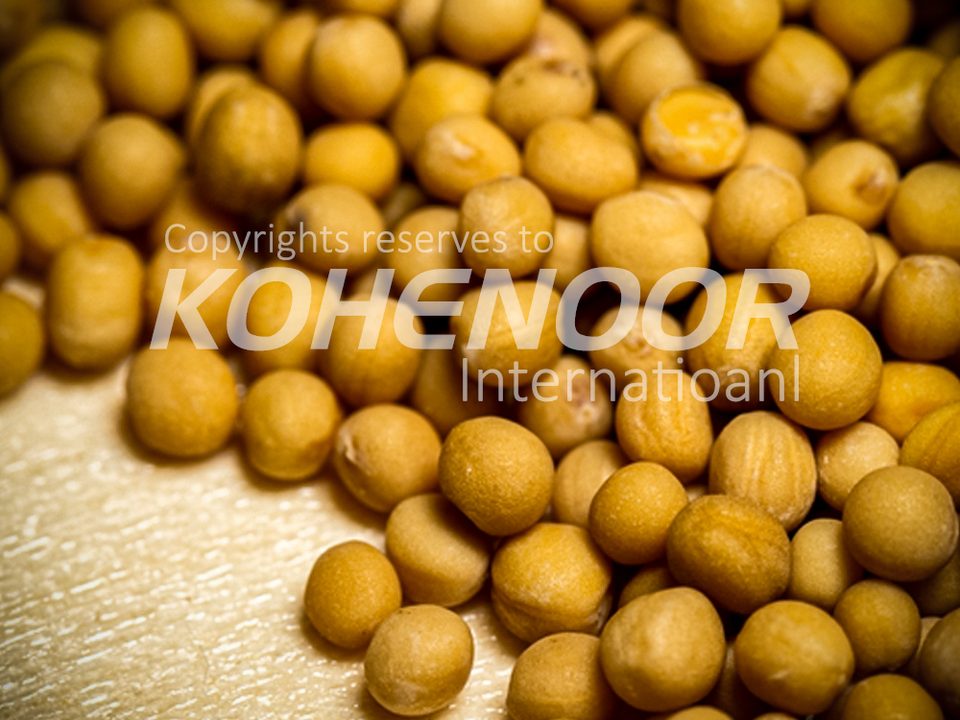
Cleaning mung for sprouting is about three things: size, damage and colour. The harvested crop carries pod and stem fragments, soil, small stones, immature shrivelled beans, split or cracked beans from threshing and, in some seasons, insect-bored beans. Our line screens the lot into a uniform size range, removes light and immature seed and stones on the gravity table, and then passes every bean through Sortex optical sorting, which rejects anything split, chipped, bored, discoloured or off-type. What arrives in your bin is a lot of bright green, whole, uniform beans that will take up water together and sprout together.
Mung is not a dodder crop, but off-type legume seed — other Vigna species, small cowpea — and weed seed of similar size are the usual contaminants, and both are removed by the optical pass. Because the grower, cleaner and exporter are the same company, the lot has a single, continuous history under its lot ID.
Mung bean sprouts are usually cooked, but the seed is still regulated as seed for sprouting in the major markets and the full document set applies. Many bean-sprout producers are also licensed sprout establishments supplying raw sprout lines, so their auditors expect the same paperwork across all seed. The export desk prepares it for each consignment.
Kohenoor is ISO 9001 and HACCP certified, with the HACCP plan covering the segregation of untreated food-grade lots, cleaning-line hygiene, sampling and retained samples. The food safety and testing page describes the programme.
Mung lots for the sprouting programme are selected from the current season's harvest, from fields with clean histories, and brought straight onto the food-grade cleaning run rather than into commodity storage. Each lot is sampled under ISTA rules and tested in our laboratory for germination, purity and moisture before release, then sent for the ISTA Orange Certificate.
Every mung lot is also test-sprouted in the dark under light pressure, because this is a seed where the bin tells you what the paper cannot: speed of emergence, evenness, stem thickness, how many beans are left unsprouted at the bottom, and whether the soak water stays clean. A lot that is slow or uneven goes to the food trade, not to a sprout producer. Only lots that pass both the laboratory test and the sprouting trial are tagged as sprouting seed.
The cleaning sequence is screen sizing, gravity separation and Sortex optical sorting with documented clean-down between lots. Bags are filled, weighed, sealed and tagged with lot ID, species, size range, test date and net weight; retained samples are kept from every lot. The lot ID links field record, cleaning record, laboratory results, sprouting trial and microbiology report.
A person on the export desk — Pakistan, Dubai or Australia — answers within 24 hours with the lot documents and stays with the order until it is cleared at your port.
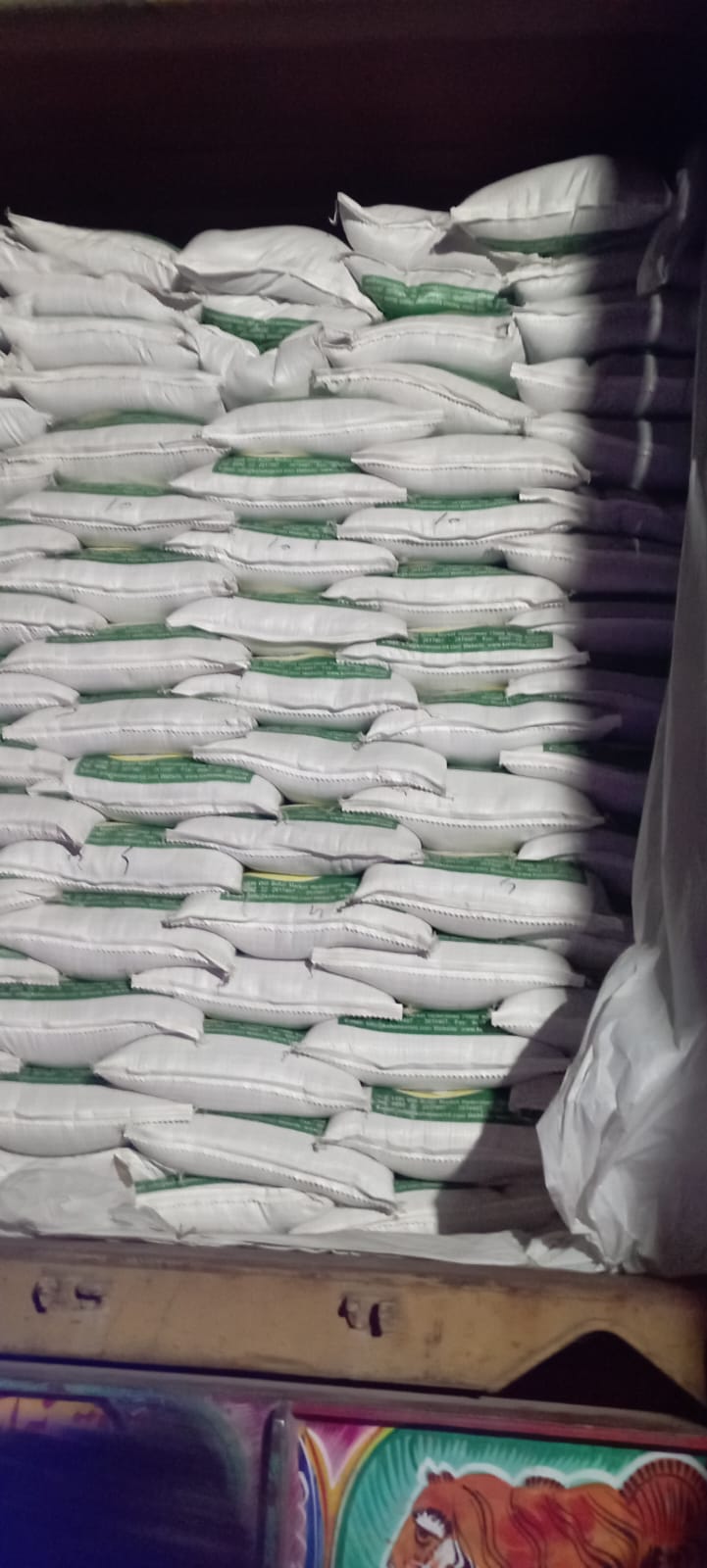
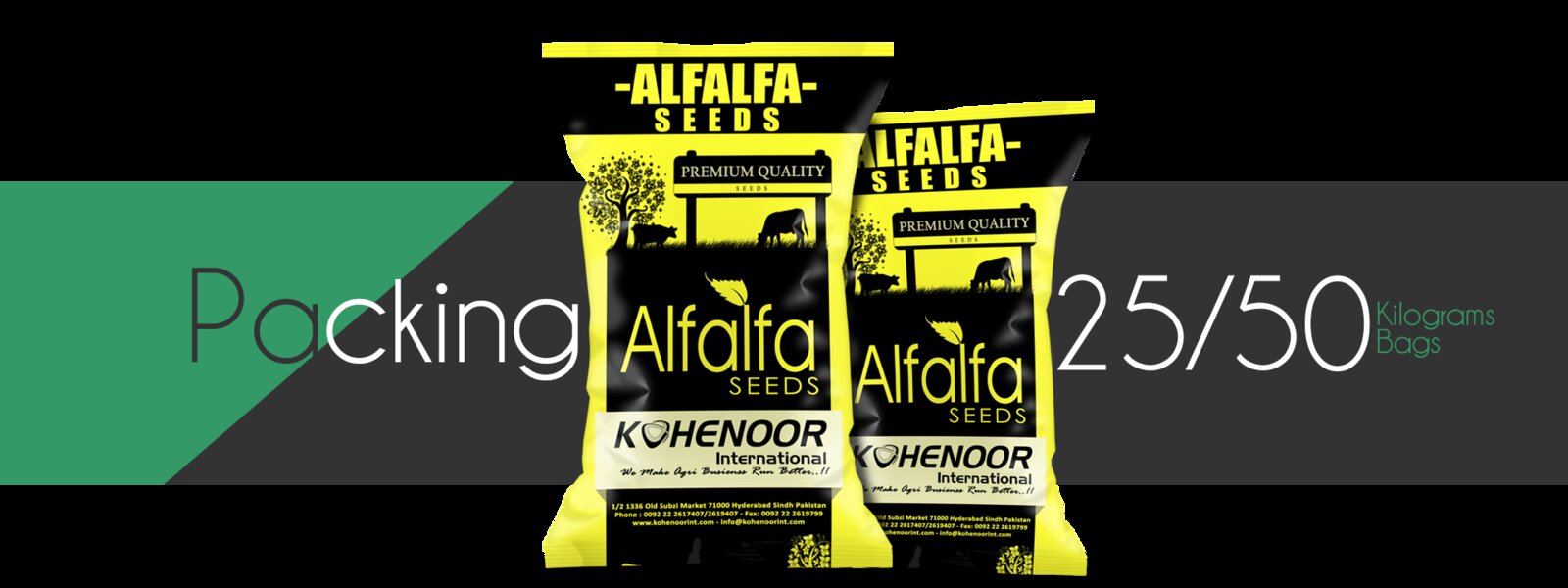
Packaging. 25 kg net in poly-lined polypropylene woven bags with a sealed lot tag. Private-label and OEM bags and retail-ready pouches are available; mung is the beginner's seed in home-sprouting ranges and several re-packers take it in consumer pouches packed at origin.
Minimum order. 500 kg (20 bags). Bean-sprout producers typically buy by the container — roughly 18–20 MT of bagged seed in a 20-foot box — and often combine mung with alfalfa, radish and fenugreek for their other lines.
Lead time. In-stock lots ready for FOB Karachi vessel loading within 7–12 days of order confirmation. A fresh microbiology report or special packaging may add a few days.
Terms and payment. FOB Karachi, CFR or CIF on request. Payment 100% TT against bill of lading copy or irrevocable letter of credit at sight; easier terms for repeat buyers. Bean-sprout producers running continuous programmes often move to a scheduled container contract after the first shipment.
Destinations. USA, EU and UK, Japan, Korea, Taiwan, Singapore, Hong Kong, GCC, Australia and more. Store mung sprouting seed cool and dry on arrival; germination holds well in good storage and falls quickly in heat and humidity.
For container planning, 25 kg bags palletise at roughly 40 bags to the tonne, and a 20-foot container carries on the order of 18–20 MT of bagged seed. A bean-sprout producer's container is usually mostly mung with a few tonnes of alfalfa, radish or fenugreek for secondary lines; the species are tagged and documented separately so each lot keeps its identity through customs and into your traceability records. Producers on a continuous programme generally schedule a container every few weeks or months to keep stock fresh rather than warehousing a year's seed.
Industrial bean-sprout producers are the core customer: automated dark-sprouting operations in Europe, East Asia, Australia and the Gulf that need a continuous supply of one uniform, high-germination lot. See for commercial sprout growers.
Asian food-service distributors who have added their own sprout room to supply restaurants buy mung first and everything else later.
Microgreen farms use mung less often, though some grow pea-shoot-style mung shoots for the restaurant trade. See for microgreen farms.
Health-food distributors and re-packers sell mung as the easiest home-sprouting seed and as whole-bean short sprouts for salads. See for health-food distributors.
Private-label brands have us pack under their own name at origin. See for private-label brands.
Mung is rarely blended in the bean-sprout bin, but it is the heart of the legume sprout mixes sold for cooking and salads — mung with chickpea and fenugreek is the South Asian classic, and mung with lentil and adzuki is the European "bean sprout mix" sold for stir-fry. A bean-sprout producer who adds alfalfa and radish lines to the business can take them from us in the same container. Everything below ships with the same documents.
The whole range is compared on the sprouting seeds hub.
| Typical blend (by seed weight) | Mung bean | Partners | Character |
|---|---|---|---|
| South Asian legume mix | about 50% | chickpea 25%, fenugreek 25% | Short sprouts for salads and cooking |
| Stir-fry bean mix | about 60% | chickpea 40% | Thick, crunchy, cooks in a minute |
| Mild salad sprout (retail) | — | alfalfa 70%, clover 20%, radish 10% | The second line for a bean-sprout plant |
Legume mixes are usually sprouted separately — mung, chickpea and fenugreek take water at different rates — and combined at packing. These proportions are common starting points, not a formula; a laboratory trial shows you the result before you commit a container.
1. Send your requirement. WhatsApp +92 310 4929292 or email export@kohenoorint.com with quantity, destination port, preferred seed size if you have one, any specification your quality system needs and whether you want a sample first. Samples of current lots are available, and we can match a sample of the seed you currently use.
2. Receive the quotation and lot documents. Within 24 hours: quotation FOB Karachi (or CFR/CIF), COA and ISTA certificate for the proposed lot, and a shipping schedule.
3. Confirm and ship. On your purchase order and payment arrangement we book the vessel, complete the phytosanitary and origin certificates and load within 7–12 days for stock lots. The document set reaches you by email before the vessel arrives.


Send your product, quantity and destination port. The export desk replies personally with a quotation, current lot certificates and a shipping schedule — no bots, no obligation.
WhatsApp +92 310 4929292 export@kohenoorint.comYes. Every mung bean sprouting lot we ship is natural, untreated seed: no fungicide, no insecticide, no coating or pelleting of any kind. Treated seed is never food-grade and we keep sprouting lots physically and administratively separate from our agricultural seed. The untreated status is written on the COA and on the lot tag.
On request, each lot is sampled and sent to an independent third-party laboratory for Salmonella and E. coli/STEC testing, and the report travels with the lot documents. Many buyers also run their own incoming-quality checks, and we encourage that; we will supply retained samples and the sampling record so your laboratory can correlate results with ours.
Yes. Organic-certified mung bean lots (USDA NOP, EU Organic or JAS) are available subject to a 5 MT minimum and a 60–90 day lead time, because organic lots are grown and cleaned to order under certified handling. Tell us which certification your market needs and we will confirm the programme for the season.
The minimum order for mung bean sprouting seed is 500 kg. In-stock lots ship within 7–12 days to FOB Karachi vessel loading. Transit time then depends on the destination port; your forwarder or ours will give you the sailing schedule when we confirm the order.
Yes. Beyond our standard 25 kg poly-lined PP woven bags with sealed lot tags, we offer private-label and OEM packaging, and retail-ready pouches, clamshells and sleeves on request. Send your artwork and pack sizes and we will quote the packaging alongside the seed.
We ship FOB Karachi (CFR/CIF on request) to the USA, EU and UK, Japan, Korea, Taiwan, Singapore, Hong Kong, the GCC states, Australia and many other destinations. Kohenoor serves buyers in 70+ countries and has offices in Pakistan, Dubai and Australia, so there is usually someone in or near your time zone.
Cooking-grade mung is a food commodity: often a blend of varieties and seasons, unsized, not germination-tested and frequently fumigated in store. Sprouting-grade mung is current-season seed, screen-sized to a uniform range, optically sorted to remove splits and damaged beans, ISTA-tested for germination and never fumigated or treated. In the bin the difference is thick, even sprouts versus a layer of unsprouted beans and uneven stems.
Almost always it is light, not seed. Mung sprouts grown for the thick white market must be kept in complete darkness; even brief light greens the cotyledons and pinks the stem. Thin or bent stems, on the other hand, usually point to low germination or mixed seed size, and a layer of unsprouted beans at the bottom of the bin points to old seed. A current ISTA germination test and a sized, optically sorted lot address those.