Sprouting & microgreen seed · from origin

Sprouting Seed for Commercial Sprout Producers

Drum and tray systems · 500 kg trial lots to full containers · alfalfa, mung bean, radish, clover, fenugreek and more

If you run a sprout plant, your margin lives or dies on three things you cannot see when the bag arrives: germination that behaves the same every week, seed that is free of anything that should not be there, and a paper trail you can hand to an auditor without flinching. Kohenoor International has grown, cleaned and exported seed from Sindh since 1957. This page explains what we supply to commercial sprout producers, how the lots are tested and tagged, and how to start with a trial lot before you commit a container.

Get a quote in 24h
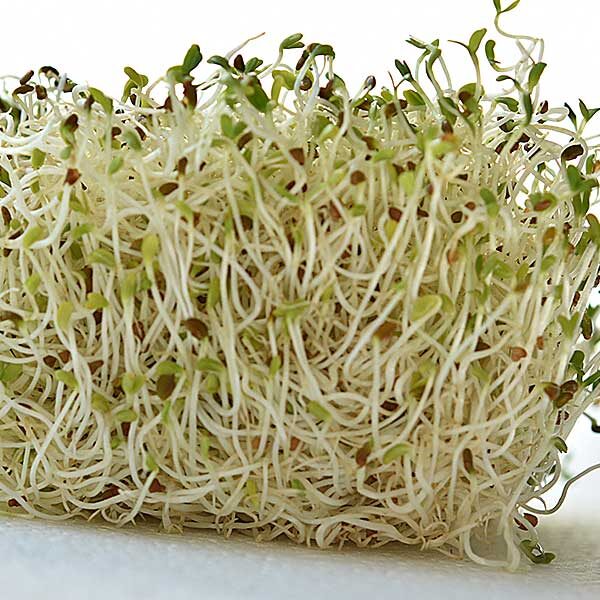
Fresh alfalfa sprouts grown from Kohenoor untreated sprouting seed
In short: Kohenoor supplies untreated, Sortex-cleaned sprouting seed in sealed 25 kg lot-tagged bags, ISTA-tested per lot for purity and germination, with independent Salmonella and E. coli/STEC testing on request and a Certificate of Analysis within 24 hours. MOQ is 500 kg (alfalfa sprouting lots 1 MT), in-stock lots ship FOB Karachi in 7 to 12 days, and mixed-species containers are normal practice.
Untreated seed: no fungicide, no coatingSortex optical cleaningISTA purity and germination per lotIndependent Salmonella and STEC testingCOA within 24 hoursLot ID on every sealed bagISO 9001 and HACCP certifiedExporting since 1957, 70+ countries
500 kgMinimum order (alfalfa sprouting lots 1 MT)
7–12 daysIn-stock lots to FOB Karachi vessel loading
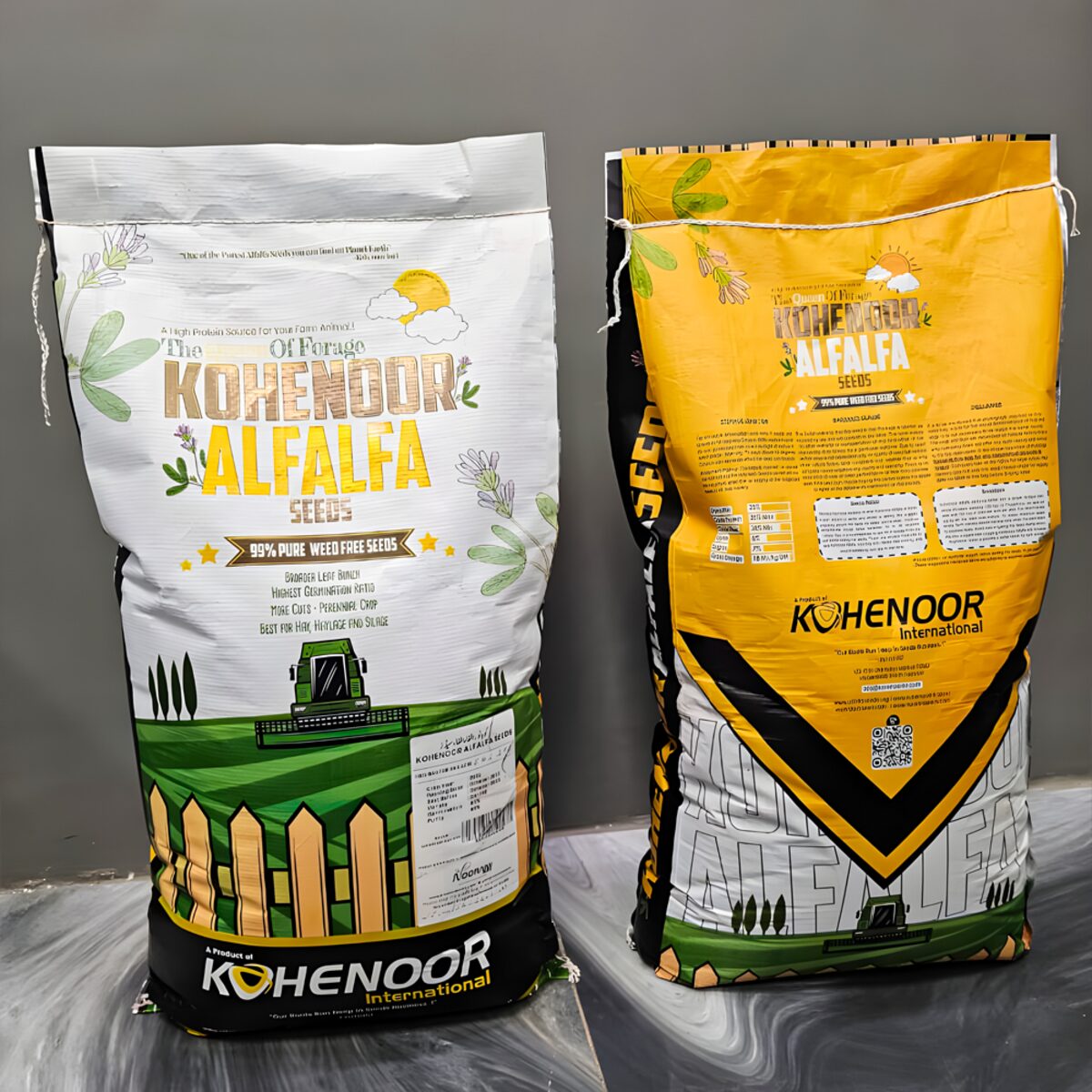
25 kgPoly-lined PP woven bags, sealed lot tags
90%+Alfalfa sprouting-lot germination (ISTA)
20+Sprouting varieties, mixed containers welcome
24 hExport desk reply time

What a commercial sprout producer actually needs from a seed partner

Sprouting is one of the few food businesses where the raw material is also the finished product in miniature. You do not cook it, you do not peel it, you do not blend it with anything that could hide a fault. Whatever is in the seed is in the punnet five to seven days later. That is why experienced sprout producers buy seed differently from the way a feed mill or a farmer buys it, and why the usual commodity-grade conversation about price per tonne misses most of what matters.

From the conversations we have with sprout plants in Europe, North America, East Asia and the Gulf, the requirement list is remarkably consistent:

Kohenoor was built as a research forage seed company, not a trading house. The habits that make good forage seed, varietal purity, clean fields, rigorous testing, 0 percent dodder, turn out to be exactly the habits a sprout producer needs, with one addition: everything we sell for sprouting is untreated, food-grade and handled as food, not as farm input.

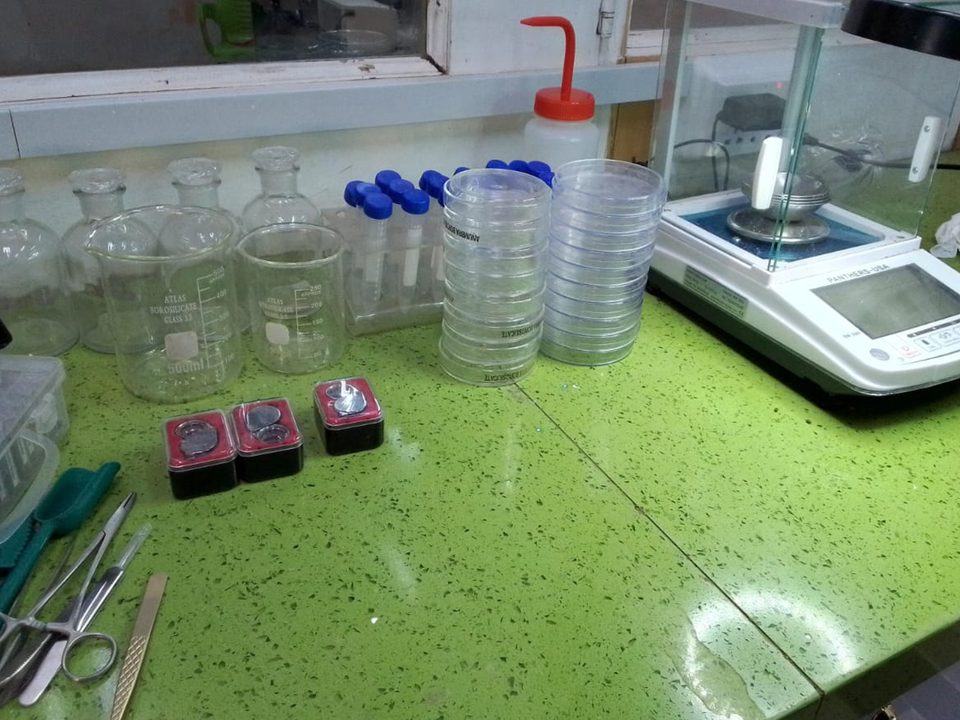
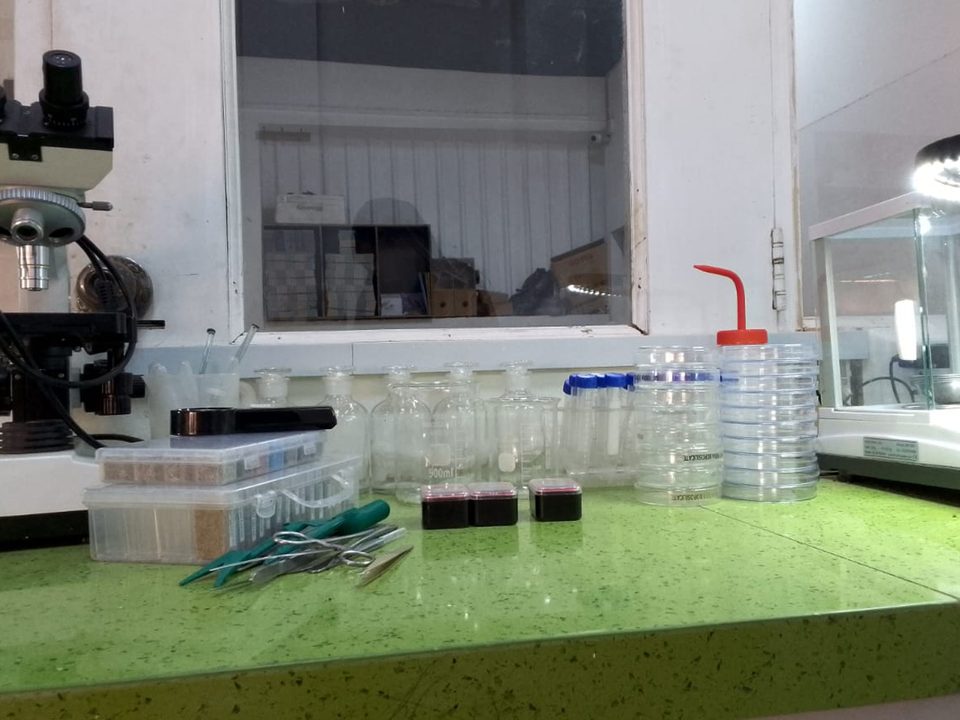
Seed testing laboratory where Kohenoor sprouting lots are checked for purity and germination

Consistent germination: the specification that drives everything else

Germination is the one number on a seed specification that converts directly into kilograms of sprouts. Every seed that fails to germinate is weight you paid for, soaked, watered and then threw away, usually after it had started to decay in the drum and raised the microbial load around the seeds that did grow. A difference of ten percentage points in germination is not a ten percent change in yield; in practice it is often worse, because the dead seed also degrades the quality of the live crop.

This is why we test every sprouting lot under ISTA rules for purity and germination before it is offered, and why the result is printed on the Certificate of Analysis rather than quoted from memory. For alfalfa sprouting lots we work to purity around 99 percent and germination of 90 percent or higher, with 0 percent dodder. For the other species in the range, clover, fenugreek, radish, mung bean, chickpea, mustard, cress, fennel, onion, basil and sesame, purity and germination are lot-specific and stated on the COA for that lot, so you know exactly what you are loading before the container is booked.

How to read germination for sprouting, not for sowing

Field germination tests are run under controlled conditions over a set number of days, and they count normal seedlings. Sprout producers care about something slightly different: how fast and how uniformly the lot wakes up in the first 24 to 48 hours, because that is what determines whether your drum or tray is even. Experienced plants therefore run their own small bench test on each incoming lot, and we encourage it. A few hundred grams in your own system, with your own water and your own temperature, tells you how the lot will behave in your plant far better than any certificate alone. We supply a retained sample from the same lot on request so your test and ours can be compared.

What keeps germination stable between lots

Clean seed: Sortex cleaning and why a handful of weed seed matters at drum scale

A farmer sowing a field can tolerate the odd foreign seed; it becomes a weed and is dealt with later. A sprout producer cannot. Anything that is not the intended species ends up on a plate, and some contaminants, including small weed seeds and tiny soil particles, are almost impossible to pick out once they are mixed into a drum of germinating alfalfa. Dodder in particular is the nightmare of alfalfa growers, which is why our forage alfalfa has carried a written 0 percent dodder guarantee for years and the same standard applies to sprouting lots.

Our cleaning line runs the lot through screening, gravity separation and then Sortex optical sorting, which uses cameras to eject individual seeds that differ in colour, size or shape from the target. It removes discoloured, immature, mould-marked or broken seed as well as foreign material. For the sprout producer this does three practical things:

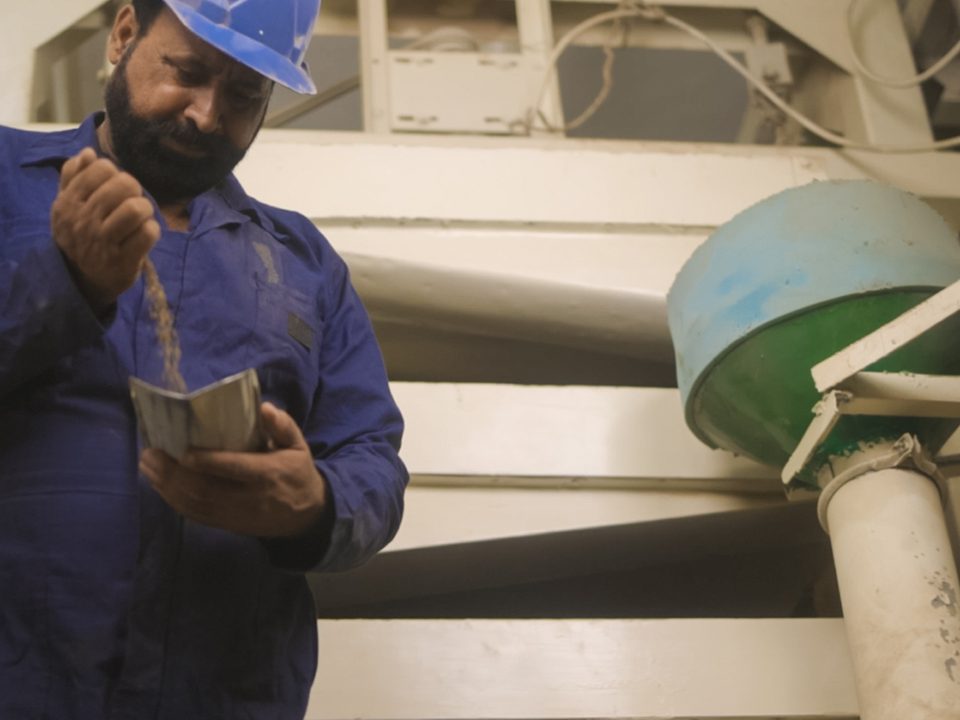
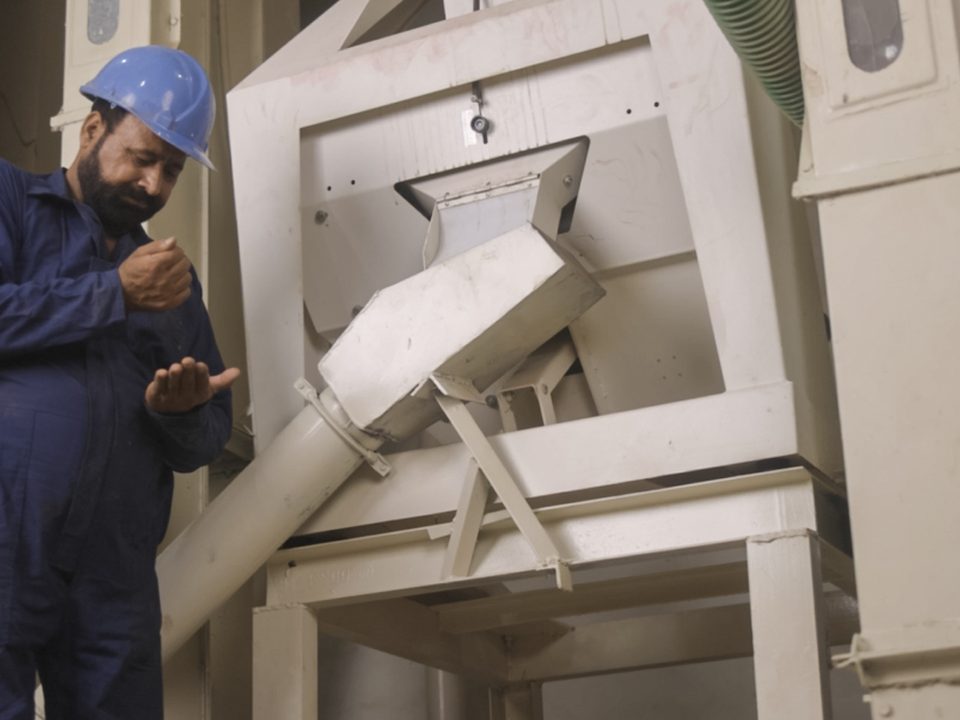
Seed cleaning and Sortex optical sorting machinery at the Kohenoor processing plant

Clean seed also makes your own hygiene steps work better. Whatever seed sanitation method your plant uses, calcium hypochlorite, hot water, or another validated treatment, it reaches the seed surface more evenly when the lot is free of dust, soil and plant debris that would otherwise absorb the treatment and shield the seed beneath.

Untreated, in the strict sense

All our sprouting seed is natural, untreated seed: no fungicide, no insecticide, no colourant, no polymer coating or film. This is non-negotiable for sprouting because treated agricultural seed is not food. If a seed lot has ever been treated it cannot be made food-grade afterwards, so the decision to grow a field for sprouting is made at planting, and the lot is kept apart from farm-grade seed from harvest onwards.

Lot traceability and pathogen testing: the paperwork that protects your brand

Sprout producers carry a disproportionate share of food safety scrutiny because the warm, moist sprouting process will amplify any pathogen that is present on a seed. Regulators in the EU and the United States have written rules specifically for sprouts, and your retail customers write their own on top. The practical consequence is that your seed supplier is part of your food safety plan whether they like it or not, and you should expect the following from them as a baseline.

Lot identification on every bag

Every 25 kg bag we ship carries a sealed tag with a lot identification number. That number is the thread that ties together the field record, the cleaning run, the ISTA test, the microbiological report and the export documents. It is traceable from field to bag to warehouse at our end, and when it arrives at your plant you record it against your batches. If a question ever arises about a batch of sprouts, you can walk it back to a seed lot in minutes, and we can walk it back further to the field.

Independent microbiological testing

On request, each lot is sampled and tested by an independent third-party laboratory for Salmonella and for E. coli, including Shiga-toxin-producing E. coli (STEC). We do not run these tests ourselves; the point is that the report comes from a laboratory with no interest in the sale. The report is issued with the lot and travels with the Certificate of Analysis. If your customers or your national rules require a particular method, serogroup panel or sample size, tell us at the enquiry stage so the sampling plan can be agreed before the lot is drawn.

Certificate of Analysis within 24 hours

The COA brings together the lot ID, species and variety, purity, germination, moisture where relevant, the dodder result for alfalfa, and the reference to the microbiological report. We issue it within 24 hours of the request, which in practice means you can have it in hand before you release payment and before the container is loaded.

What this means for your own compliance

Under the EU sprout rules, the traceability regulation requires each operator to keep and pass on consignment records that include the lot identification and a description of the seed. Under the US FDA Produce Safety Rule, sprout growers are expected to treat seed and to be able to show where it came from. Our lot tags and document pack are built so you can satisfy both without reformatting anything. The food safety and testing page walks through each regulation in plain language.
Year-round supply from a single origin

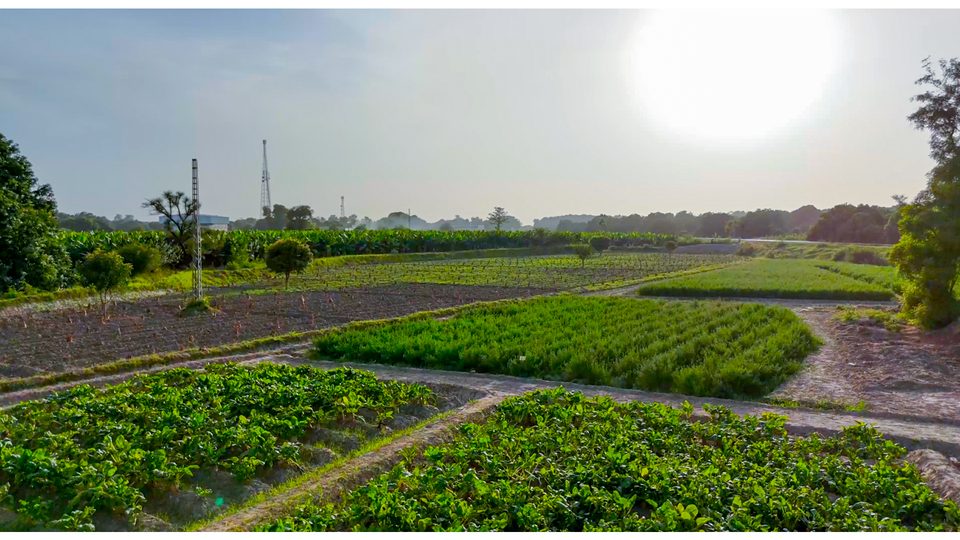
Sindh gives us something many seed origins cannot offer: a long, dry harvest season and a warm climate that lets several sprouting species be grown, dried and cleaned without the weather risk that makes northern-hemisphere seed supply so lumpy. Combined with controlled storage, that lets us hold inventory and ship on a schedule rather than in a single post-harvest window.

SpeciesTypical sprout-plant useSupply notes
Alfalfa (KN92-grade sprouting lots)Fine salad sprouts, tray and drum systemsPurity ~99%, germination 90%+, 0% dodder. MOQ 1 MT for alfalfa sprouting lots
Mung beanBean sprouts in rotary drums or bins, high volumeFood-grade, untreated, lot-tested. MOQ 500 kg
Radish (daikon and rose)Peppery sprouts, sprout blendsLot-specific purity and germination on COA
Clover (red and crimson)Mild salad sprouts, alfalfa alternativeFine seed; sealed bags keep moisture out
Fenugreek (methi)Sprouts for ethnic and health rangesStrong flavour; often part of mixed containers
ChickpeaCrunchy sprouts, sprouted-pulse productsLarge seed, quick cycle
Mustard, cress, fennel, onion, basil, sesameSpecialty sprouts, blends, microgreen linesLower volumes; ideal as container top-up

In-stock lots ship in 7 to 12 days to FOB Karachi vessel loading. For a sprout plant that means a predictable rhythm: a common pattern is to book a container every six to ten weeks and keep roughly one cycle of safety stock in your own cool store. Where a buyer wants a species or variety that is not on the list, we grow to order through our research arm, which is also how organic-certified lots are produced.

Organic sprouting seed

Organic-certified lots (USDA NOP, EU Organic and JAS) are available subject to a minimum of 5 MT and a lead time of 60 to 90 days, because they are grown and handled on dedicated certified ground rather than drawn from standing stock. If organic is part of your range, tell us early so the planting is scheduled.

Mixed-species containers: how a 20 ft load is built

A 20 ft container holds roughly 18 to 20 tonnes of bagged seed by weight, though with lighter seed such as alfalfa and clover the practical limit is often set by the number of pallets or bags rather than the weight. Most sprout producers do not need 18 tonnes of one species, so the usual pattern is a mixed load. A representative mix for a mid-sized European or North American sprout plant might look like this:

SpeciesShare of loadWhy
Mung bean8–10 MTHighest volume line in most plants; drum-sprouted
Alfalfa3–5 MTCore salad sprout; long shelf life in seed form
Radish1–2 MTBlends and spicy lines
Clover1 MTAlfalfa alternative in blends
Fenugreek, chickpea, mustard500 kg eachNiche lines without a separate order

Each species is bagged, tagged and documented as its own lot, so the paperwork is clean even though the freight is shared. The packing list shows each lot ID against its bag count and gross weight, the COA set covers every lot in the box, and the phytosanitary certificate lists each species. Pallets are stacked by species so your receiving team can put away without re-sorting.

For smaller plants, or when trying us for the first time, a mixed consolidation of 2 to 5 tonnes is just as workable as LCL cargo or on a shared container. The minimum is 500 kg per species, with alfalfa sprouting lots starting at 1 MT.

Cost per kilogram of sprouts: the yield logic that should drive your seed decision

Seed is usually the single largest raw-material cost in a sprout plant, but comparing suppliers by price per kilogram of seed is a mistake, because what you sell is kilograms of sprouts. The figure that matters is seed cost per kilogram of finished sprouts, and that depends on germination, yield ratio and the amount you throw away. The table below gives typical yield ranges reported by commercial growers. They are not guarantees; your water, temperature, cycle length and trimming all move them, which is exactly why a trial lot in your own system is the right first step.

SpeciesTypical fresh sprout yield per kg of seedTypical cycleNotes
Alfalfaroughly 6–10 kg5–7 daysFine seed; small lots of dead seed are hard to remove, so germination matters most here
Mung beanroughly 5–8 kg4–6 days in the darkYield rises with hypocotyl length; uniform seed size gives uniform drums
Radishroughly 4–6 kg4–6 daysShorter cycle; strong flavour so often blended
Cloverroughly 6–9 kg5–7 daysBehaves much like alfalfa
Fenugreekroughly 4–6 kg3–5 daysMucilaginous coat; needs good drainage
Chickpearoughly 2–3 kg2–4 daysSold as short-sprouted whole pulse

Working the numbers

Take two alfalfa lots. Lot A germinates at 92 percent and lot B at 82 percent. Even if both cost the same per kilogram, lot B delivers roughly one-ninth less live seed into the drum, and the dead seed adds decay, odour and sorting labour. A grower who ran both would typically find lot B produces 10 to 15 percent less saleable weight per kilogram of seed, before counting the extra rinse water and the shortened shelf life of the finished punnet. A seemingly cheaper lot with weaker germination is therefore often the more expensive one per kilogram of sprouts.

The same arithmetic applies to purity. One percent of foreign material in a 25 kg bag is 250 grams of something you paid seed prices for and then have to remove or discard. At 99 percent purity the number is small enough to ignore; at 95 percent it is a visible line on your cost sheet.

We do not publish prices, because they move with the harvest and with freight, but the export desk will quote by WhatsApp or email against your species, volume and destination port, and will send the current lot's COA with the quote so you are comparing like with like.

Receiving and incoming QC at your plant

Even with a full document pack, good sprout plants run their own incoming checks. We welcome that; a buyer who tests is a buyer who stays. Here is the receiving routine we see at well-run plants and recommend to new customers.

  1. Check seals and tags. Every bag should arrive with its sealed lot tag intact. Record the lot ID against your receiving batch number before the pallet moves into store.
  2. Visual inspection. Open a bag per pallet, check for odour, visible foreign material, insect activity or moisture staining. Sortex-cleaned seed should look uniform; anything else is a reason to call us before using the lot.
  3. Bench germination. Run 100 to 200 seeds per lot in your standard sprouting conditions and count at 24, 48 and 72 hours. Compare against the COA figure and against your previous lots.
  4. Microbiological verification. Many plants send a composite sample from each incoming lot to their own laboratory for Salmonella and STEC, and some also run a pre-production sprout test on a small sample, as EU rules require of sprout producers. Our third-party report gives you a reference to compare against.
  5. Storage. Cool and dry, off the floor, away from anything that smells. Alfalfa typically holds germination for 18 to 24 months in those conditions; mung bean, radish and clover are similar when dry, though we recommend rotating all sprouting seed within a year of receipt as good practice.
  6. Retained sample. Keep a sealed 250 to 500 g sample of each lot for the life of the sprouts made from it plus your customer's retention period, so any later query can be tested against the original seed.
Germination trays in the Kohenoor seed laboratory used to verify sprouting lots before dispatch

If your test ever disagrees with ours, send us the method and the result. We will re-test against the lot sample and reply with data rather than with an argument.

Onboarding with a trial lot: how a new sprout plant starts with us

No sprout producer should switch seed supplier on the strength of a website, including this one. The sensible path is a trial lot, and we have made that path short.

Send the briefSpecies, approximate annual volume, your sprouting system (drum, tray, bin), destination port and any customer specifications you have to meet. WhatsApp +92 310 4929292 or export@kohenoorint.com. The export desk replies within 24 hours in English, Arabic, Spanish or French.
Receive the current lot COA and a quotationYou see the actual purity, germination and dodder figures of the lot on offer, the microbiological report where already available, and a quote FOB Karachi (CFR or CIF on request).
Optional pre-shipment sampleFor a first order we can send a sealed sample of the offered lot by courier so your laboratory and your sprouting line can test it before you commit.
Trial lotMinimum 500 kg per species (1 MT for alfalfa sprouting lots), often shipped as LCL or added to a consolidation. Payment is 100 percent TT against the bill of lading copy or an irrevocable letter of credit at sight; repeat buyers are offered easier terms.
Run it in your plantGrow the trial lot alongside your current seed. Compare germination, uniformity, yield per kilogram, rinse water use and finished shelf life. Most plants have an answer within three or four production cycles.
Scale to a scheduleAgree a repeat cadence, a species mix and a safety stock. From this point you deal with the same person at the export desk every time.

Trial lots are tagged, tested and documented exactly like full containers. There is no "sample grade" at Kohenoor; the trial bag is the production bag.

Terms, lead times and shipping

Karachi is served by regular sailings on the main east-west and trans-Pacific services, so a booking to Rotterdam, Hamburg, Felixstowe, New York, Los Angeles, Yokohama, Busan or Jebel Ali is a matter of scheduling, not of waiting for a vessel. Our Dubai office handles Gulf buyers who prefer local follow-up, and our Australian office serves Oceania.

Kohenoor is ISO 9001 and HACCP certified, a member of the Australian Seed Federation, and has exported seed to more than 70 countries. Those are the credentials; the better test is a trial lot in your own drum.

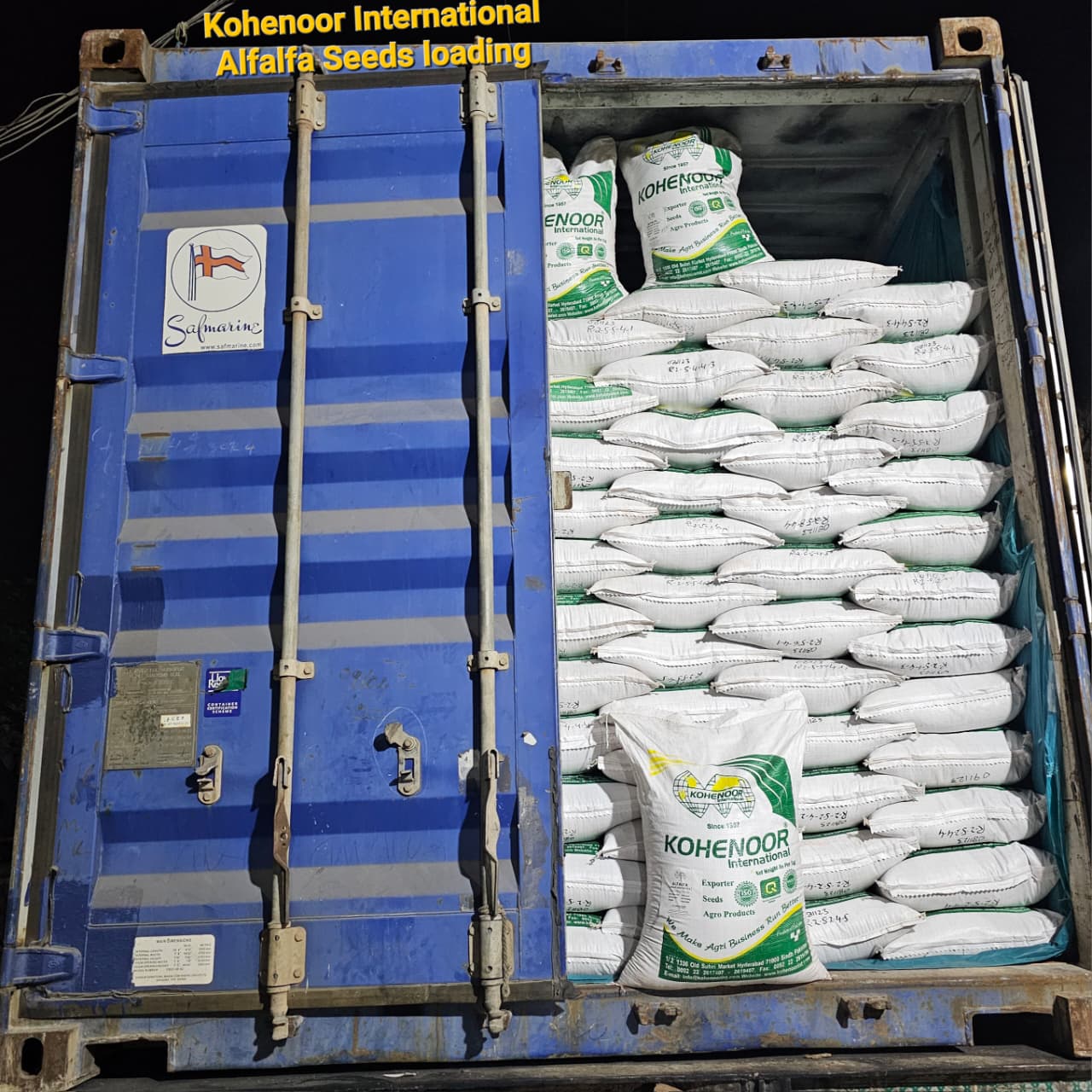
See the seed, the lab and the loading

Sprouting seeds we export

Alfalfa sprouting seed
Alfalfa sprouting seedKN92-grade sprouting lots, ~99% purity, 90%+ germination, 0% dodder. MOQ 1 MT.
Specifications →
Mung bean sprouting seed
Mung bean sprouting seedFood-grade mung bean for drum-sprouted bean sprouts. Untreated, lot-tested.
Specifications →
Radish sprouting seed
Radish sprouting seedDaikon and rose radish for peppery sprouts and fast microgreens.
Specifications →
Clover sprouting seed
Clover sprouting seedRed and crimson clover for mild, fine salad sprouts. Untreated, Sortex-cleaned.
Specifications →

Talk to a real person — quote within 24 hours

Send your product, quantity and destination port. The export desk replies personally with a quotation, current lot certificates and a shipping schedule — no bots, no obligation.

export@kohenoorint.com

Frequently asked questions

What is the minimum order for a sprout plant trying Kohenoor for the first time?

500 kg per species, or 1 MT for alfalfa sprouting lots. Trial lots are packed, tagged and tested exactly like full containers, and can ship as LCL or inside a consolidation.

Is the seed really untreated?

Yes. Every sprouting lot is natural seed with no fungicide, insecticide, colourant or coating. Fields intended for sprouting seed are managed and harvested separately from farm-grade seed, because treated seed can never be made food-grade afterwards.

Who performs the Salmonella and E. coli testing?

An independent third-party laboratory, on request, per lot. Kohenoor does not issue its own pathogen results. The report accompanies the Certificate of Analysis and references the lot ID on the bag tags.

How quickly can I get the Certificate of Analysis?

Within 24 hours of the request. It states purity, germination, the alfalfa dodder result and the lot ID, and references the microbiological report where one has been run.

Can one container carry several species?

Yes, and most do. Each species is a separate lot with its own bags, tags and certificates. The packing list shows every lot ID against bag count and weight, and pallets are stacked by species for easy put-away.

How should I store sprouting seed at my plant?

Cool, dry, off the floor and away from odours. Alfalfa sprouting seed typically keeps its germination for 18 to 24 months in those conditions. Keep bags sealed until use and rotate stock within about a year as good practice.

What yield should I expect per kilogram of seed?

Typical commercial ranges are roughly 6 to 10 kg of alfalfa sprouts, 5 to 8 kg of mung bean sprouts and 4 to 6 kg of radish sprouts per kilogram of seed, depending on your system, cycle length and trimming. Run the trial lot in your own plant to establish your figure.

Do you quote prices on the website?

No. Seed prices move with the harvest and with freight, so the export desk quotes by WhatsApp or email against your species, quantity and destination port, and sends the current lot certificates with the quotation.

Related pages

WA