Untreated · Sortex-cleaned · ISTA-tested · COA per lot · 25 kg bags · MOQ 500 kg
Fennel is the aromatic microgreen — feathery, pale green, with a clean anise sweetness that chefs reach for on fish, citrus and desserts — and one of the premium lines a microgreen farm can grow. Kohenoor supplies untreated, food-grade Foeniculum vulgare sprouting lots from Pakistan, where fennel is grown as a major seed crop, Sortex-cleaned and ISTA-tested at origin with lot-specific purity and germination on the COA.
WhatsApp +92 310 4929292 Get a quote in 24h
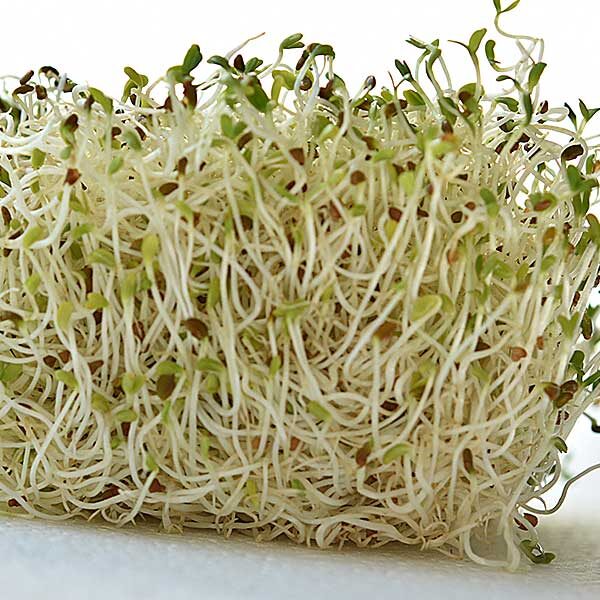
Fennel microgreens are the young seedlings of Foeniculum vulgare, the Mediterranean herb whose seed is a spice and whose swollen stem base is a vegetable. Grown under light for two to three weeks, the seedlings produce slender pale stems and the first feathery, thread-like leaves, with a flavour that is unmistakably fennel: sweet, fresh, lightly anise, with none of the heat of the brassicas or the earthiness of the legumes. In the sprouting trade fennel is not a volume product; it is a flavour product, grown in smaller quantities for customers who will pay for aroma and appearance.
The market is the restaurant and gourmet trade. Fennel microgreens are a chef's garnish in fine-dining and upper-casual kitchens across Europe — Italy, France, Spain, the UK, Germany, Scandinavia — and in North America, Australia and the Gulf's hotel sector, where a feathery fennel frond on a plate of fish, scallops, citrus salad or chocolate dessert is a signature. Premium salad packers include it in "aromatic" or "herb" microgreen mixes sold through upmarket retail. Japan's food-service microgreen suppliers grow it for Western-style restaurants. Beyond the microgreen, fennel is also sprouted short — three to five days — for sprouted-seed mixes and for a small home-sprouting market that values the flavour.
Who eats it? Restaurant diners, mostly, and the retail customer of premium salad and herb mixes. The second market for the same seed is the spice and culinary trade — fennel seed is chewed after meals across South Asia and the Middle East and is a standard spice everywhere — but that trade does not need the seed to germinate, and that distinction is the heart of this page. For a microgreen farm, fennel is a slower, more demanding crop than radish or mustard, and a more valuable one per tray.
Formats are those of the premium microgreen trade. Fennel is sold cut in small punnets of 25–50 g to restaurants and upmarket retail, living in trays to food-service customers, and as a component of aromatic and herb microgreen mixes. Home-growing ranges list it for the flavour-led customer in small pouches. Demand follows the restaurant calendar and is steadiest in markets with a strong fine-dining sector; farms generally buy fennel seed for the season rather than the year, both because volumes are modest and because they want the freshest possible lot for a slow crop.
Fennel seedlings are typically low in calories and contribute vitamin C, vitamin A precursors, potassium and other minerals for their small weight, and microgreens in general are known for concentrating certain vitamins and plant compounds relative to the mature plant. The fennel seed itself is known for its aromatic oils — anethole chiefly — which carry through into the seedling and are the entire reason the microgreen exists. We make no claims about any of it; fennel sells on flavour, not on nutrition, and that is how we describe it.
The flavour argument is strong. Most microgreens are either mild (alfalfa, clover, pea) or hot (radish, mustard, cress); fennel is neither, and it occupies a space on the chef's plate that nothing else does. It pairs with fish and seafood, with citrus, with pork, with cream and with chocolate, and its feathery form is as much a visual element as a flavour. In a mixed microgreen punnet a small proportion of fennel gives the whole mix an aromatic lift that customers notice.
Quality depends on the seed and on patience. Fennel is a slow, uneven germinator by nature, and a lot with poor or variable germination produces a thin, ragged tray that is not worth the two to three weeks it occupied. A high-germination, uniform lot — current-season, untreated, cleaned — gives a dense, even stand of seedlings of one height, which is what the restaurant supplier is paying for. With fennel, more than with the fast brassicas, the cost of the tray time makes the seed's quality the decisive economic factor.
Fennel is a slower, more deliberate crop than the brassicas and rewards a grower who treats it as such. The ranges below are those producers typically report.
For short sprouts — three to five days in a drum or jar — fennel is soaked, rinsed and grown in the dark like fenugreek, and harvested when the root is a centimetre or so, for inclusion in sprouted-seed mixes. The flavour at that stage is strongly aniseed and the sprout is used sparingly.
Two practical notes. Fennel's slow, staggered germination means seed quality shows up more clearly than in any fast crop: a lot with high, vigorous germination narrows the emergence window and gives an even tray, while a weak lot produces a stand that is still coming up when the first seedlings are ready. And fennel resents overwatering in the slow dark phase; evenly moist, not wet, with good air movement, is the rule.
The common faults a grower meets with fennel follow from its slow, staggered habit. A stand that is still emerging when the first seedlings are ready points to a weak or old lot; insist on a current-season test and ask about the tray trial. Damped-off patches point to a substrate kept too wet during the long dark phase. Thin, pale seedlings point to too little light once the stand is up. And seedlings that lack aroma usually point to a spice-grade lot that was steam-treated; the untreated declaration matters for flavour as well as for germination.
Fennel seed is traded worldwide as a spice, and spice-grade fennel is not sprouting seed: it may be years old, is sold on aroma and appearance rather than viability, is routinely fumigated in store and is sometimes steam-treated. Your specification should make the sprouting grade explicit and should take particular care over germination, because fennel's slow emergence magnifies any weakness. Our lots are documented against the following.
| Parameter | What to ask for | Kohenoor fennel sprouting lots |
|---|---|---|
| Germination | Minimum %, ISTA method, current-season test; ask for the test duration | Lot-specific on ISTA certificate and COA |
| Physical purity | Minimum % pure seed | Lot-specific on COA |
| Other crop / weed seed | Maximum count; other umbellifer seed especially | Removed by screen, gravity and optical sorting |
| Inert matter | Maximum %, no stems, stalk fragments, soil | Within purity figure |
| Moisture | Maximum % for safe storage | Stated on COA |
| Treatment status | Untreated, unfumigated, not steam-treated — in writing | Untreated — on COA and tag |
| Microbiology | Salmonella, E. coli/STEC, third-party laboratory | Per lot on request |
| Traceability | Lot ID on every bag | Sealed lot tags, field→bag→warehouse |
Insist on "unfumigated and not steam-treated": both are common in the spice trade and both destroy or depress germination. Insist on a current-season germination test, because fennel seed loses viability within a few years and old spice stock is where empty trays come from. And ask that the purity figure excludes stalk fragments — fennel seed is harvested with a good deal of fine stem that is close to seed size and that a casual cleaning leaves in.
If your quality system also needs pesticide-residue or heavy-metal screening — common for a seed that is sold as a spice — tell us at enquiry and we will arrange it on the lot sample.
Incoming-quality checks take a little longer with fennel. On arrival, draw a sample from several bags, count out four lots of one hundred seeds, soak for twelve hours and germinate on moist paper at around 22 °C; count normal seedlings at ten to fourteen days and compare with the COA, noting how spread out the emergence is. Look over a handful for stalk fragments and chaff, and smell it — good fennel seed smells sweetly of aniseed, never flat or musty. Photograph anything that does not match the documents and send us the lot ID the same day.
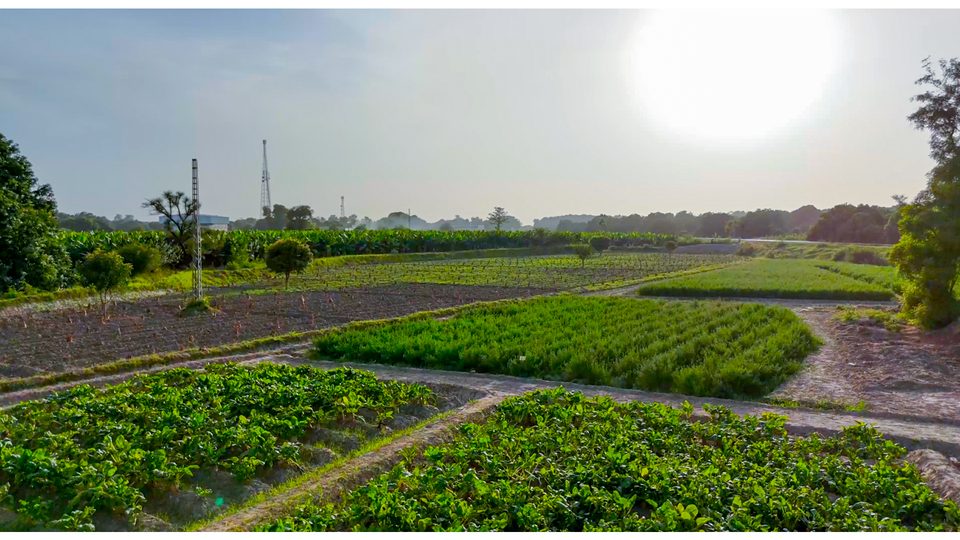
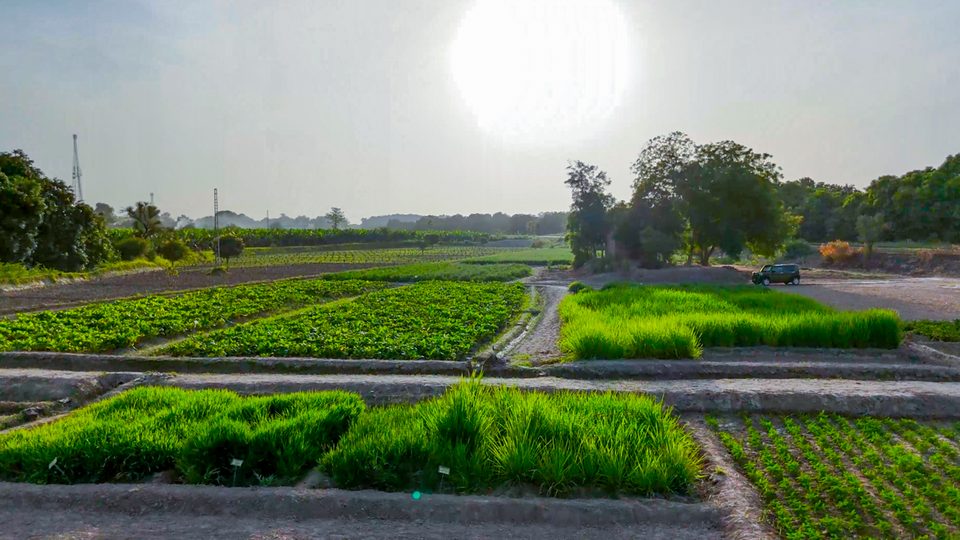
Pakistan is one of the world's major fennel-seed producers, and the crop is grown as a field seed crop through a long, dry ripening season that brings it to harvest at low moisture — the precondition for good germination and low mould counts. Buying sprouting lots at origin, from the current season, means the seed has not spent a year or two in a spice warehouse being fumigated and losing viability. For fennel, with its naturally modest and uneven germination, that freshness matters more than for almost any other species in the range.
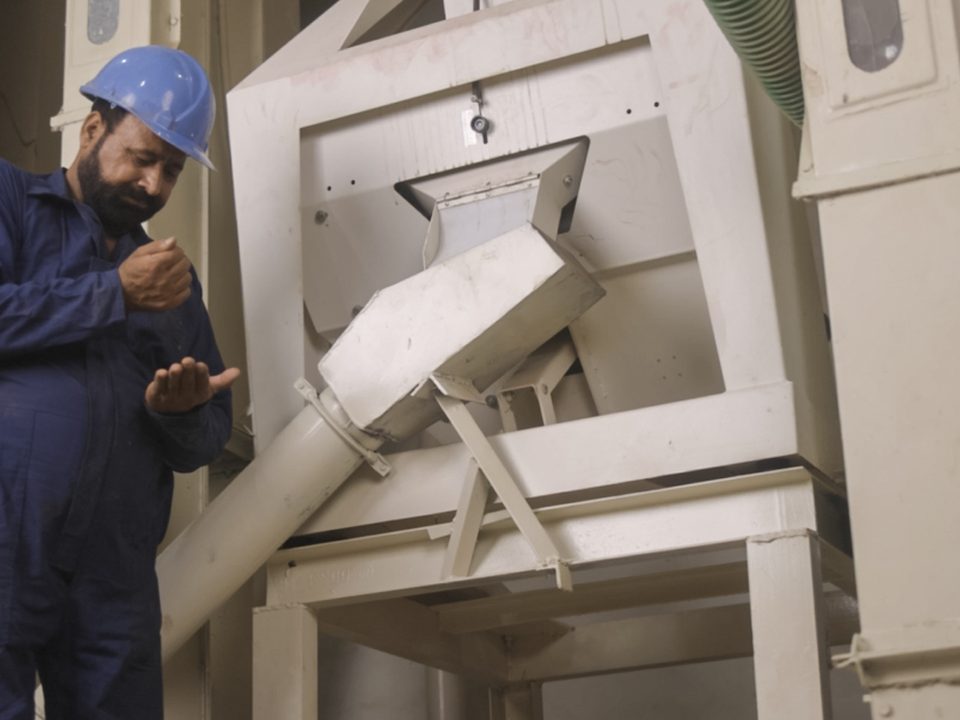
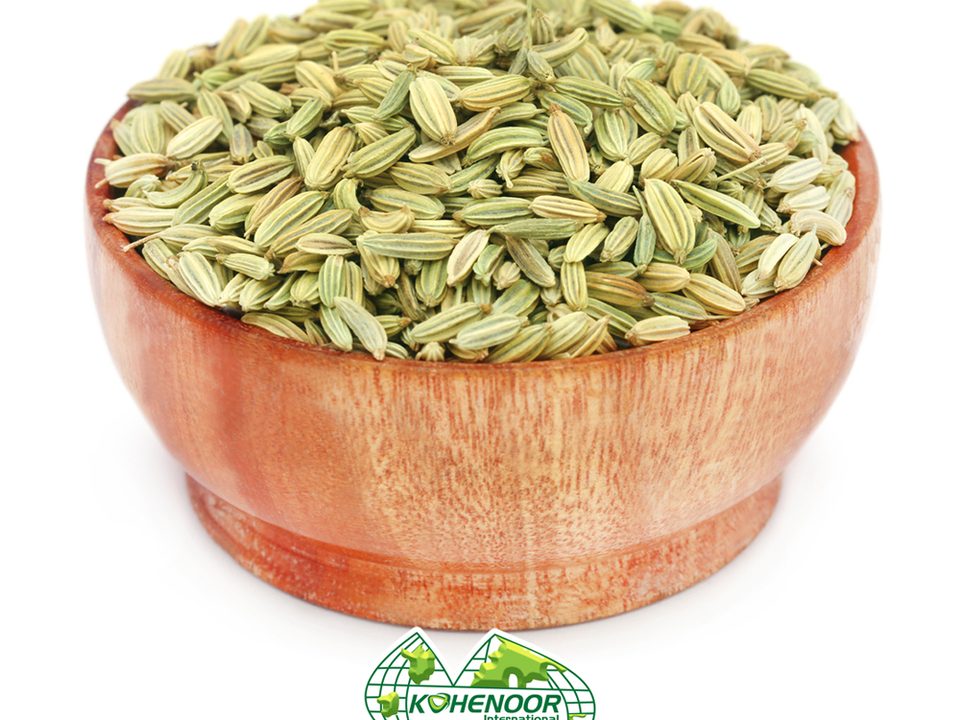
Fennel seed is an elongated, ridged umbellifer "seed" (strictly a dry fruit) that is harvested from a tall, stemmy plant, and the raw lot carries a high proportion of fine stalk fragments, umbel stems and chaff, together with immature light seed, soil and, in some fields, the seed of other umbellifers and small weeds. Cleaning it to sprouting standard takes care. Our sequence is air-screen cleaning with slotted screens for stalk and chaff, gravity separation for light and immature seed and soil, and Sortex optical sorting as the final pass, which rejects dark, shrivelled, mouldy and off-type seed one at a time. The result is a lot of plump, evenly coloured, stalk-free seed that sows evenly and emerges as one stand.
Fennel is not a dodder crop; the cleaning challenge is stalk, chaff and light seed, and the slotted-screen and gravity stages are where that is solved. Because the grower, the cleaner and the exporter are one company, every lot carries a single, continuous record under one lot ID from the field to your warehouse.
Fennel seed intended for sprouting or microgreen production is a food ingredient under the rules of every major importing market. Whether your product is a cut microgreen for restaurants or a short sprout for a seed mix, your auditor will want the seed documentation. The export desk prepares the following for each consignment.
Microgreen growers whose product is cut above the substrate are generally within general produce-safety law rather than the sprout-specific rules; the same seed documentation serves them. Kohenoor is ISO 9001 and HACCP certified, and the food safety and testing page sets out the programme.
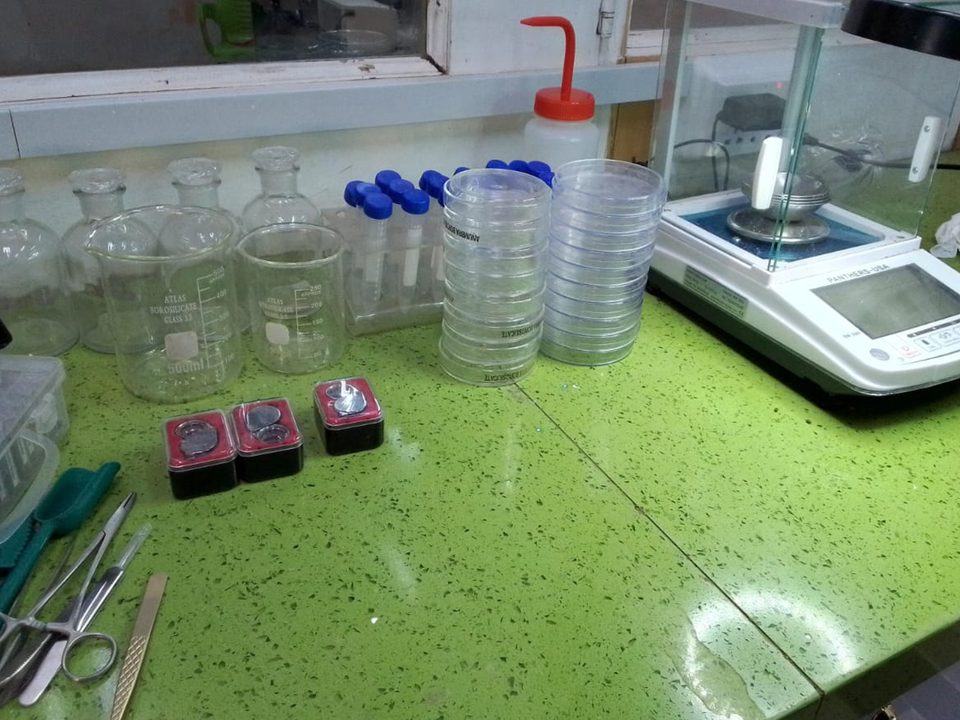
Fennel lots for the sprouting programme are drawn from the current harvest, from fields with clean histories, and brought straight onto the food-grade cleaning run — never through the spice warehouse. Each lot is sampled under ISTA rules and tested in our laboratory for germination, purity and moisture before release, then sent for the ISTA Orange Certificate.
Because fennel is slow and uneven by nature, we also run a full tray trial on every lot — soaked, sown, grown under light for sixteen days — to see what the germination count cannot show: how narrow the emergence window is, how even the final stand is, and how the seedlings look and smell at harvest. A lot that straggles is diverted to the spice trade, whatever its germination percentage. Only lots that pass both the laboratory test and the tray trial are tagged as sprouting seed.
The cleaning sequence is slotted-screen air cleaning, gravity separation and Sortex optical sorting with documented clean-down between lots. Bags are filled, weighed, sealed and tagged with lot ID, species, test date and net weight; retained samples are held from every lot. The lot ID ties together field record, cleaning record, laboratory results, tray trial and microbiology report, so one number recovers the whole history of the lot.
A person on the export desk — Pakistan, Dubai or Australia — answers within 24 hours in English, Arabic, Spanish or French, sends current lot documents with the quotation and stays with your order until it is cleared at the destination port.
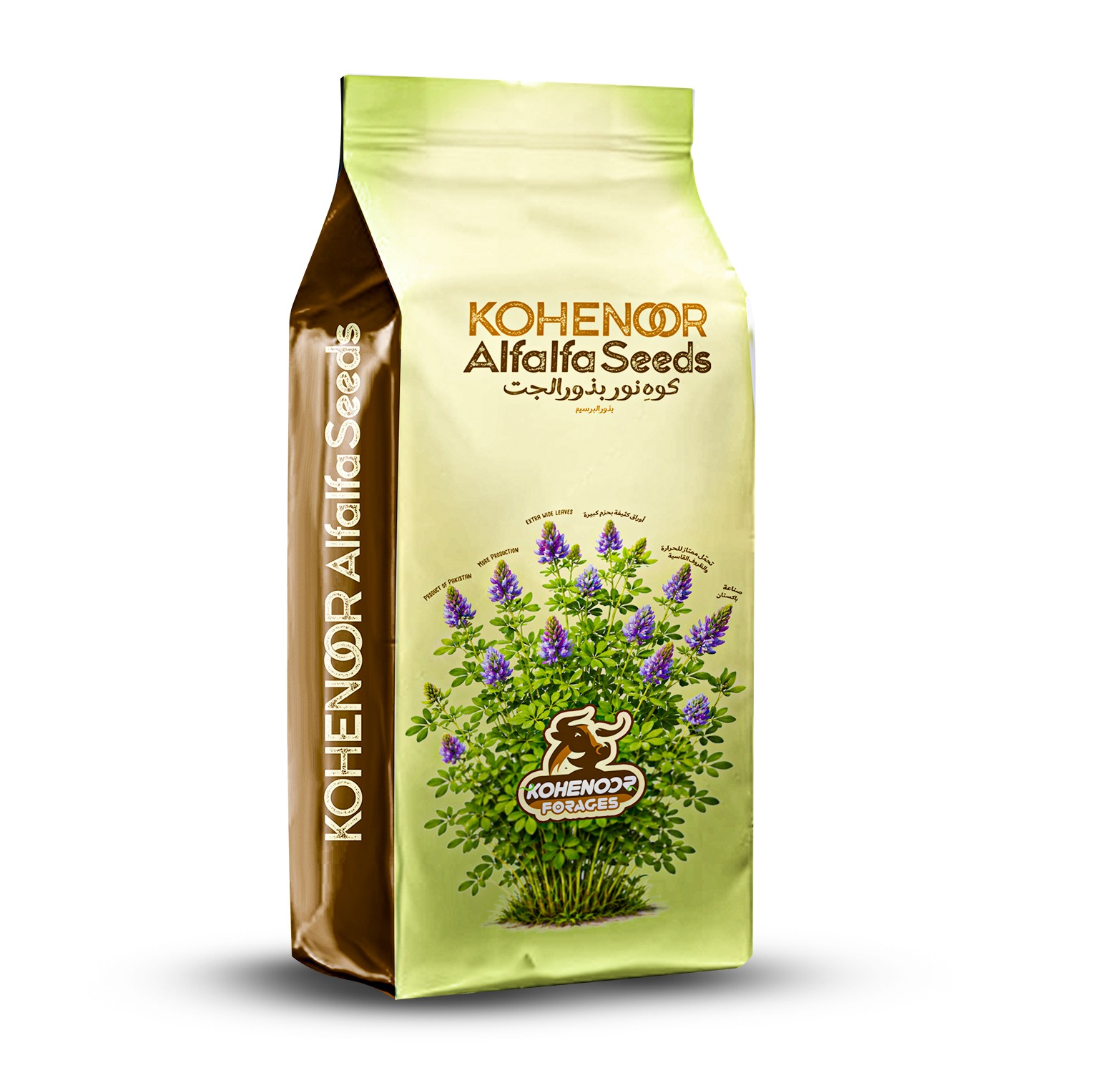
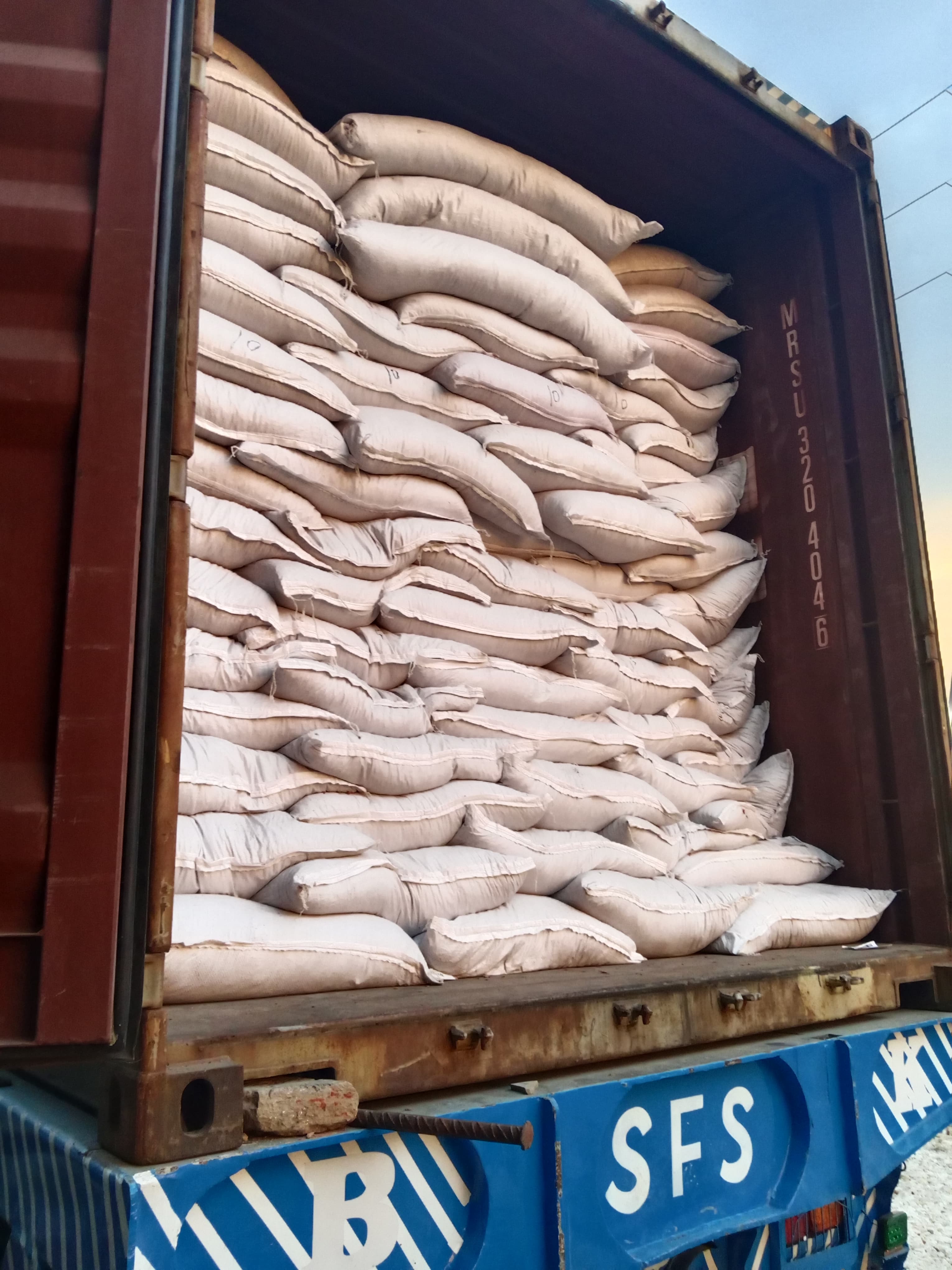
Packaging. 25 kg net in poly-lined polypropylene woven bags with a sealed lot tag; the liner keeps the seed's aromatic oils in and moisture out through sea transit. Private-label and OEM bags and retail-ready pouches are available on request for the home-growing and gourmet trade.
Minimum order. 500 kg (20 bags). Fennel is a lower-volume line and is almost always ordered as part of a mixed container with radish, mustard, cress, basil and other microgreen species; the minimum applies per species.
Lead time. In-stock lots ready for FOB Karachi vessel loading within 7–12 days of order confirmation. A fresh microbiology report, additional analyses or special packaging may add a few days.
Terms and payment. FOB Karachi, CFR or CIF on request. Payment 100% TT against bill of lading copy or irrevocable letter of credit at sight; easier terms for repeat buyers.
Destinations. USA, EU and UK, Japan, Korea, Taiwan, Singapore, Hong Kong, GCC, Australia and more. Store fennel seed cool, dry and sealed; it holds germination for a season or two in good conditions and loses it in heat and humidity.
For container planning, 25 kg bags palletise at roughly 40 bags to the tonne, and a 20-foot container carries on the order of 18–20 MT of bagged seed. Fennel is almost never shipped alone; restaurant-supply microgreen farms take it with radish, mustard, cress, basil and onion, and sprout houses add a few hundred kilos to a container built around alfalfa and radish. Each species is tagged and documented separately so every lot keeps its identity through customs and into your traceability records.
Microgreen farms supplying restaurants and premium salad packers are the main fennel buyers; it is a signature line that distinguishes a serious microgreen range. See for microgreen farms.
Premium salad and herb packers include fennel in aromatic microgreen mixes for upmarket retail.
Commercial sprout growers producing sprouted-seed mixes use fennel as a short, aromatic sprout in small proportion. See for commercial sprout growers.
Health-food distributors and re-packers list fennel in home-growing microgreen ranges for the flavour-led customer. See for health-food distributors.
Private-label brands have us pack under their own name at origin. See for private-label brands.
Fennel is the aromatic element in a microgreen blend. The chef's "aromatic mix" is fennel with basil and a little cress; the premium retail "herb microgreen" punnet pairs fennel with basil, onion and radish for colour; and a small proportion of fennel in a mild mix of alfalfa, clover and pea gives it a lift. Everything below ships with the same documents in the same container.
The whole range is compared on the sprouting seeds hub. Custom blends are mixed and packed at origin after a laboratory tray trial.
| Typical blend (by seed weight) | Fennel | Partners | Character |
|---|---|---|---|
| Aromatic chef's mix | about 40% | basil 40%, cress 20% | Perfumed, delicate |
| Premium herb punnet | about 25% | basil 25%, onion 25%, radish 25% | Aroma, savour and colour |
| Lifted mild sprout | about 10% | alfalfa 60%, clover 30% | Fresh with an anise note |
Fennel, basil and onion grow on similar two-week timetables and can be sown together; cress and radish are far faster and are grown separately and combined at packing. These proportions are common starting points rather than a formula; a laboratory tray trial shows you the punnet before you commit a container.
1. Send your requirement. WhatsApp +92 310 4929292 or email export@kohenoorint.com with quantity, destination port, intended use (microgreens or short sprouts), any specification your quality system needs and whether you want a sample first. Samples of current lots are available, and for a slow crop like fennel we recommend trialling a sample tray before the first container.
2. Receive the quotation and lot documents. Within 24 hours: quotation FOB Karachi (or CFR/CIF), COA and ISTA certificate for the proposed lot, and a shipping schedule.
3. Confirm and ship. On your purchase order and payment arrangement we book the vessel, complete the phytosanitary and origin certificates and load within 7–12 days for stock lots. The document set reaches you by email before the vessel arrives.


Send your product, quantity and destination port. The export desk replies personally with a quotation, current lot certificates and a shipping schedule — no bots, no obligation.
WhatsApp +92 310 4929292 export@kohenoorint.comYes. Every fennel sprouting lot we ship is natural, untreated seed: no fungicide, no insecticide, no coating or pelleting of any kind. Treated seed is never food-grade and we keep sprouting lots physically and administratively separate from our agricultural seed. The untreated status is written on the COA and on the lot tag.
On request, each lot is sampled and sent to an independent third-party laboratory for Salmonella and E. coli/STEC testing, and the report travels with the lot documents. Many buyers also run their own incoming-quality checks, and we encourage that; we will supply retained samples and the sampling record so your laboratory can correlate results with ours.
Yes. Organic-certified fennel lots (USDA NOP, EU Organic or JAS) are available subject to a 5 MT minimum and a 60–90 day lead time, because organic lots are grown and cleaned to order under certified handling. Tell us which certification your market needs and we will confirm the programme for the season.
The minimum order for fennel sprouting seed is 500 kg. In-stock lots ship within 7–12 days to FOB Karachi vessel loading. Transit time then depends on the destination port; your forwarder or ours will give you the sailing schedule when we confirm the order.
Yes. Beyond our standard 25 kg poly-lined PP woven bags with sealed lot tags, we offer private-label and OEM packaging, and retail-ready pouches, clamshells and sleeves on request. Send your artwork and pack sizes and we will quote the packaging alongside the seed.
We ship FOB Karachi (CFR/CIF on request) to the USA, EU and UK, Japan, Korea, Taiwan, Singapore, Hong Kong, the GCC states, Australia and many other destinations. Kohenoor serves buyers in 70+ countries and has offices in Pakistan, Dubai and Australia, so there is usually someone in or near your time zone.
Fennel is an umbellifer, and like its relatives (carrot, dill, coriander) it has a hard, slow-wetting seed and a naturally staggered germination. A pre-soak of 8–12 hours, an even, moist substrate at around 20–24 °C and patience in the dark phase all help. The biggest single factor, though, is the seed: a current-season, high-vigour lot narrows the emergence window dramatically, which is why we tray-trial every fennel lot and reject stragglers.
We would advise against it. Spice-grade fennel is sold on aroma and appearance, not viability; it is often several years old, routinely fumigated in store and sometimes steam-treated, all of which depress or destroy germination, and it is not tested for human pathogens. For a crop that occupies a tray for two to three weeks, the empty-tray risk is expensive. Our sprouting lots are current-season, untreated, unfumigated, ISTA-tested and tray-trialled.