Sprouting & microgreen seed · from origin

Chickpea sprouting seeds for sprout producers and health-food brands

Untreated · Sortex-cleaned · ISTA-tested · COA per lot · 25 kg bags · MOQ 500 kg

Sprouted chickpeas are the protein-dense, nutty, short-rooted sprout behind sprouted hummus, salad toppers, sprouted-grain snacks and the legume mixes of the South Asian kitchen. Kohenoor supplies untreated, food-grade Cicer arietinum sprouting lots from Pakistan — one of the world's great chickpea origins — Sortex-cleaned and ISTA-tested at origin, with lot-specific purity and germination on the COA and the full export document set.

Get a quote in 24h
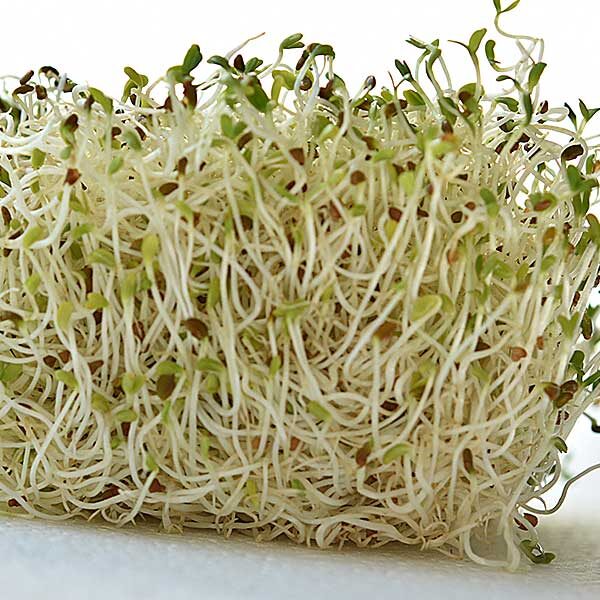
Fresh sprouts of the type grown from Kohenoor food-grade sprouting seed
In short: Chickpea sprouting seed is untreated, food-grade Cicer arietinum seed — usually the small, dark desi type for sprouting — selected for high, even germination and whole, undamaged seed. Kohenoor supplies it from origin in Pakistan: Sortex optical-cleaned, ISTA-tested per lot with purity and germination on the COA, third-party Salmonella and E. coli testing on request, sealed lot-tagged 25 kg bags, 500 kg minimum, FOB Karachi.
Untreated — no coatingSortex optical-cleanedISTA-tested per lotCOA within 24 hThird-party microbial testingLot-tagged traceabilitySince 1957Reply within 24 h
Botanical nameCicer arietinum (desi · kabuli)
Sprout time2–4 days (typical)
FlavourNutty, sweet, firm
GerminationLot-specific on COA
MOQ500 kg
Packaging25 kg lot-tagged bags

What chickpea sprouts are and who eats them

Chickpea sprouts are germinated seeds of Cicer arietinum, grown for two to four days until the root is roughly the length of the seed and the shoot has just begun to show. Unlike alfalfa or mung bean, the product is not a long stem but the swollen, softened chickpea itself with a short white tail — crunchy, sweet and nutty, eaten raw in salads and chaat, lightly steamed, blended into sprouted hummus or dried and roasted into snacks. The two commercial types are the small, angular, dark-brown desi chickpea, which is the better sprouter and the one most sprouting buyers want, and the larger, rounder, cream-coloured kabuli chickpea of Mediterranean cooking, which sprouts well but more slowly and is favoured for sprouted hummus where the paler colour matters.

The markets fall into three groups. The first is South Asia and its diaspora — India, Pakistan, the UK, the Gulf, North America — where sprouted chana is a traditional breakfast and salad food and is sold fresh in markets and increasingly in supermarket chilled packs. The second is the health-food trade in North America, Europe and Australia, where sprouted legumes have become a category of their own: sprouted hummus, sprouted chickpea snacks, sprouted legume flours and "activated" pulses. The third is the growing fresh-sprout market in the Gulf states and East Asia, where producers running alfalfa and mung are adding chickpea as a cooking-sprout line.

Who eats them? Anyone who eats chickpeas, in the end — and that is a very large number of people. The sprouted form adds a fresh, raw option to a staple that is otherwise always cooked, and a clear "sprouted" story to processed products in the health-food aisle. For a sprout producer or a health-food brand, chickpea is one of the few legume sprouts with a credible place in both the fresh chiller and the dry-goods shelf.

Formats differ by channel. In South Asia and its diaspora markets, sprouted chana is sold fresh by weight and, increasingly, in chilled 200–250 g packs in supermarkets. In the health-food trade the seed appears in "sprouting pulses" pouches and mixed-pulse sprouting packs, and the sprouted product appears as sprouted hummus in chilled tubs, as roasted sprouted-chickpea snacks and as sprouted chickpea flour. Demand for the fresh sprout is steady through the year; demand from processors follows their production schedules and is usually contracted by the season.
Nutrition: why consumers want sprouted chickpeas

Chickpeas are known as one of the most protein-rich pulses, typically around a fifth protein by dry weight, with substantial dietary fibre, folate, iron, manganese and other minerals. Sprouting is known for mobilising part of the storage protein and starch into simpler, more readily available forms, for raising the vitamin C content from near zero in the dry seed, and for reducing the phytates and oligosaccharides that make raw pulses hard to digest — which is the reason traditional diets sprout chickpeas before eating them raw, and the reason the health-food market has adopted the word "sprouted" on so many chickpea products.

We make no health claims, and we leave the detailed nutrition to the literature. What we can say from the trade is that the sprouted-legume category has grown steadily in the health-food and plant-based channels, that chickpea is its lead species because consumers already know and like the taste, and that the brands in that category need a reliable, untreated, food-grade seed supply in volume. That is what brings them to us.

For fresh sprout customers the appeal is immediate: a sprouted chickpea is sweet, crunchy and satisfying in a way that leafy sprouts are not, and it carries dressing and spice well. Texture and flavour depend on the seed. A good lot sprouts quickly and evenly, stays firm and sweet, and has few hard, unsprouted seeds; an old or damaged lot sprouts in waves, develops off-flavours in the soak and leaves rock-hard seeds in the pack. The seed is the product.

How chickpeas are sprouted commercially

Chickpea is a large seed with a straightforward sprouting cycle, but it is less forgiving of poor hygiene than the small-seeded species because its soak water is rich in starch and sugar. The ranges below are those producers commonly report.

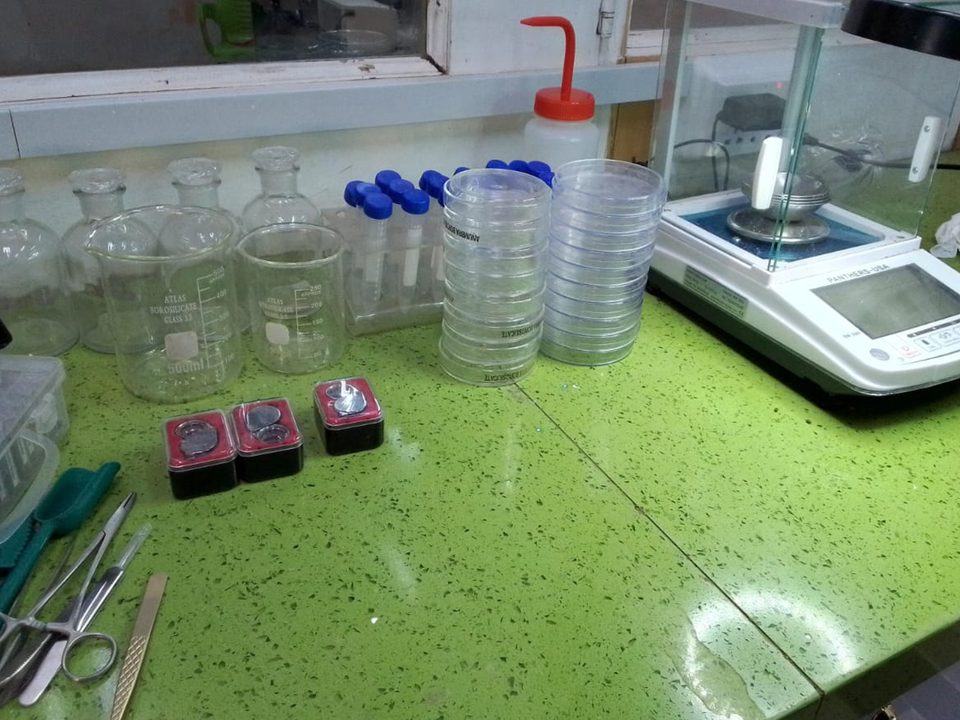
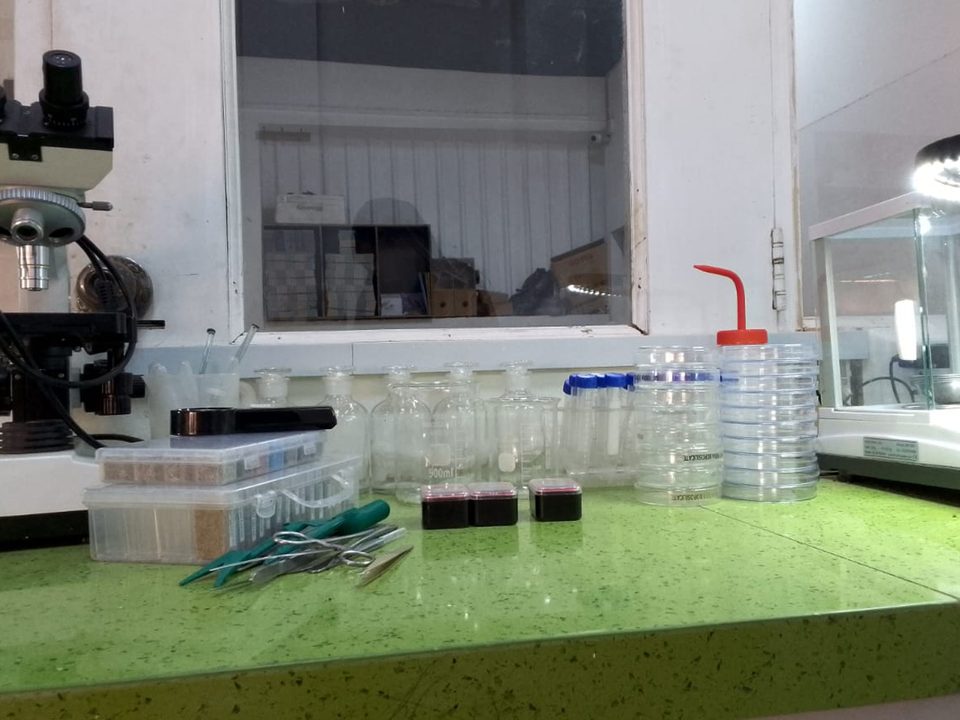
Kohenoor seed laboratory where chickpea sprouting lots are germination-tested

Three seed properties decide success. Germination — a dead chickpea is a hard, inedible lump in the finished pack, so every percentage point matters more here than in a stem sprout where ungerminated seed is hulled out. Skin integrity — cracked or chipped seed splits in the soak, leaks starch and starts spoilage. And uniformity of size — a sized lot takes up water at one rate and is ready together. Kabuli types soak and sprout more slowly than desi, so the two should not be mixed in one batch; we supply them as separate lots.

Sprouted chickpeas are also dried at low temperature and milled into sprouted flour, or roasted into snacks, by processors who buy the seed in volume. For them the same seed qualities apply, with purity and absence of foreign matter particularly important before milling.

The common faults a producer meets with chickpea are specific to a large, starchy seed. A sour or yeasty smell in the soak points to split seed, warm water or a soak that ran too long; change the water during the soak and use a cleaner lot. Hard, unsprouted seeds in the finished pack point to an old or fumigated lot, or to kabuli mixed into a desi batch. Slimy sprouts point to a wet mass with poor drainage and too little air. And a bitter or off taste usually means the sprouts were grown too long; the market wants a short tail and a sweet seed.

What a professional buyer should specify

Chickpeas are one of the most traded food commodities in the world, and commodity chickpea is not sprouting seed: it is often several seasons old, is bought on cooking quality rather than viability, may have been fumigated in store, and is never tested for human pathogens. Your purchase specification should make the sprouting grade explicit. Our lots are documented against the following.

ParameterWhat to ask forKohenoor chickpea sprouting lots
TypeDesi or kabuli, declared; not mixedDeclared on tag and COA
GerminationMinimum %, ISTA method, current-season testLot-specific on ISTA certificate and COA
Physical purityMinimum % pure, whole seedLot-specific on COA
Damaged / split / insect-bored seedMaximum %Removed by gravity and optical sorting
Size uniformitySized lot; state a screen range if you have oneScreen-sized and optically sorted
Other crop / weed seed and inert matterMaximum, no stones, soil, pod fragmentsWithin purity figure
MoistureMaximum % for safe storageStated on COA
Treatment statusUntreated, unfumigated, uncoated — in writingUntreated — on COA and tag
MicrobiologySalmonella, E. coli/STEC, third-party laboratoryPer lot on request
TraceabilityLot ID on every bagSealed lot tags, field→bag→warehouse

Insist on a current germination test; a chickpea looks the same at 95% and 60% viability, and old commodity stock is where disappointing batches come from. Insist on "unfumigated" — residual fumigant depresses germination and is unacceptable in a seed eaten raw within days. And specify a maximum for insect-bored seed; the chickpea's size makes stored-product insects a real risk in commodity stock, and a bored seed will not sprout and will spoil.

Processors milling sprouted flour should also specify foreign-matter limits tight enough for their line — no stones, glass or metal — and we will run the lot through the appropriate separation. Tell us at enquiry.

Incoming-quality checks are simple. On arrival, draw a sample from several bags, count out four lots of one hundred seeds, soak for twelve hours and germinate on moist paper at around 20–22 °C; count normal seedlings at three to four days and compare with the COA. Look over a handful for splits, chips, insect holes and stones of seed size, and check that the type is uniform. Smell the soak water; it should be clean and faintly sweet. Photograph anything that does not match the documents and send us the lot ID the same day.

Why origin and cleaning matter for chickpea

Pakistan is among the world's largest chickpea producers, and the desi type that sprouts best is the one grown here in volume. Buying sprouting lots at origin, from the current season, means the seed has not spent a year or two in commodity storage losing viability and gaining fumigant. Sindh's long dry ripening season brings the crop to harvest at low moisture, which protects germination and keeps the mould counts that start in a wet field low from the beginning.

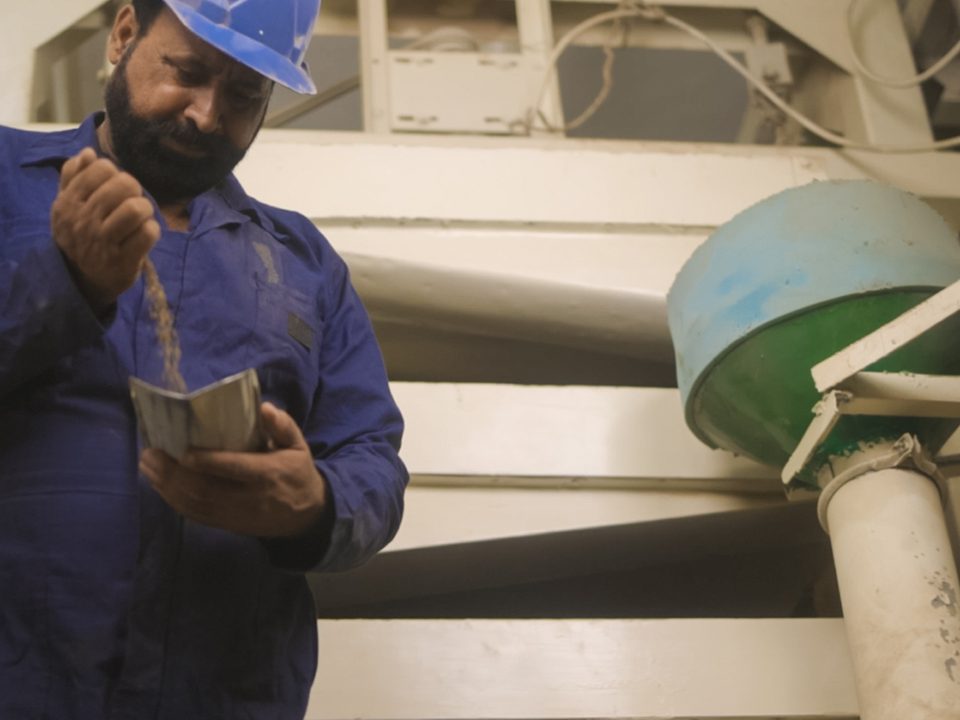
Seed cleaning and sizing plant where Kohenoor chickpea sprouting lots are processed

Cleaning chickpeas for sprouting is about whole seed and uniform size. The harvested crop carries pod and stem fragments, soil, small stones of chickpea size (a real problem in this crop), split and cracked seed from threshing, shrivelled immature seed and, in some seasons, insect-bored seed. Our line screens the lot to a uniform size range, takes out stones and light or immature seed on the gravity table and de-stoner, and passes every seed through Sortex optical sorting, which rejects split, chipped, bored, discoloured and off-type seed one at a time. What arrives is a lot of whole, bright, uniform chickpeas that take up water together and sprout together.

Chickpea is not a dodder crop, and weed seed is rarely a problem at this seed size; the cleaning challenge is damage and stones, and the optical and gravity stages are where that is solved. Because the grower, the cleaner and the exporter are the same company, every lot has one continuous record under its lot ID, from field to bag.

Food safety and documents for chickpea sprouting seed

Chickpea seed intended for sprouting is a food ingredient under the rules of every major importing market. Whether your product is a fresh sprout, a sprouted hummus or a sprouted flour, your auditor will want the seed documentation. The export desk prepares it for every consignment.

Kohenoor is ISO 9001 and HACCP certified, with the HACCP plan covering the segregation of untreated food-grade lots from commodity and agricultural stock, cleaning-line hygiene, sampling and retained samples. The food safety and testing page describes the programme.

Kohenoor's quality process for chickpea lots

Chickpea lots for the sprouting programme are drawn from the current harvest, from fields with clean histories, and brought straight onto the food-grade cleaning run. Each lot is sampled under ISTA rules and tested in our laboratory for germination, purity and moisture before release, then sent for the ISTA Orange Certificate.

Germination testing of chickpea sprouting seed in the Kohenoor laboratory

Every chickpea lot is also test-sprouted — soaked, drained and grown for three days — because this is a seed where the tray reveals what the paper does not: how fast the lot takes water, whether any seed splits in the soak, whether the soak water stays clean, how even the root emergence is and how many hard seeds remain. A lot that sours or sprouts unevenly goes to the food trade, not to a sprout producer. Only lots that pass both tests are tagged as sprouting seed.

The cleaning sequence is screen sizing, de-stoning and gravity separation, then Sortex optical sorting, with documented clean-down between lots. Bags are filled, weighed, sealed and tagged with lot ID, type, size range, test date and net weight; retained samples are kept from every lot. The lot ID links field record, cleaning record, laboratory results, sprouting trial and microbiology report, so one number recovers the lot's whole history.

A person on the export desk — in Pakistan, Dubai or Australia — replies within 24 hours with the lot documents attached and stays with your order until it is cleared at the destination port.

Packaging, minimum order, lead time and payment

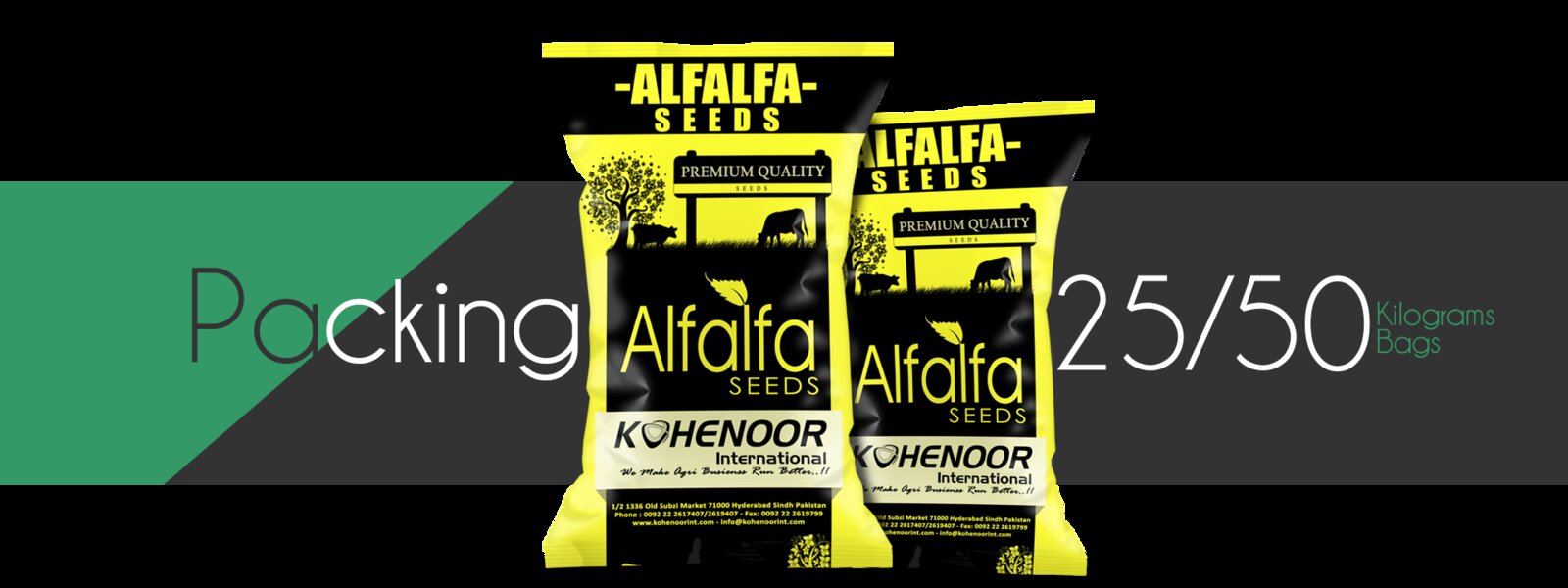
Packaging. 25 kg net in poly-lined polypropylene woven bags with a sealed lot tag. Private-label and OEM bags and retail-ready pouches are available on request; chickpea is a strong line in home-sprouting ranges and in "sprouting pulses" packs, and we fill consumer pouches at origin for several re-packers.

Minimum order. 500 kg (20 bags) per type. Chickpea is usually one line in a mixed container with mung bean, fenugreek, alfalfa and radish; the minimum applies per species.

Lead time. In-stock lots ready for FOB Karachi vessel loading within 7–12 days of order confirmation. A fresh microbiology report or special packaging may add a few days.

Terms and payment. FOB Karachi, CFR or CIF on request. Payment 100% TT against bill of lading copy or irrevocable letter of credit at sight; easier terms for repeat buyers.

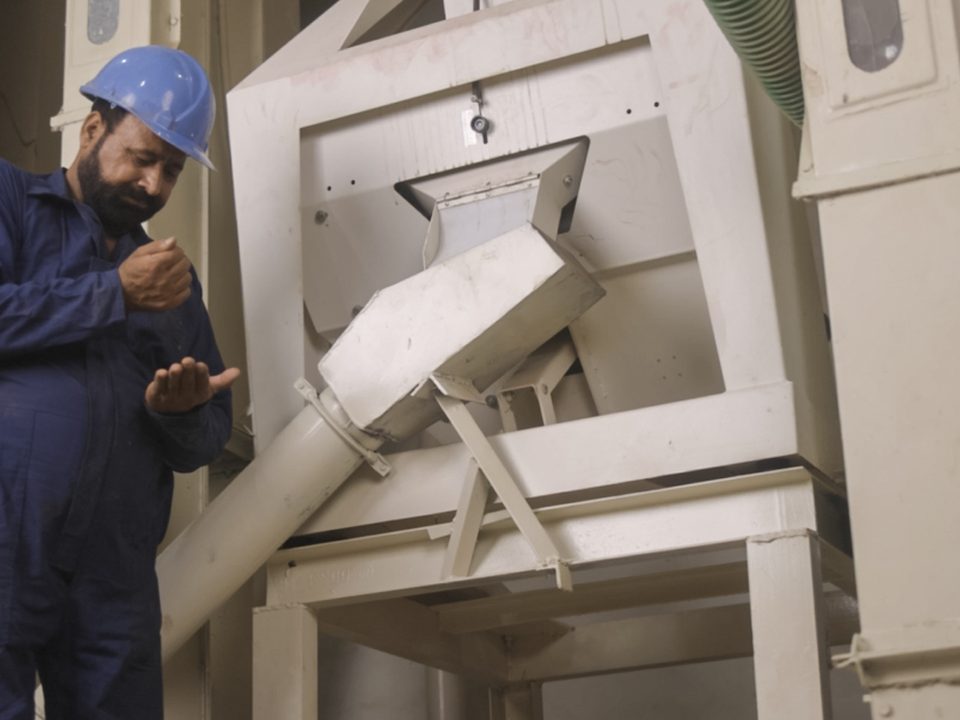
Bagging and sealing of food-grade seed on the Kohenoor packing line

Destinations. USA, EU and UK, Japan, Korea, Taiwan, Singapore, Hong Kong, GCC, Australia and more. Chickpea sprouting seed keeps well in cool, dry storage; keep it away from heat and humidity, and from any stored-product insect risk, on arrival.

For container planning, 25 kg bags palletise at roughly 40 bags to the tonne, and a 20-foot container carries on the order of 18–20 MT of bagged seed. Chickpea is usually one line in a pulse-led container with mung bean and fenugreek, or a few hundred kilos added to a sprout house's container built around alfalfa and radish. Processors buying for sprouted flour or hummus often take chickpea alone by the full container on a seasonal programme. Each species is tagged and documented separately so every lot keeps its identity through customs and into your traceability records.

Who buys chickpea sprouting seed from Kohenoor

Commercial sprout growers run chickpea as a cooking-sprout line alongside mung bean, for the South Asian and health-food chiller. See for commercial sprout growers.

Sprouted-food processors — makers of sprouted hummus, sprouted chickpea snacks and sprouted legume flours — buy the seed in volume on a programme basis and value the current-season germination and the clean, stone-free lot.

Health-food distributors and re-packers sell chickpea in sprouting-pulse packs and home-sprouting ranges. See for health-food distributors.

Private-label brands have us pack under their name at origin. See for private-label brands.

Microgreen farms use chickpea only occasionally, for chickpea shoots in the restaurant trade. See for microgreen farms.

The questions these buyers ask us first are consistent. Is the seed unfumigated and current-season — yes, both declared on the COA with the test date. Desi or kabuli, and are they kept apart — yes, separate lots, never mixed. What is the maximum for split and insect-bored seed — stated per lot on the COA after gravity and optical sorting. Can you supply a microbiology report — yes, independent laboratory, per lot on request. Can you tighten foreign-matter limits for milling — yes, tell us at enquiry. And can the chickpea travel with our mung bean and fenugreek — yes, in one container, each species documented separately.

Blends and the rest of the sprouting range

Chickpea is the backbone of the legume sprout mixes sold for cooking and salads: chickpea with mung bean and fenugreek is the South Asian classic, and chickpea with mung, lentil and adzuki is the European "sprouting pulses" mix. For the health-food channel, a sprouting-pulse pack built from our chickpea, mung and fenugreek ships with one document set in one container. Everything below is available alongside.

The whole range is compared on the sprouting seeds hub. Custom pulse mixes are blended and packed at origin after a laboratory sprouting trial.

Typical blend (by seed weight)ChickpeaPartnersCharacter
South Asian legume mixabout 25%mung bean 50%, fenugreek 25%Short sprouts for salads and cooking
Sprouting pulses packabout 40%mung bean 40%, fenugreek 20%For the health-food shelf
Nutty salad topperabout 70%sesame 30% (short sprout)Crunchy, protein-rich

Pulse mixes are generally sprouted separately — chickpea needs a longer soak than mung or fenugreek — and combined at packing, or sold dry as a mix for the customer to sprout. These proportions are common starting points rather than a formula; a laboratory trial shows you the result before you commit a container.

How to order chickpea sprouting seed in three steps

1. Send your requirement. WhatsApp +92 310 4929292 or email export@kohenoorint.com with type (desi or kabuli), quantity, destination port, any specification your quality system needs and whether you want a sample first. Samples of current lots are available.

2. Receive the quotation and lot documents. Within 24 hours: quotation FOB Karachi (or CFR/CIF), COA and ISTA certificate for the proposed lot, and a shipping schedule.

3. Confirm and ship. On your purchase order and payment arrangement we book the vessel, complete the phytosanitary and origin certificates and load within 7–12 days for stock lots. The document set reaches you by email before the vessel arrives.

See the seed, the lab and the loading

Other sprouting seeds we export

Sesame sprouting seed
Sesame sprouting seedWhite and black sesame for short sprouts and sprouted-seed butters.
View seed →
Mustard sprouting seed
Mustard sprouting seedHot, fast and reliable — the classic microgreen for spicy mixes.
View seed →
Cress sprouting seed
Cress sprouting seedGarden cress — the punnet classic, peppery and ready in a week.
View seed →
Fennel sprouting seed
Fennel sprouting seedAnise-scented microgreen for chefs and premium salad packers.
View seed →

Talk to a real person — quote within 24 hours

Send your product, quantity and destination port. The export desk replies personally with a quotation, current lot certificates and a shipping schedule — no bots, no obligation.

export@kohenoorint.com

Frequently asked questions

Is it untreated?

Yes. Every chickpea sprouting lot we ship is natural, untreated seed: no fungicide, no insecticide, no coating or pelleting of any kind. Treated seed is never food-grade and we keep sprouting lots physically and administratively separate from our agricultural seed. The untreated status is written on the COA and on the lot tag.

Do you test for Salmonella and E. coli?

On request, each lot is sampled and sent to an independent third-party laboratory for Salmonella and E. coli/STEC testing, and the report travels with the lot documents. Many buyers also run their own incoming-quality checks, and we encourage that; we will supply retained samples and the sampling record so your laboratory can correlate results with ours.

Can you supply organic?

Yes. Organic-certified chickpea lots (USDA NOP, EU Organic or JAS) are available subject to a 5 MT minimum and a 60–90 day lead time, because organic lots are grown and cleaned to order under certified handling. Tell us which certification your market needs and we will confirm the programme for the season.

What are the MOQ and lead time?

The minimum order for chickpea sprouting seed is 500 kg. In-stock lots ship within 7–12 days to FOB Karachi vessel loading. Transit time then depends on the destination port; your forwarder or ours will give you the sailing schedule when we confirm the order.

Do you do private label?

Yes. Beyond our standard 25 kg poly-lined PP woven bags with sealed lot tags, we offer private-label and OEM packaging, and retail-ready pouches, clamshells and sleeves on request. Send your artwork and pack sizes and we will quote the packaging alongside the seed.

Which countries do you ship to?

We ship FOB Karachi (CFR/CIF on request) to the USA, EU and UK, Japan, Korea, Taiwan, Singapore, Hong Kong, the GCC states, Australia and many other destinations. Kohenoor serves buyers in 70+ countries and has offices in Pakistan, Dubai and Australia, so there is usually someone in or near your time zone.

Desi or kabuli chickpea for sprouting?

Desi — the small, dark, angular type grown widely in Pakistan — germinates faster and more evenly, and is the choice for fresh sprouts and for most sprouting-pulse packs. Kabuli — the large, round, cream type — sprouts well but more slowly, and is preferred where a pale colour matters, as in sprouted hummus. We supply both as separate lots; do not mix them in one batch, as they soak and sprout at different rates.

Can sprouting-grade chickpeas be used for sprouted flour or snacks?

Yes, and several processors buy them for exactly that. The same seed qualities apply — current-season germination, whole undamaged seed, uniform size — plus tighter foreign-matter limits before milling. Tell us at enquiry that the lot is for processing and we will run the additional separation and state the foreign-matter result on the COA.

Related pages

WA