Sprouting guide · from a seed grower

How to sprout alfalfa seeds — jar method, timing, troubleshooting and where to buy seed

A complete guide to growing alfalfa sprouts at home or at scale, written by the company that grows and cleans the seed.

Alfalfa is the easiest sprout to grow and the one most people start with: a tablespoon of seed, a glass jar, a mesh lid and tap water give you a jar full of crisp green sprouts in about a week. This page walks through the jar method step by step, explains how long alfalfa sprouts take, what to do when they are not sprouting or smell wrong, what the food-safety guidance says, and — honestly — where to buy alfalfa seeds for sprouting, whether you need a small pack or a container.

Get a quote in 24h
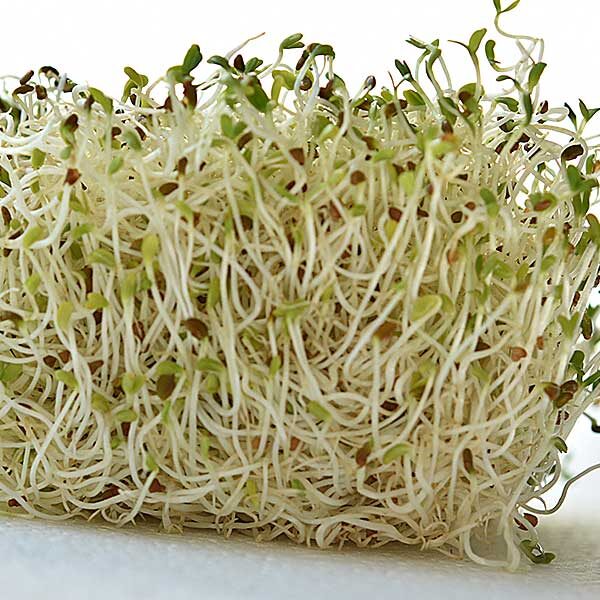
Fresh alfalfa sprouts at harvest stage, grown from untreated alfalfa seed sold for sprouting
In short: To sprout alfalfa seeds in a jar, put 1–2 tablespoons of seed sold for sprouting into a quart jar, soak 6–12 hours, drain, then rinse and drain two to three times a day with the jar inverted at an angle. Sprouts are typically ready in 5–7 days; give them indirect light on the last day, rinse off the hulls, dry and refrigerate for up to about a week.
Seed sold for sproutingUntreated — no coatingSortex optical-cleanedISTA-tested per lotCOA within 24 hThird-party microbial testingLot-tagged traceabilitySince 1957
Seed per quart jar1–2 tablespoons
Soak6–12 hours
Rinse2–3 times a day
Days to harvest5–7 (typical)
Yield~6–8× seed weight
Fridge lifeUp to ~7 days

How to sprout alfalfa seeds in a jar — the short version

Alfalfa (Medicago sativa) is forgiving: it germinates fast, tolerates a missed rinse better than mung bean does, and tells you clearly when something is wrong. These are the steps home sprouters, health-food shops and commercial sprout growers all follow, scaled up or down.

  1. Measure. Put 1 to 2 tablespoons (roughly 10–20 g) of alfalfa seed sold for sprouting into a clean quart or 1-litre wide-mouth glass jar. Start with one tablespoon for a first batch.
  2. Rinse. Cover with cool water, swirl, and pour off through a mesh lid or cheesecloth held on with a band. Do this twice to wash off dust and floating hulls.
  3. Soak. Cover the seed with two to three times its depth in cool water for 6 to 12 hours — overnight is the usual habit. Do not go much beyond 12 hours; alfalfa left in water for a day can sour.
  4. Drain and invert. Pour the soak water away through the mesh, shake the jar so the seed spreads along the glass, then stand it upside-down at about 45 degrees in a bowl or dish rack so the last water drains and air enters. Room temperature, out of direct sun.
  5. Rinse and drain, two to three times a day. Morning and evening is the minimum; add a midday rinse in warm weather. Fill with cool water, swirl, drain fully, return to the angle.
  6. Green up. On day five or six, when the sprouts are 2–5 cm and have filled the jar, move it into indirect light — a bright windowsill out of direct sun — for a day. The leaves turn from pale yellow to green.
  7. De-hull and dry. Tip the sprouts into a large bowl of cool water and stir; the loose brown hulls float or sink. Skim them off, lift the sprouts out and spin or pat them dry.
  8. Store. Refrigerate dry sprouts in a covered container lined with a paper towel. They typically keep up to about seven days.

That is the whole method. One part seed typically becomes six to eight parts sprouts by weight, which is why the small jar fills so dramatically. The sections below expand each step and answer the questions people type most often: how long do alfalfa sprouts take, why are my alfalfa sprouts not sprouting, is it safe, and where to buy alfalfa seeds for sprouting.

What you need before you start: alfalfa seeds for sprouting, a jar and a lid

The single most important decision is the seed. Most alfalfa seed in the world is sold to farmers for planting, and that seed is often treated with a fungicide, coated with rhizobium inoculant and a clay or polymer layer, or simply handled as agricultural seed with no attention to food hygiene. It is not for eating. Seed intended for sprouts is sold as alfalfa seeds for sprouting: untreated, uncoated, cleaned to a high standard and, from a serious supplier, tested for germination and for microbial contamination. Only ever sprout seed labelled or specified for sprouting. The alfalfa sprouting seed product page describes that specification from a grower's point of view.

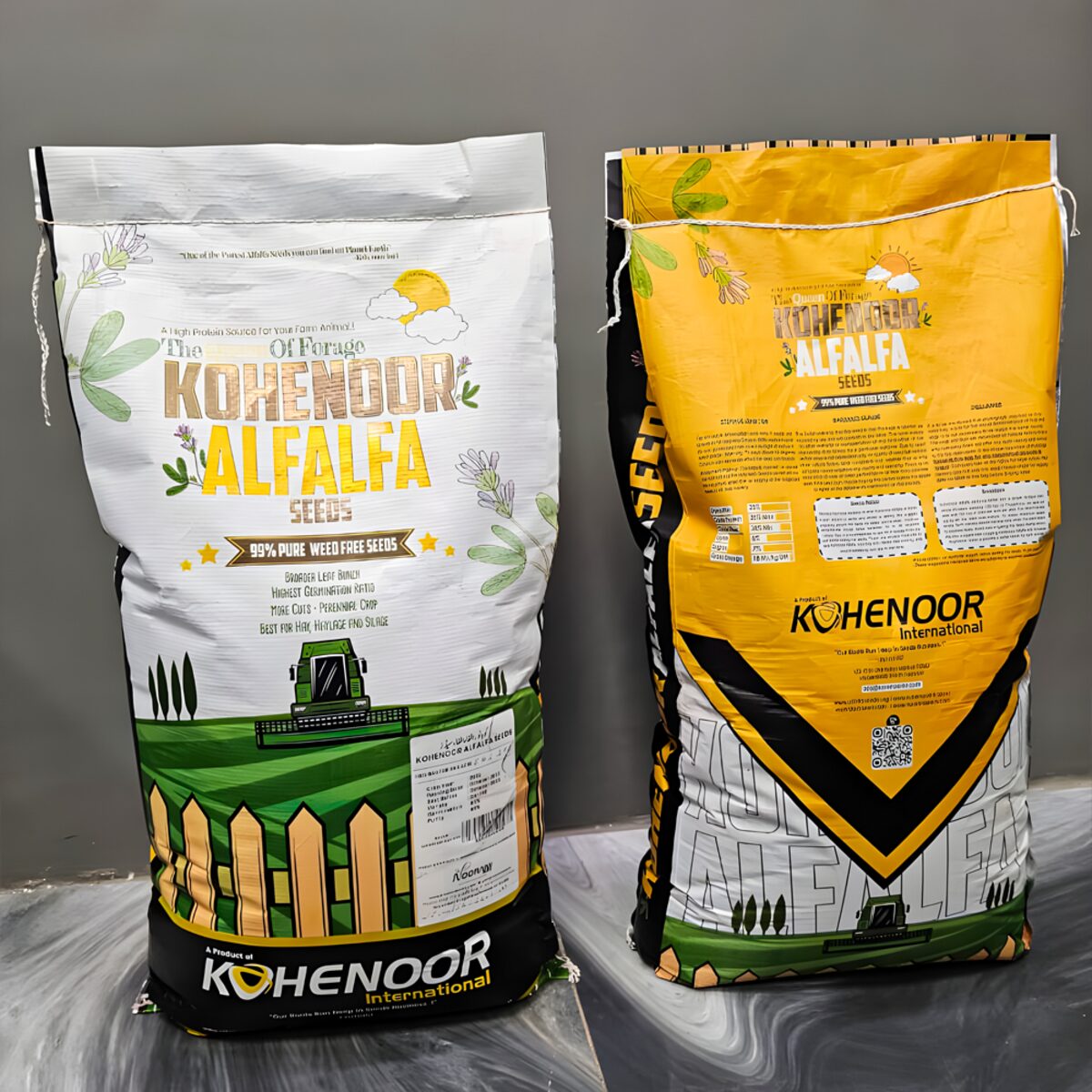
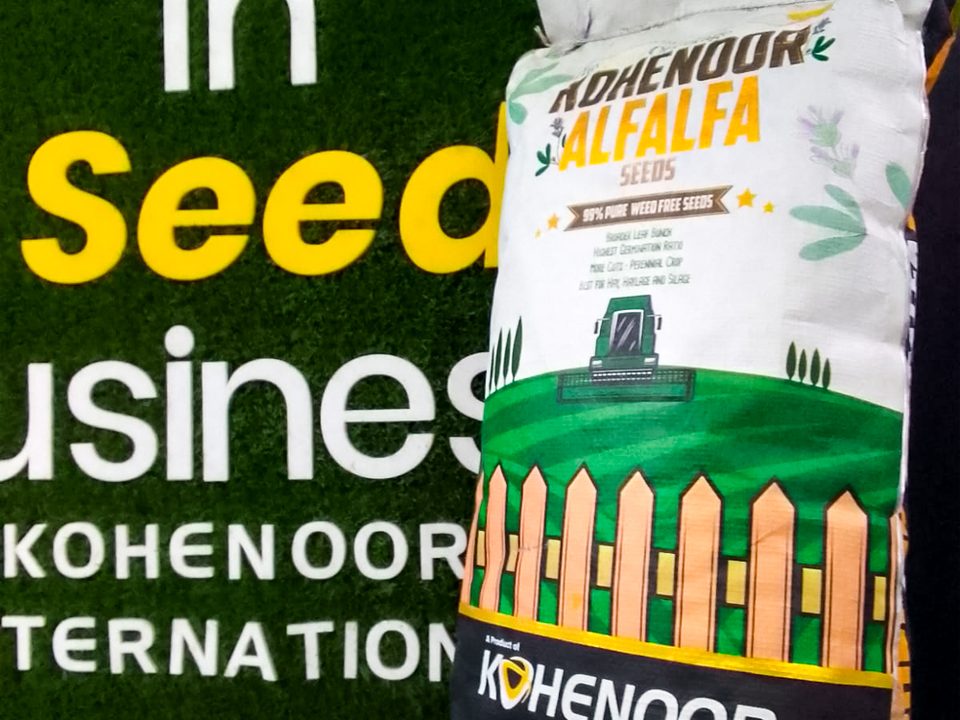
A 25 kg bag of untreated Kohenoor alfalfa seed cleaned and tested for sprouting, with sealed lot tag

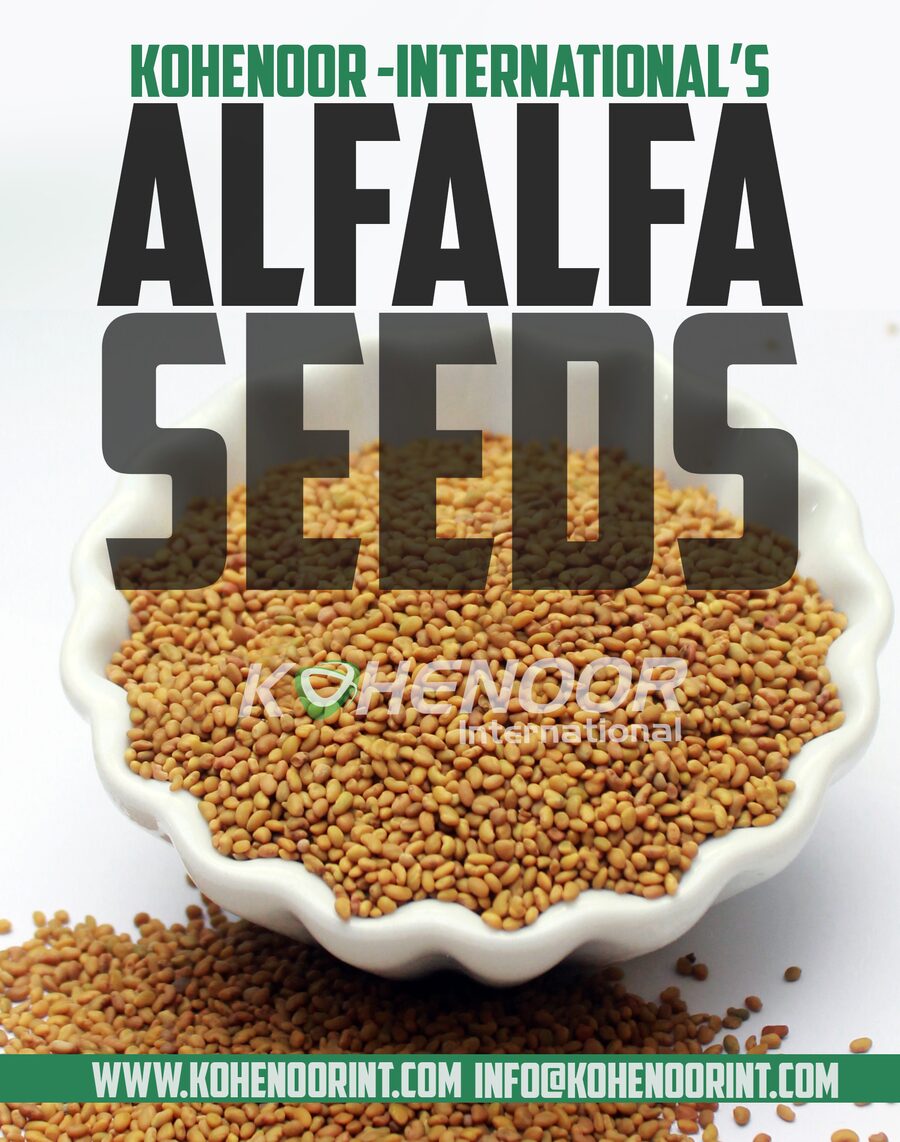
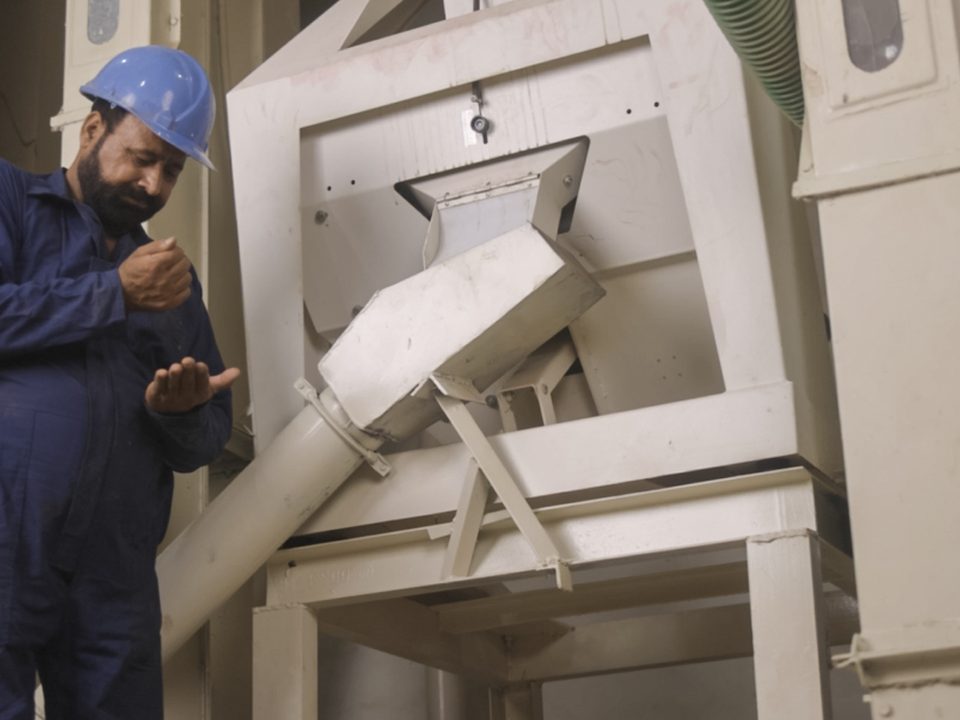
Good sprouting seed has visible qualities. The seeds are small — around 1.5 to 2 mm — kidney-shaped and uniformly olive to tan, with almost no chaff, stones, odd-coloured grains or visible weed seed. Pour a tablespoon onto a white plate: if more than a few grains are shrivelled, blackened or obviously another species, the lot has not been cleaned well and germination will be patchy. Optical sorting (Sortex) removes those off-colour grains, which is why a well-cleaned lot looks almost unnaturally even.

Beyond the seed, the kit is modest:

You do not need a heat mat, grow light or nutrient solution. Alfalfa sprouts live on the reserves in the seed and on water.

How to grow alfalfa sprouts in a jar, day by day

Here is what to expect over a typical week at room temperature. Timings shift a day either way with temperature and with the vigour of the lot, so treat the days as a guide and watch the sprouts rather than the calendar.

Day 0, evening — soak. Rinse the measured seed twice, then cover with cool water. The seeds swell visibly and the water may turn faintly amber. Leave 6–12 hours.

Day 1, morning — drain. Pour off the soak water, rinse, drain again, and set the jar on its angle. From now on the seed is never left sitting in water. By the evening rinse the first white root tips show on the more vigorous seeds.

Day 2 — roots. Most of the seed has germinated; roots are 5–10 mm and the volume has roughly doubled. Rinse morning and evening (and midday if the room is warm). Roll the jar gently after each drain so the sprouts spread along the glass instead of clumping at the bottom.

Day 3 — stems. Sprouts are 1–2 cm, pale yellow-white, seed coat still attached at the tip. The jar is half full. This is when you first notice fine white fuzz around the roots after draining — root hairs, not mould; they vanish when you rinse again.

Day 4 — filling the jar. Sprouts are 2–3 cm and the jar is three-quarters full. The two cotyledon leaves are visible, still pale. Hulls begin to loosen and some wash out with each rinse, which is welcome.

Day 5 — nearly there. The jar is full; sprouts are 3–5 cm. Check that water still drains freely — if the mass has packed against the mesh, loosen it with a clean fork. Move the jar into indirect daylight so the leaves green over the next 24 hours.

Day 6 or 7 — harvest. Leaves are green, stems crisp, taste mild and slightly nutty. Harvest before the first true leaves push through, which is when alfalfa sprouts turn grassy and lose their crunch.

Harvest is a wash in a large bowl of cool water. Stir to free the hulls, which mostly float; skim them off, then lift the sprouts out by hand, leaving sunken hulls and ungerminated seed behind. Drain and dry in a salad spinner or on a clean towel. Dry sprouts keep; wet sprouts do not.
How long do alfalfa sprouts take?

Alfalfa sprouts typically take five to seven days from the start of the soak to harvest at room temperature. The variables are temperature, seed vigour and how long you let the sprouts green. In a warm kitchen at 24 °C with a vigorous lot you may harvest on day five; in a cool room at 18 °C the same seed may want seven or eight days. Commercial sprout houses, with controlled rooms and high-germination seed, run alfalfa on a fixed cycle inside the same window.

StageTypical timingWhat you should see
Soak6–12 hoursSeed swells to roughly twice its size; water faintly amber
First root tips12–24 hours after drainingWhite tips on the more vigorous seeds
Majority germinatedDay 2Roots 5–10 mm; volume doubled
Stems formingDay 3Sprouts 1–2 cm; root hairs visible after draining
Jar fillingDay 4Sprouts 2–3 cm; cotyledons visible; hulls loosening
GreeningDay 5–6Indirect light; leaves turn green in about 24 hours
HarvestDay 6–7Green leaves, crisp stems, 3–5 cm; before true leaves appear

Germination percentage affects how the batch looks more than how long it takes: a lot testing at 90 percent or better germinates almost in unison and fills the jar evenly, while a lot at 70 percent leaves a layer of hard, ungerminated seed at the bottom. That is why sprouting-grade seed is specified by germination as well as purity. Greening is optional: sprouts eaten on day five without a day in the light are perfectly good and slightly sweeter. For a continuous supply, start a new jar every two or three days.

Tray, bag and automatic sprouter methods for alfalfa

The jar is the right tool for a household, but anyone sprouting for a shop, a café or a farm shop will outgrow it. The alternatives follow the same biology — soak once, then rinse and drain often, with air and without standing water — and differ in how much seed they handle and how much labour they save.

Stacking tray sprouters. Towers of two to four shallow perforated trays over a drip base; soaked seed is spread thinly on each tray and water poured over the top two or three times a day drains down the stack. Alfalfa does well in trays because the sprouts grow upright and green evenly. Spread seed no more than one or two layers deep; piled seed stays wet and is where mould appears first. Trays suit several species at once — alfalfa on one tier, radish or clover on another.

Sprouting bags. A hemp or linen bag is soaked with the seed inside, then hung over the sink and dunked two or three times a day. Bags drain and breathe well, though very small sprouts such as alfalfa can grow into the weave.

Automatic sprouters. Countertop units with a pump and timer mist the seed on a schedule, removing the rinse discipline that most failed batches come down to. Keep the reservoir clean and change the water daily; stale water in the tank is a very efficient way to grow bacteria.

Rotary drums and commercial rooms. Commercial alfalfa sprouts are grown in slowly rotating perforated drums or deep trays in temperature-controlled rooms with timed irrigation, then de-hulled and dried on a line. The principles are unchanged, but the scale is tonnes of seed a week and the seed requirements become formal: a stated germination figure, a purity figure, an untreated declaration and lot-level microbial testing. The page for commercial sprout growers covers that world.

Whichever method you use, the three rules are identical: never let seed sit in water after the initial soak, drain completely every time, and keep air moving around the sprouts.

Alfalfa sprouts not sprouting? Mould, smell and poor germination explained

A jar of alfalfa that goes wrong almost always goes wrong in one of four ways, each with a different cause.

1. Nothing is germinating, or only a few seeds after two days. The most likely explanation is seed that was never meant to be sprouted: old seed, pasture seed that has been treated or heat-damaged, or a culinary pack never tested for germination. Seed sold for sprouting carries a laboratory germination figure — typically 90 percent or better for alfalfa — and shows root tips on most seeds within 24 hours of draining. If you have good seed and still see nothing, check the temperature: a cold windowsill in winter slows germination to a crawl. Soaking beyond about 12 hours, or in hot water, can also kill a share of the seed.

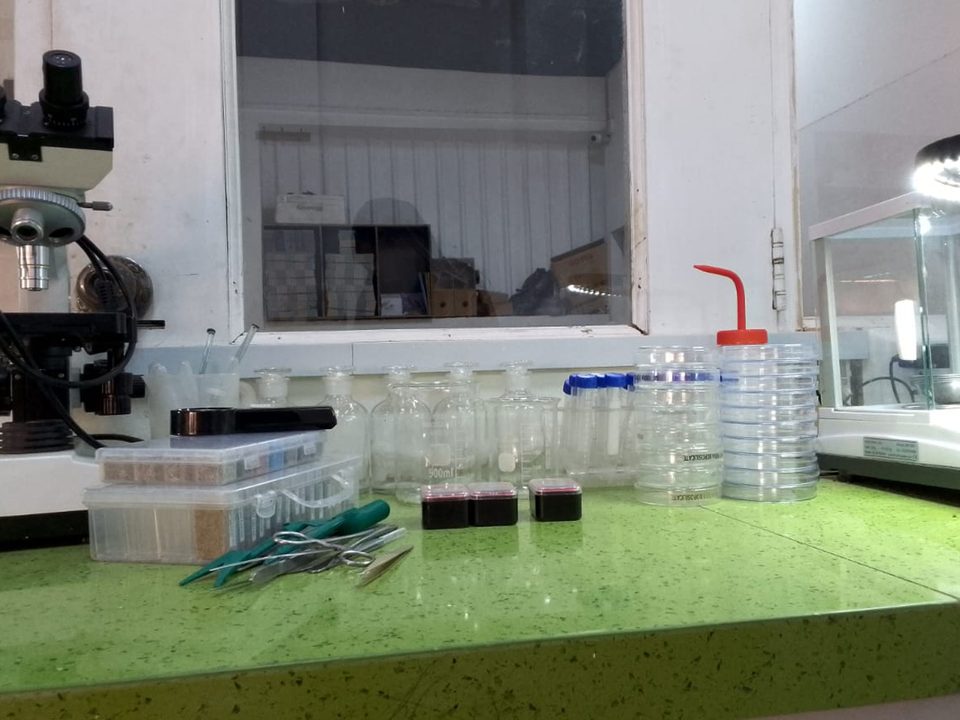
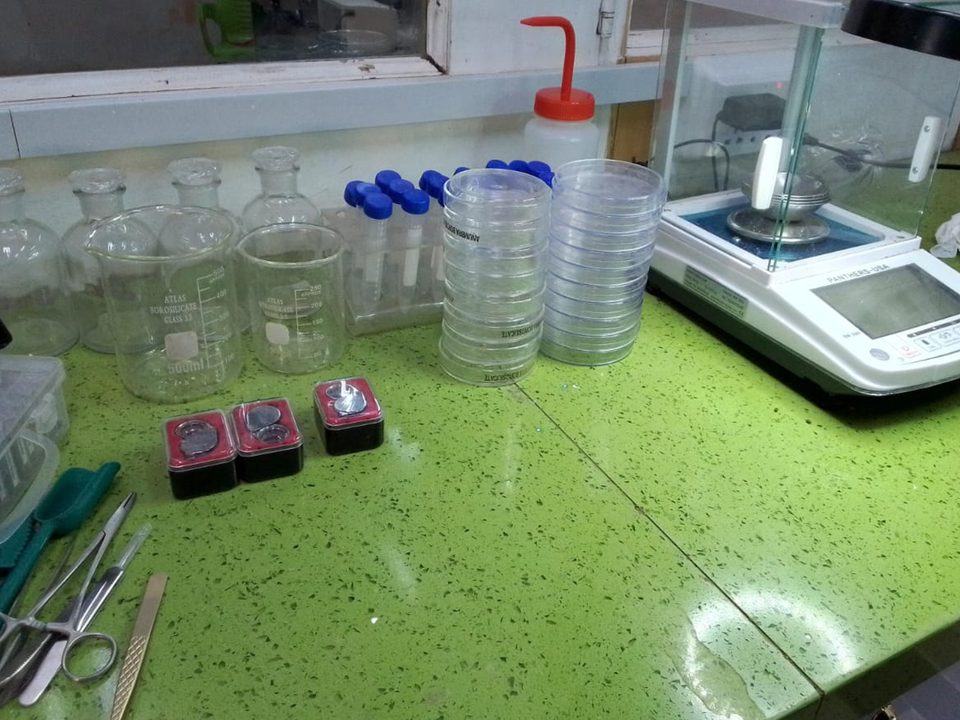
Germination testing of alfalfa sprouting seed in the Kohenoor seed laboratory — the test behind the 90 percent figure on a lot's certificate

2. White fuzz on the roots — mould or root hairs? Every new sprouter asks this, usually on day three. Alfalfa grows a halo of extremely fine white root hairs when the roots dry slightly between rinses; it looks like mould but is normal and a sign the jar is draining well. The test is simple: rinse the jar. Root hairs collapse flat the moment they are wet. Mould does not — it stays fluffy or slimy, is usually grey, blue-green or patchy, grows in clumps where seed is packed, and smells musty, sour or rotten rather than of fresh grass.

3. The jar smells sour, yeasty or like drains. Smell means bacterial or fungal growth, caused by standing water, incomplete drainage, too much seed or too warm a room. A jar that genuinely smells bad should be composted, not eaten; do not try to rinse your way out of it. Wash the jar and lid in hot soapy water and restart with less seed and more frequent rinsing.

4. Leggy, pale, tangled or stringy sprouts. Too warm with too little light, left too long, or an overfilled jar that was never rolled. The table has the fixes.

SymptomMost likely causeFix
Few or no sprouts after 48 hSeed not sold for sprouting, old, treated or heat-damaged; room too coldUse tested sprouting seed; move to 18–24 °C
White fuzz that vanishes on rinsingRoot hairs — normalNothing; keep rinsing
Grey, patchy or slimy fuzz that stays after rinsingMould — too wet, too warm, too much seedDiscard; sterilise jar; restart with less seed
Sour or rotten smellStanding water, poor drainage, heatDiscard; improve drain angle; rinse 3×/day
Hard seeds at the bottom at harvestLow-germination lotFloat them off; buy seed with a stated germination figure
Leggy, pale sproutsToo warm, no lightCooler spot; green up a day earlier
Bitter, stringy sproutsHarvested too lateHarvest at day 5–7, before true leaves

If everything else is ruled out, suspect the water: try filtered or boiled-and-cooled water for one batch.

Alfalfa sprouts safety: what the public-health guidance says

This section is written plainly because it matters. Sprouts of all kinds — alfalfa, clover, mung bean, radish — have been linked to outbreaks of foodborne illness in several countries over the past three decades, most often from Salmonella and pathogenic E. coli. The reason is biological: sprouting holds seed warm and wet for days, the conditions in which a few bacteria on a seed can multiply to a dangerous number, and sprouts are then eaten raw. Rinsing afterwards does not remove bacteria that have grown inside the sprout. The risk has to be managed at the seed stage and by sensible handling, not in the colander.

Public-health agencies in the United States, the European Union, the United Kingdom, Canada and Australia publish sprout guidance that, at the time of writing, broadly agrees on the points below. Confirm current advice with your national food-safety authority.

Commercial sprout producers go further, and are required to in most jurisdictions. In the United States the FDA Produce Safety Rule contains sprout-specific provisions that, in general terms, require a seed treatment step, testing of spent irrigation water and environmental monitoring. In the European Union, Regulations 208/2013 and 211/2013 cover traceability and import certification of seeds for sprouting, and sprout establishments must be approved. Home sprouters are not bound by any of this, but the logic transfers: start with tested, traceable seed from a supplier who knows it will be eaten. The food safety and microbial testing page describes how Kohenoor tests and documents its sprouting lots for companies working under those rules.

Home seed-disinfection rinses (dilute food-grade hydrogen peroxide or vinegar) can reduce surface bacteria but are not validated kill steps; follow a published food-safety-authority method, never a forum. Good seed, frequent rinsing and refrigeration remain the foundation.

Yield, storage and using alfalfa sprouts

Yield. Alfalfa is one of the most productive sprouting seeds by weight. One part seed typically gives six to eight parts sprouts, so a tablespoon of seed (roughly 10 g) yields around 60–80 g of sprouts, and a 25 kg bag worked through a commercial sprout house becomes roughly 150–200 kg. The multiple depends on germination, growing time and how much water the sprouts hold at harvest; producers who weigh output after de-hulling and drying tend to quote the lower end.

Storing seed. Unsprouted alfalfa seed keeps its germination for a long time if kept cool, dry and dark — typically 18 to 24 months, declining slowly rather than suddenly. Moisture, not time, is what kills seed. Keep it sealed, away from humidity.

Storing sprouts. Harvested alfalfa sprouts typically keep up to about seven days in the refrigerator if they go in dry: a lidded container lined with a paper towel, filled loosely. Sprouts stored wet turn slimy in two or three days. Do not freeze them; they collapse on thawing.

Using them. Alfalfa sprouts are mild, crisp and faintly nutty — a bulk ingredient rather than a garnish: a handful in a sandwich or wrap, a salad base with a sharper sprout such as radish mixed through, a topping for a grain bowl or a soup. For anyone in a vulnerable group, the same sprouts stir-fried for a minute are safer and still pleasant.

Nutrition, briefly. Alfalfa sprouts are low in calories, mostly water, with modest amounts of vitamin K, vitamin C, folate, minerals and fibre. They are a good fresh vegetable, not a medicine, and this page makes no health claims beyond that. Anyone on anticoagulant medication should know that alfalfa is a source of vitamin K.

Where to buy alfalfa seeds for sprouting — the honest answer

People reach this page from two very different directions, and the right place to buy depends on which one you are. Here is the direct answer for both.

If you are a home sprouter who needs a few hundred grams, buy a retail pack of alfalfa seed labelled for sprouting. Health-food shops, organic grocers, garden centres and online sprouting-seed retailers carry it, usually in 100 g to 1 kg pouches. Look for the words "for sprouting" on the pack, an untreated statement, a lot number and, ideally, a germination figure or a note that the lot has been tested for Salmonella and E. coli. Avoid seed sold for lawns, pasture, green manure or bird feed. Kohenoor does not sell retail packs to individuals. Our smallest order is one metric tonne — 40 bags of 25 kg, about four thousand jars' worth. If you want a jar of sprouts next week, a retail pack is the right purchase; much of the alfalfa seed in those packs was grown and cleaned by origin companies like ours and packed by a brand closer to you.

Close-up of Sortex-cleaned alfalfa seed for sprouting: uniform olive-tan seed with no chaff or off-colour grains

If you are a sprouting company, a seed packer, a health-food distributor or a brand, you are exactly who we supply. Kohenoor grows alfalfa seed in Sindh, Pakistan, cleans and tests it on its own line and ships it from Karachi to sprout producers, packers and distributors in more than 70 countries. We sell direct — no agent or dealer between you and the export desk — in 25 kg lot-tagged bags from a one-tonne minimum, with the COA, ISTA report, untreated declaration and, on request, a third-party microbiological report for each lot. The health-food distributor and private-label brand pages explain retail-ready pouches packed at origin under your label; the market pages for the United States and Europe and the United Kingdom cover the documents those markets require.

If you are somewhere in between — a café group, a hydroponic farm, a sprout start-up — ask how much seed you will use in a year. Under a few hundred kilograms, a wholesaler in your country is the practical source. A tonne or more, talk to us directly: a lot keeps its germination for 18 to 24 months in cool dry storage, so one order can cover a year of production from the same lot.

Whatever your size, look for the same specification: untreated and uncoated; around 99 percent purity; germination of 90 percent or better, laboratory-tested; zero dodder; a traceable lot number; and a supplier who will show you the microbiological results. That is the standard Kohenoor's alfalfa sprouting seed is cleaned to.

Bulk alfalfa sprouting seeds: the specification a sprouting business should ask for

For a sprout producer, packer or distributor, alfalfa seed is a food-ingredient purchase, and the specification belongs in the purchase order. The table below is what Kohenoor's alfalfa sprouting lots are supplied against. If your quality system needs more — a pesticide-residue screen, heavy metals, a non-GMO declaration, organic certification — tell the export desk at enquiry.

ParameterKohenoor alfalfa sprouting lots
Species and gradeMedicago sativa, KN92-grade sprouting lots, conventional
TreatmentUntreated — no fungicide, insecticide or coating; stated on the COA and lot tag
CleaningAir-screen, gravity and Sortex optical sorting
Purity~99%, ISTA-tested per lot
Germination90%+, ISTA-tested per lot, test date stated
Dodder0%
MicrobiologySalmonella and E. coli/STEC by independent third-party laboratory, per lot on request
Certificate of AnalysisWithin 24 hours; lot ID on every sealed bag tag, traceable field to bag to warehouse
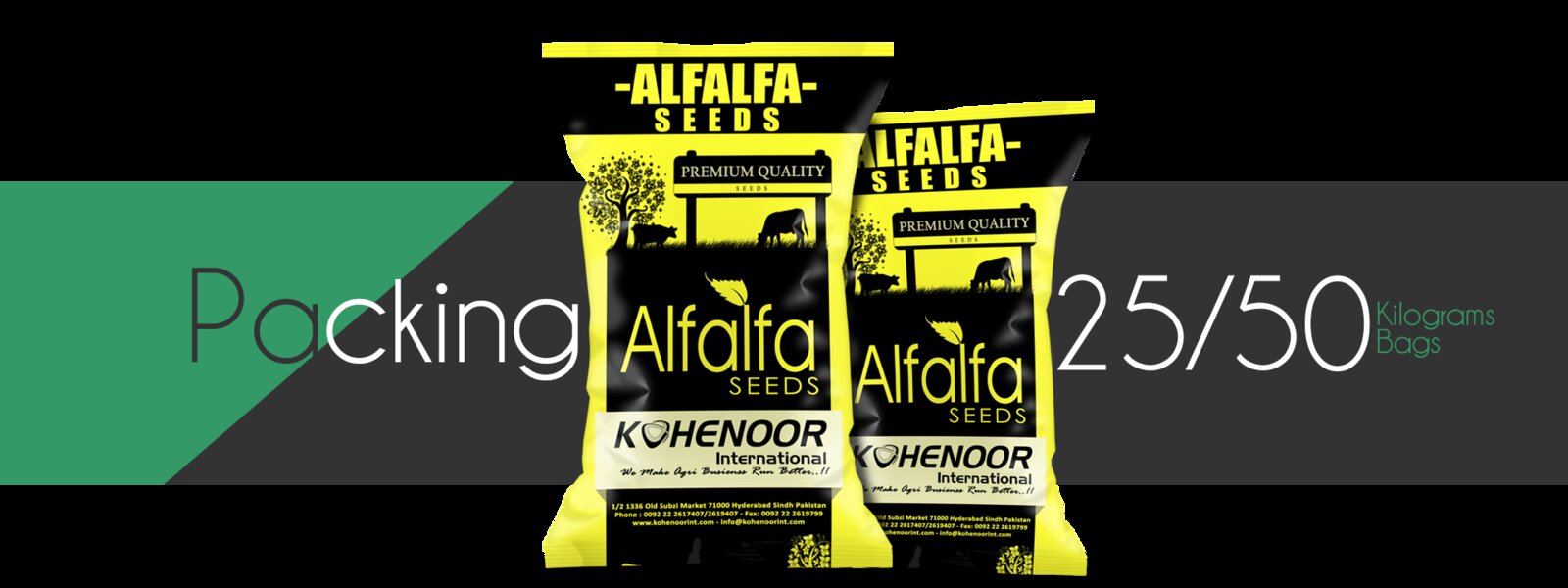
Packaging25 kg poly-lined PP woven bags, food-contact grade; private-label and retail-ready pouches on request
Minimum order1 MT (40 bags); organic lots 5 MT with 60–90 day lead time
Lead time and termsIn-stock lots 7–12 days to FOB Karachi vessel loading; CFR/CIF on request; TT against B/L copy or L/C at sight
Storage lifeGermination typically holds 18–24 months in cool dry storage

Documents with every lot. ISTA Orange Certificate, Certificate of Analysis, untreated declaration, third-party microbiological report on request, IPPC phytosanitary certificate, certificate of origin, commercial invoice, packing list, bill of lading and food-contact packaging declaration. Kohenoor is ISO 9001 and HACCP certified, has exported seed since 1957, and has offices in Pakistan, Dubai and Australia. Organic lots under USDA NOP, EU Organic or JAS are available to order. The rest of the range — clover, radish, mung bean, fenugreek and more, listed on the sprouting seed hub — ships from the same desk in one container with one document set.

How to order. Send your requirement by WhatsApp to +92 310 4929292 or by email to export@kohenoorint.com: quantity, destination port, specification, whether you need organic, and whether you want a sample of the current lot. Within 24 hours the export desk replies with a quotation FOB Karachi (or CFR/CIF to your port), the COA and ISTA certificate for the proposed lot, and a sailing schedule. Quotations are given per lot and destination by WhatsApp or email only. On your purchase order the lot is booked, certificates completed, and stock lots load at Karachi within 7–12 days. The desk answers in English, Arabic, Spanish and French and will walk a first-time importer through the food-safety and customs steps with their broker. Country-by-country notes are on the countries page.

And if you have read this far as a home sprouter: buy a retail pack labelled for sprouting, soak it overnight, rinse it twice a day, and you will have a jar of alfalfa sprouts in about a week.

From seed lot to sprout jar

Next steps for sprouting businesses

Alfalfa sprouting seed — product page
Alfalfa sprouting seed — product pageUntreated, Sortex-cleaned Medicago sativa for sprout producers: ~99% purity, 90%+ germination, 0% dodder, COA in 24 h, MOQ 1 MT.
See the specification →
Sprouting seed for commercial sprout growers
Sprouting seed for commercial sprout growersWhat a drum or tray operation needs from its seed supplier: vigour, lot consistency, microbiology documents and a desk that answers.
Read the grower guide →
Sprouting seed for private-label brands
Sprouting seed for private-label brandsOrigin packing in your pouch or clamshell, lot documents you can reference on the label, and a lot held for repeat runs.
Private-label options →
Food safety and microbial testing
Food safety and microbial testingHow sprouting lots are sampled and tested for Salmonella and E. coli, and how the documents fit US and EU sprout rules.
Testing and documents →

Sprouting at scale? Talk to the grower directly

If you run a sprout house, pack retail pouches or distribute to health-food stores, send your quantity and destination port. The export desk replies within 24 hours with a quotation, the current lot's COA and ISTA certificate, and a sailing schedule — direct from the company, no agents. Home sprouters: please buy a retail pack labelled for sprouting; our minimum is 1 MT.

export@kohenoorint.com

Frequently asked questions

How do I sprout alfalfa seeds in a jar?

Put 1–2 tablespoons of alfalfa seed sold for sprouting in a quart jar with a mesh lid, soak 6–12 hours in cool water, drain, then rinse and drain two to three times a day with the jar inverted at an angle so it drains fully and air can enter. Move it into indirect light on day five or six to green the leaves, harvest at 5–7 days, wash off the hulls, dry and refrigerate.

How long do alfalfa sprouts take to grow?

Typically five to seven days from the start of the soak to harvest at ordinary room temperature. Warmer rooms and vigorous, high-germination seed push toward five days; cool rooms push toward seven or eight. Root tips usually show within 24 hours of draining, the jar fills by day four or five, and a final day in indirect light greens the leaves.

Why are my alfalfa sprouts not sprouting?

The most common cause is seed that was never intended for sprouting — old, treated, coated or sold for pasture — or a room that is too cold. Seed sold for sprouting carries a laboratory germination figure, typically 90 percent or better, and shows root tips within a day. Soaking longer than about 12 hours or in hot water can also kill seed. Move the jar somewhere warmer and keep rinsing for another day before giving up.

Is the white fuzz on my alfalfa sprouts mould?

Usually not. Alfalfa grows very fine white root hairs that look fluffy when the roots dry slightly between rinses; they flatten and vanish the moment you rinse the jar and the sprouts smell fresh. Mould stays fluffy or slimy after rinsing, is often grey or blue-green, grows in clumps where seed is packed, and smells musty or sour. If it is mould, discard the batch and sterilise the jar.

Are alfalfa sprouts safe to eat raw?

For most healthy adults, sprouts grown from tested seed with frequent rinsing and prompt refrigeration are eaten raw every day around the world. Public-health agencies generally advise that young children, older adults, pregnant women and people with weakened immune systems avoid raw sprouts or cook them thoroughly, because sprouts have been linked to outbreaks of Salmonella and E. coli. Confirm the current guidance with your national food-safety authority.

Can I sprout alfalfa seed sold for planting or pasture?

No. Agricultural alfalfa seed is often treated with fungicide, coated with inoculant and clay or polymer, and handled without food hygiene. It is not for eating and should never be sprouted. Use only seed labelled or specified for sprouting: untreated, uncoated, cleaned to food standards and, from a reputable supplier, tested for germination and for Salmonella and E. coli.

Where can I buy alfalfa seeds for sprouting?

Home sprouters should buy a retail pack labelled for sprouting from a health-food shop, organic grocer, garden centre or online sprouting-seed retailer; look for an untreated statement, a lot number and a germination figure. Kohenoor does not sell retail packs — our minimum is 1 MT in 25 kg bags, supplied direct to sprout producers, packers, distributors and brands worldwide with COA, ISTA test and microbiology documents per lot.

How much alfalfa sprouts does one bag of seed produce?

One part seed typically gives six to eight parts sprouts by weight. A tablespoon of seed, about 10 g, yields roughly 60–80 g of sprouts; a 25 kg bag worked through a commercial sprout line becomes roughly 150–200 kg of sprouts, depending on germination, growing time and how much water the sprouts hold at harvest. Unsprouted seed keeps its germination for around 18–24 months in cool dry storage.

Related pages

WA