Untreated · Sortex-cleaned · ISTA-tested · COA per lot · 25 kg bags · MOQ 500 kg
Fenugreek — methi in Urdu and Hindi, hilba in Arabic — is one of the oldest cultivated legumes and one of the fastest, most vigorous seeds a sprout house can run. Kohenoor supplies untreated, food-grade Trigonella foenum-graecum sprouting lots from Pakistan, where the crop is grown at scale, Sortex-cleaned and ISTA-tested at origin with lot-specific purity and germination on the COA.
WhatsApp +92 310 4929292 Get a quote in 24h
Fenugreek sprouts are the germinated seedlings of Trigonella foenum-graecum, an annual legume whose small, angular, amber seed has been grown around the Mediterranean, the Middle East and South Asia for thousands of years. The seed itself is a spice — the maple-scented note in curry powders and in the Egyptian hilba drink — and once it germinates it becomes a thick, fast-growing sprout with a pale stem, a bright green pair of cotyledons and a flavour that is fresh and green with a pleasant, clean bitterness underneath. It is one of the few sprouts with real character of its own, and that is why its market is so distinct.
The strongest demand is where fenugreek is already a food. In South Asia, methi sprouts are a household item eaten raw in salads, pressed into chapati dough or cooked briefly with potatoes. In the Gulf — the UAE, Saudi Arabia, Kuwait, Oman — hilba sprouts are sold fresh in markets and the seed is sold in bulk for home sprouting, and the large South Asian and Arab populations in Dubai and Doha sustain a steady retail trade. In Europe and North America the sprout is a specialist line that has grown with the health-food and ethnic-grocery channels, and in Japan it appears in the mixed sprout trays of producers who want a bitter note.
The second market is the health-food and functional-food trade, which buys fenugreek seed for sprouting and for sprouted-seed powders because of the plant's long-standing reputation in traditional diets. We make no claims about that; we note it because it drives real volume through distributors and private-label brands who come to us for clean, untreated seed in quantity.
Who eats it, then? South Asian and Middle Eastern households first, health-food shoppers second, and a growing number of restaurant kitchens that have discovered the sprout as a garnish with genuine flavour. For a sprout grower, it is a line with a loyal customer base and almost no competition on the shelf.
Formats vary by market. In South Asia and the Gulf, fenugreek sprouts are sold loose by weight in fresh markets and in simple punnets in supermarkets, and the dry seed sells in half-kilo and kilo pouches for home sprouting. In Europe and North America the sprout appears in small clamshells from specialist sprout houses and in the mixed "spicy" or "gourmet" sprout packs, while the seed sells through health-food distributors in home-sprouting pouches and to the sprouted-powder trade in bulk. Demand is steady through the year with no strong season, which suits producers who want a reliable secondary line beside alfalfa and mung.
Fenugreek seed is known for being unusually rich for a legume: typically high in protein and dietary fibre, with a notable content of soluble fibre in the form of galactomannan gum, and a spread of minerals including iron. When the seed sprouts, part of its storage protein and starch is mobilised into simpler forms, and the vitamin C content of the fresh sprout rises from near zero in the dry seed to a useful level in the finished product, as is typical of germinated seeds. The sprout also carries the plant's characteristic aromatic compounds, which is why it tastes of fenugreek and not merely of "sprout".
Consumers in the fenugreek-eating cultures do not need the nutrition explained; they grew up with it. For Western health-food shoppers the attraction is the combination of a familiar ingredient (the spice) with a fresh, raw, minimally processed presentation, and a traditional reputation that the health-food press returns to regularly. We leave the claims to the literature and simply note that demand for the sprout and for sprouted fenugreek powder has been rising steadily in those channels.
From the producer's side, the sprout has two practical virtues. It is vigorous — a good lot of fenugreek fills a tray faster than almost any other legume — and its slightly bitter taste makes it a natural partner for sweeter sprouts in a blend. The bitterness is also controllable: harvest early, around day three, for a mild sprout; let it run to day five for a stronger one.
Fenugreek is an easy and rewarding seed for a commercial sprout operation, but it has its own rhythm. The ranges below are those growers typically report.
Fenugreek seed releases a slight mucilage when it first takes water, so good drainage after the soak and thorough rinsing in the first day matter more than with alfalfa. Trays that drain well and seed that has been cleaned of dust and broken seed give a clean, sweet-smelling tray; dusty or broken seed is where off-odours start.
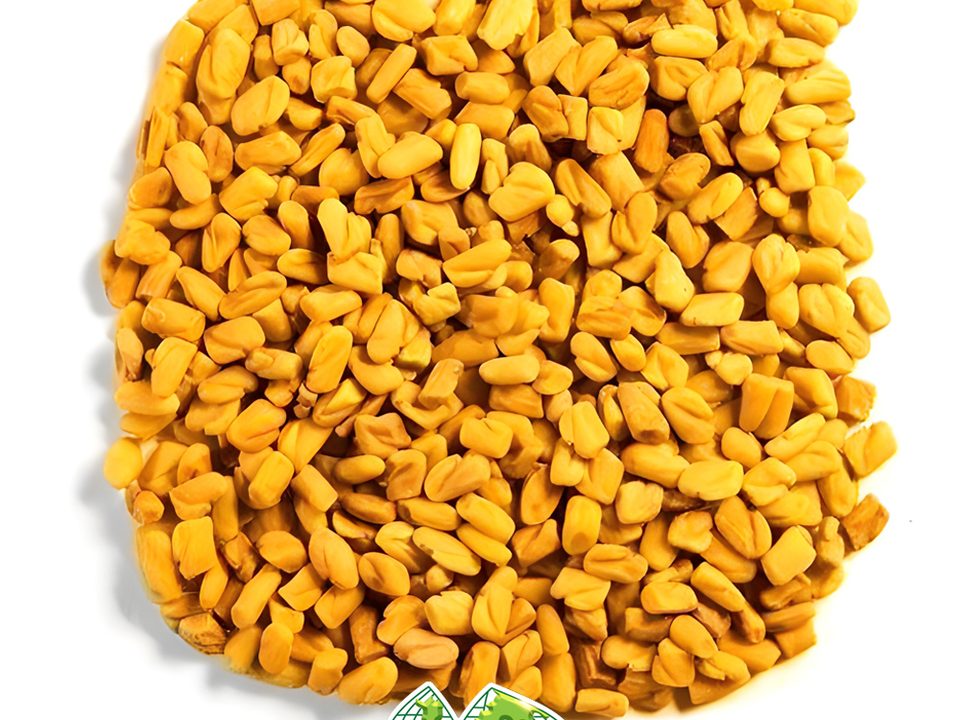
The seed is sprouted on three scales: in drums and racks by licensed sprout houses for retail clamshells, in trays by microgreen farms for food-service, and in jars and bags at home by the large ethnic-grocery and health-food customer base. For the last group, seed appearance matters almost as much as germination: bright, uniform, amber seed in a window pouch sells, and that is what Sortex cleaning delivers.
The common faults a grower meets with fenugreek are specific to the seed. A sour or musty smell in the first rinses points to dust, broken seed or an over-long soak; the cure is a cleaner lot and a shorter soak with thorough rinsing. Slow, uneven emergence points to an old lot or one that has been fumigated; insist on a current test and an unfumigated declaration. Excessive bitterness points to a late harvest; cut a day earlier. And a tray that stays too wet, because the mucilage has held water, needs better drainage and more air rather than less rinsing.
Fenugreek is traded in large volumes as a spice, and spice-grade seed is not the same thing as sprouting-grade seed. The specification you write into your purchase order should make the difference explicit. Our sprouting lots are documented against the points below.
| Parameter | What to ask for | Kohenoor fenugreek sprouting lots |
|---|---|---|
| Germination | Minimum %, ISTA method, test date | Lot-specific on ISTA certificate and COA |
| Physical purity | Minimum % pure seed, no spice-grade splits or dust | Lot-specific on COA; Sortex and gravity cleaned |
| Other crop / weed seed | Maximum count | Removed by screen, gravity and optical sorting |
| Inert matter | Maximum %, no stones, soil, stems | Within purity figure |
| Moisture | Maximum % for safe storage | Stated on COA |
| Treatment status | Untreated, unfumigated, no coating — in writing | Untreated — on COA and tag |
| Microbiology | Salmonella, E. coli/STEC, third-party laboratory | Per lot on request |
| Traceability | Lot ID on every bag | Sealed lot tags, field→bag→warehouse |
The word "unfumigated" is worth including for fenugreek specifically. Spice-trade fenugreek is routinely fumigated in store, and residual treatment can depress germination and is in any case unacceptable in a seed that will be eaten raw within days. Our sprouting lots are handled in the untreated food-grade warehouse, apart from any agricultural or spice stock.
Ask too for a germination test that is recent. Fenugreek keeps well, but the test date on the ISTA certificate should be within the season, and we re-test before dispatch when a lot has been in store for some months. If your quality system also needs pesticide-residue or heavy-metal screening — common for a seed that is sold as a spice — tell us at enquiry and we will arrange it on the lot sample.
Incoming-quality checks are straightforward. On arrival, draw a sample from several bags, count out four lots of one hundred seeds and germinate them on moist paper at around 20–25 °C for five to seven days, recording normal seedlings and dead seed; compare with the COA. Smell the sample — good fenugreek seed smells cleanly of maple and hay, never musty. Check a handful for splits, dust and stem, and look with a hand lens for off-colour or insect-marked seed. If anything does not match the documents, photograph it and send us the lot ID the same day.
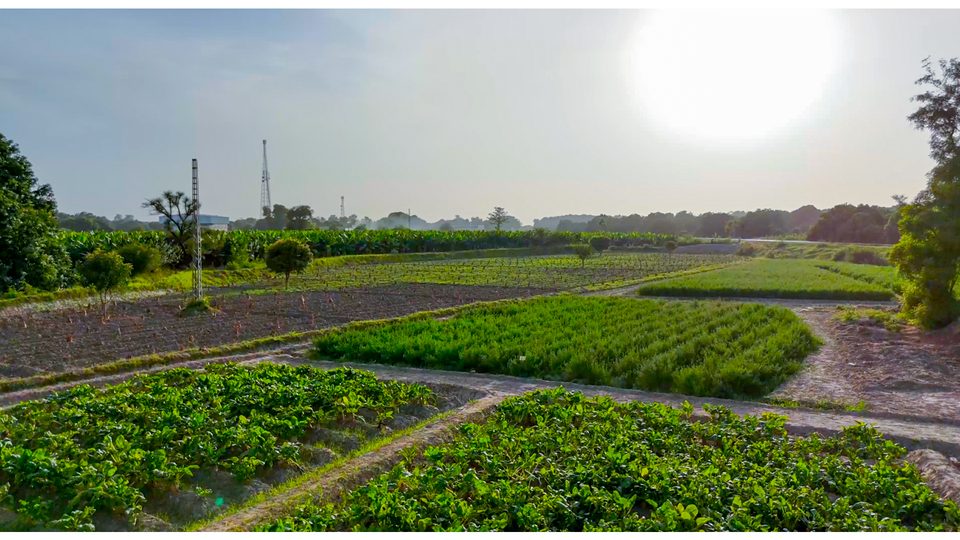
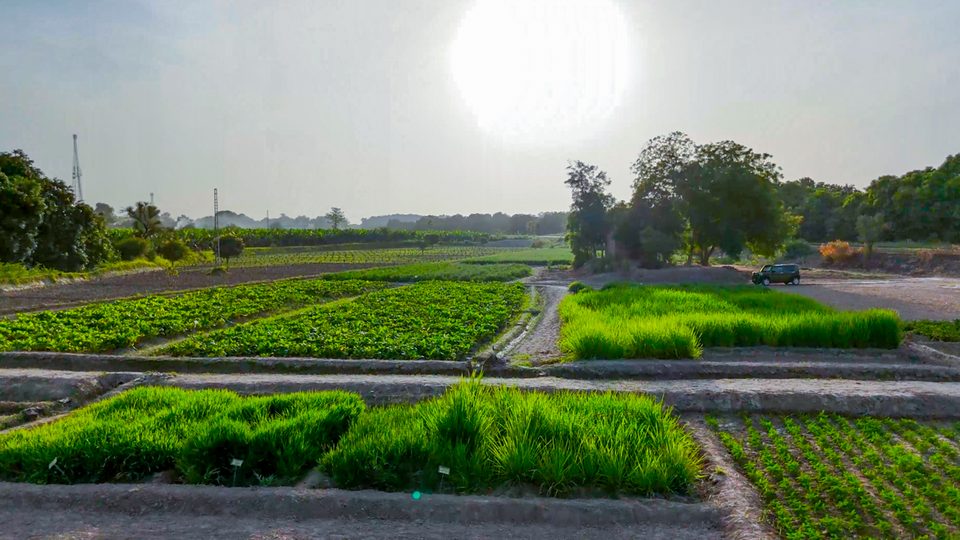
Pakistan is one of the world's major fenugreek-growing regions, and Sindh's long dry season is ideal for ripening a legume seed crop evenly and harvesting it at low moisture. That matters for the two things a sprout producer cares about most — germination and microbial load. A seed crop that is harvested dry in the sun starts life with low mould counts and high vigour; a crop that is harvested wet does not. Buying fenugreek from origin rather than through a spice-trade intermediary also means the lot has not spent a year in a fumigated spice warehouse.
Fenugreek is not a dodder-prone crop in the way alfalfa and clover are, but it has its own cleaning challenges. The harvested seed carries stem fragments, pod pieces, dust, immature shrivelled seed and a fraction of broken or split seed, all of which must come out before the lot is fit for sprouting. Split seed in particular is a problem: it will not germinate, it feeds mould in the tray and it leaves hard yellow fragments in the finished pack. Our line removes it in two stages — gravity tables take out the light, immature and broken fraction, and Sortex optical sorting rejects anything off-colour, dark, insect-marked or not fenugreek.
The result is a lot of bright, uniform, plump amber seed that takes up water together, germinates together and gives a clean tray. Because the grower, the cleaner and the exporter are one company, the field record, the cleaning record and the laboratory results all sit under the one lot ID.
Fenugreek seed has a particular place in the history of sprout food safety: it was fenugreek seed for sprouting that was implicated in the 2011 European outbreak, and the EU's current rules on sprouting seed — traceability, import certification and microbiological criteria — were written in direct response. Any serious fenugreek supplier must be fluent in those rules. Our export desk prepares the full set for every consignment.
Kohenoor is ISO 9001 and HACCP certified, with the HACCP plan covering segregation of untreated food-grade lots, cleaning-line hygiene, sampling and retained samples. The food safety and testing page explains the programme in detail.
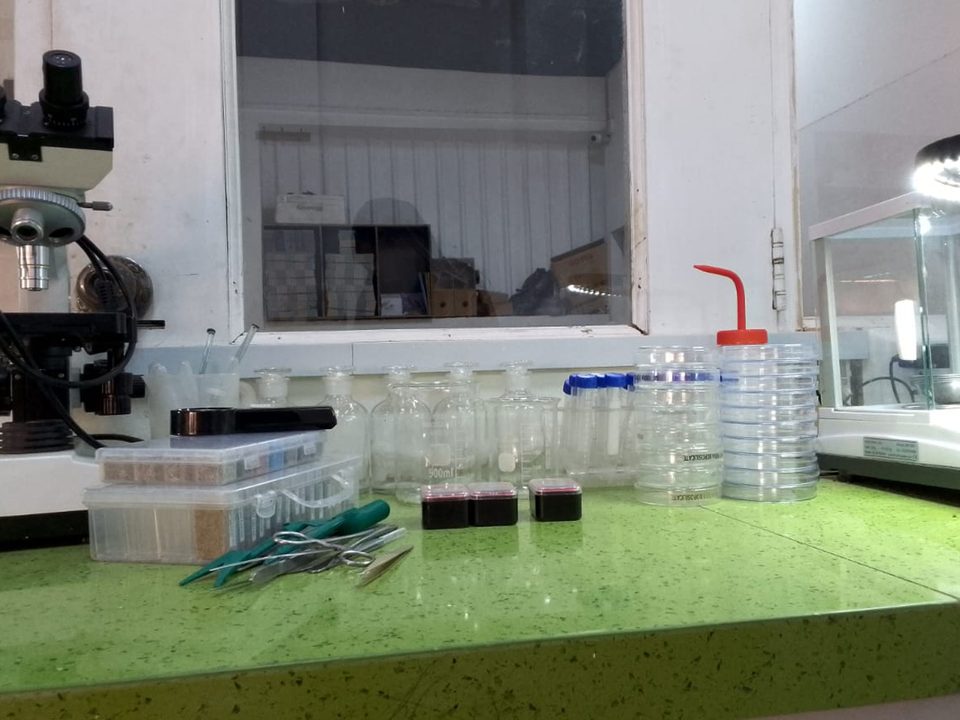
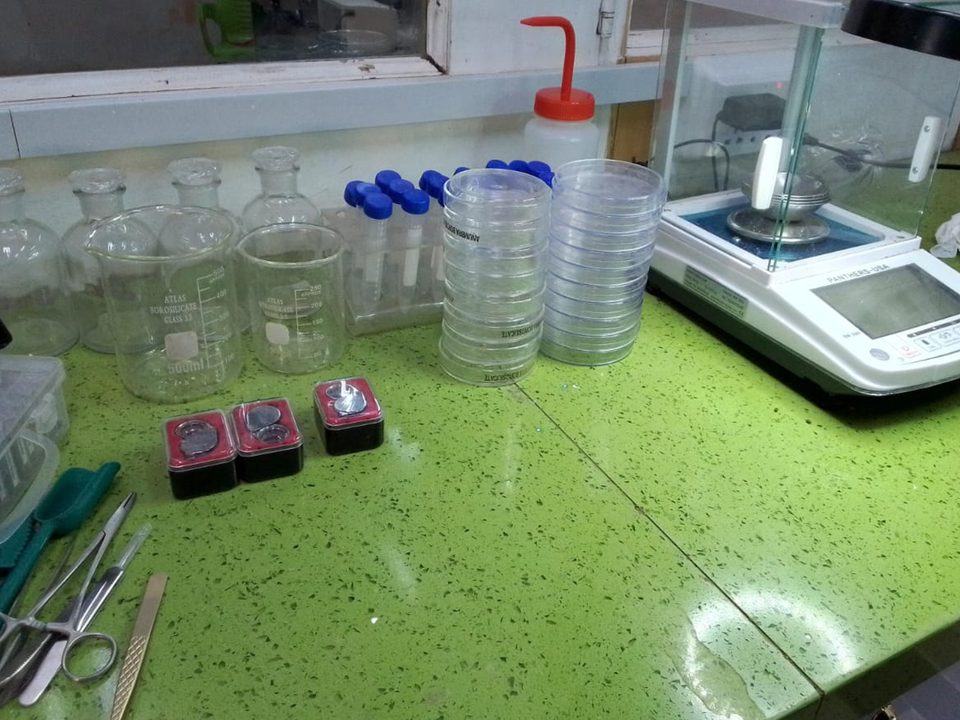
Fenugreek lots for sprouting are selected from fields with clean histories, harvested dry and brought onto the dedicated food-grade cleaning run — never through the spice warehouse. Each lot is sampled under ISTA rules and tested in our laboratory for germination, purity and moisture before release, then sent for the ISTA Orange Certificate that travels with the shipment.
We also test-sprout every fenugreek lot, because fenugreek is a seed where the tray tells you things the germination paper does not: how quickly the lot takes water, how evenly it emerges, whether there is any off-odour in the first rinses. A lot that is slow or uneven is diverted to agricultural use even if its germination percentage is acceptable. Only lots that pass both are tagged as sprouting seed.
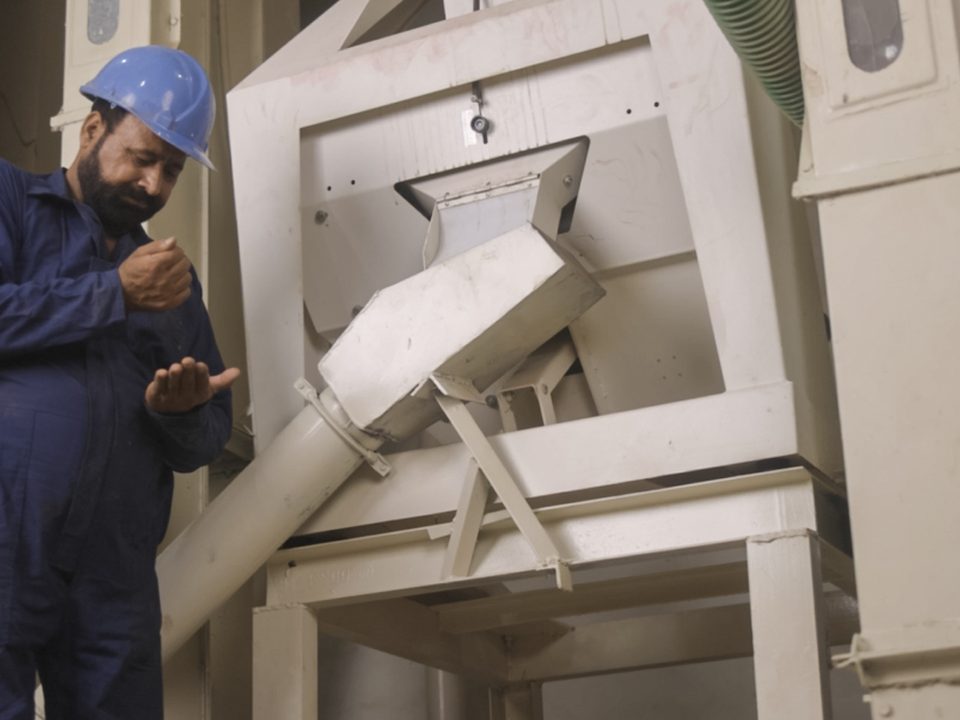
The cleaning sequence is air-screen, gravity table and Sortex optical sorting, with documented clean-down between lots. Bags are filled, weighed, sealed and tagged with the lot ID, species, test date and net weight, and retained samples are kept from every lot. The lot ID is the single key to the field record, cleaning record, laboratory results, sprouting trial and microbiology report.
The export desk — in Pakistan, Dubai and Australia — replies within 24 hours in English, Arabic, Spanish or French, sends current lot documents with the quotation and remains your contact until the goods are cleared.
Packaging. 25 kg net in poly-lined polypropylene woven bags with a sealed lot tag. Private-label and OEM bags and retail-ready pouches, clamshells and sleeves are available on request. Fenugreek is a strong seller in window pouches for the ethnic-grocery and health-food trade, and we pack those at origin for several buyers.
Minimum order. 500 kg (20 bags). Fenugreek is commonly ordered as one line in a mixed container with alfalfa, radish, mung bean and other species; the minimum applies per species.
Lead time. In-stock lots are ready for FOB Karachi vessel loading within 7–12 days of order confirmation. Lots requiring a fresh microbiology report or special packaging may add a few days.
Terms and payment. FOB Karachi, with CFR or CIF on request. Payment is 100% TT against the bill of lading copy or an irrevocable letter of credit at sight, with easier terms for repeat buyers.
Destinations. USA, EU and UK, Japan, Korea, Taiwan, Singapore, Hong Kong, the GCC, Australia and more. The Gulf is a particularly active market for fenugreek, and our Dubai office is well placed to support buyers there.
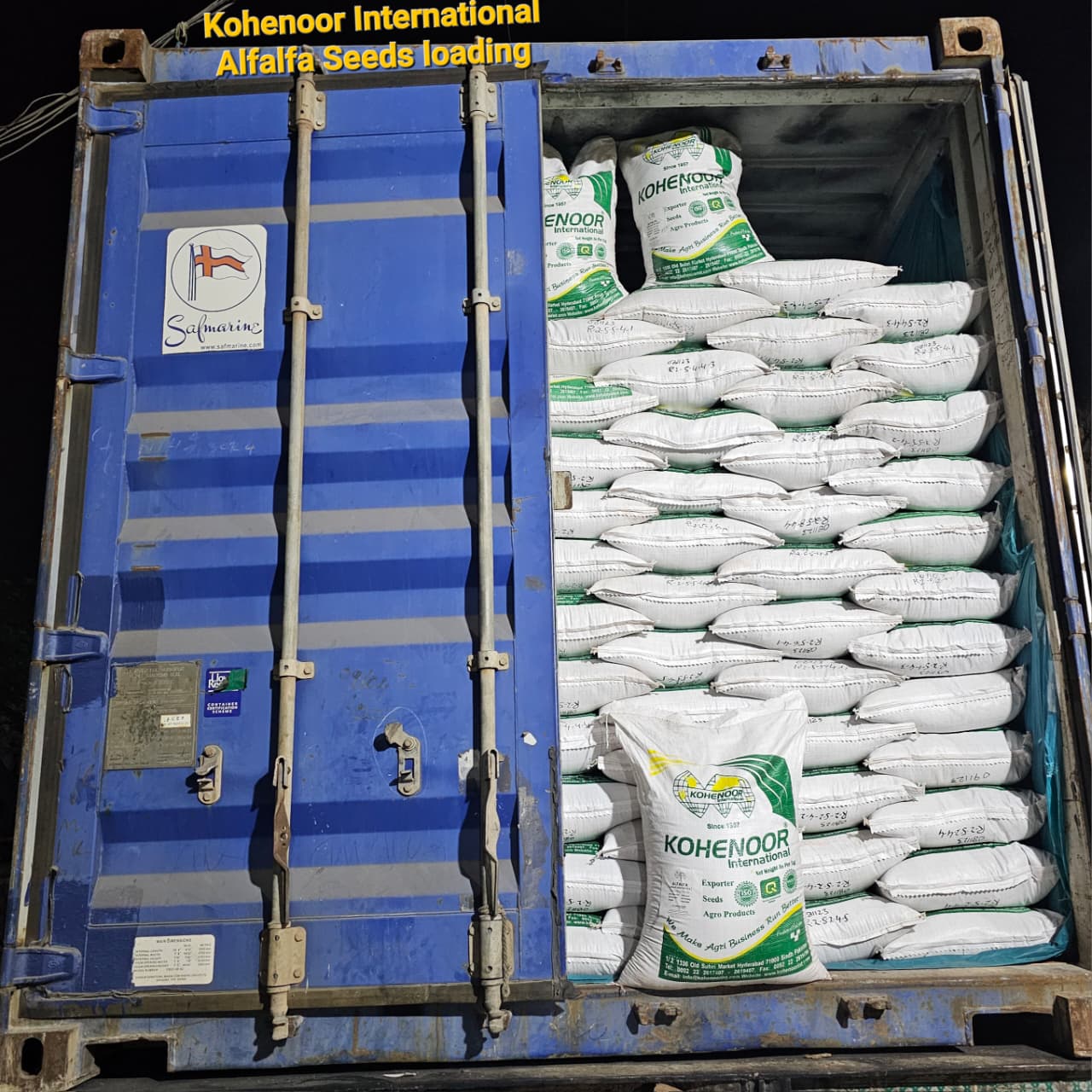
For container planning, 25 kg bags palletise at roughly 40 bags to the tonne, and a 20-foot container carries on the order of 18–20 MT of mixed bagged seed. Gulf importers commonly take fenugreek with mung bean and alfalfa in one box; European sprout houses add a few hundred kilos of fenugreek to a container built around alfalfa, clover and radish. Each species is tagged and documented separately so that every lot keeps its identity through customs and into your traceability records, and the minimum of 500 kg applies per species rather than to the container as a whole.
Commercial sprout growers run fenugreek as a distinctive stand-alone line and as the bitter note in mixed packs; its speed suits a drum or rack schedule. See for commercial sprout growers.
Microgreen farms grow it on to 8–12 days as a chef's microgreen with real flavour. See for microgreen farms.
Health-food distributors and ethnic-grocery wholesalers buy in 25 kg bags and repack into consumer pouches and jars for home sprouting, and supply sprouted-seed powder makers. Fenugreek is one of their steadiest lines. See for health-food distributors.
Private-label brands have us pack under their own name at origin. See for private-label brands.
Gulf importers serving the hilba market buy fenugreek in volume, often with alfalfa and mung bean in the same container, and work through our Dubai office.
The questions these buyers ask us first are consistent, and worth answering here. Is the seed unfumigated — yes, and it is declared in writing. Can we see a current germination test on the actual lot — yes, the ISTA certificate comes with the quotation. Can you supply a microbiology report — yes, from an independent laboratory, per lot on request. Can you match a sample of the seed we use now — usually, send it and we will compare under the lens and in the tray. Can the fenugreek travel with our mung bean and alfalfa — yes, in one container, with each species documented separately. And can someone who knows the seed answer the phone in our time zone — yes, from Pakistan, Dubai or Australia, within 24 hours.
Fenugreek's bitterness is an asset in a blend: a little of it gives a mixed sprout pack depth that alfalfa and clover alone lack. Common pairings are fenugreek with alfalfa and radish for a "spiced salad" sprout, fenugreek with mung bean and chickpea in a legume mix for cooking, and fenugreek microgreens with cress and mustard for a chef's garnish. Everything below ships with the same documents in the same container.
The full range is on the sprouting seeds hub. Custom blends can be mixed and packed at origin after a laboratory sprouting trial.
| Typical blend (by seed weight) | Fenugreek | Partners | Character |
|---|---|---|---|
| Spiced salad sprout | about 20% | alfalfa 60%, radish 20% | Fresh with a bitter edge |
| South Asian legume mix | about 25% | mung bean 50%, chickpea 25% | For salads and light cooking |
| Chef's bitter microgreen | about 40% | mustard 30%, cress 30% | Bold, peppery, aromatic |
These are common starting points, not a formula. Fenugreek sprouts faster than alfalfa and much faster than chickpea, so legume mixes are usually sprouted separately and combined at packing; a laboratory trial shows you how the proportions look in the tray before you commit a container.
1. Send your requirement. WhatsApp +92 310 4929292 or email export@kohenoorint.com with quantity, destination port, specification requirements (germination minimum, microbiology, organic, packaging) and whether you want a sample first.
2. Receive the quotation and lot documents. Within 24 hours: quotation FOB Karachi (or CFR/CIF), COA and ISTA certificate for the proposed lot, and a shipping schedule.
3. Confirm and ship. On your purchase order and payment arrangement we book the vessel, complete the phytosanitary and origin certificates and load within 7–12 days for stock lots. The document set reaches you by email before the vessel does.


Send your product, quantity and destination port. The export desk replies personally with a quotation, current lot certificates and a shipping schedule — no bots, no obligation.
WhatsApp +92 310 4929292 export@kohenoorint.comYes. Every fenugreek sprouting lot we ship is natural, untreated seed: no fungicide, no insecticide, no coating or pelleting of any kind. Treated seed is never food-grade and we keep sprouting lots physically and administratively separate from our agricultural seed. The untreated status is written on the COA and on the lot tag.
On request, each lot is sampled and sent to an independent third-party laboratory for Salmonella and E. coli/STEC testing, and the report travels with the lot documents. Many buyers also run their own incoming-quality checks, and we encourage that; we will supply retained samples and the sampling record so your laboratory can correlate results with ours.
Yes. Organic-certified fenugreek lots (USDA NOP, EU Organic or JAS) are available subject to a 5 MT minimum and a 60–90 day lead time, because organic lots are grown and cleaned to order under certified handling. Tell us which certification your market needs and we will confirm the programme for the season.
The minimum order for fenugreek sprouting seed is 500 kg. In-stock lots ship within 7–12 days to FOB Karachi vessel loading. Transit time then depends on the destination port; your forwarder or ours will give you the sailing schedule when we confirm the order.
Yes. Beyond our standard 25 kg poly-lined PP woven bags with sealed lot tags, we offer private-label and OEM packaging, and retail-ready pouches, clamshells and sleeves on request. Send your artwork and pack sizes and we will quote the packaging alongside the seed.
We ship FOB Karachi (CFR/CIF on request) to the USA, EU and UK, Japan, Korea, Taiwan, Singapore, Hong Kong, the GCC states, Australia and many other destinations. Kohenoor serves buyers in 70+ countries and has offices in Pakistan, Dubai and Australia, so there is usually someone in or near your time zone.
Yes, materially. Spice-grade fenugreek is often fumigated in store, may contain splits, dust and stem, and is not tested for germination or for human pathogens. Our sprouting lots are untreated and unfumigated, cleaned to a high purity with splits removed, ISTA-tested for germination and documented for microbiology on request. They are handled in the food-grade warehouse, separate from any spice or agricultural stock.
The bitterness is mild and clean, and it increases with growing time. Harvest at around three days for a gentle, fresh sprout suited to salads and retail mixes; let it run to five days for a stronger flavour that suits cooking. Blending with alfalfa or clover softens it further. Many producers sell both a short and a long fenugreek sprout to different customers from the same seed lot.