Sprouting & microgreen seed · from origin

Sprouting Seed Food Safety, Testing and Compliance

Untreated seed · Sortex cleaning · ISTA purity and germination · independent Salmonella and STEC testing · lot traceability · EU 208/2013 and 211/2013 · US FDA Produce Safety Rule · phytosanitary and origin certificates

Sprouts are a high-care food because the warm, wet process that turns a seed into a sprout also multiplies any bacteria that arrived on the seed. Regulators in the EU and the United States have written specific rules for sprouts, and every serious sprout grower, importer and retailer now expects the seed supplier to be part of the food safety system. This page explains, in plain language, what Kohenoor does to the seed before it ships, which tests are run and by whom, what each certificate means, what the main regulations actually require, and how a buyer can audit us and check incoming lots. We do not claim approval by any authority; what we supply is the clean seed, the documentation and the third-party test reports that importers and growers need to meet their own obligations.

Get a quote in 24h

English · Deutsch · Nederlands · Italiano · Polski · 日本語 · 한국어 · 中文

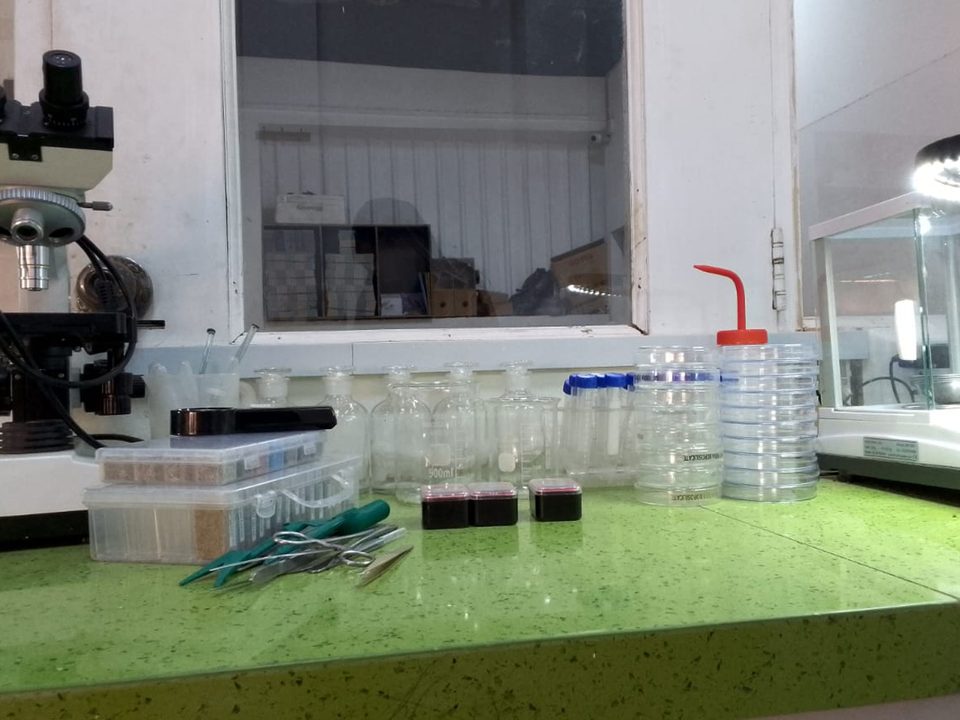
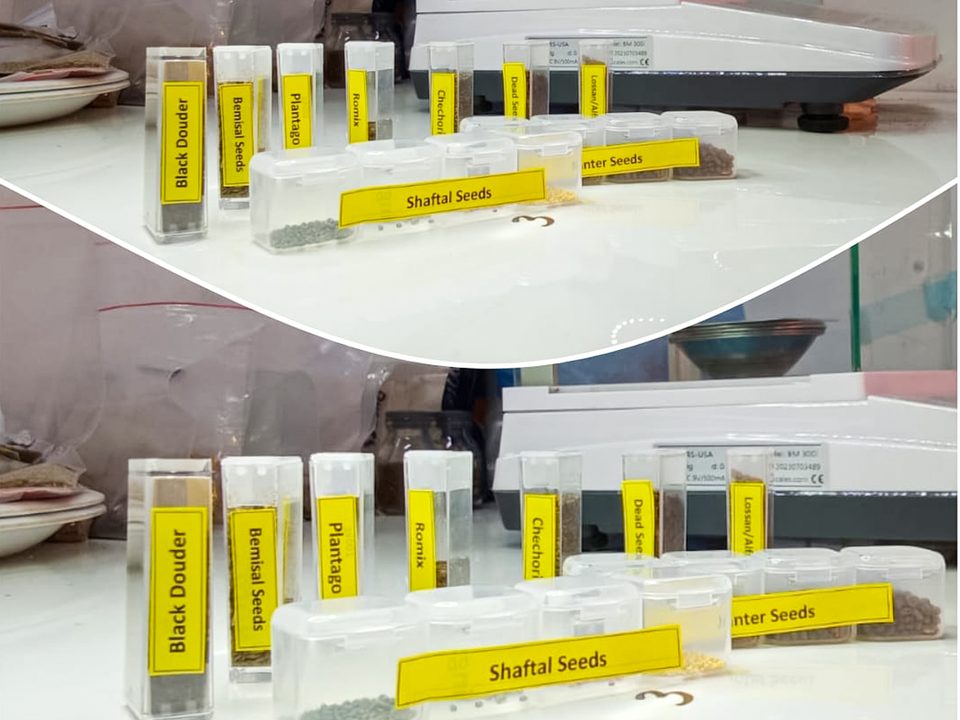
Seed testing laboratory where Kohenoor sprouting lots are tested for purity and germination
In short: Every Kohenoor sprouting lot is untreated natural seed, Sortex optical-cleaned, tested under ISTA rules for purity and germination, and tagged with a lot ID traceable from field to bag to warehouse. On request each lot is tested by an independent third-party laboratory for Salmonella and E. coli/STEC, with a Certificate of Analysis issued within 24 hours, and shipments carry an IPPC phytosanitary certificate and certificate of origin plus the lot records importers use for EU Regulations 208/2013 and 211/2013 and for US FDA Produce Safety Rule expectations.
Untreated: no fungicide, insecticide or coatingSortex optical cleaningISTA Orange Certificate per lotIndependent Salmonella and E. coli/STEC testingCOA within 24 hoursLot ID on every sealed bag, field to warehouseISO 9001 and HACCP certifiedIPPC phytosanitary and origin certificates
~99%Alfalfa sprouting-lot purity (ISTA)
90%+Alfalfa sprouting-lot germination (ISTA)
0%Dodder in alfalfa lots
24 hCertificate of Analysis turnaround
18–24 moTypical alfalfa germination life, cool and dry
3rd partyMicrobiological testing laboratory

Why seed is the critical control point for sprout safety

Investigations into most documented sprout-related outbreaks over the past three decades have pointed back to the seed. The reason is biological rather than careless: a few bacteria on the surface of a seed, invisible and harmless in a dry bag, find themselves in warm water at 20 to 30 °C for several days, in a dense mass of germinating plant tissue that leaks nutrients. Those are near-perfect growth conditions. A contamination level too low to detect on dry seed can become a high load on the finished sprout, and because sprouts are eaten raw there is no cooking step to correct it.

Growers can and do treat seed before sprouting and test the water that drains from the sprouting beds, and those steps catch a great deal. But every regulator and every experienced grower agrees that the first and most effective control is to start with seed that was grown, harvested, cleaned, stored and handled as food, by a supplier who can show you the records. That is the standard Kohenoor works to for its sprouting range, and the rest of this page shows what that means in practice.

Where contamination comes from, and what prevents it

Risk on the seedTypical sourceControl at Kohenoor
Salmonella, pathogenic E. coliAnimal or bird contact in the field, contaminated irrigation or flood water, manure, contaminated harvest or storage equipmentFields managed for seed production; harvest, drying and storage as food; independent testing per lot on request
Chemical residuesSeed treatments applied for farm sowingSprouting lots are untreated from planting onward and kept apart from farm-grade seed
Foreign material and weed seedField, harvest and handlingScreening, gravity separation and Sortex optical cleaning
Mould and decayDamaged or immature seed, moisture in storageOptical rejection of damaged seed; drying and conditioning; poly-lined sealed bags
Rodent and insect contaminationWarehouse hygieneHACCP-based warehouse controls; sealed bags; stock rotation

Untreated seed and Sortex cleaning: the two decisions made before testing

Seed sold for sowing in a field is often treated with fungicides, insecticides, colourants and polymer coatings. Those treatments are not food, and seed that has received them can never be made food-grade afterwards, because the chemicals penetrate the seed coat and cannot be washed off reliably. For that reason the decision to produce sprouting seed is made before the crop is planted, not after it is harvested.

All Kohenoor sprouting and microgreen seed is natural, untreated seed: no fungicide, no insecticide, no colourant, no coating of any kind. Lots destined for sprouting are grown, harvested, dried and cleaned as food and are kept physically apart from farm-grade forage seed in storage and in the cleaning plant. The untreated status is stated on the Certificate of Analysis and can be verified by residue testing at your own laboratory if a customer requires it.

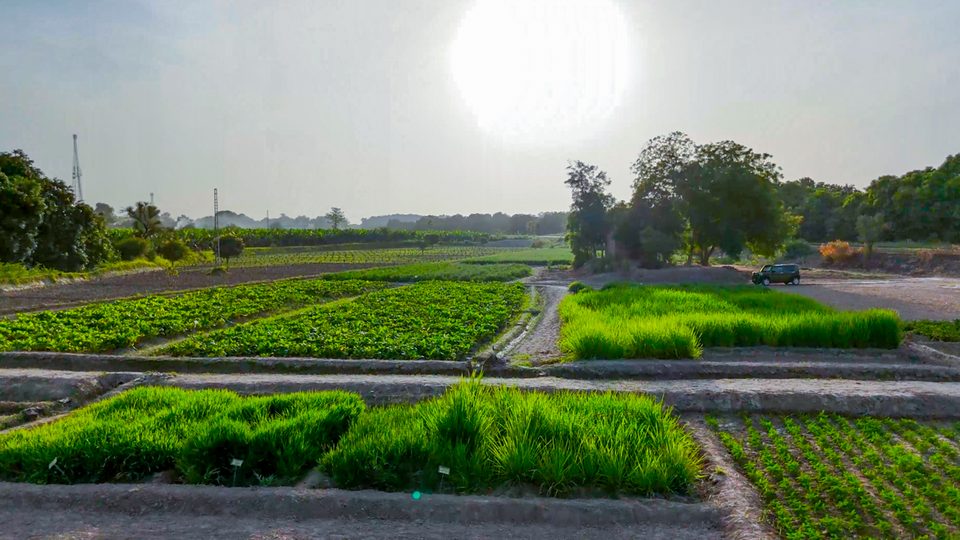
Kohenoor research plots where seed crops for sprouting lots are grown and selected

Sortex optical cleaning: physical purity you can see

Physical cleanliness is the first line of food safety because dust, soil and plant debris carry most of the bacteria on a seed lot, and because damaged or immature seed dies and decays in the sprouting bed. After threshing and drying, each lot passes through screens to remove over- and under-sized material, through a gravity table to remove light and shrivelled seed, and then through Sortex optical sorters. These machines photograph each seed in flight and use air jets to eject anything that does not match the target colour, size and shape: discoloured, mould-marked, immature or broken seed, weed seeds, stones, stem fragments and soil particles.

The result is the purity figure on the ISTA report and the Certificate of Analysis. For alfalfa sprouting lots that is around 99 percent, with 0 percent dodder, a parasitic weed seed whose exclusion from alfalfa we have guaranteed in writing to forage buyers for years. For other species in the range the purity is reported lot by lot. Clean seed also makes a grower's own seed sanitation step work better, because a sanitiser reaches a dust-free seed surface more evenly.

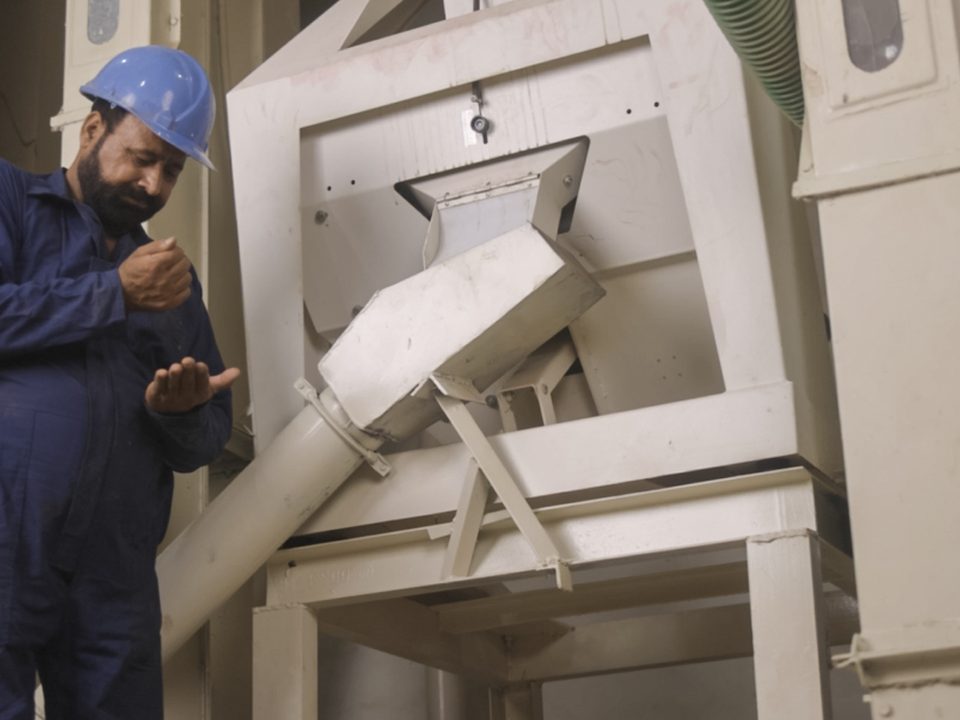
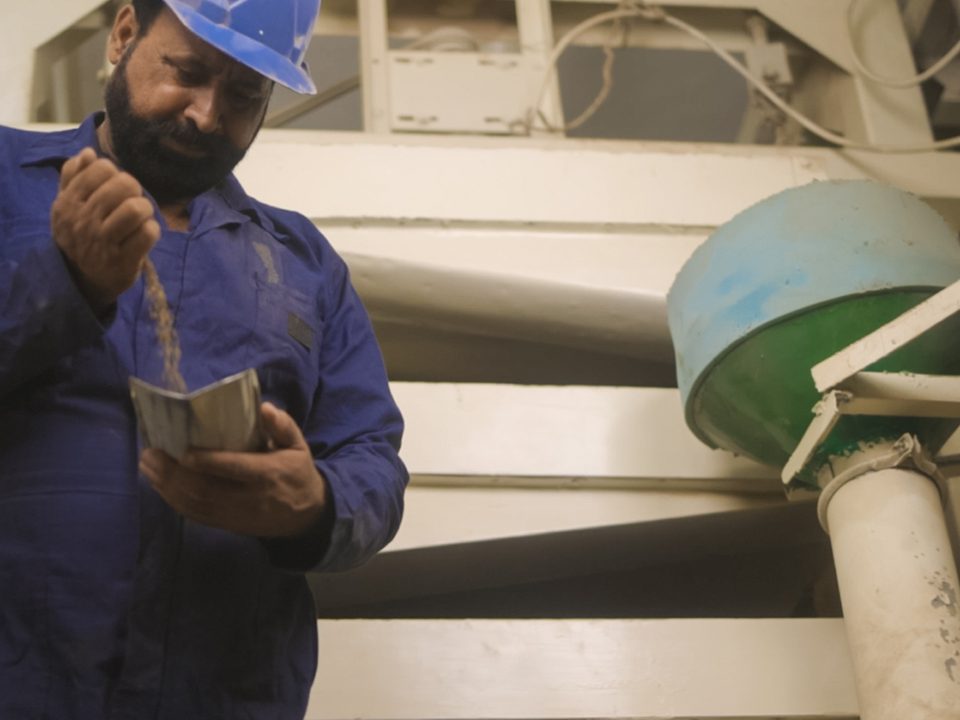
Sortex optical sorting and seed cleaning machinery at the Kohenoor processing plant

ISTA testing: purity and germination under international rules

The International Seed Testing Association (ISTA) publishes the rules most of the world uses to sample and test seed lots, so that a purity or germination figure means the same thing in Karachi, Rotterdam and Yokohama. Kohenoor lots are ISTA-tested, and each lot carries an ISTA Orange International Seed Lot Certificate, which means the lot was sampled and tested by an accredited laboratory under those rules, rather than tested on a sample the seller chose.

What the certificate reports

For sprouting buyers the two headline numbers translate directly into yield and cleanliness. Alfalfa sprouting lots are held to purity around 99 percent and germination of 90 percent or higher; other species are lot-specific and appear on the COA. We test close to shipment, so the figures reflect the seed you receive rather than the seed as it was at harvest.

How a buyer can verify

Run your own germination test on arrival, ideally in your own sprouting conditions, and compare against the certificate. Ask for the retained sample from the lot if you want a like-for-like comparison. Germination declines slowly in cool, dry storage and faster in warm or humid conditions, so a small gap between the certificate and your test some months later is expected; a large gap is a conversation we want to have.

Independent microbiological testing: Salmonella and E. coli/STEC

No visual or physical test can detect bacteria on seed, so each sprouting lot is, on request, sampled and tested for Salmonella and for E. coli including Shiga-toxin-producing E. coli (STEC) by an independent third-party laboratory. We do not run these tests in-house and we do not issue our own pathogen results, because the value of the report lies in its independence from the sale.

What the report contains

Agreeing the plan before the lot is drawn

Markets and customers differ in what they ask for. EU sprout producers must themselves carry out a preliminary test on each seed batch by sprouting a representative sample and testing the sprouts for STEC and Salmonella before placing product on the market, and their customers may ask for seed-level results on top. US sprout operations under FDA's Produce Safety Rule test spent sprout irrigation water for pathogens and may require seed-level reports from suppliers as part of their own verification. Japanese and Korean importers often require independent laboratory results at import. Tell us at the enquiry stage what your customer or your regulator needs, including any specific STEC serogroups, so the sampling plan and method are agreed before the lot is sampled, not after the report arrives.

Limits of seed testing, honestly stated

A negative pathogen result on a seed sample reduces risk; it does not eliminate it, because contamination on seed can be sparse and uneven. That is why regulators require growers to treat seed and test spent irrigation water as well, and why we encourage buyers to run their own incoming tests rather than relying on our report alone. Good food safety for sprouts is layered: clean seed, a documented supplier, independent testing, grower treatment, in-process testing and traceability. We supply the first three layers and the records that make the rest work.

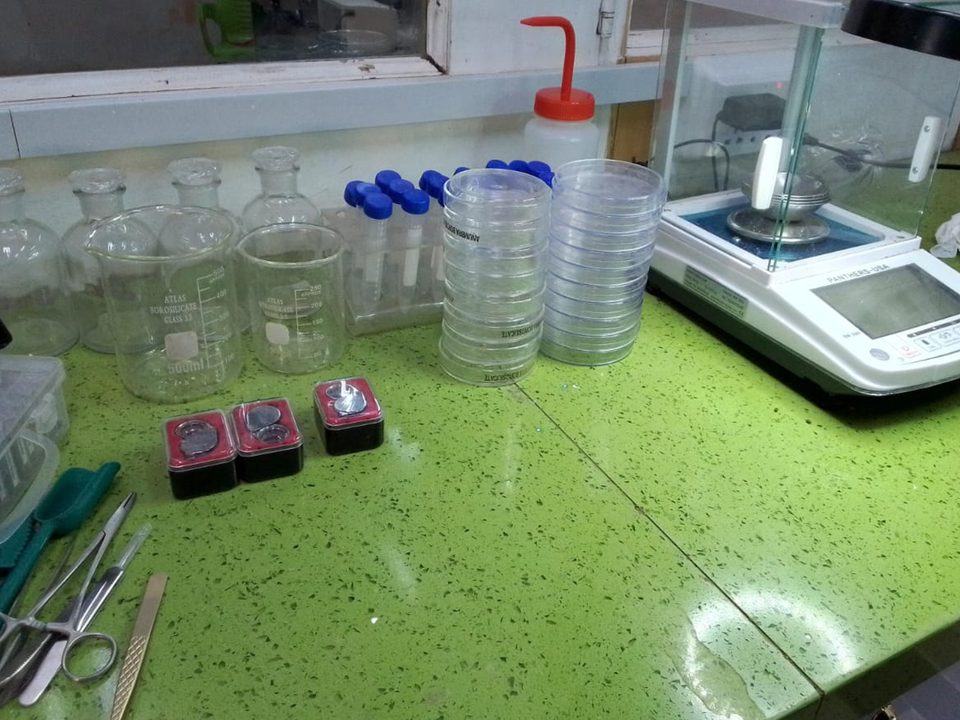
Laboratory germination trays used in testing Kohenoor sprouting seed lots

Certificate of Analysis and lot-tagged traceability

The Certificate of Analysis

The COA is the document that ties everything together for a given lot. It is issued by Kohenoor within 24 hours of request and carries: lot ID; species, variety or type; purity and germination with the ISTA test reference and date; dodder result for alfalfa; untreated status; allergen flags where relevant (mustard, sesame, and any blend containing them); and the reference to the independent microbiological report where one has been run. For blended lots it lists the component lot IDs.

Lot tags: field to bag to warehouse

Every 25 kg bag, and every retail unit we pack under private label, carries a lot identification. Behind that number sit the field record, the harvest and drying record, the cleaning run, the ISTA test, the microbiological report and the export documents. The chain is traceable from field to bag to warehouse at our end; from the moment the bag reaches your receiving dock, your own records take over. The same lot ID appears on the bag tag, the packing list, the COA, the ISTA report and the microbiological report, so a buyer, an auditor or a regulator can follow one number through the whole file.

Why one number matters

Traceability regulations in the EU and traceback expectations in the United States both assume that a sprout producer can identify the seed lot behind any batch of sprouts within hours. That is only possible if the seed arrived with an unambiguous lot identity and the paperwork used the same identity throughout. We built the system around a single lot ID for exactly that reason.

EU Regulation 208/2013: traceability of seeds for sprouting, in plain language

Commission Implementing Regulation (EU) No 208/2013 was adopted after the 2011 European sprout outbreak, together with a package of related measures covering approval of sprout producers, microbiological criteria for sprouts and import certification. Its subject is traceability of sprouts and of seeds intended for the production of sprouts.

What it requires, in summary

How Kohenoor supports it

The regulation places the legal duty on operators inside the EU, so what the importer and the sprout producer need from us is the information to populate their records. Our packing list and COA give the taxonomic name, quantity, lot ID and dispatch date; our commercial documents give the dispatching operator's name and address; the lot ID on the bags matches all of them. The result is that an EU operator can complete its 208/2013 record for a consignment of our seed from the document pack alone, and can trace a sprout batch back to a Kohenoor lot ID and, on request to us, to the field.

Related EU measures a sprout producer will encounter

The same package set microbiological criteria for sprouts, including absence of Salmonella and of a defined group of STEC serogroups in finished sprouts, and the requirement that sprout producers carry out a preliminary test on each batch of seed by sprouting a representative sample and testing the sprouts before placing product on the market. It also requires sprout-producing establishments to be approved by their national authority. Those are the producer's obligations; we support them with clean, documented seed and independent seed-level test reports.

EU Regulation 211/2013: the import certificate for seeds for sprouting

Commission Regulation (EU) No 211/2013 set certification requirements for imports into the EU of sprouts and of seeds intended for the production of sprouts from countries outside the EU. In plain terms: a consignment of seeds for sprouting entering the EU must be accompanied by an official certificate issued by the competent authority of the exporting country, attesting that the seeds were produced under conditions that comply with the EU's general hygiene provisions for primary production and associated operations, and that traceability has been ensured. The certificate must accompany the consignment to its destination and be drawn up in, or accompanied by a translation into, an official language of the member state of entry; where a consignment is split, copies of the certificate accompany each part.

Where the requirement stands today

Since 2013 the EU has reorganised its import controls under the Official Controls Regulation, and the certificate for sprouts and seeds for sprouting is now issued on the current EU model official certificate, lodged electronically through the EU's TRACES system and checked at a border control post at the point of entry alongside the importer's entry document. The substance introduced by 211/2013 is unchanged: an official attestation from the exporting country's competent authority must travel with the seed. Your importer or customs broker will confirm the exact model and procedure in force at the time of shipment.

How Kohenoor supports it

The certificate is issued by the Pakistani competent authority, not by Kohenoor, and we do not claim any approval status under EU law. What we do is prepare the consignment so the attestation can be made: seed produced under our HACCP-based system with field, harvest and handling records; lot identification throughout; and the supporting documents the authority and the importer require. We ship seed to EU and UK destinations and the export desk will walk a first-time importer through the sequence and timing so the certificate is in hand before the vessel arrives.

The United Kingdom retained equivalent sprout and seed-for-sprouting requirements after leaving the EU; UK importers follow the UK's own certification and pre-notification procedures, which the export desk also supports.

US FDA Produce Safety Rule: the sprout provisions and what they ask of your seed supplier

In the United States the Food Safety Modernization Act's Produce Safety Rule contains a dedicated set of requirements for sprout operations, known as Subpart M, because sprouts have historically carried a higher risk than other fresh produce. The rule applies to the sprout grower, not to the overseas seed supplier, but it shapes what the grower needs from its supplier.

What the sprout provisions require, in summary

Why this means you need a documented seed supplier

FDA's guidance for sprout operations emphasises sourcing seed from suppliers who grow, harvest, condition and store seed with food safety in mind and who can provide documentation. On top of that, the importer of record for seed into the US is responsible under the Foreign Supplier Verification Program for verifying that its foreign supplier meets US safety standards, which means collecting the supplier's food safety information and test reports. Kohenoor supplies: lot-level COAs and ISTA reports; independent third-party Salmonella and E. coli/STEC results per lot on request; a description of its HACCP-based system; completed supplier questionnaires; and a single lot ID on every bag that a grower can record against each production batch. We do not claim FDA approval, which does not exist for seed suppliers; we supply the documentation growers and importers need.

Phytosanitary certificate, certificate of origin and the rest of the export file

DocumentIssued byPurpose
Phytosanitary certificatePakistan's national plant protection organisation, under the International Plant Protection Convention (IPPC) modelAttests that the seed consignment was inspected and meets the plant-health import requirements of the destination country (freedom from specified pests, treatments where required). Required for seed imports by most countries' plant-quarantine authorities; it is about plant health, not food safety
Certificate of originChamber of commerce in PakistanCertifies that the goods originate in Pakistan; used by customs for tariff classification and preferential duty claims where applicable, and often required to be attested for Gulf destinations
Commercial invoice and packing listKohenoorPacking list itemised by lot ID, bag count and weight, matching the bag tags and certificates
ISTA Orange International Seed Lot CertificateISTA-accredited laboratoryPurity and germination of the lot under ISTA rules
Certificate of AnalysisKohenoor, within 24 hoursLot summary tying together all test references and allergen flags
Independent microbiological reportThird-party laboratory, on requestSalmonella and E. coli/STEC results for the lot
Food-safety certificates of the supplierCertification bodiesKohenoor's ISO 9001 and HACCP certificates for your supplier approval file
Organic certificate and transaction certificateOrganic certifierFor organic lots under USDA NOP, EU Organic or JAS
Official import certificate for sprouts and seeds for sproutingPakistani competent authorityFor EU consignments, as described above
Food-contact declaration for packagingPackaging supplier via KohenoorConfirms the 25 kg bags, liners and retail packs meet FDA and EU food-grade requirements

The electronic pack is sent before the vessel sails and originals are couriered where the destination requires them. All documents use the same lot IDs and consignment references, which is the detail that saves days at the border.

How buyers can audit Kohenoor, run incoming QC and store the seed

We would rather be checked than trusted. Buyers approve us in a range of ways depending on their size and their customers' demands; all of the following are welcome.

Document audit

Site visit or remote audit

Buyers and their auditors can visit the processing plant and laboratory in Hyderabad, Sindh, or arrange a remote walk-through. Our Dubai and Australian offices can host preliminary meetings for buyers in those regions. Give us notice and we will organise it around a cleaning run so you see the line working.

Incoming QC on each lot

  1. Seal and tag check: every bag sealed, every tag legible, lot IDs recorded against your receiving batch.
  2. Visual and odour inspection of opened bags: uniform, dust-free seed; no off odours, insect activity or moisture staining.
  3. Germination bench test in your own conditions, compared with the COA.
  4. Your own microbiological sample for Salmonella and STEC, and for EU sprout producers the regulatory pre-production sprout test on a representative sample of the seed batch.
  5. Residue screen, if your customers require confirmation of untreated status.
  6. Retained sample sealed and labelled with the lot ID, kept for the life of the sprouts plus your retention period.

If any check disagrees with our documents, send us the method and the result. We re-test against the lot sample and reply with data. A supplier who argues with a test result is not a supplier you want in your food safety plan.

After receipt: storage and shelf life

Food safety does not stop at the dock. Seed that arrives clean can be compromised by poor storage, and seed that arrives at 92 percent germination can lose it in a hot warehouse.

Retail packers setting a best-before date typically allow 12 to 24 months from packing depending on species, starting from the COA germination and test date and leaving a buffer so the consumer still sees strong germination at the end of the date. Re-testing retained samples at intervals confirms the date chosen.

Who we are, and what we do and do not claim

Kohenoor International is a research forage and sprouting seed company founded in 1957 in Hyderabad, Sindh, Pakistan, now led by the founding family's third generation, with offices in Pakistan, Dubai and Australia, exporting more than 60 seed products to over 70 countries. We are ISO 9001 and HACCP certified, our lots are ISTA-tested with an Orange Certificate per lot, our shipments carry IPPC phytosanitary certificates, and we are a member of the Australian Seed Federation.

We do not claim to be approved, registered or endorsed by the European Commission, any EU member state authority, the US Food and Drug Administration or any other food regulator; seed suppliers are not approved in that way. What we do is supply untreated, Sortex-cleaned, ISTA-tested sprouting seed with lot-level traceability, independent third-party pathogen test reports and the complete documentation that importers, sprout growers, microgreen farms, distributors and brands need to meet their own obligations under EU Regulations 208/2013 and 211/2013, the US FDA Produce Safety Rule and the requirements of other markets.

If your food safety team has a question this page does not answer, send it to the export desk on WhatsApp +92 310 4929292 or export@kohenoorint.com. You will get a reply within 24 hours from a person who can pull the lot file, not a form letter.

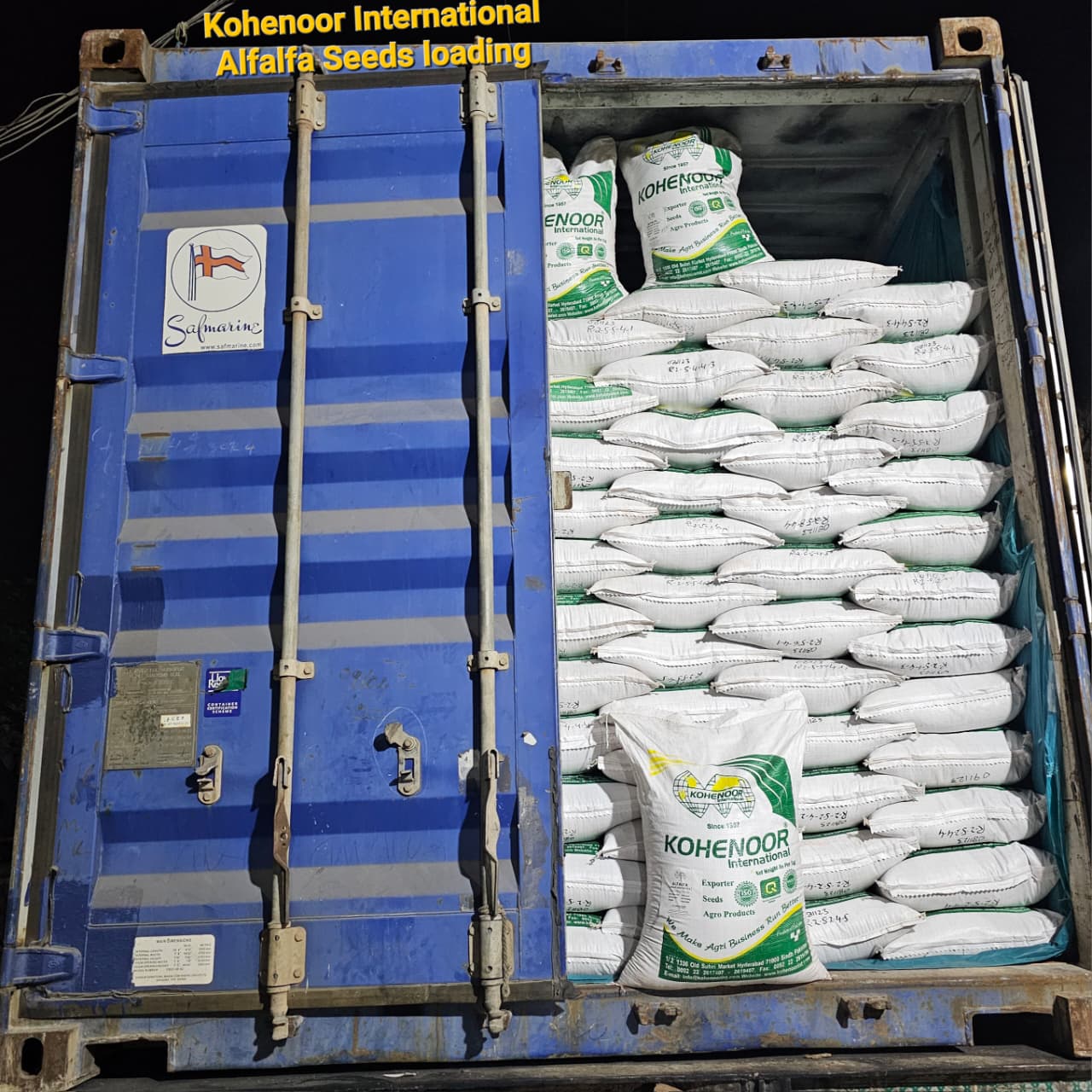
See the seed, the lab and the loading

Sprouting seeds we export

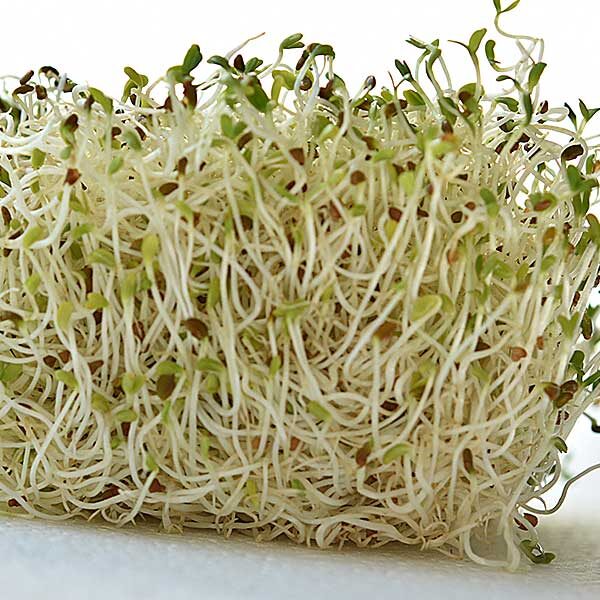
Alfalfa sprouting seed
Alfalfa sprouting seedKN92-grade sprouting lots, ~99% purity, 90%+ germination, 0% dodder. MOQ 1 MT.
Specifications →
Mung bean sprouting seed
Mung bean sprouting seedFood-grade mung bean for drum-sprouted bean sprouts. Untreated, lot-tested.
Specifications →
Radish sprouting seed
Radish sprouting seedDaikon and rose radish for peppery sprouts and fast microgreens.
Specifications →
Mustard seed
Mustard seedYellow mustard for hot, fast microgreens and spicy sprout blends.
Specifications →

Talk to a real person — quote within 24 hours

Send your product, quantity and destination port. The export desk replies personally with a quotation, current lot certificates and a shipping schedule — no bots, no obligation.

export@kohenoorint.com

Frequently asked questions

Is Kohenoor approved by the EU or the FDA?

No seed supplier is approved in that sense, and we do not claim it. We supply untreated, cleaned, ISTA-tested seed with lot traceability, independent third-party pathogen reports and the documentation importers and sprout growers need to meet EU Regulations 208/2013 and 211/2013 and US FDA Produce Safety Rule expectations.

Who runs the Salmonella and E. coli/STEC tests?

An independent third-party laboratory, per lot, on request. Kohenoor does not issue its own pathogen results. The report references the lot ID on the bag tags and is sent with the Certificate of Analysis.

What does EU Regulation 208/2013 require of me as an importer?

In summary, to keep and pass on records for each consignment of seeds for sprouting: taxonomic name, quantity, names and addresses of dispatching and receiving operators, a lot or consignment reference and the dispatch date, and to retain the import certificate. Our packing list, COA and invoice supply every field.

What is the 211/2013 certificate?

An official certificate from the exporting country's competent authority attesting that seeds for sprouting were produced under conditions meeting EU hygiene requirements with traceability ensured. It now takes the form of the current EU model official certificate lodged through TRACES and checked at a border control post; your broker confirms the current model. It is issued by the authority, not by Kohenoor, and we prepare the consignment and records so it can be issued.

What does the US Produce Safety Rule require of sprout growers regarding seed?

To prevent contamination of seed, to treat seed with a scientifically valid method before sprouting (or hold documentation of supplier treatment), to test spent sprout irrigation water or in-process sprouts for E. coli O157:H7 and Salmonella, to monitor the environment for Listeria, and to stop using any seed lot linked to illness. Growers therefore need seed from a documented supplier, which is what our lot files provide.

Is the seed really untreated, and can I verify it?

Yes. All sprouting seed is natural seed with no fungicide, insecticide, colourant or coating, designated for food use from planting and kept apart from farm-grade seed. Untreated status is stated on the COA and can be confirmed by residue testing at your own laboratory.

How fast is the Certificate of Analysis issued?

Within 24 hours of request. It carries the lot ID, species and type, purity, germination, dodder result for alfalfa, untreated status, allergen flags and the reference to the independent microbiological report.

How long does sprouting seed stay viable in storage?

Kept cool and dry in sealed bags, alfalfa sprouting seed typically holds its germination for 18 to 24 months. Other species are broadly similar when properly dried; small mucilaginous seeds are more humidity-sensitive. Rotate stock first-in, first-out by lot and re-test retained samples at intervals.

Related pages

WA