Alfalfa sprouting seed · from origin

Alfalfa sprouting seed for Europe and the United Kingdom — importers and approved sprout producers

Untreated · Sortex-cleaned · ISTA-tested per lot · 208/2013 traceability · 211/2013 certificate support · 25 kg bags · MOQ 1 MT

Europe regulates seeds for sprouting more precisely than any other region, and an importer who brings alfalfa seed into the Union or into Great Britain works inside a framework of traceability rules, import certificates, approved-establishment status and microbiological criteria that were all written after 2011. Kohenoor has supplied the documents that framework asks for since those rules came into force: untreated, food-grade Medicago sativa sprouting lots from its own cleaning line in Pakistan — purity around 99%, germination 90% and above, zero dodder — with lot-level traceability and third-party microbiology ready for your competent authority and your customers' auditors.

Get a quote in 24h
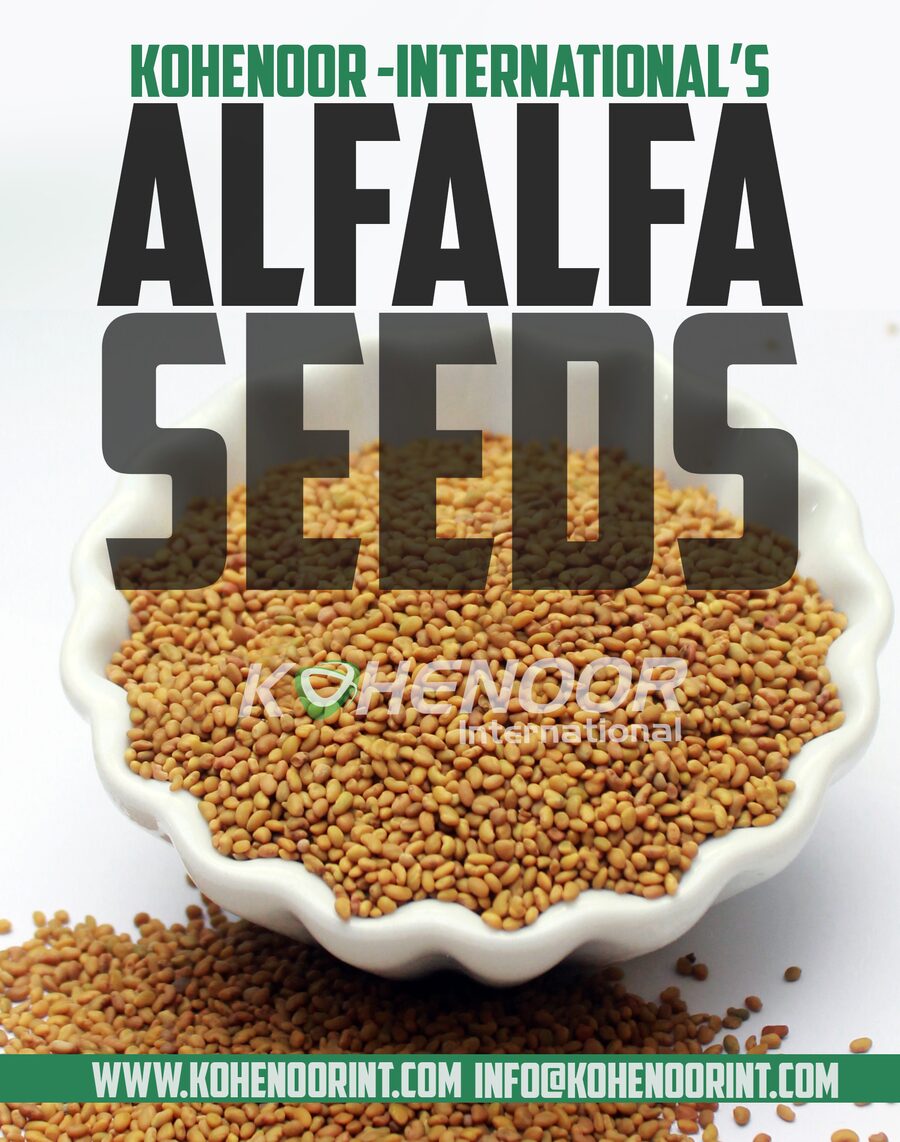
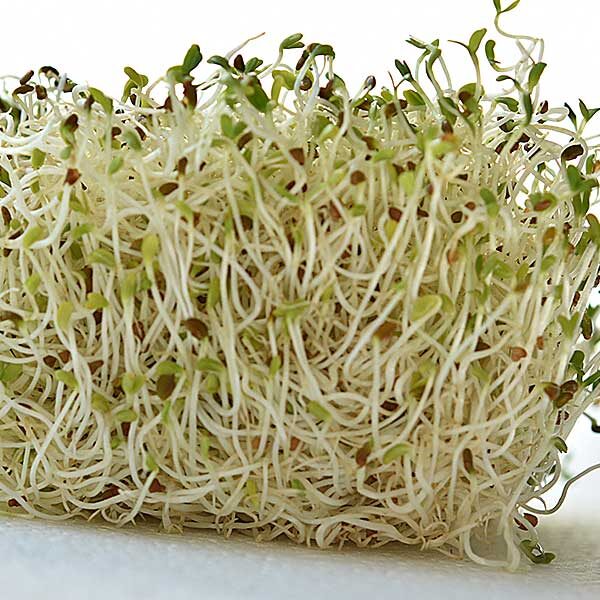
Fresh alfalfa sprouts of the kind grown by approved European sprout producers from untreated Kohenoor alfalfa seed
In short: Alfalfa seed for sprouting entering the EU must be traceable under Regulation (EU) 208/2013 and, from a third country, accompanied by the import certificate introduced by Regulation (EU) 211/2013 attesting hygienic production; sprouts themselves are produced only by approved establishments and tested against STEC and Salmonella criteria. Great Britain applies retained versions of those rules. Kohenoor supplies untreated, Sortex-cleaned, ISTA-tested alfalfa sprouting lots (purity ~99%, germination 90%+, 0% dodder) with the lot records, third-party microbiology and certificate support an EU or UK importer needs, shipped FOB Karachi to Rotterdam, Hamburg, Antwerp, Felixstowe or Genoa from 1 MT.
Untreated — no coatingSortex optical-cleanedISTA-tested per lotCOA within 24 hThird-party microbial testingLot-tagged traceabilitySince 1957Reply within 24 h
Botanical nameMedicago sativa
Germination90%+ (ISTA, per lot)
Purity~99%
Dodder0%
MOQ1 MT
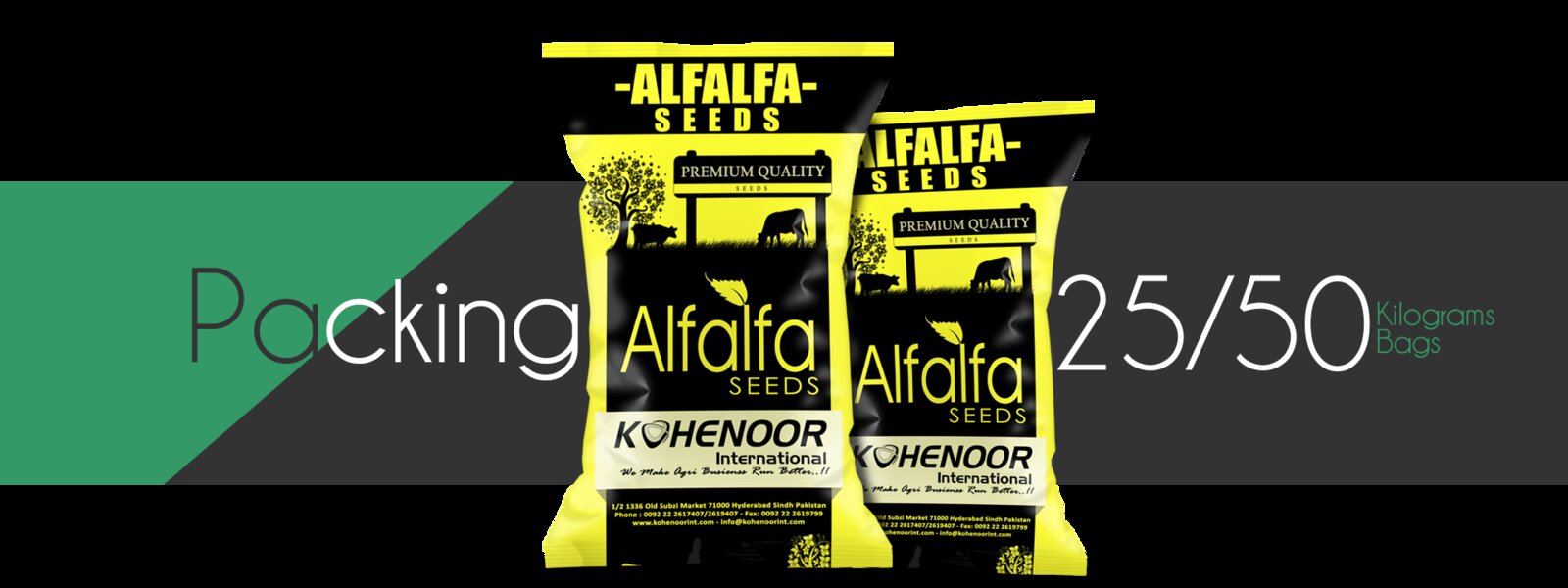
Packaging25 kg lot-tagged bags

The European alfalfa sprout market: who grows it and who buys it

Alfalfa is the backbone of the European sprout trade, though it rarely appears alone. The typical European retail unit is a mixed "salad sprout" punnet — alfalfa with a little radish and clover, sometimes leek or broccoli — sold in the chilled vegetable aisle of German, Dutch, Belgian, Scandinavian and British supermarkets, and in the organic chains that are so strong in Germany and Austria. Food-service takes alfalfa by the kilo for sandwich fillings and salad bars, and the health-food channel sells both finished sprouts and sprouting seed for home jars. Italy and Spain are smaller but growing markets, driven by the restaurant and gourmet trade; Poland has a well-established sprout industry serving both its domestic market and neighbouring countries.

The producers are a relatively small number of licensed sprout establishments, often family businesses that have been in the trade for decades, running drums or trays in temperature-controlled rooms close to the big distribution centres. Since 2013 every one of them operates under approval from its national competent authority, with a HACCP-based plan, preliminary testing of seed batches and routine testing of finished sprouts. They are careful, well-informed buyers, and they have been working with imported seed for a long time because European alfalfa seed production is largely for forage and is generally treated or coated for sowing.

The 2011 outbreak traced to fenugreek seed changed the trade permanently. Within two years the Commission had published four regulations covering traceability, import certification, approval of sprout producers and microbiological criteria, and seed importers found themselves holding a new set of responsibilities at the border. A decade on, the rules are settled and well understood, and a seed exporter who has lived with them from the start can make an importer's compliance work much lighter. That is the proposition on this page: alfalfa seed that performs in the drum, from a supplier who already knows what a European importer's file has to contain.

Regulation (EU) 208/2013: traceability requirements for seeds for sprouting

Commission Implementing Regulation (EU) No 208/2013 lays down traceability requirements for sprouts and for seeds intended for the production of sprouts. It builds on the general traceability rule in the General Food Law — one step back, one step forward — and makes it specific. At the time of writing the essential obligations, described in general terms, are that every food business operator handling such seeds must be able to identify the business from which the seeds were received and the business to which they were dispatched, and must hold, for each consignment, a defined set of information: an accurate description of the seeds including the plant's taxonomic name, the volume or quantity, the date of dispatch, the name and address of the consignor and consignee, and a reference identifying the lot or batch. The same information must be available for importers, who are the first operator in the Union for a consignment from a third country.

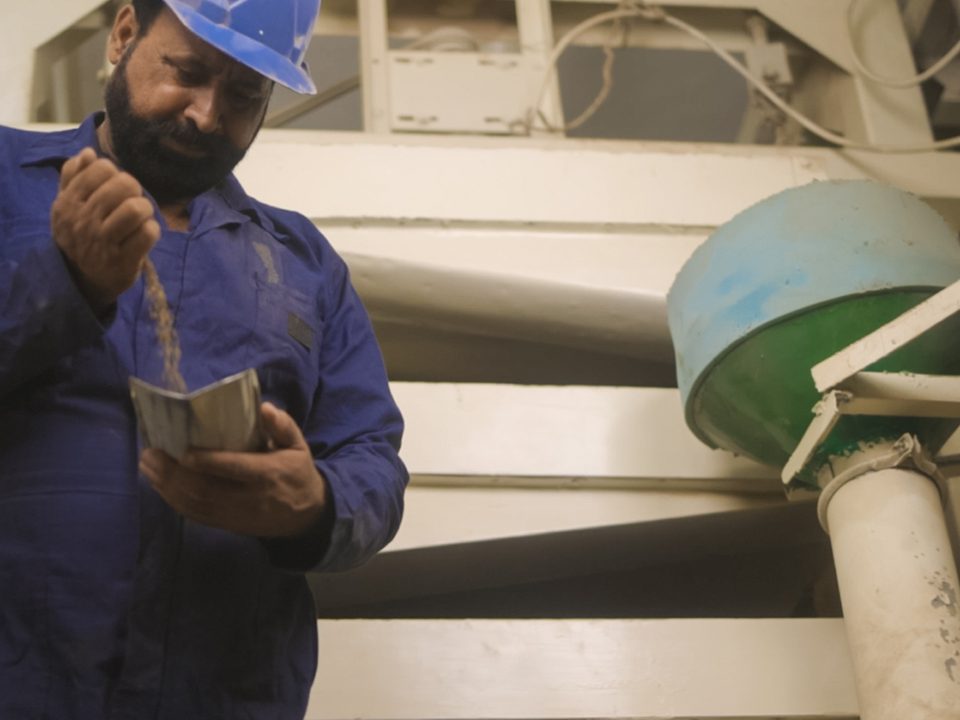
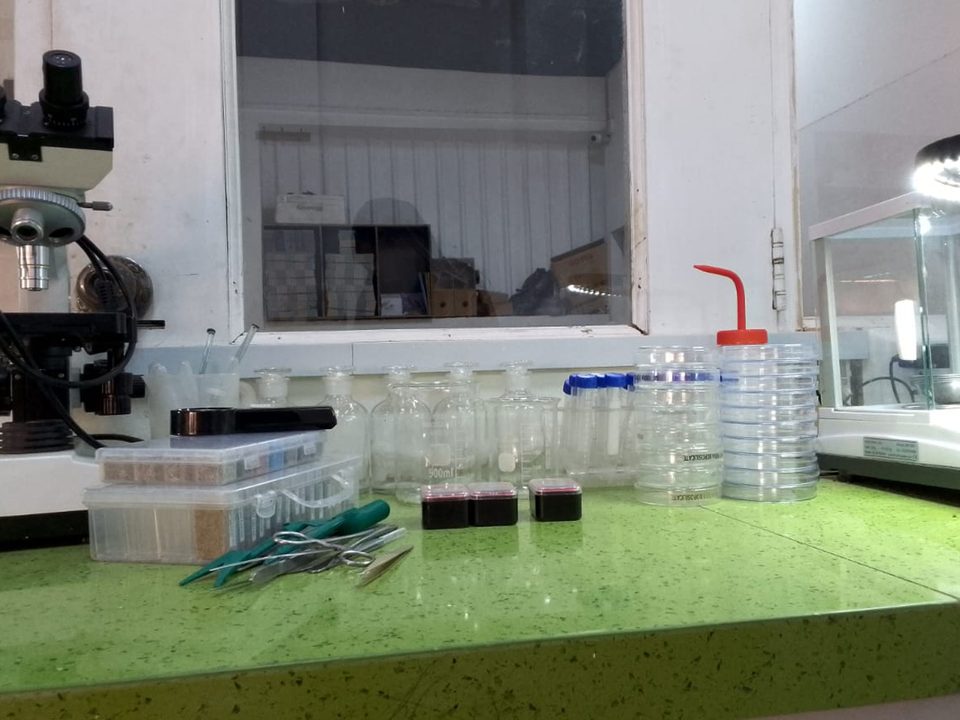
Germination testing in the Kohenoor laboratory — the test results are tied to the lot ID that follows each bag to Europe

That information must be updated daily, kept until it can reasonably be assumed the seeds have been consumed, and made available to the competent authority on request without delay. In practice the authority will ask for it when something goes wrong somewhere in the chain, and will expect an importer to be able to say, within hours, which lots went to which sprout producers.

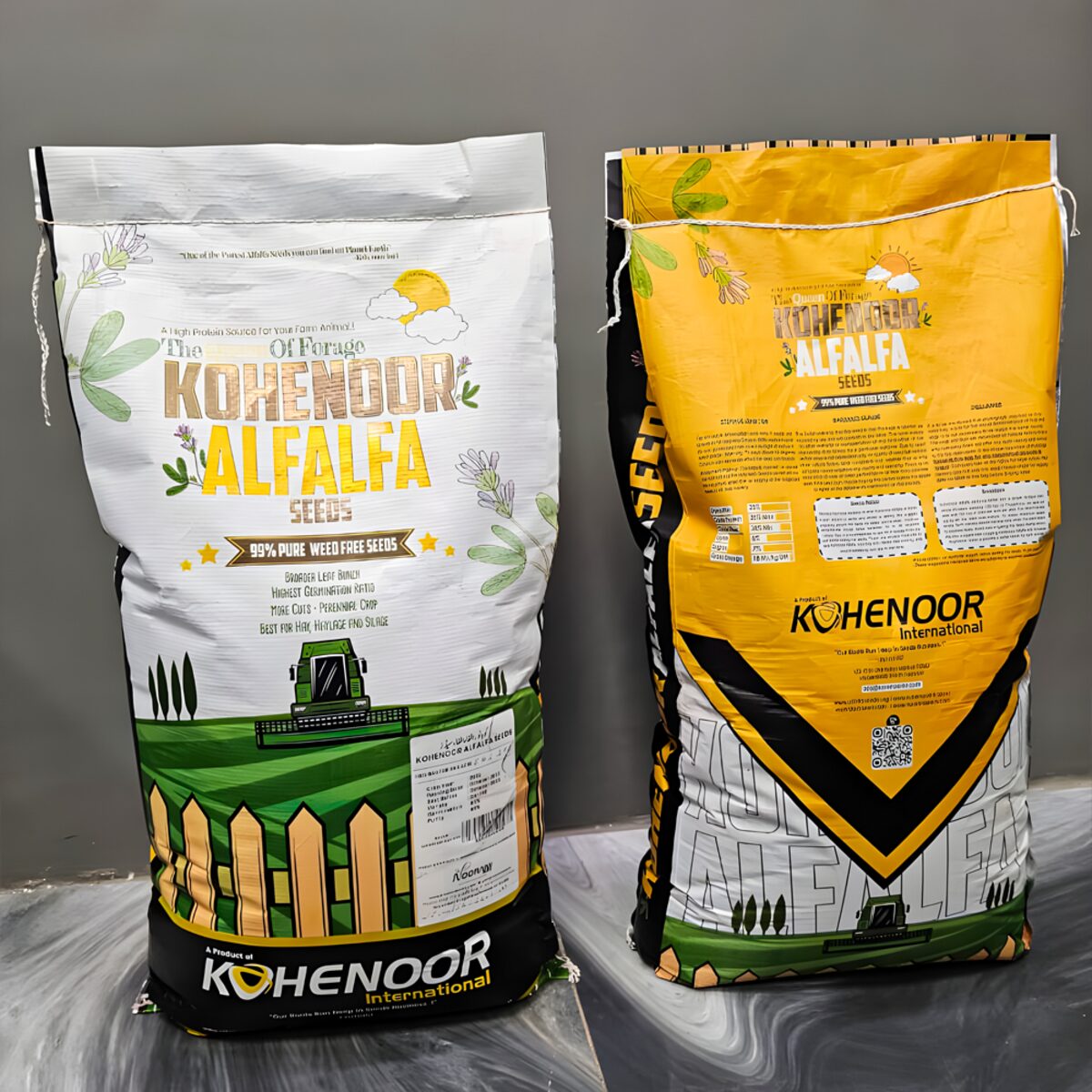
Kohenoor's lot system was built to feed exactly this record. Every bag carries a sealed tag with the species, lot ID, test date and net weight. The commercial invoice, packing list, COA, ISTA Orange Certificate, microbiology report and phytosanitary certificate all carry the same lot ID, so the importer's one-step-back record is complete the moment the documents arrive by email. Behind that ID, on our side, sits the field record, the cleaning-line record with its documented clean-down between lots, the laboratory results and the warehouse location — the full field-to-bag-to-warehouse trace the regulation contemplates, available to you or your authority on request. We also recommend that importers write our lot ID into their own warehouse and sales records rather than re-labelling, so that a single number works along the whole chain from Sindh to the sprout drum.

Regulation (EU) 211/2013: the import certificate for seeds for sprouting from third countries

Commission Regulation (EU) No 211/2013 introduced certification requirements for imports into the Union of sprouts and of seeds intended for the production of sprouts. In general terms, a consignment of such seeds from a third country must be accompanied by a certificate, issued by the competent authority of the exporting country, attesting that the seeds were produced under conditions complying with the general hygiene provisions for primary production and associated operations set out in the EU food hygiene rules, and that the traceability information required by Regulation 208/2013 is available. The certificate accompanies the consignment until it reaches the destination indicated on it, and the importer presents it at the border control post.

The model certificate has moved since 2013. At the time of writing the format for sprouts and seeds for sprouting is set out in the implementing rules made under the Official Controls Regulation, and consignments are pre-notified and documented through the Union's TRACES system by the importer or its customs agent. Which annex, which form of words and which language versions apply on the day your container arrives are questions for your broker and your border control post, and we ask every EU importer to confirm them before shipment rather than rely on a general description here.

What Kohenoor does, and has done since the regulation took effect, is prepare the supporting documentation for the Pakistani competent authority so that the certificate can be issued correctly for your consignment, and make sure that the lot IDs, quantities, consignor and consignee details on the certificate match the commercial documents and the bag tags exactly. Mismatches between the certificate and the invoice are the most common reason a consignment of seed for sprouting is held at a European border post; we have learned to check them line by line before the vessel sails. The certificate, the phytosanitary certificate, the certificate of origin and the full commercial set are emailed to you and your agent before arrival, so pre-notification can be filed with time to spare.

We want to be precise about what we do not claim: Kohenoor is not approved, listed or registered by any European Union authority, because no such status exists for a seed exporter in a third country. The certificate attests to the conditions under which a consignment was produced; the approval regime in Europe applies to the sprout producer, as the next section describes.

Approved sprout producers and the STEC and Salmonella criteria

Two further regulations complete the European picture and shape what your sprout-producing customers will ask of you. Commission Regulation (EU) No 210/2013 requires establishments producing sprouts to be approved by the competent authority of their Member State, after an on-site visit confirming that they meet the hygiene requirements for primary production and the specific annex on sprout production — design and layout, water quality, cleaning, pest control, staff hygiene and so on. An importer selling seed to a sprout producer in the Union is therefore selling to an approved establishment, and the producer's approval depends in part on the records it can show for its seed.

Commission Regulation (EU) No 209/2013 amended the microbiological criteria regulation to add food safety criteria for sprouts. At the time of writing those criteria, in general terms, require absence of Salmonella in 25 g and absence of Shiga-toxin-producing E. coli (STEC) of the serogroups considered most relevant to public health — O157, O26, O103, O111, O145 and O104:H4 — in 25 g of sprouts placed on the market during their shelf life. The same regulation introduced preliminary testing of seed batches: before a batch of seed is used, a representative sample is sprouted under the establishment's normal conditions and the sprouts (or spent irrigation water) are tested against the criteria, with a derogation available for producers who have a sampling plan with a demonstrated history of compliance. Sprout producers also test finished sprouts and spent irrigation water at defined frequencies.

Kohenoor's role here is supporting, not substituting. Our third-party laboratory testing for Salmonella and E. coli/STEC on each lot, available on request with the sampling record, gives the importer and the sprout producer a baseline from origin and a document to file. It does not replace the producer's own preliminary testing, and we never suggest that it should. We also supply retained samples from every lot so that the producer's preliminary sprout test is run on seed that provably corresponds to the shipped lot, and so that any divergence between their laboratory and ours can be investigated with the same material.

The food-safety logic is the same as the United States has reached by a different legal route: seed should arrive clean, untreated, dry and traceable, and the sprout producer should test under its own validated system. For the testing programme in detail see our food safety and testing page.

The United Kingdom after Brexit: Great Britain, Northern Ireland and what to confirm

The United Kingdom left the Union's legal order on 1 January 2021, and the EU rules for sprouts and seeds for sprouting were carried into domestic law as retained (now "assimilated") legislation. At the time of writing, Great Britain — England, Scotland and Wales — applies its own versions of the traceability regulation (208/2013), the import certification regulation (211/2013), the approval regime for sprout producers (210/2013) and the microbiological criteria, administered by the Food Standards Agency, Food Standards Scotland and the port health authorities. The substance mirrors the EU rules closely; the certificate model, the notification system and the competent-authority references are British rather than European. Northern Ireland remains aligned with the EU rules for food under the Windsor Framework, so a consignment destined for Belfast follows the Union model.

Two points deserve care. First, the UK's border regime for food and plant imports has been introduced in phases under the Border Target Operating Model, and the documentary, identity and physical check requirements for a given commodity from a given country have changed more than once. Second, plant-health import rules for seed are administered separately from food rules — by the Animal and Plant Health Agency in England and Wales and by the Scottish Government in Scotland — and a phytosanitary certificate with any required additional declaration is needed for alfalfa seed. Your freight forwarder or customs agent will tell you the current requirements for the week your container lands; we do not want a British importer relying on a web page for a rule that has moved.

What we provide to UK importers is the same as for the Union, adjusted for the British forms: supporting documentation to the Pakistani competent authority for the import certificate, the IPPC phytosanitary certificate with the dodder-free declaration, the ISTA Orange Certificate and COA for the lot, third-party microbiology on request, the certificate of origin and the commercial set — all carrying the same lot ID. Felixstowe is the port we use most for England, with Southampton and London Gateway as alternatives, and Grangemouth or Liverpool for Scotland and the north-west when the routing suits.

Britain's sprout market itself is healthy: supermarket mixed-sprout punnets, a strong independent health-food sector, and a growing home-sprouting hobby served by online seed retailers. Alfalfa is the first seed in almost every range.

Organic alfalfa sprouting seed under EU and UK organic rules

Organic is proportionally larger in the European sprout market than almost anywhere else. In Germany, Austria, Denmark, Sweden and the Netherlands a majority of retail sprout punnets in some chains are organic, and the organic supermarket groups that are so visible in German cities list sprouts as a standard chilled line. Home-sprouting seed sold in organic shops and online is overwhelmingly organic. Because organic sprouts require organic seed, an importer serving this channel needs certified seed in container quantities, with the import paperwork done correctly.

Kohenoor supplies organic-certified alfalfa sprouting lots under the EU Organic regulation, as well as USDA NOP and JAS, subject to a minimum of 5 MT and a lead time of 60 to 90 days. Organic lots are grown and cleaned to order on inspected fields and equipment, and the cleaning line is scheduled so that organic seed never shares a run with conventional. If your programme needs EU Organic, tell us at enquiry and we will confirm the certifier, the season and the schedule.

At the time of writing, organic products imported into the Union must be accompanied by a certificate of inspection issued by a control body recognised by the Commission for the product and the country, endorsed through TRACES before release for free circulation; the UK operates an equivalent certificate of inspection for Great Britain. The exporter and its control body issue the certificate, the importer and its agent endorse and present it, and the border authority verifies. We arrange our side so that the certificate matches the consignment to the lot and the kilo; your control body and agent handle the rest. We make no claim that Kohenoor itself is approved by the Commission or by any UK authority — the recognition applies to the control body and the certificate applies to the lot.

Conventional, non-GMO alfalfa remains the larger volume into Europe, and many organic sprout producers buy conventional for their non-organic lines in the same container, with full physical separation and separate documents. Mixed loads are routine for us.

Ports and logistics: Rotterdam, Hamburg, Antwerp, Felixstowe and Genoa

We ship FOB Karachi with CFR or CIF to your European port on request. Karachi is served weekly by the major lines through the Suez Canal into the Mediterranean and on to northern Europe, and transit times to the main gateways are among the most predictable we work with. The notes below describe the usual pattern at the time of writing; your forwarder or ours confirms the current schedule when we book.

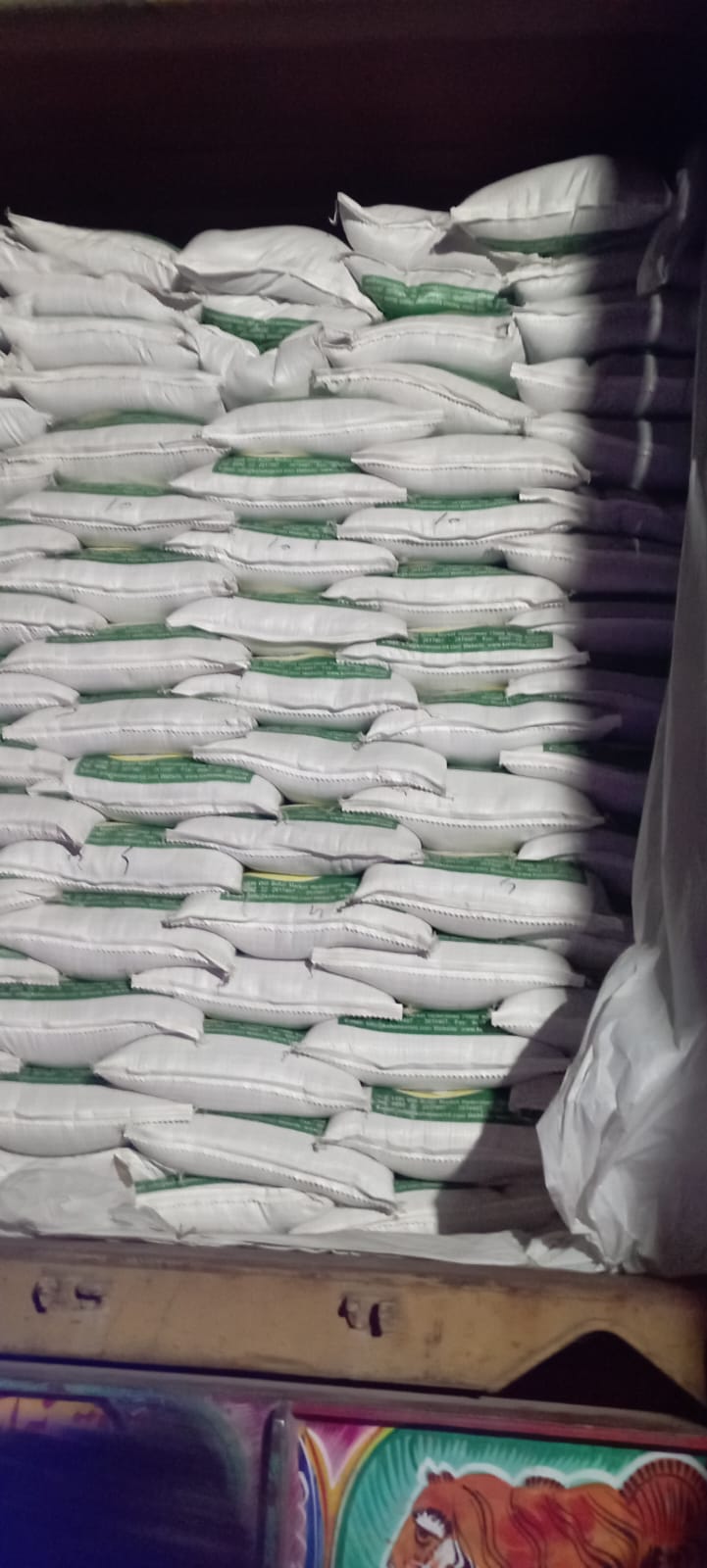
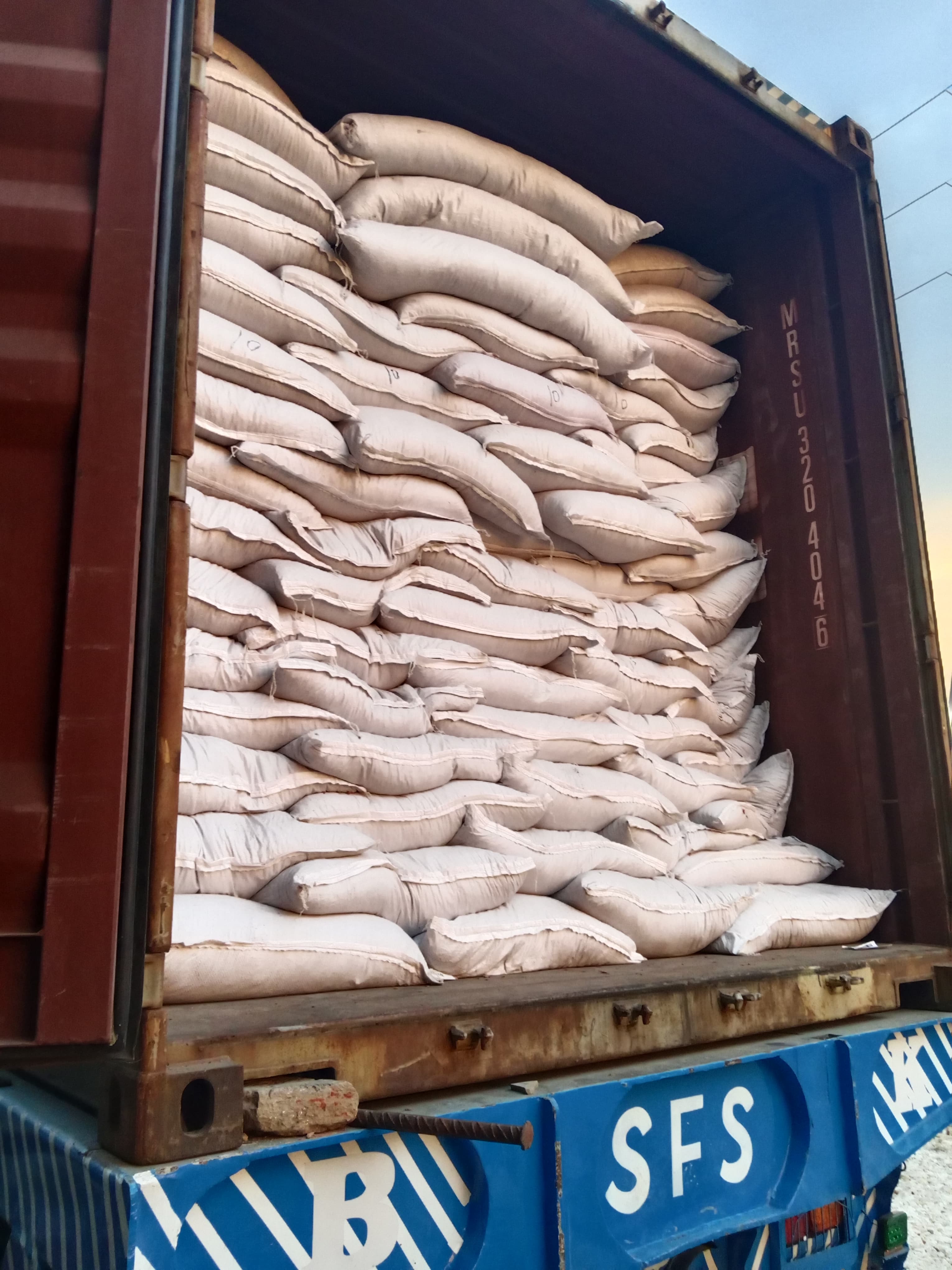
Kohenoor alfalfa seed bags loaded in an export container at Karachi bound for a European port

A 20-foot container carries roughly 18 to 20 MT of bagged seed depending on palletisation; European buyers very often mix alfalfa with radish, clover, mung bean, fenugreek and other sprouting species so that one import certificate, one phytosanitary certificate and one border inspection cover the season. Seed ships in 25 kg poly-lined PP woven bags that keep moisture out across the Indian Ocean and the Red Sea and stack well on Euro pallets. In-stock lots are ready for vessel loading within 7 to 12 days of order confirmation, and the full document set reaches you and your agent before arrival so pre-notification in TRACES or the British system can be filed on time. Alfalfa germination holds for 18 to 24 months in cool, dry storage, so one container can serve a sprout producer for a full year on a single lot.

Buyer types by country: Germany, the Netherlands, Italy, Poland, the UK and Scandinavia

Europe is not one market but a dozen, and the kind of buyer who imports alfalfa seed for sprouting differs from country to country. The sketches below describe buyer types, not named customers.

Germany. The largest sprout market in the Union, with approved sprout producers supplying the discount chains and the full-line supermarkets, a powerful organic retail sector, and a strong home-sprouting culture served by health-food shops and online retailers. German buyers are the most demanding on documents and the most loyal once satisfied. Organic demand is high; many importers run both organic and conventional lines.

The Netherlands. Home to several of Europe's larger sprout producers and to the trading houses that import seed for the whole Benelux region and beyond. Dutch buyers tend to think in whole containers and mixed species, and value a supplier who can keep one lot available for repeat orders.

Italy. A gourmet and restaurant-led market in which alfalfa and other sprouts reach consumers through specialist fresh-produce distributors, premium supermarkets and the catering trade. Italian importers often start with smaller volumes and a wider species range — alfalfa, radish, cress, fennel, basil — and grow from there.

Poland. A well-developed sprout industry with producers supplying both domestic retail and neighbouring Central European markets. Polish buyers are careful on value and on quality at the same time, and the dry, dodder-free seed from Sindh has been a good fit.

The United Kingdom. Supermarket mixed-sprout punnets, a vigorous independent health-food channel and a fast-growing online home-sprouting trade. British importers now handle the GB import certificate and phytosanitary process separately from the Union, as described above.

Scandinavia. Denmark, Sweden and Norway have high organic penetration, strong health-food retail and a tradition of home sprouting through the dark winter months. Volumes are moderate, quality expectations are high, and organic certification is often a precondition.

Across all six, the buyers fall into four types: approved sprout producers buying for their own drums, seed importers and traders redistributing to producers, health-food wholesalers and seed repackers serving the home-sprouting market, and private-label brands who want seed packed under their own name at origin. We serve all four, and we supply private-label and retail-ready packaging on request.
Why Pakistan-origin untreated alfalfa suits European sprout producers

European sprout producers have bought alfalfa seed from several origins over the years, and they know what they are looking for: vigorous, uniform, untreated seed with a near-zero weed count, a low microbial starting point and a supplier who can document all of it. Kohenoor's seed fits that list for reasons that are physical before they are commercial.

Seed cleaning machinery at the Kohenoor plant — air-screen, gravity and Sortex optical cleaning in sequence for alfalfa sprouting lots

Dry harvest, long storage life. Alfalfa for seed in Sindh ripens through a long, hot, dry season and is combined at low moisture. Dry harvest is good for germination, good for storage and good for microbial load, because wet harvests are where mould and surface contamination begin. It is why we can quote 18 to 24 months of germination in cool, dry storage with confidence.

Dodder-free as a habit, not a promise. Field dodder (Cuscuta) is a quarantine weed across Europe and the contaminant most likely to stop alfalfa seed at a plant-health inspection. Kohenoor has guaranteed 0% dodder in writing for its forage alfalfa for decades, and the same cleaning line — air-screen cleaners, gravity tables, Sortex optical sorters — and the same inspection discipline produce the sprouting lots.

Vigour from forage breeding. The seed for sprouting lots comes from our KN92 line, selected over many seasons on our own research plots for seed vigour and uniformity. A vigorous lot germinates fast and together, which is what fills a European drum evenly and gives the uniform, slender sprout the punnet trade wants.

One company from field to bag. Grower, cleaner, laboratory and exporter are the same business, which is what makes a lot ID meaningful under Regulation 208/2013 and lets us answer a traceability question in an hour. Kohenoor is ISO 9001 and HACCP certified, with the HACCP plan covering the sprouting-seed line specifically; ISTA Orange Certificates are recognised by every seed laboratory in Europe.

Experience with the European file. We have prepared 211/2013 certificate documentation, phytosanitary declarations and organic certificates of inspection for European consignments since the rules were new, and we know where the mismatches that cause border holds usually hide. Our export desk — in Pakistan, Dubai and Australia — replies within 24 hours in English, and also in French, Spanish and Arabic.

Specification, documents and how to order

European buyers normally write a seed specification into the purchase order and ask us to confirm it against the lot documents before shipment. Our standard alfalfa sprouting lots meet the figures below; tighter limits or additional analyses — pesticide residue screening to EU maximum residue levels, heavy metals, a GMO declaration — can be arranged with the lot sample if you tell us at enquiry.

ParameterKohenoor alfalfa sprouting lots
Botanical nameMedicago sativa, KN92-grade sprouting lots, conventional non-GMO
Germination90%+ by ISTA method, Orange Certificate per lot, test date stated
Physical purity~99%
Dodder and weed seed0% dodder; weed seed removed by Sortex optical sorting
Treatment statusUntreated — no fungicide, insecticide or coating; declared on COA and tag
MicrobiologySalmonella and E. coli/STEC by independent third-party laboratory, per lot on request
MoistureStated on COA per lot
Packaging25 kg poly-lined PP woven bags, sealed lot tag; EU/FDA food-contact grade
MOQ and lead time1 MT; in-stock lots 7–12 days to FOB Karachi vessel loading
TermsFOB Karachi (CFR/CIF on request); 100% TT against B/L copy or irrevocable L/C at sight

Documents supplied with every EU or UK shipment: supporting documentation to the Pakistani competent authority for the seeds-for-sprouting import certificate in the model your border post requires; IPPC phytosanitary certificate with the dodder-free additional declaration; ISTA Orange Certificate; Certificate of Analysis; third-party microbiology report on request with sampling record; certificate of origin; commercial invoice, packing list and bill of lading; food-contact packaging declaration; and for organic lots the organic certificate and certificate of inspection issued through the control body.

How to order. First, send your requirement by WhatsApp to +92 310 4929292 or by email to export@kohenoorint.com: quantity, destination port, Member State or UK nation of destination, the specification your customers require, whether you need organic, and whether you would like a sample of the current lot. Second, within 24 hours you receive a quotation FOB Karachi or CFR/CIF, the COA and ISTA certificate for the proposed lot and a sailing schedule; send your supplier questionnaire at this stage. Third, on your purchase order and payment arrangement we book the vessel, complete the import certificate, phytosanitary and origin documentation and load within 7 to 12 days for stock lots. The full set reaches you and your agent before the vessel does, and the desk stays in contact until the border post has released the container.

If this is your first consignment of seed for sprouting, tell us and we will walk through the certificate, TRACES or GB notification and plant-health steps with you and your agent before you commit. See also the alfalfa sprouting seed product page and our full exporter guide.

See the seed, the lab and the loading

Alfalfa sprouting seed by market

Alfalfa sprouting seed for Taiwan
Alfalfa sprouting seed for TaiwanPhytosanitary and food-import paperwork for Kaohsiung, Keelung and Taichung; hydroponic sprout industry.
Read the market guide →
Alfalfa sprouting seed for China & Hong Kong
Alfalfa sprouting seed for China & Hong KongDocuments for GACC and customs quarantine; Shanghai, Shenzhen, Qingdao, Tianjin and Hong Kong.
Read the market guide →
Alfalfa sprouting seed for South Korea
Alfalfa sprouting seed for South KoreaMFDS import declaration and APQA plant quarantine support; Busan and Incheon.
Read the market guide →
Alfalfa sprouting seed for the USA
Alfalfa sprouting seed for the USAUntreated lots with the lot documents a Subpart M sprout safety plan and an FSVP file need.
Read the market guide →

Talk to a real person — quote within 24 hours

Send your product, quantity and destination port. The export desk replies personally with a quotation, current lot certificates and a shipping schedule — no bots, no obligation.

export@kohenoorint.com

Frequently asked questions

Do you provide the Regulation 211/2013 import certificate?

The certificate is issued by the competent authority of the exporting country, not by the exporter. Kohenoor prepares the supporting documentation and the consignment details for the Pakistani authority so that the certificate is issued in the model your border control post currently requires, and we check that lot IDs, quantities, consignor and consignee match the invoice and bag tags before the vessel sails. Confirm the current model and notification route with your customs agent.

How does your lot system support Regulation 208/2013 traceability?

Every bag carries a sealed tag with species, lot ID, test date and net weight, and the same lot ID appears on the invoice, packing list, COA, ISTA certificate, microbiology report and phytosanitary certificate. Behind the ID we hold the field, cleaning-line, laboratory and warehouse records, so your one-step-back record is complete on arrival and can be extended to origin on request.

Is Kohenoor approved by the EU or the UK?

No, and we make no such claim — there is no approval or listing for a third-country seed exporter under these rules. The approval regime in Europe applies to sprout-producing establishments. What we supply is the documentation an importer and an approved producer need: the certificate support, ISTA and COA documents, third-party microbiology, phytosanitary certificate and traceability records.

Do you test for STEC and Salmonella?

On request, each lot is sampled and sent to an independent third-party laboratory for Salmonella and E. coli/STEC testing, and the report travels with the lot documents together with the sampling record. This supports, but does not replace, the preliminary testing of seed batches and the finished-sprout testing that approved European sprout producers carry out under the microbiological criteria.

What changed for UK importers after Brexit?

Great Britain applies retained versions of the EU rules for seeds for sprouting — traceability, import certification, producer approval and microbiological criteria — with British certificate models and notification systems, while Northern Ireland follows the EU rules. Border check requirements have been phased in and have changed more than once, so confirm the current position with your agent. We supply the same document set adjusted for the British forms, usually via Felixstowe.

Can you supply EU Organic alfalfa sprouting seed?

Yes. Organic-certified lots under EU Organic (and USDA NOP or JAS) are available subject to a 5 MT minimum and a 60–90 day lead time, grown and cleaned to order under certified handling. At the time of writing, organic imports need a certificate of inspection from a recognised control body endorsed through TRACES (or the GB equivalent); we arrange our side so that it matches the lot exactly, and your control body and agent handle the import endorsement.

Which European ports do you ship to, and how long does it take?

Rotterdam, Hamburg, Antwerp, Felixstowe and Genoa are the five we use most, with Southampton, London Gateway, Le Havre and others on request. We quote FOB Karachi with CFR or CIF to your port, and the forwarder provides the current sailing schedule at order confirmation; in-stock lots are ready for loading within 7–12 days.

What is the minimum order and can we mix species?

The minimum for alfalfa sprouting lots is 1 MT (40 bags of 25 kg). Most European buyers ship a 20-foot container of roughly 18–20 MT and mix alfalfa with radish, clover, mung bean, fenugreek and other sprouting seeds so that one certificate, one phytosanitary document and one border inspection cover the whole load.

Related pages

WA