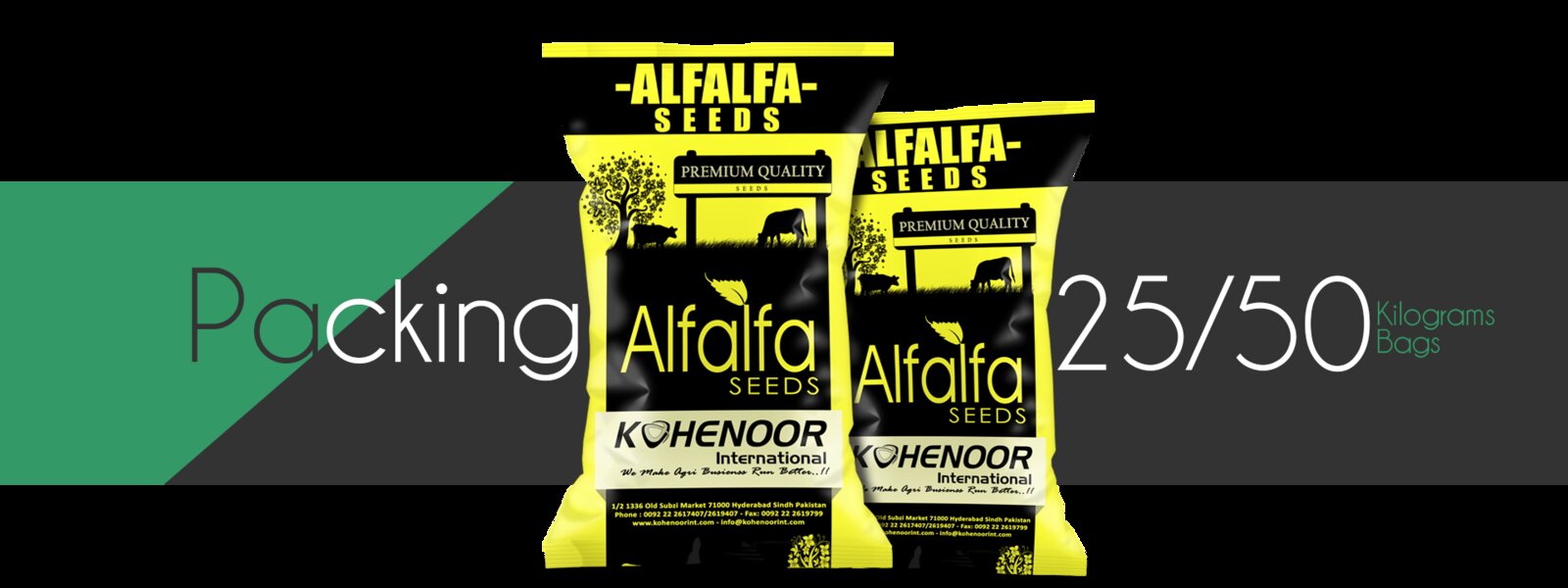
Untreated · Sortex-cleaned · ISTA-tested per lot · COA in 24 h · 25 kg bags · MOQ 1 MT · FOB Karachi
The United States is the market that wrote the modern rulebook for sprouts, and a US sprout producer buying seed from overseas needs two things at once: seed that performs in the drum, and a paper trail that stands up in an FDA inspection and an FSVP file. Kohenoor supplies untreated, food-grade Medicago sativa sprouting lots from its own cleaning line in Pakistan — purity around 99%, germination 90% and above, zero dodder — with lot documents written to be filed straight into a sprout safety plan.
WhatsApp +92 310 4929292 Get a quote in 24h
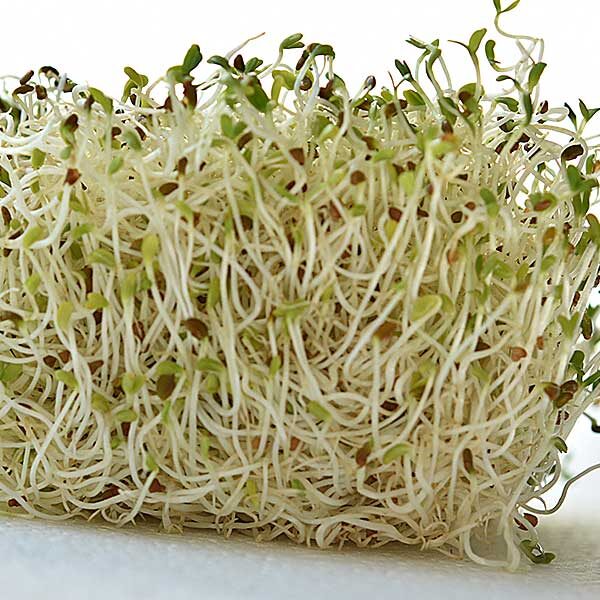
Alfalfa sprouts have been a fixture of American eating since the salad-bar boom of the 1970s, and they remain the sprout most US shoppers can name. They are sold in 4 oz and 8 oz clamshells in supermarkets from California to New England, by the pound to sandwich chains and salad-kit assemblers, and in mixed "crunchy sprout" packs alongside clover, radish and broccoli. The retail story has had its difficult years — the outbreaks of the 1990s and 2000s pushed several grocery chains to delist raw sprouts for a time — but the category has come back on the strength of professionalised sprout houses that run validated seed treatment, water testing and environmental monitoring as a matter of routine. Today the producers who survived are larger, better equipped and more demanding of their seed suppliers than they were twenty years ago, and that is good news for anyone selling clean seed.
Almost all of the alfalfa seed sprouted in the United States is bought in, not grown by the sprout house. A share comes from domestic seed-growing regions in the western states; a growing share is imported, because the alfalfa seed grown for forage in the US is largely treated or coated for planting and is not suitable for food use, and because sprouting-grade lots need a cleaning and testing discipline that forage seed merchants do not always provide. An importer or a large sprout producer bringing seed in by the container is therefore not an unusual buyer. The US market has decades of experience with imported sprouting seed, and the entry process — FDA, APHIS, customs — is well trodden.
What has changed since the Produce Safety Rule took effect is the weight the sprout operation must put on where its seed came from and what is known about it. A lot that arrives with an accredited germination test, a documented cleaning history, a third-party microbiology report and a lot ID on every bag makes the sprout house's compliance work lighter at every step. That is the position from which Kohenoor sells into the United States: as the lot that saves the quality manager an afternoon every time a new batch is received.
The Produce Safety Rule under the Food Safety Modernization Act, codified at 21 CFR Part 112, contains a dedicated set of requirements for sprouts in Subpart M. They were written because sprouts are grown warm and wet from seed that is eaten raw, which gives any pathogen on the seed the ideal conditions to multiply. The rule puts the obligations on the sprout operation rather than the seed supplier, but every one of them touches the seed. At the time of writing the main requirements are these, described in general terms; your food-safety consultant or FDA district office will confirm the current detail.
None of this is the seed exporter's legal duty, and Kohenoor does not claim any approval or registration from the FDA. What the exporter can do is make each item easier to satisfy: ship untreated seed so your validated treatment step is the only one; provide lot-level germination, purity and microbiology documents; and keep the lot ID consistent from field to bag so that if a lot ever has to be withdrawn, you know exactly which bags are affected.
A question we are asked by first-time US buyers is why we ship seed untreated when the rule requires treatment. The answer is that the rule gives the sprout operation two routes — treat it yourself, or rely on documented supplier treatment — and almost every professional US sprout house chooses the first. Treating in-house means the operation controls the method, the concentration, the contact time and the records, all under its own food-safety plan, with no dependence on a paper from the other side of the world. It also means the seed arrives as clean seed, not seed that has already been through a chemical step whose effect has been declining in the bag during a six-week voyage.
For that approach to work, the seed must be genuinely untreated: no fungicide, no insecticide, no coating or pelleting, and no history of being drawn from the agricultural line. Kohenoor's sprouting lots are grown and conditioned for food use, kept physically and administratively separate from treated forage seed, and the untreated status is written on the Certificate of Analysis and on the lot tag. The HACCP plan covering our sprouting line includes a documented clean-down between lots so that nothing from a treated agricultural lot can carry over.
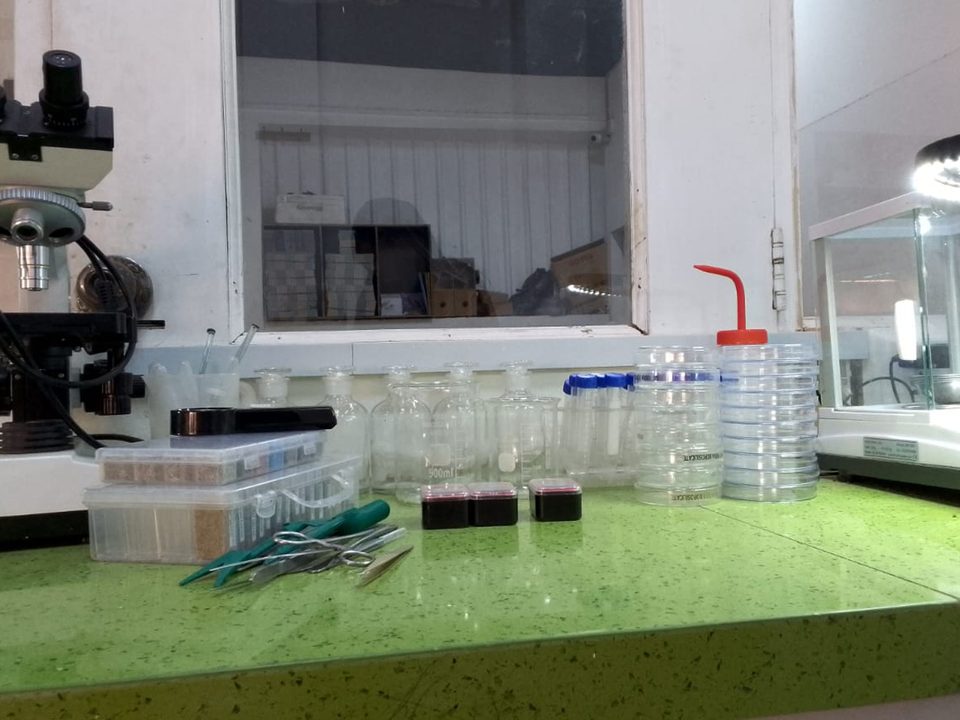
Cleanliness in the physical sense matters too. The microbial load on seed correlates with the amount of soil, dust, chaff and broken seed that travels with it, and a treatment step is more reliable when there is less organic matter to shield pathogens. Our cleaning line runs air-screen cleaners, gravity tables and Sortex optical sorters in sequence, which takes out immature seed, stones, weed seed and off-colour grains before the lot is bagged. Seed grown in the long, hot, dry ripening season of Sindh is harvested at low moisture, which is also where a low mould count begins.
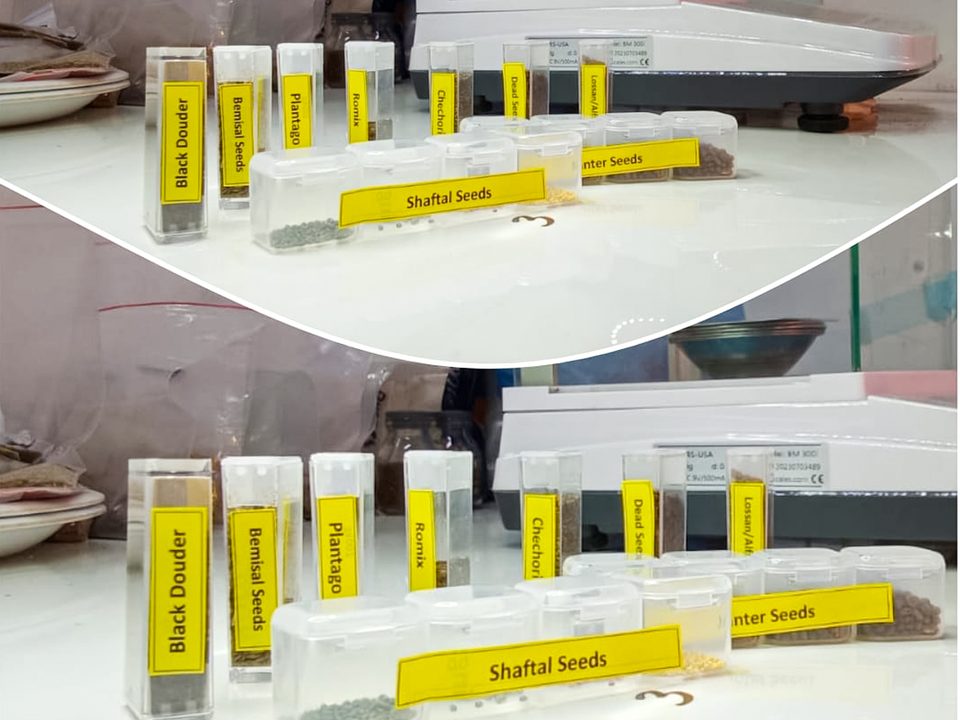
Finally, we supply retained samples and the sampling record with each lot so that your laboratory can correlate its incoming-QC results with the third-party report that travelled with the seed. Many US producers run their own presumptive screen on arrival; we encourage that and will send the retained sample by courier if you want to test before the container is even unloaded.
If you are the US owner or consignee of the seed at entry, you are the importer for the purposes of the Foreign Supplier Verification Programs rule, 21 CFR Part 1 Subpart L. The FSVP importer must, in general terms, identify the hazards reasonably likely to occur in the food, evaluate the foreign supplier's performance and the risk posed by the food, approve the supplier, carry out verification activities appropriate to the hazard, take corrective action where needed and keep records. For seeds for sprouting, the hazard that drives the file is biological — Salmonella, pathogenic E. coli — and the verification activity most importers choose is review of the supplier's lot-level test results together with periodic review of its food-safety system.
At the time of writing, importers also need to ensure a Prior Notice is filed with the FDA before the shipment arrives, and that the foreign facility that manufactures, processes, packs or holds the food is registered with the FDA where registration is required. Your customs broker normally handles Prior Notice as part of entry. Which facility registrations apply to a particular shipment depends on how the product is declared and on the current regulations, and we ask every new US buyer to confirm the point with their broker rather than rely on a general statement from us.
What the export desk can put in your FSVP file today, for each lot:
We also answer supplier questionnaires and host desk audits by video, and if your programme requires an on-site audit we will arrange access to the plant at Hyderabad. Verification is easier when the supplier is willing to be verified; that has been our experience with US buyers.
Seed crossing the US border is of interest to two federal agencies: the FDA, because it is food, and USDA APHIS, because it is a plant product that could carry pests or noxious weed seed. Which rules bite hardest depends on how the shipment is declared, and the right person to settle that is your licensed customs broker, ideally before the seed ships. At the time of writing the general shape is as follows.
Alfalfa seed is normally entered under HS heading 1209.21. APHIS regulates imported seed primarily to exclude plant pests and federally listed noxious weed seeds, and a phytosanitary certificate from the exporting country's plant protection organisation is the standard document. Some seed shipments also require an APHIS import permit, and certain small-lot or not-for-planting declarations carry their own conditions; the broker will tell you which applies. Field dodder (Cuscuta) is exactly the kind of contaminant the inspection is looking for, and alfalfa is the crop in which it is most often found. Our sprouting lots are cleaned to 0% dodder and we state that on the phytosanitary certificate's additional declaration when required.
Kohenoor provides the IPPC phytosanitary certificate issued by Pakistan's plant protection authority for every shipment, plus the certificate of origin, commercial invoice, packing list and bill of lading. If your entry requires a fumigation certificate or a specific additional declaration, tell us at order stage and we will arrange it with the authority before loading. Seed labelling requirements under the Federal Seed Act may also apply to agricultural seed imported into the United States; where your broker tells us a particular label statement is needed on the bags, we print it.
Customs itself is straightforward once the documents are in order. US Customs and Border Protection will take the entry from your broker, APHIS or CBP agriculture specialists may draw a sample for inspection, and the FDA may review the Prior Notice and choose to examine or sample the shipment. Consistent paperwork — one lot number on the bag tag, COA, ISTA certificate, phytosanitary certificate and invoice — keeps a container moving without a hold.
Organic is a meaningful part of the US sprout market: organic alfalfa sprouts command shelf space in natural-food chains and in the organic sets of conventional supermarkets, and several of the larger sprout producers run organic and conventional lines side by side. For home-sprouting kits and retail seed packs, "organic" is often the first word on the pouch. Organic sprouts require organic seed — there is no exemption for sprouting seed in the way there is for some planting seed when organic stock is commercially unavailable — so the seed supply decides whether the organic line exists.
Kohenoor offers organic-certified alfalfa sprouting lots under the USDA National Organic Program, as well as EU Organic and JAS, subject to a minimum of 5 MT and a lead time of 60 to 90 days. The longer lead time and higher minimum are not arbitrary: organic lots are grown and cleaned to order under certified handling, on fields and equipment that are inspected for the programme, and the cleaning line is scheduled so that organic seed does not share a run with conventional seed. Tell us at enquiry which certification your market needs and we will confirm the programme and the season.
At the time of writing, organic products entering the United States must be accompanied by an NOP Import Certificate issued through the USDA's integrity database by the exporter's certifier, under the Strengthening Organic Enforcement rule that became fully effective in 2024. Importers of organic products also now need their own organic certification in most cases. These are the importer's responsibilities and your certifier and broker will guide you; our role is to ensure that the lot's organic certificate, transaction certificate and import certificate are issued correctly and travel with the shipment. We do not claim that Kohenoor itself holds any approval from the USDA; the certification sits with the lot and its certifier.
Conventional, non-GMO alfalfa remains the larger part of what we ship to the United States, and many organic brands buy conventional for their non-organic ranges from the same container. If your programme mixes both, we can load organic and conventional lots in one container with full physical separation and separate documents.
We ship FOB Karachi, with CFR or CIF to your US port on request. Karachi has regular services to both US coasts, and which port you choose is usually decided by where your sprout house or distribution centre sits rather than by freight cost alone. The notes below describe the typical pattern at the time of writing; transit times vary with carrier, routing and season, and your forwarder or ours will give you the current schedule when we confirm the order.
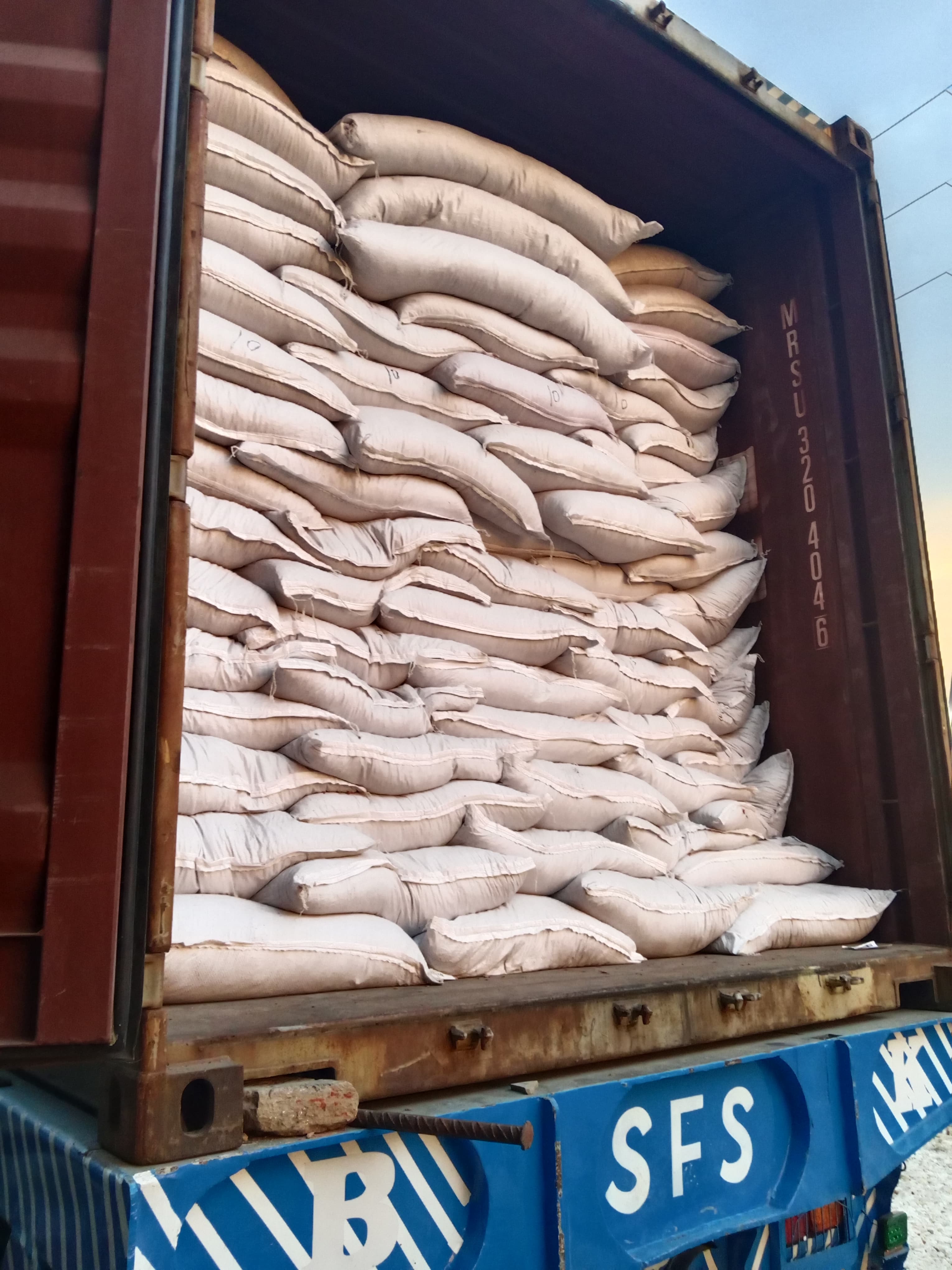
A 20-foot container carries roughly 18 to 20 MT of bagged alfalfa seed depending on palletisation; many US buyers combine alfalfa with clover, radish, mung bean and other sprouting species in a single mixed container so that one entry covers the season's requirement. Seed is shipped in 25 kg poly-lined PP woven bags, which keep moisture out across the equator and stack well on standard US pallets. In-stock lots are ready for vessel loading within 7 to 12 days of order confirmation, and the full document set is emailed before the vessel arrives so that your broker can pre-file the entry and the Prior Notice.
Alfalfa sprouting seed holds its germination for 18 to 24 months in cool, dry storage, so a container bought once can be drawn down over a full year with the same lot in the drum every week — the most reliable way to keep a US sprout line consistent.
Large sprout producers. The multi-state and regional sprout houses that supply supermarket chains and food-service distributors are our core US customer type. They buy by the container, want one lot for as long as possible, and judge a supplier by three things: germination that fills the drum evenly, microbiology documents that fit the Subpart M file without rewriting, and a desk that answers the same day when a question comes from an auditor. They are also the buyers most likely to ask for retained samples and a video walk-through of the cleaning plant, which we welcome.
Health-food distributors. Natural-products distributors and specialty wholesalers buy alfalfa seed in 25 kg bags to supply small sprout growers, juice bars and retailers who sprout on site, and to feed their own repacking operations. Their priority is bright, clean seed that looks good through a window pouch, a COA they can quote, and the option of organic. They frequently combine alfalfa with the rest of our sprouting range — radish, clover, mung bean, fenugreek — in one container.
Retail seed packers. Companies that pack sprouting seed for home sprouters — jars, pouches, kits sold online and through garden centres and natural grocers — are a steady and growing segment. Home sprouting is a lively hobby market in the United States, and alfalfa is nearly always the first seed in such a range. Packers need lot documents they can reference on the label and a supplier who can hold a lot for repeat packing runs over a year. Private-label and OEM packaging at origin, including retail-ready pouches, is available if you prefer finished units.
Organic brands. Brands built on the organic promise, whether they sprout themselves or contract it out, need USDA NOP certified seed in volume with the import certificate correctly issued. They work on a longer planning horizon, which suits the 60 to 90 day organic lead time, and they tend to book a season at a time.
We do not publish customer names; the buyers above are described as types.
Sprouting seed is a small, specialised corner of the alfalfa seed trade, and the qualities that make a lot good for sprouting are not the ones that make it good for a hayfield. A forage buyer wants dormancy class and a coating that helps establishment; a sprout producer wants vigorous, uniform, untreated seed with a near-zero weed count and a clean microbial history. Pakistan-origin seed from Kohenoor fits the second list for concrete reasons.
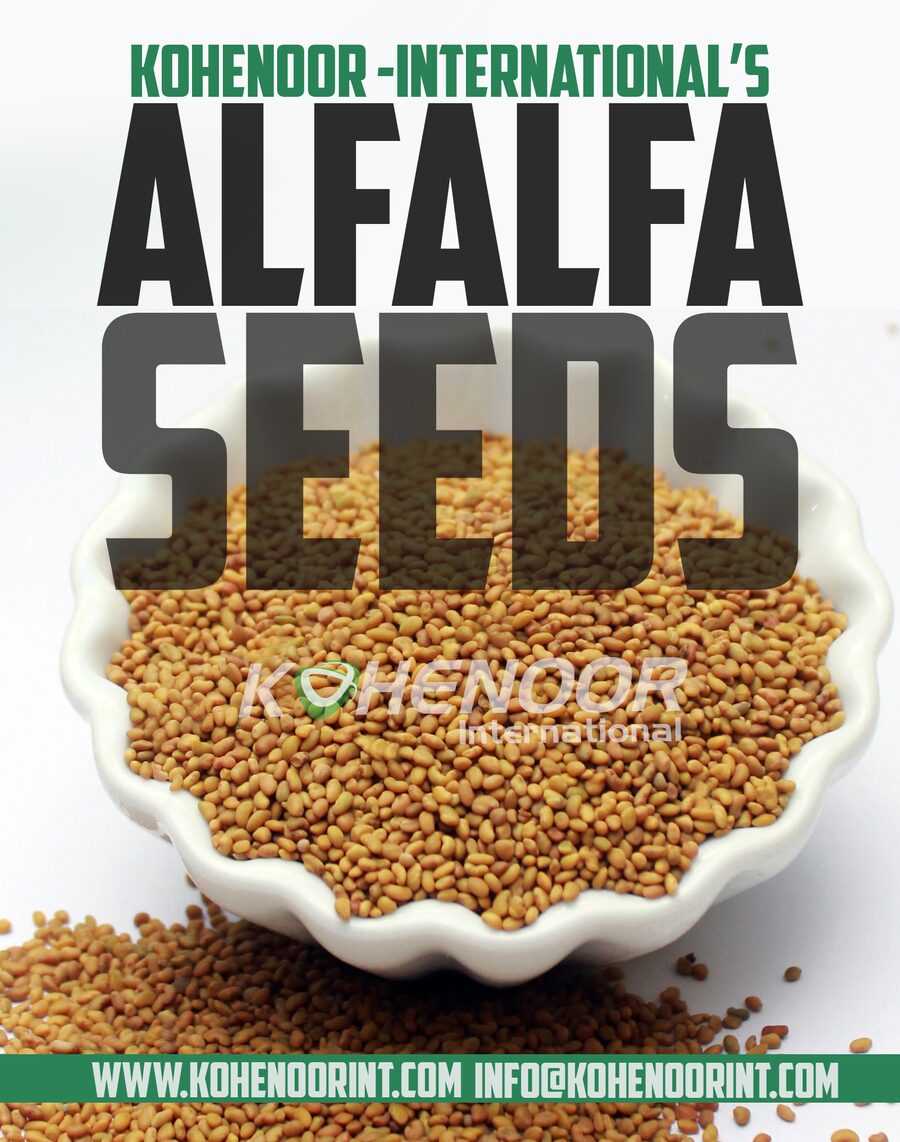
Climate at harvest. Alfalfa for seed in Sindh ripens through a long, hot, dry season and is harvested at low moisture. Dry harvest conditions are good for germination, good for storage life and good for microbial load, because wet harvests are where mould counts and surface contamination begin. The 18 to 24 month storage life we quote is a consequence of starting dry.
Vigour from a forage-breeding heritage. The seed used for sprouting lots comes from our KN92 line, selected over many seasons on our own research plots for seed vigour and uniformity. Vigour — the speed and uniformity with which a lot germinates — is the trait a sprout house notices first, because a vigorous lot fills the tray on the same day and reaches harvest length together.
Dodder discipline. Kohenoor has guaranteed 0% dodder in writing for its agricultural alfalfa for decades, because the Gulf and other export markets demanded it. The same cleaning line and inspection habits produce the sprouting lots, so the contaminant that most often causes an APHIS hold on alfalfa seed is simply not in the bag.
One company from field to bag. The grower, the cleaner, the laboratory and the exporter are the same company. That is what makes a single lot ID meaningful, and it is why we can answer a traceability question in an hour rather than a week.
Testing that US buyers recognise. ISTA Orange Certificates are accepted by seed laboratories worldwide, and third-party microbiology reports from an independent laboratory are what an FSVP reviewer expects to see. Kohenoor is ISO 9001 and HACCP certified and a member of the Australian Seed Federation, with offices in Pakistan, Dubai and Australia — so there is usually someone awake in a time zone close to yours.
Experienced US buyers write a short seed specification into the purchase order and ask us to confirm it against the lot documents before shipment. Our standard alfalfa sprouting lots meet the figures below; if your quality system needs tighter limits or additional analyses — pesticide residue screen, heavy metals, a GMO declaration — tell us at enquiry and we will arrange them with the lot sample.
| Parameter | Kohenoor alfalfa sprouting lots |
|---|---|
| Botanical name | Medicago sativa, KN92-grade sprouting lots, conventional non-GMO |
| Germination | 90%+ by ISTA method, Orange Certificate per lot, test date stated |
| Physical purity | ~99% |
| Dodder and weed seed | 0% dodder; weed seed removed by Sortex optical sorting |
| Treatment status | Untreated — no fungicide, insecticide or coating; declared on COA and tag |
| Microbiology | Salmonella and E. coli/STEC by independent third-party laboratory, per lot on request |
| Moisture | Stated on COA per lot |
| Packaging | 25 kg poly-lined PP woven bags, sealed lot tag; FDA/EU food-contact grade |
| MOQ and lead time | 1 MT; in-stock lots 7–12 days to FOB Karachi vessel loading |
| Terms | FOB Karachi (CFR/CIF on request); 100% TT against B/L copy or irrevocable L/C at sight |
Documents supplied with every US shipment: ISTA Orange Certificate, Certificate of Analysis, third-party microbiology report (on request), IPPC phytosanitary certificate with required additional declarations, certificate of origin, commercial invoice, packing list, bill of lading, food-contact packaging declaration, and — for organic lots — the organic certificate, transaction certificate and NOP Import Certificate issued by the certifier.
How to order. First, send your requirement by WhatsApp to +92 310 4929292 or by email to export@kohenoorint.com: quantity, destination port, the specification your plan requires, whether you want organic, and whether you would like a sample of the current lot. Second, within 24 hours you receive a quotation FOB Karachi or CFR/CIF, the COA and ISTA certificate for the lot we propose, and a sailing schedule; this is the moment to send us your supplier questionnaire. Third, on your purchase order and payment arrangement we book the vessel, complete the phytosanitary and origin certificates and load within 7 to 12 days for stock lots, and the full document set reaches you and your broker before the vessel does. The export desk stays in contact until the container is cleared and the first drum is running.
If you have never imported seed for sprouting before, say so. We will walk through the FDA, APHIS and customs steps with you and your broker before you commit to a container. For the broader programme see the food safety and testing page and the alfalfa sprouting seed product page.


Send your product, quantity and destination port. The export desk replies personally with a quotation, current lot certificates and a shipping schedule — no bots, no obligation.
WhatsApp +92 310 4929292 export@kohenoorint.comNo. Our alfalfa sprouting seed ships untreated — no fungicide, insecticide, coating or antimicrobial step — so that your sprout operation can apply its own scientifically valid treatment immediately before sprouting, as the Produce Safety Rule's sprout provisions require, under your own records. Untreated status is stated on the COA and the lot tag.
We do not claim any approval or registration from the FDA or any other US authority. Which registrations apply to a shipment depends on how it is declared and on the regulations at the time, and we ask every US buyer to confirm the position with their customs broker. What we do is supply the lot documents — ISTA certificate, COA, third-party microbiology, phytosanitary certificate, HACCP and ISO 9001 certificates — that your FSVP and Subpart M files need.
On request, each lot is sampled and sent to an independent third-party laboratory for Salmonella and E. coli/STEC testing, and the report travels with the lot documents together with the sampling record. Retained samples are kept so that your own incoming-QC laboratory can correlate its results with ours. Spent irrigation water testing and environmental monitoring remain the sprout operation's responsibility under Subpart M.
Los Angeles/Long Beach for the West Coast, New York/Newark for the Northeast, Houston for the Gulf and south-central states, and Savannah for the Southeast are the four we use most. We quote FOB Karachi with CFR or CIF to any of them on request, and the forwarder provides the current sailing schedule at order confirmation.
Yes. Organic-certified lots under USDA NOP (and EU Organic or JAS) are available subject to a 5 MT minimum and a 60–90 day lead time, because they are grown and cleaned to order under certified handling. At the time of writing, organic imports into the US require an NOP Import Certificate issued by the exporter's certifier, which we arrange so that it travels with the shipment; your own importer certification and broker handle the US side.
The minimum for alfalfa sprouting lots is 1 MT (40 bags of 25 kg). In-stock conventional lots are ready for FOB Karachi vessel loading within 7–12 days of order confirmation. Most US customers buy by the 20-foot container, roughly 18–20 MT, often mixing alfalfa with clover, radish, mung bean and other sprouting species.
Dodder (Cuscuta) is the contaminant most likely to cause a problem for alfalfa seed at US entry. Our sprouting lots are cleaned to 0% dodder through air-screen, gravity and Sortex optical sorting, the figure appears on the ISTA certificate, and we add the dodder-free additional declaration to the IPPC phytosanitary certificate when your broker tells us it is required.
Yes. We complete supplier questionnaires, host desk audits by video and arrange on-site access to the plant at Hyderabad for buyers whose FSVP or customer programmes require it. Kohenoor is ISO 9001 and HACCP certified and the HACCP plan covers the sprouting-seed line specifically, including separation from treated agricultural seed.