Forage seed programmes for farms · since 1957

Forage Seeds for Horse Farms: Grow Your Own Clean Lucerne and Grass Hay

Studs · Racing yards · Endurance stables · Gulf, Europe, Asia and the Americas

Horse people are the most demanding hay buyers in the world, and they should be. A broodmare in late pregnancy, a yearling growing bone, a racehorse in training and a 160-kilometre endurance horse all depend on forage that is clean, leafy, free of dust and mould, and consistent bale after bale. Kohenoor International supplies the research seed to grow it on your own land: TAIZTAR and KN92 lucerne, Australian Rhodes grass and winter ryegrass, every lot ISTA-tested and 0% dodder in writing, from a family seed company established in 1957.

Get a quote in 24h
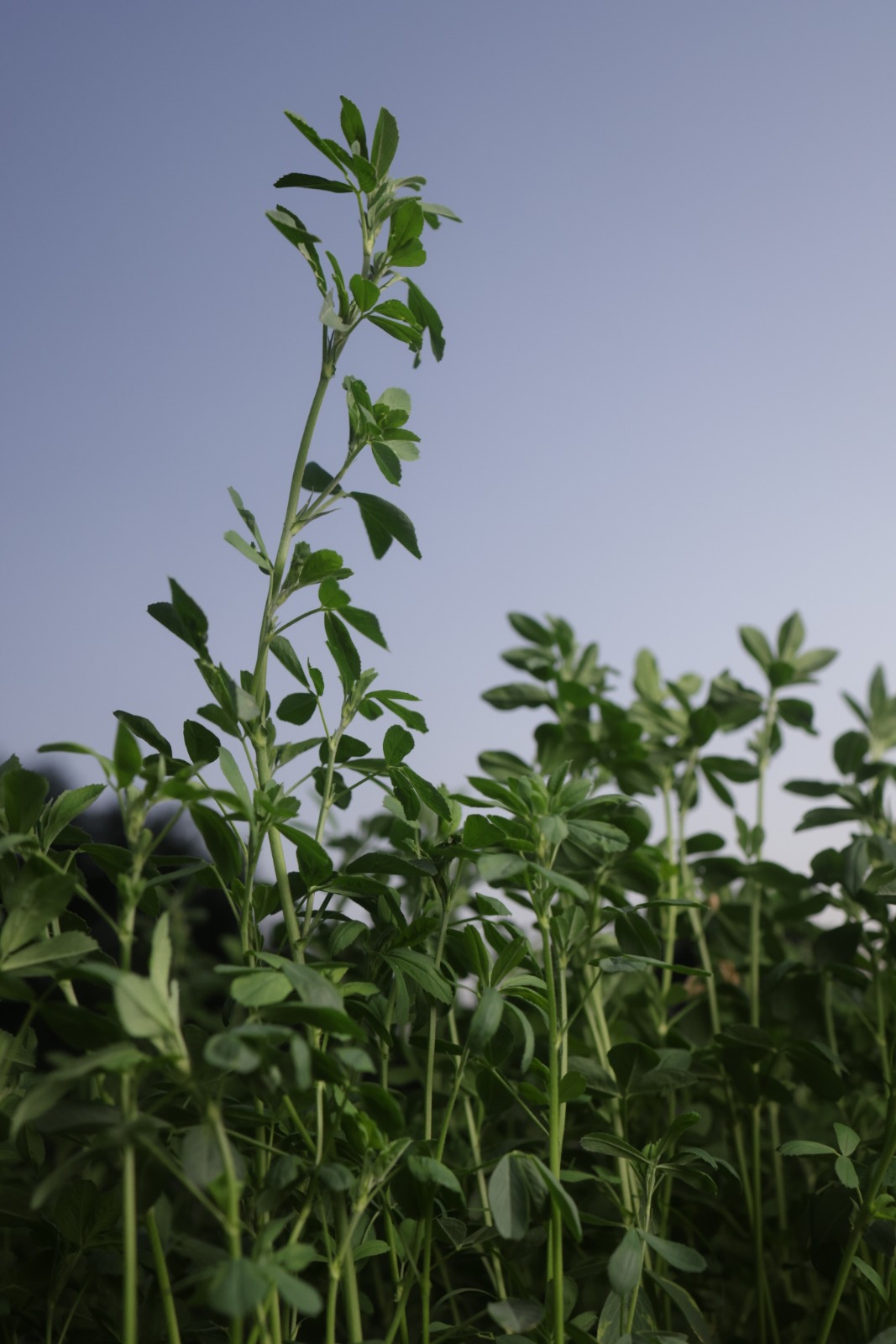
Lucerne plant at bud stage, the cutting point for leafy, fine-stemmed horse hay
In short: For horse farms Kohenoor supplies lucerne (alfalfa) seed in two research varieties, TAIZTAR for hot and saline regions and KN92 for cold regions, plus Australian Rhodes grass and winter ryegrass for lower-protein grass hay. The lucerne carries 22–24% crude protein in the plant, ≥98% purity, ≥85% germination and a written 0% dodder guarantee, so studs and racing yards can grow clean, weed-free hay instead of importing it. One supplier, one document set, reply within 24 hours.
0% dodder — in writingISTA Orange Certificate per lotOne supplier, whole programmeTAIZTAR heat & salinity geneticsResearch plots since 1957Trial lot 1 MTReply within 24 hPakistan · Dubai · Australia offices
22–24%Crude protein in TAIZTAR / KN92 lucerne
12–14%Rhodes grass hay protein
≥98% / ≥85%Lucerne purity / germination
25–30 kg/haLucerne seed rate
3–5 yrsRhodes grass stand life
24 hExport desk reply time

Why lucerne hay is prized on stud farms and in racing yards

Walk into the feed room of any serious stud in Newmarket, Kentucky, Dubai or Hunter Valley and you will find lucerne. Horse people have fed alfalfa, which most of the world outside North America calls lucerne, for longer than written records exist, and the reasons are the same today as they were for the cavalry: it is high in protein, high in calcium, rich in energy for a forage, and horses love it.

For a broodmare in the last third of pregnancy and through lactation, the demand for protein and calcium rises sharply. A mare producing milk for a foal is doing a job not so different from a dairy cow, and lucerne hay, which typically tests around 15 to 20 percent crude protein once baled and carries far more calcium than grass hay, meets that demand without heavy reliance on concentrates. Many stud managers consider good lucerne the single most important feed on the farm during the foaling season.

For growing stock, weanlings and yearlings laying down bone and muscle, the same qualities apply. Protein supplies the amino acids for growth; calcium supplies the mineral for bone. Lucerne fed sensibly alongside grass hay and a balanced mineral programme is a cornerstone of raising sound young horses, and sales-prep yards value it for the condition and coat it produces.

For performance horses, racehorses in training and endurance horses covering long distances, lucerne offers energy density, palatability and a buffering effect in the stomach that many veterinarians regard as helpful in horses prone to gastric discomfort. Its leafiness also means a horse eats more forage by weight before it feels full, which matters for an athlete that must stay light yet well fed.

Lucerne stand grown from Kohenoor TAIZTAR seed for horse hay production

Our family has grown and exported lucerne seed since 1957, and horse farms have long been part of the forage seed market we serve. The seed has improved enormously since then. The reasons horses need it have not changed at all.

The standard cautions: how experienced horsemen feed lucerne

Lucerne is a powerful feed, and like any powerful feed it is fed with judgement. Every stud manager and racing nutritionist we work with observes the same rules, and we repeat them here because growing your own forage means you control the whole chain, from seed to haynet.

None of these cautions is a reason to avoid lucerne. They are the reasons that the best horse farms grow it themselves, control the cutting date, and know the field it came from.

Rhodes grass and ryegrass: the grass hays that complete the haynet

No horse farm feeds lucerne alone, and the grass half of the forage programme is where many studs struggle with supply. Imported timothy and meadow hay are expensive and variable; local grass hay is often weedy or poorly cured. Kohenoor's answer is to grow it, with two grasses that suit most horse-breeding climates.

Rhodes grass is the natural grass hay for hot and dry regions, and it is the grass of choice for stud farms across the Gulf, East Africa and northern Australia. Our Australian Rhodes grass is a perennial that stands three to five years, tolerates drought, heat and saline soil, and makes a fine-stemmed, palatable hay of 12 to 14 percent protein at yields of up to 175 maund per acre per cut, which is roughly seven tonnes of fresh material. Fed alongside lucerne, it supplies the long fibre a horse's gut needs, dilutes the protein and calcium of the legume, and gives the horse something to chew through the night. It also improves soil structure, which matters on sandy Gulf paddocks.

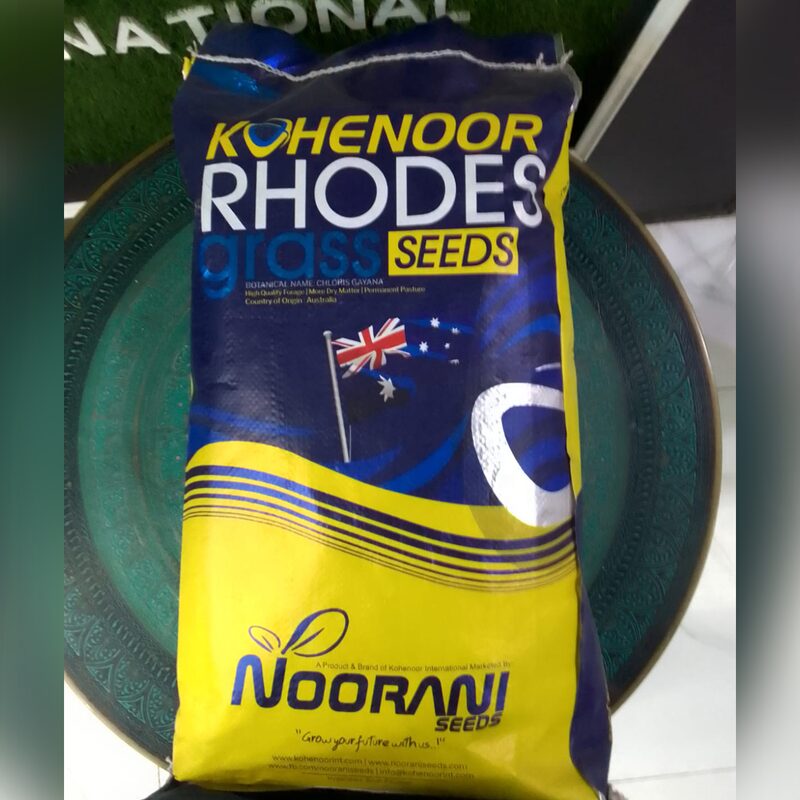
Australian Rhodes grass grown from Kohenoor seed, the lower-protein grass hay that balances lucerne for horses

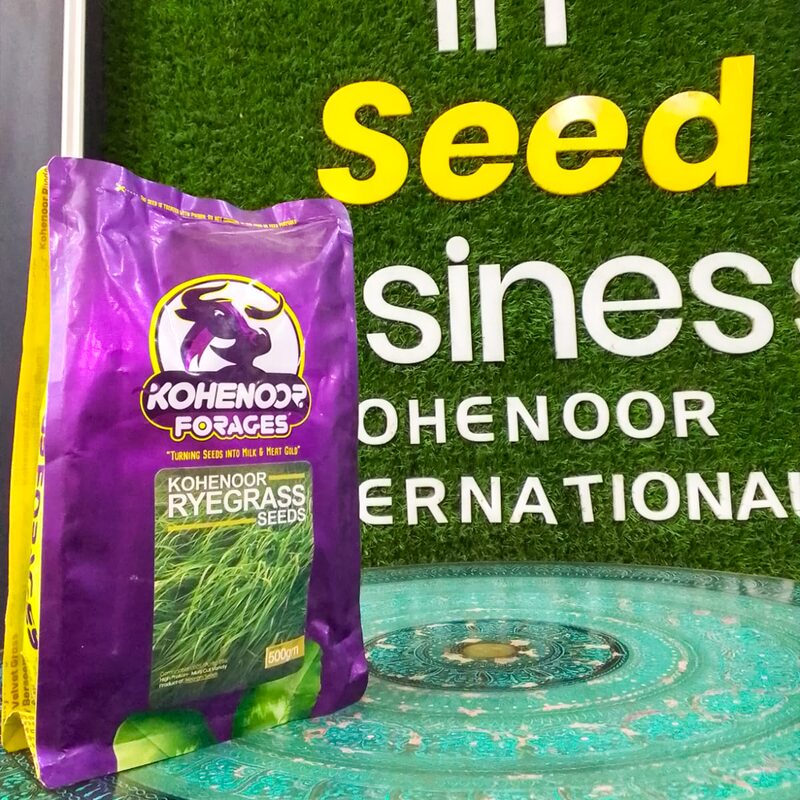
Ryegrass is the winter grass. Sown from October to December, it gives five to eight cuts of leafy, sweet forage through the cool season and can be grazed, cut fresh or made into hay or haylage. Young ryegrass is high in protein, so for horses it is generally cut a little later than for dairy use, when the plant has more fibre and less sugar, and fed as part of a mixed ration. It is the grass that keeps winter paddocks green in Mediterranean and Gulf climates and gives the yard a fresh forage option when the lucerne has slowed.

For farms that want an even wider grass base we also supply panicum (Guinea grass), brachiaria and other tropical grasses, and we are glad to advise on which suits the soil and the water. The principle is simple: a lucerne stand for protein and calcium, a perennial grass for long fibre and a winter annual to close the seasonal gap, all from one supplier so that every lot is clean to the same standard.

Growing your own clean forage versus importing hay

Many stud farms and racing yards, particularly in the Gulf, were built on imported hay. Containers of North American lucerne and European grass hay arrive on a schedule, and for a small yard with no land that will remain the right model. For a farm with irrigated hectares and a serious breeding or racing operation, the case for growing is strong, and it is not only about cost.

Irrigated lucerne field under open sky, the home-grown alternative to imported horse hay

Growing your own does require land, water, a mower-conditioner, a baler and someone who understands forage. It does not require a large seed budget. Seed is a small fraction of what a stud spends on imported hay in a single season, and a lucerne stand, once established, gives seven or more cuts a year in warm regions for several years. Rhodes grass stands three to five years, and Super Napier, which some farms grow as a chopped fresh forage for horses in work, lasts twelve to fifteen years from one planting.

The way we recommend making this transition is always the same: a trial block first, a laboratory analysis of the first cut, and then a decision made on the farm's own numbers rather than ours.

Dodder-free and weed-free seed for clean paddocks and clean hay

Of all the buyers we serve, horse farms care most about what is not in the seed. A dairy can tolerate a few weeds in a silage crop. A stud cannot tolerate weeds in a paddock where foals graze, or in hay that a valuable mare will eat, because some common weeds are toxic to horses and because a weedy stand is a dusty, stemmy, unpalatable stand.

The worst of these contaminants is dodder, the parasitic vine Cuscuta. Its seed is nearly the same size and weight as lucerne seed, so it rides along in poorly cleaned lots and is almost impossible to remove once sown. It wraps around the lucerne, feeds on it and spreads outward in patches that eventually kill the stand. In many importing countries it is a quarantine weed, which means a contaminated shipment can be refused at the border, and a farm that gets it into the soil may struggle with it for many years.

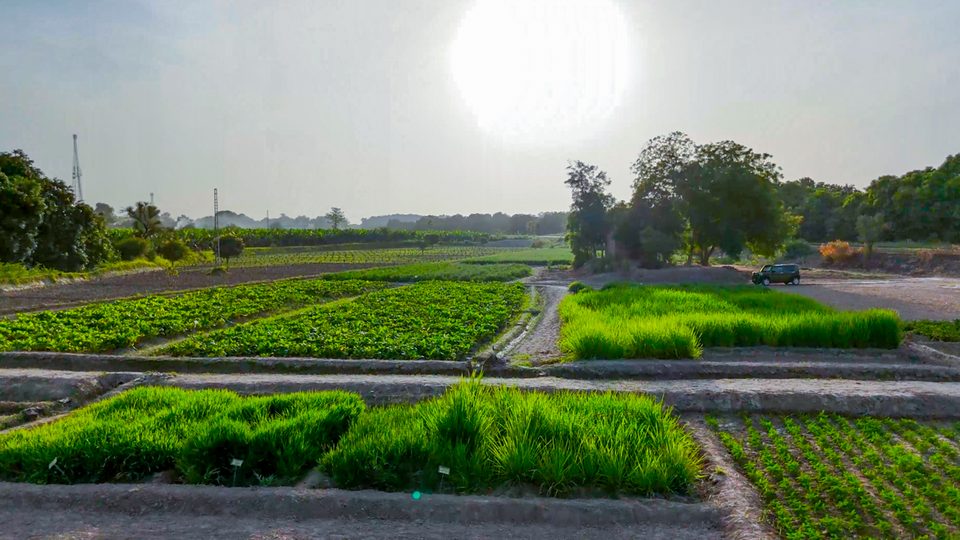
Kohenoor research plots where seed lots are grown out and inspected before export

Our lucerne is Sortex optical-cleaned, ISTA-tested lot by lot and certified at 0 percent dodder, with purity of at least 98 percent and germination of at least 85 percent. The guarantee is written into the sale and the ISTA Orange Certificate for your lot shows the purity analysis and other-seed count before the container leaves Karachi. The same discipline applies to our Rhodes grass, ryegrass and Safa berseem, which is supplied dodder-free as well.

For a horse farm this translates into three practical outcomes. Paddocks sown from clean seed establish as a dense, even sward with no bare patches for weeds to invade. Hay cut from a clean stand is leafy and free of foreign stems and seed heads, so it needs no sorting and causes no refusals at the haynet. And the farm never faces the choice between spraying a legume stand, which is difficult and expensive, and ploughing it out, which costs a season.

We have cleaned lucerne seed in Hyderabad, Sindh, for three generations. Clean seed is the whole of our reputation, and every horse farm that buys from us is buying that reputation as much as the seed.

Soil, salinity and water on Gulf and arid-zone stud farms

Some of the finest horse-breeding operations in the world now sit on land that was desert within living memory: the Emirates, Qatar, Saudi Arabia, Bahrain, Oman, and the irrigated plains of Egypt, Sudan and Central Asia. Growing forage there is entirely possible, but it is a different discipline from growing it in Kentucky or Normandy, and the seed must be chosen for it.

Salinity is the first constraint. Groundwater across the Gulf and much of the arid world carries salt, and sandy soils under heavy irrigation accumulate it. Conventional lucerne varieties thin out and die under these conditions. TAIZTAR was bred on modern genetics specifically for heat and salinity tolerance, as the superior replacement for the late-1970s variety CUF-101 that dominated the region for decades. It is a fall-dormancy 10, non-dormant lucerne that keeps growing through the mild Gulf winter, and it is the variety we recommend for every stud farm between Morocco and Pakistan. Rhodes grass tolerates saline soil as well, which is why the two crops are so often grown side by side.

Heat is the second. A Gulf summer tests any plant, and a lucerne stand that shuts down for three months is a stand that must be replaced by imported hay for three months. Non-dormant TAIZTAR and heat-tolerant Rhodes grass are built for exactly this.

Soil structure is the third. Sand drains fast and holds few nutrients. A perennial grass such as Rhodes improves soil structure over its three-to-five-year life, a legume such as lucerne fixes nitrogen, and a short rotation of sesbania, a 40-to-45-day nitrogen-fixing green manure that tolerates saline and poor soil, can rebuild a tired paddock between forage crops.

Sesbania green manure grown from Kohenoor seed to rebuild sandy, saline soil between forage crops

For cooler breeding regions, Europe, the Central Asian steppe, the Anatolian plateau and the highlands of South America and Africa, the choice shifts to KN92, our fall-dormancy 9, cold-tolerant lucerne. It carries the same protein and the same guarantees as TAIZTAR, goes properly dormant under frost and comes back strongly in spring. Send us your location, your water analysis and your soil test and the export desk will tell you which variety suits, and whether Rhodes grass or ryegrass should carry the grass side of the programme.

The seed programme for a horse farm

Here is the forage seed programme we propose to a stud or racing yard that wants to grow its own. It is smaller than a dairy programme, because horses need fewer species and no silage, and it is built around hay quality rather than tonnage.

CropVarietyRole for horsesKey facts
Lucerne (alfalfa)TAIZTAR (hot, saline) or KN92 (cold)Protein and calcium hay for mares, youngstock, horses in work22–24% CP in the plant, 7+ cuts a year in warm regions, ≥98% purity, ≥85% germination, 0% dodder in writing, 25–30 kg/ha
Rhodes grassAustralian Rhodes grassLong-fibre grass hay for all horses, blends with lucernePerennial 3–5 years, drought, heat and saline tolerant, hay protein 12–14%
RyegrassWinter ryegrassWinter grazing, fresh cut or haySow Oct–Dec, 5–8 cuts a season
Super Napier / BaymisaalMott-typeChopped fresh forage on some farms12–15 years from one planting, 7–9 cuts a year, soft 6–9 ft fodder
Sesbania / JanterGreen manureSoil rebuilding between crops, not fed to horses40–45 days, nitrogen-fixing, tolerates saline and poor soil

Lucerne is sown at 10 to 12 kg per acre (25 to 30 kg per hectare) into a fine, firm seedbed. Rhodes grass and ryegrass rates are confirmed on the quotation and on the bag tag for the lot supplied. A typical stud devotes the larger share of its forage land to lucerne and the remainder to Rhodes grass, with ryegrass oversown into paddocks for the winter; the exact split depends on how many mares, how many horses in work and how much hay the farm intends to sell.

The minimum order for lucerne is 5 MT, and we accept 1 MT trial lots, which is enough to sow a substantial trial block and see the stand before committing the whole farm. Grass seed for the trial can travel in the same shipment.

Pasture grasses and the cover crop between stands: panicum, brachiaria and sesbania for stud farms

A stud farm is not only a hay operation. Mares, youngstock and spelling horses need paddocks that carry grazing through the wet season, and a paddock that has been rested or renovated needs something growing in it while the soil recovers. For stud farms in the humid tropics and the warm, high-rainfall belts, three crops in the Kohenoor range cover that ground.

Panicum (Guinea grass, Panicum maximum) is the tall, tufted perennial that East African, South-East Asian and Latin American dairies plant as their cut-and-carry base. It grows fast in heat and humidity, tolerates partial shade under trees and along bunds, and regrows quickly after each cut. Young regrowth taken every four to six weeks is leafy and palatable; stands left to go to seed turn stemmy and lose feed value, so it is managed on a cutting calendar like any other high-yield grass. On well-drained, fertile soil it is one of the highest-tonnage grasses available to a tropical farm.

Brachiaria (signal grass, Urochloa / Brachiaria species) is the grazing and sward grass for ground that panicum does not like: acid soils, low-fertility soils and, with the right species, land that waterlogs in the rains. It forms a dense, creeping mat that carries grazing animals, smothers weeds and holds soil on slopes, and it is the backbone of improved pasture across tropical Latin America and much of Africa. Dairies use it for the grazing block and the heifer paddocks while panicum, Super Napier and alfalfa supply the cut forage. The species and lot specification for the brachiaria we offer are stated on the certificate of analysis for that lot.
Kohenoor tropical grass seed bag for pasture establishment

Sesbania (janter, Sesbania species) is the crop that does two jobs. As a fodder it is the soft, tender-leaved legume that sheep and goats take readily, giving two to three cuttings and around 150 to 200 maund per acre in 40 to 45 days. As a cover crop and green manure it is a nitrogen-fixing legume that grows on poor and saline land where little else will: sown between main crops or after a tired alfalfa stand is broken, and ploughed in at six to eight weeks before it flowers, it returns nitrogen and organic matter to the soil, improves structure on heavy or salt-affected ground and sets the field up for the alfalfa, panicum or Rhodes grass that follows. Farms reclaiming saline land often start with sesbania precisely because it establishes where the first attempt at alfalfa would fail.
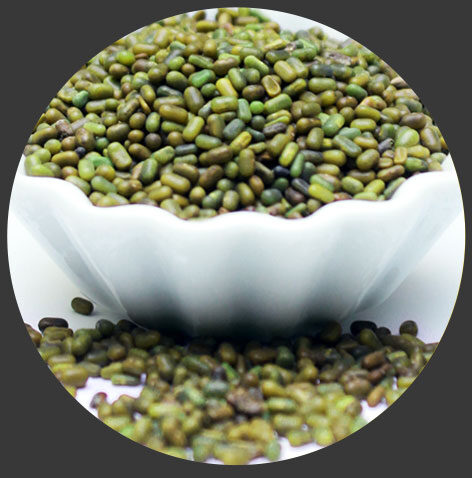
Kohenoor sesbania (janter) seed bag — nitrogen-fixing green manure and goat and sheep fodder

These three sit alongside the Rhodes grass, ryegrass, berseem and Persian clover already in the programme, and they ship in the same mixed container under the same ISTA-tested, phytosanitary-certified document set. Tell the export desk your soil type, rainfall and whether the field is for cutting or grazing, and they will say which of the three belongs where.

For horses specifically: brachiaria and panicum are grazed as pasture or fed as fresh-cut green chop, not made into the lucerne-grade hay described above, and sesbania is used on a stud as a soil-building cover crop rather than a horse feed. Keep the hay programme (alfalfa, Rhodes grass, ryegrass) and the pasture programme (panicum, brachiaria) as two separate seed lines on the order.
Cutting for hay quality: bud stage, curing and the horse-hay standard

Seed decides the potential of a stand; the cutting schedule decides whether that potential ends up in the bale. For horse hay, the rules are stricter than for cattle, and they are worth setting out because a farm new to growing forage will get more from good seed by following them.

Cut lucerne at bud stage. This is the point when flower buds have formed but have not opened. Protein and digestibility are at their peak, stems are still fine, and leaf is still firmly attached. Wait for flowering and you gain tonnage but lose quality: stems coarsen, fibre climbs, leaf shatters during handling, and the hay becomes the kind horses pick through. In warm irrigated regions a TAIZTAR stand reaches bud stage roughly every month through the growing season, which is how it gives seven or more cuts a year.

Cure fast, bale at the right moisture. Lucerne leaves dry faster than stems, so the ideal is a quick cure with minimal handling. A mower-conditioner that crimps the stem speeds drying. Rake gently and only when leaves are tough with dew, and bale when moisture is low enough to prevent heating but high enough to keep leaf on the stem. Hay baled too wet heats and moulds; hay baled too dry shatters its leaf into the field. Dry climates are a gift here, which is why the Gulf and Central Asia can make lucerne hay that rivals anything imported.

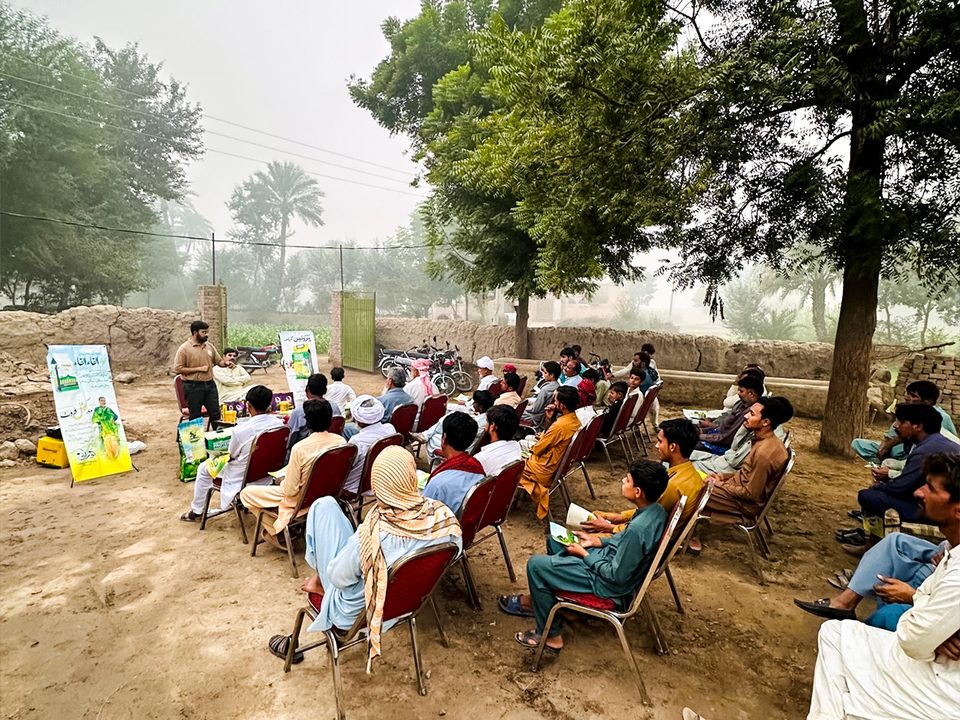
Kohenoor agronomist discussing cutting schedule and hay quality with farm managers in the field

Cut Rhodes grass before it heads. Grass hay quality drops as seed heads emerge. Cutting in the leafy stage, every few weeks in the warm season, keeps protein at the top of the 12 to 14 percent range and stems fine.

Store under cover, off the ground. The best hay in the world is ruined by rain through a roof or damp rising from a floor. Barns with good airflow, pallets or gravel floors and bales stacked to allow air through are standard on every serious stud.

Sample and test every cut. A simple laboratory analysis of protein, fibre and moisture for each cutting lets the farm's nutritionist allocate hay precisely: the leafiest cuts to mares and foals, the more mature cuts to idle horses. It also gives you a record that improves the next season's decisions.

We are seed people, not hay contractors, but we have stood in enough hay fields with enough farm managers to know these rules by heart, and the export desk is happy to talk them through with the person who will be running your mower.

Which forage for which horse: a working guide for the feed room

Horse farms rarely feed one hay to every animal. The value of growing both a legume and a grass is that the feed room can match forage to the horse in front of it. This is the pattern most studs and yards we talk to follow; the farm's own nutritionist or veterinarian sets the exact proportions.

HorseLucerne share of forageGrass hayWhy
Broodmare, late pregnancy and lactationHighRhodes grass to balanceProtein and calcium for foetal growth and milk; high intake needed
Weanlings and yearlingsModerate to high, with mineral balance checkedRhodes grassGrowth and bone; calcium to phosphorus ratio managed across the whole diet
Racehorse in trainingModerate, in measured amountsRhodes grass or ryegrass hayEnergy density and palatability without excess bulk; clean, dust-free hay for airways
Endurance horseModerateRhodes grassForage-based energy and gut fill for long distances; trainers vary lucerne by stage of preparation
Mature horse, light work or restLowMainly Rhodes grassAvoids excess energy and protein; long fibre for gut health
Stallion in seasonModerateRhodes grassCondition without excess weight

Two practical notes. First, the leafiest, earliest-cut lucerne goes to the mares and youngstock, and the more mature cuts to horses that need less; a laboratory analysis of each cutting makes that allocation precise. Second, ryegrass hay for horses is cut a little later than for cattle, when the plant has more fibre and less sugar, and it is introduced gradually like any new forage.

Growing both crops from one seed order makes this kind of feeding possible. A farm that buys hay takes what the market offers; a farm that grows lucerne and Rhodes grass side by side can cut, store and allocate each to the horse that needs it.

One supplier for the whole stud: documents, shipping and the human on the other end

A stud manager's time is for horses, not for chasing seed certificates from three countries. Kohenoor supplies lucerne, Rhodes grass, ryegrass and the rest of the programme from one warehouse in Pakistan, under one ISO 9001 and HACCP quality system, with one document set and one person to call.

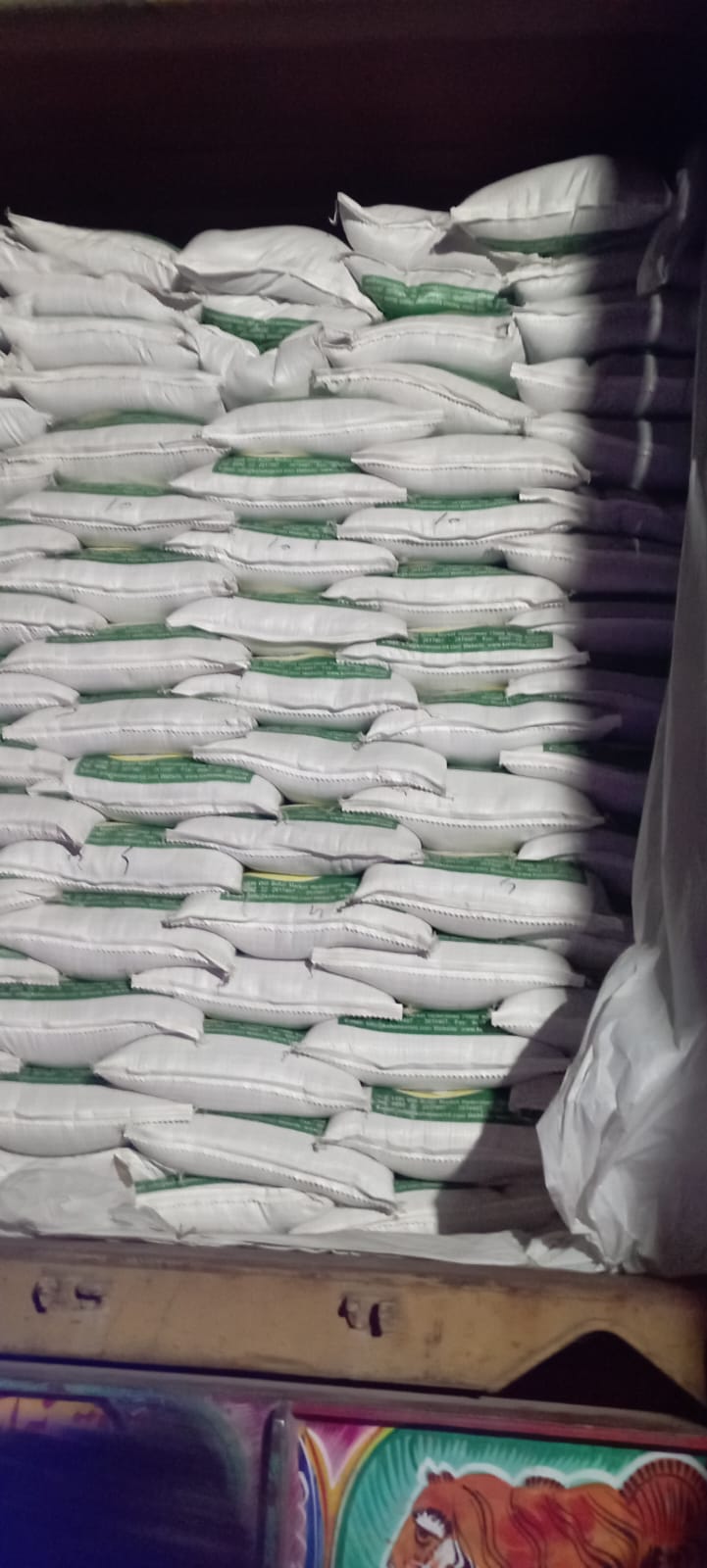
Kohenoor seed bags being loaded into a container at Karachi for a stud farm order

The export desk replies within 24 hours on WhatsApp at +92 310 4929292 and by email at export@kohenoorint.com, in English, Arabic, Spanish or French. For Gulf studs our Dubai office is close enough to meet in person, review certificates and plan a season over coffee. Our Australian office and our membership of the Australian Seed Federation keep us connected to the research and standards of one of the world's great forage-seed countries, and we have shipped to more than 70 countries, so your freight forwarder and import authority will have seen a Kohenoor document set before.

Payment for a first order is normally 100 percent telegraphic transfer against the bill of lading copy or an irrevocable letter of credit at sight, with easier terms for repeat buyers. Lucerne seed in cool, dry storage typically keeps its germination for 18 to 24 months, so a stud can buy for two seasons and hold stock.

We do not publish prices. A quotation depends on your volume, destination and season, and the desk will send it with the lot certificates so that you are comparing real seed to real seed.

Who buys forage seed for horses from Kohenoor

The horse operations we supply are varied, but they are all large enough to farm and serious enough to want control of their forage.

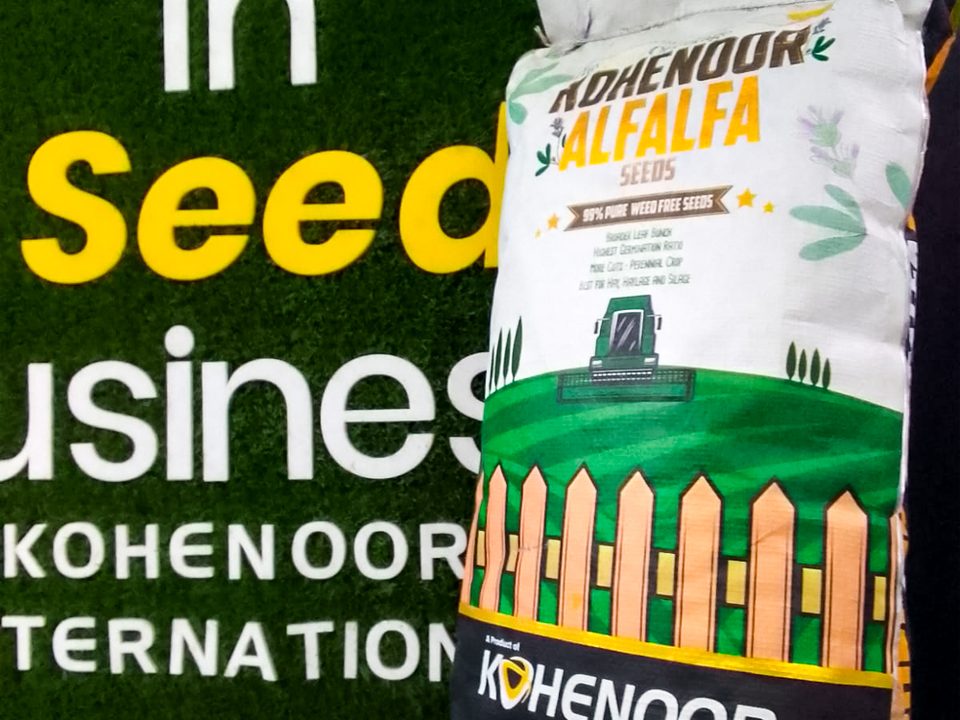
Kohenoor lucerne seed export bag with sealed lot tag for horse farm hay production

What each of them receives is research lucerne selected on our own plots, Sortex-cleaned seed, ISTA-tested lots, a written dodder guarantee, IPPC phytosanitary documentation and a direct line to people who have been doing this since 1957. If you manage forage for a stud, a racing yard or an endurance stable and want to stop depending on imported hay, send us your location, your water analysis and your hectares. We will propose a programme and start with a trial lot, so that your horses and your laboratory, not our brochure, make the case.

The companion pages on this site cover the dairy programme, the camel, sheep and goat programme, large-scale irrigation projects and a season-by-season planting calendar for each climate, all drawing on the same seed range and the same export desk.

See the seed, the lab and the loading

Forage programmes for every operation

Forage seeds for dairy farms
Forage seeds for dairy farmsAlfalfa, Rhodes grass, ryegrass, sorghum, clover and Super Napier seed for high-yield herds — one programme, one supplier.
Read more →
Year-round forage programme
Year-round forage programmeSeason-by-season planting calendars for hot-arid, Mediterranean and temperate farms so the forage gap never opens.
Read more →
Large-scale forage projects
Large-scale forage projectsSeed volume planning, phased establishment, documentation and container logistics for 500 to 10,000 hectare schemes.
Read more →
Forage seeds for camel, sheep & goat farms
Forage seeds for camel, sheep & goat farmsRhodes grass, alfalfa, sesbania, Baymisaal and sorghum seed for camel dairies, racing camels and small-ruminant operations.
Read more →

Talk to a real person — quote within 24 hours

Send your product, quantity and destination port. The export desk replies personally with a quotation, current lot certificates and a shipping schedule — no bots, no obligation.

export@kohenoorint.com

Frequently asked questions

Is lucerne (alfalfa) safe to feed to horses?

Yes, and it has been fed to horses for centuries. It is especially valued for broodmares, growing youngstock and horses in hard work because of its protein, calcium and palatability. Mature idle horses are usually fed it blended with a grass hay such as Rhodes grass, and all hay should be cured and stored so that it is free of mould and dust.

Which lucerne variety suits a Gulf stud farm?

TAIZTAR, our fall-dormancy 10, non-dormant lucerne bred for heat and salinity tolerance as the superior replacement for the late-1970s CUF-101. It keeps growing through the mild Gulf winter and gives 7 or more cuts a year under irrigation.

And for a stud in a cold climate?

KN92, our fall-dormancy 9, cold-tolerant lucerne. It goes dormant under frost and regrows strongly in spring, with the same 22–24% crude protein, ≥98% purity, ≥85% germination and written 0% dodder guarantee.

Do you supply cover-crop and green-manure seed as well as fodder seed?

Yes. Sesbania (janter) is the nitrogen-fixing legume in the Kohenoor range that works as both a cover crop and a green manure: sown between main crops or on saline and exhausted land, it is ploughed in at six to eight weeks to return nitrogen and organic matter before alfalfa, panicum or Rhodes grass is sown. It doubles as a soft fodder for sheep and goats. Panicum (Guinea grass) and brachiaria complete the tropical pasture base. All ship in the same container with the same ISTA and phytosanitary documents as the rest of the order.

What grass hay do you recommend alongside lucerne?

Australian Rhodes grass for hot and dry regions: a perennial that stands 3–5 years, tolerates drought, heat and saline soil and makes a palatable hay of 12–14% protein. Winter ryegrass, sown October to December, gives 5–8 cuts for cool-season grazing or fresh forage.

Why does dodder-free seed matter so much on a horse farm?

Dodder is a parasitic vine whose seed hides in poorly cleaned lucerne seed. It kills stands, is a quarantine weed in many countries and is very hard to remove once in the soil. Our lucerne is Sortex-cleaned, ISTA-tested by lot and guaranteed 0% dodder in writing, which gives clean paddocks and clean hay.

When should lucerne be cut for horse hay?

At bud stage, when flower buds have formed but not opened. Protein and digestibility are highest, stems are fine and leaf is well attached. Cure quickly, bale at the right moisture and store under cover off the ground.

What is the minimum order and seed rate?

Lucerne minimum is 5 MT with 1 MT trial lots accepted. Seed rate is 10–12 kg per acre (25–30 kg per hectare). Rhodes grass and ryegrass rates are confirmed on the quotation and bag tag.

What about blister beetle?

Blister beetle contamination is an issue reported with some North American alfalfa hay in specific regions, where beetles in flowering fields are crimped into bales. It is not a seed issue. Growing your own stand and cutting at bud stage, before flowering, is the surest way to know exactly what is in your hay.

Related pages

WA