Forage for dairy and beef farms · grow it from seed

Alfalfa hay vs grass hay for cows — which is better, how much to feed, and why the cheapest alfalfa is the hay you grow

Typical protein 16–22% vs 7–12% · higher calcium and energy · dry-cow and bloat cautions · feeding ranges · TAIZTAR and KN92 seed direct from Kohenoor

Every dairy or beef farmer eventually asks the same question at the hay barn: is alfalfa worth it over grass hay, and if so, how much of it should a cow actually get? This page answers that honestly — alfalfa is the higher-protein, higher-calcium, higher-energy hay, but it is not the right hay for every cow on every day — and then turns to the part most comparison articles skip: the farmer who grows alfalfa from good seed stops paying hay-market protein premiums altogether.

Get a quote in 24h
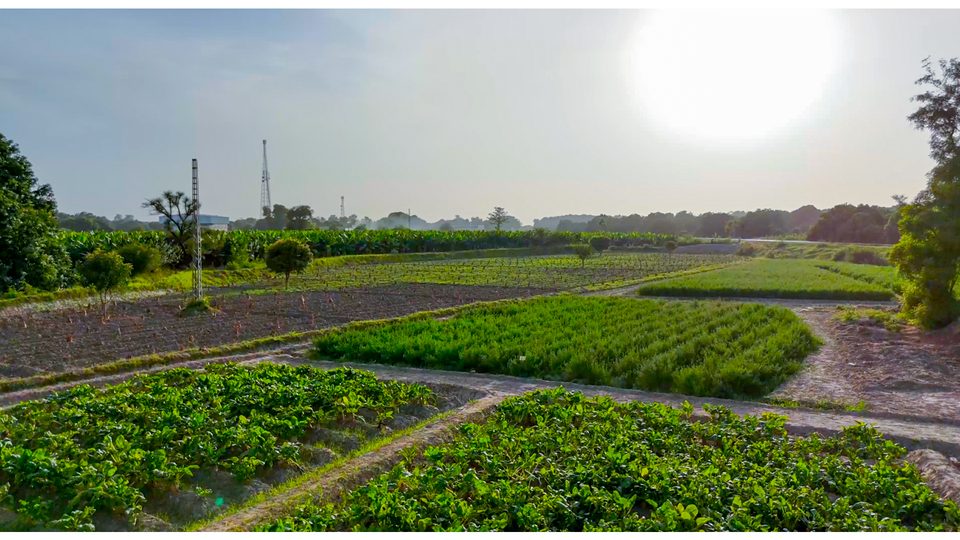
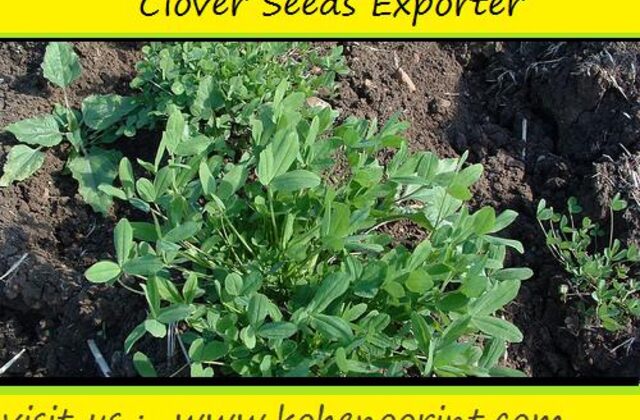
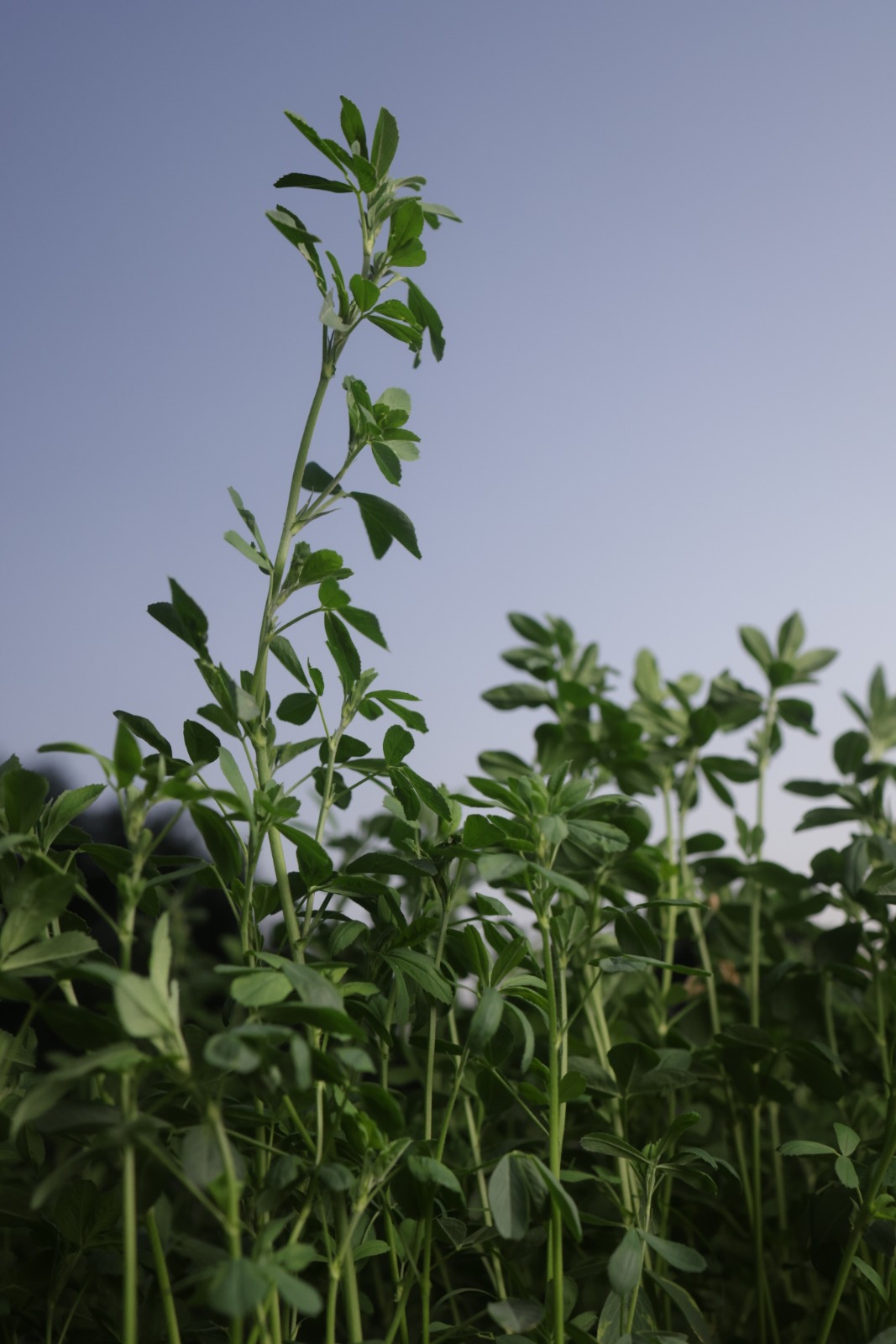
Dense irrigated alfalfa stand approaching cutting stage, the kind of field that produces high-protein alfalfa hay for dairy and beef cows
In short: Alfalfa hay typically tests 16–22% crude protein with high calcium and good energy, while grass hay (timothy, orchard, Rhodes) typically tests 7–12% depending on cutting stage. Alfalfa is the better hay for lactating dairy cows, growing cattle and thin beef cows; grass hay suits dry and close-up cows. Most farms feed a blend, and farms that grow alfalfa from seed such as TAIZTAR or KN92 pay the least for it.
Alfalfa since 1957TAIZTAR and KN92 varietiesCP 22–24% in the plant≥98% purity · ≥85% germination0% dodder in writingISTA-tested lotsDirect to farms in 70+ countriesReply within 24 h
Alfalfa hay proteinTypically 16–22% CP
Grass hay proteinTypically 7–12% CP
Alfalfa calciumRoughly 3× grass hay
Cuts per year (TAIZTAR)7+ in warm irrigated climates
Seed rate25–30 kg/ha (10–12 kg/acre)
Seed supplyDirect, MOQ 5 MT (1 MT trial)

Alfalfa vs hay: what the comparison actually means

Farmers say "alfalfa vs hay" as if alfalfa were something other than hay. Strictly, alfalfa is hay — dried forage cut from a standing crop — so the real comparison is alfalfa hay vs grass hay: a legume hay against a grass hay. The distinction matters because legumes and grasses are built differently, and almost every feeding difference you will read below follows from that one fact.

Alfalfa (Medicago sativa, lucerne in much of the world) is a deep-rooted perennial legume. It fixes its own nitrogen from the air through root nodules, which is why it is naturally rich in protein, and it carries a high proportion of its feed value in the leaf rather than the stem. Grass hays — timothy, orchard grass, Rhodes grass, ryegrass, brome, fescue, oat or wheat hay cut green — are grasses: they rely on soil nitrogen or fertiliser, they are lower in protein and calcium, higher in fibre, and their quality is more forgiving of a late cut.

In practice the two are not rivals so much as tools. A dairy farm with 30-litre cows needs the protein and energy density of alfalfa; a beef cow in mid-pregnancy on a cold hillside needs the bulk and slow release of grass hay. The farms that feed cattle best usually have both in the barn and know which animal gets which — and, increasingly, grow the alfalfa themselves rather than buying it by the bale in a tight season. Kohenoor has grown and exported alfalfa seed since 1957 and supplies farms in more than 70 countries directly, so the second half of this page is about that: forage seed for dairy farms, delivered to your farm or port, one contact.

Alfalfa hay vs grass hay: nutrition side by side

The figures below are typical ranges for well-made hay, as of 2026. Hay is a farm product, not a factory one — a late-cut, rained-on alfalfa bale can test below a well-made early-cut grass bale — so treat these as the shape of the difference, not a guarantee, and test your own hay. A forage analysis is inexpensive relative to a season of feeding mistakes and most extension services or feed laboratories will run one.

Measure (dry-matter basis)Alfalfa hay (typical)Grass hay (typical)What it means for the cow
Crude protein16–22% (dairy-grade often 18–22%)7–12% (mature stands lower)Alfalfa can carry a lactating cow's protein need with little or no purchased protein meal
Energy (TDN)Roughly 55–62%Roughly 50–58%More milk or gain per kilogram eaten; also more risk of over-conditioning idle cows
CalciumOften 1.2–1.5%Often 0.3–0.5%Good for milking cows and growing stock; a caution for close-up dry cows
PhosphorusAround 0.2–0.3%Around 0.2–0.3%Similar; alfalfa's wide Ca:P ratio is the point to watch
Fibre (NDF)Roughly 36–46%Roughly 55–70%Grass hay fills the rumen and slows intake; alfalfa is eaten faster and digested faster
Relative feed valueCommonly 125–185Commonly 80–115A single index that explains why alfalfa commands a premium in every hay market
PalatabilityVery high (leafy)Good to moderateCows sort for alfalfa leaf; grass hay wastes less when fed loose

Two things stand out. First, alfalfa hay protein content is typically double that of grass hay, which is the whole economic argument for it: a tonne of alfalfa replaces a good share of the soybean or cottonseed meal a dairy would otherwise buy. Second, the calcium figure is not a footnote. Alfalfa's calcium is a benefit for a cow making milk and a hazard for a cow about to calve, and that single mineral is why the dry-cow section below says what it says.

Energy is where the honest comparison gets subtle. Alfalfa has more digestible energy per kilogram than most grass hays, but because its fibre is lower a cow eats more of it in a day, so the total energy intake difference is larger than the table suggests. That is wonderful for a cow in peak lactation and a problem for a dry cow or a mature beef cow with nothing to do but get fat.

Is alfalfa good for cows? An honest answer by class of animal

Yes, alfalfa is good for cows — it is arguably the best single forage a cow can eat — but "good" depends on which cow. The question is alfalfa good for cows gets a different answer at each stage of the production cycle, and most problems farmers blame on alfalfa are really problems of feeding the right hay to the wrong animal.

The two cautions farmers most often raise — bloat and "fat cows" — are real but manageable. Frothy bloat is primarily a risk of grazing lush, wet alfalfa pasture or feeding fresh-cut green alfalfa, far less so with properly cured alfalfa hay; hay is the safe way to feed a legume. Over-conditioning is a ration-design question, not a reason to avoid alfalfa: ration it for the animal in front of you. In every case, your veterinarian or extension nutritionist should confirm the plan for your herd.

Alfalfa hay for dairy cows: lactation, the dry period and heifers

Alfalfa hay for dairy cows is where the legume earns its reputation. A cow producing 30 litres a day needs a diet of roughly 16–17% crude protein and a great deal of fermentable energy, and she needs it in a form her rumen can process without acidosis. Alfalfa delivers protein in the forage itself, so the concentrate side of the ration can lean on energy grains rather than protein meals; its calcium meets the demand of milk synthesis; and its fibre, though lower than grass, is effective fibre that keeps the rumen mat intact when cows are eating heavily.

Typical practice on dairies that feed hay rather than total mixed rations looks like this, as a general pattern rather than a prescription: alfalfa hay offered at roughly 5–10 kg per cow per day for cows in milk, with the rest of the forage from maize silage, grass hay or green fodder and the concentrate balanced to yield. Herds in warm climates with irrigated alfalfa — the Gulf, North Africa, Pakistan, parts of Africa, Southeast Asia and Australia — often feed higher proportions of alfalfa because it is the forage they grow best. Herds in cold climates often feed a mix with grass or alfalfa–grass hay from the same field.

In the dry period, especially the last three weeks before calving, most nutritionists advise limiting alfalfa or removing it. The reasons are the calcium and potassium content already mentioned, and the fact that a dry cow's energy need is modest; a cow that calves over-conditioned is more likely to suffer ketosis, displaced abomasum and a poor start to lactation. Grass hay, cereal straw or oat hay with a mineral designed for close-up cows is the common choice, and alfalfa comes back into the ration as soon as the cow is milking. This is a general pattern, not veterinary advice; the close-up ration should be designed with your herd's history in mind.

For heifers, alfalfa hay from weaning onwards gives good growth without the need for much concentrate, which is one of the quiet economic advantages of having it on hand. From around breeding age many farms dilute alfalfa with grass hay to keep heifers growing frame rather than fat.

The dairy farmer's real alfalfa problem is rarely the cow; it is supply. Dairy-grade alfalfa hay is the most sought-after forage in every hay market and its quality varies bale to bale. That is why dairies with land increasingly grow it, and why Kohenoor built its year-round forage programme around alfalfa as the protein anchor.

Alfalfa for beef cows and growing cattle

Alfalfa for cows on a beef operation is a question of matching cost to need. A mature beef cow in mid-pregnancy, in fair condition, needs around 7–9% crude protein in her diet and can meet it on average grass hay. Feeding her straight alfalfa is not harmful — she will simply get fatter than you want and you will have spent a premium forage on an animal that did not need it. This is the honest case for grass hay: for the largest class of animals on most beef farms, it is enough.

Alfalfa pays on a beef farm in four situations. First, in late pregnancy and early lactation, when protein and energy needs rise sharply and poor grass hay alone leaves cows thin and slow to rebreed. Second, for first-calf heifers, which are still growing while raising a calf. Third, for weaned calves and backgrounding cattle, where alfalfa's protein drives gain without a protein supplement. Fourth, as a protein supplement to low-quality roughage: a few kilograms of alfalfa hay per head per day transforms what cattle can do on mature grass hay, straw or crop residues, and it does so without the handling and cost of a bagged supplement.

Alfalfa field under open sky at bud stage, the stage at which alfalfa is usually cut for high-quality cattle hay

The bloat caution deserves a plain statement. Frothy bloat in cattle is associated with grazing young, lush legume pasture — alfalfa or clover — particularly when cattle are hungry and the pasture is wet. It is far less associated with cured alfalfa hay, because drying changes the soluble proteins that cause foaming and because hay is eaten more slowly. Feeding alfalfa as hay is the standard way to get legume protein into cattle without the grazing risk. If you do graze alfalfa, extension services generally recommend filling cattle on dry hay first, turning out when the stand is dry and past bud stage, and using a bloat preventative where available. Confirm practice with your local extension office or veterinarian.

On beef farms that have grass but lack protein — common wherever the dry season is long — a few hectares of irrigated alfalfa cut for hay can replace most of the purchased supplement for the whole herd. That calculation leads to the same place a dairy's does: seed.

How much alfalfa to feed a cow: general ranges and mixing ratios

There is no single answer to how much alfalfa to feed a cow, because the right amount depends on the cow's weight, her stage of production, the quality of the alfalfa and what else she is eating. What follows are general starting ranges used widely in practice as of 2026, to be adjusted with a forage test and a nutritionist's help. A cow's total daily dry-matter intake is typically around 2–3% of her body weight, higher in heavy lactation; the alfalfa share is a portion of that.

AnimalAlfalfa hay per head per day (typical range)Alfalfa : grass hay mixNotes
Lactating dairy cow (550–650 kg)5–10 kg, sometimes more where alfalfa is the main forage50:50 to 100% alfalfa in the hay portionBalance concentrate to yield; test the hay
Dry dairy cow (far-off)0–3 kgMostly grass or cereal hayAvoid over-conditioning
Close-up dairy cow (last 3 weeks)Little or noneGrass/cereal hay, close-up mineralMilk fever risk with high calcium and potassium
Dairy heifer, 6–15 months3–6 kg50:50 to 70:30 alfalfa-ledGood frame growth with little concentrate
Beef cow, mid-pregnancy, good condition0–3 kg as a protein top-up20:80 to 30:70 alfalfa:grassGrass hay alone often enough
Beef cow, late pregnancy / early lactation3–6 kg30:70 to 50:50Supports rebreeding
Weaned calves / backgrounders2–5 kg50:50 or alfalfa-ledDrives gain without protein meal
Finishing cattle1–2 kg as roughageSmall share of a grain rationSupplies protein and calcium grain lacks

Three practical rules sit behind those figures. Introduce alfalfa gradually over a week or so when cattle are not used to it, to let the rumen adjust. Feed by weight, not by bale: alfalfa bales are denser than grass bales and a "bale a day" rule overfeeds. And mix rather than alternate: offering alfalfa and grass hay together, or feeding mixed alfalfa–grass hay from the same field, gives steadier rumen conditions than alfalfa one day and grass the next.

Mixing ratios also solve the sorting problem. Cows offered loose alfalfa pick out the leaf and leave stem; chopped and mixed with grass hay or silage, intake is more uniform and waste falls. Many farms that grow their own alfalfa sow a small proportion of grass with it, which gives a naturally mixed hay and protects the stand from weed invasion as it ages.

Alfalfa vs timothy hay and other grass hays

Alfalfa vs timothy hay is the comparison most searched in cool-climate countries, where timothy is the benchmark grass hay. Timothy is a late-maturing, cool-season grass that makes soft, palatable, relatively low-protein hay — typically around 7–11% crude protein, with energy and calcium well below alfalfa. It is a fine maintenance hay for dry cows, mature beef cows and horses, and it is forgiving to make. It is not a production hay; a milking cow on timothy alone will need a great deal of purchased protein.

The same logic extends to the other grass hays a cattle farmer meets:

Against all of them alfalfa holds the same position: the perennial legume that supplies protein, calcium and energy in one bale and comes back cut after cut for several years from one sowing. The grasses are not inferior; they are different, and the best rations use both. What the grasses cannot do is replace the protein — and protein is what the hay market charges for.

Alfalfa hay protein content: what moves it up or down

Farmers quote alfalfa hay protein content as a single number, but the 16–22% range on this page spans the difference between a modest hay and a premium one. Understanding what moves the figure is the key both to buying alfalfa well and to growing it well.

The practical lesson is that buying alfalfa hay means buying an unknown unless you have a test, while growing it means you decide the cutting stage, the handling and the variety — and therefore the protein.

Grow your own alfalfa hay: seed, establishment, cuttings and stand life

Here is the commercial truth that every dairy and beef farmer with irrigable land eventually arrives at: the cheapest alfalfa hay you will ever feed is the hay you grow your own alfalfa hay from. Purchased alfalfa carries the grower's margin, the trader's margin, the trucking and the quality risk of a bale you did not make. Grown alfalfa carries the seed, the water, the fertiliser and your own hay-making — and it comes back cut after cut for several years from one sowing.

Alfalfa research and development plots where Kohenoor selects TAIZTAR and KN92 for leafiness, protein and cutting recovery

The agronomy, in general terms as of 2026 — confirm specifics with your local extension office or agronomist:

Set against the hay barn, the arithmetic is simple. One sowing of 25–30 kg of seed per hectare produces alfalfa hay for several years, cut many times a year in a warm irrigated climate, at a protein level you control. Even a few hectares change the feed budget of a farm that has been buying dairy-grade alfalfa by the lorry load, and a farm with more land can grow its whole legume requirement and sell the surplus.

TAIZTAR and KN92 seed, direct from Kohenoor to your farm

Kohenoor International has been a research forage seed company since 1957, when the late Mr. Noor Muhammad Aleemi founded it in Hyderabad, Sindh, Pakistan; the third generation now leads it, with offices in Pakistan, Dubai and Australia and more than 60 seed products shipped to farms in more than 70 countries. Alfalfa is the crop the company is built on, and two varieties carry the hay programme.

TAIZTAR is an FD 10 non-dormant alfalfa bred on modern genetics for heat and salinity tolerance — the superior replacement for the late-1970s variety CUF-101 that many warm-climate farms still sow. It is the variety for the Gulf, North Africa, the Sahel, the Middle East, Pakistan, Southeast Asia and northern Australia: fast recovery between cuts, 7 or more cuts a year under irrigation, crude protein of 22–24% in the standing crop and crude fibre up to 28%, which makes excellent hay and silage. KN92 is the FD 9 sister variety with greater cold tolerance for farms with a real winter, carrying the same protein and quality profile.
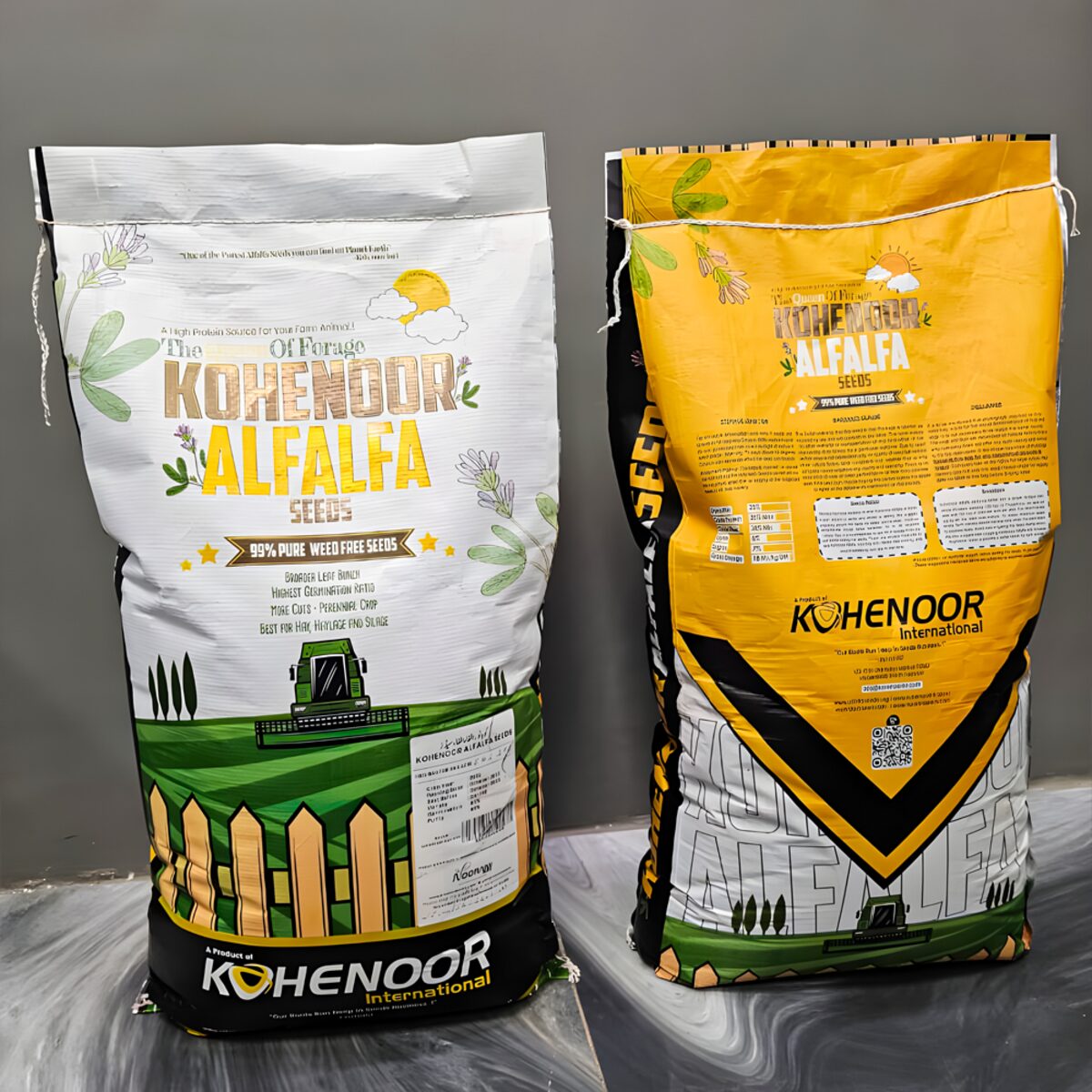
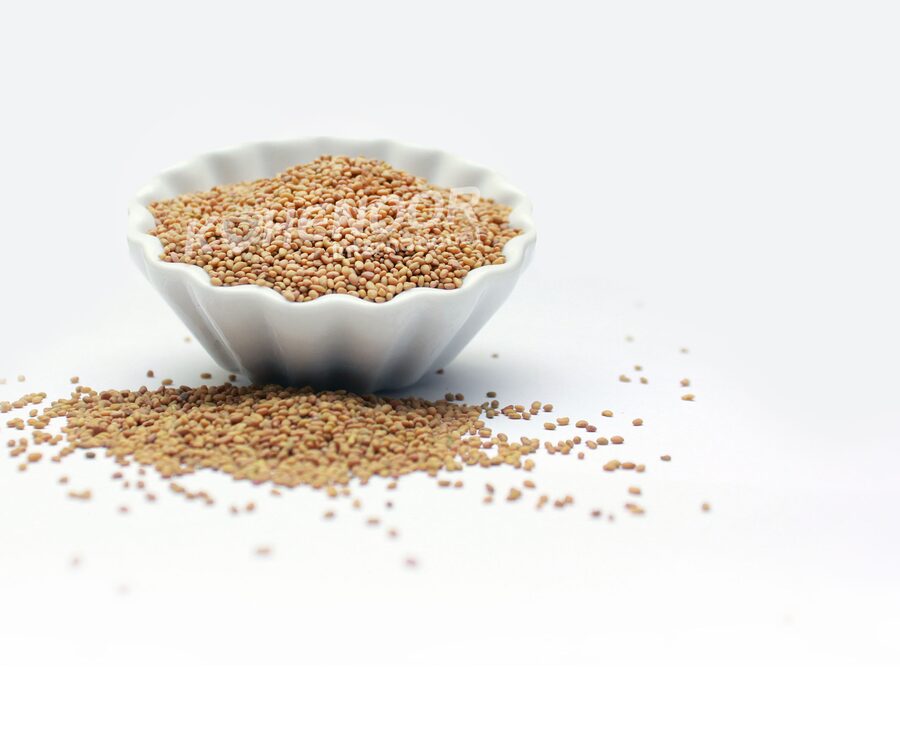
Kohenoor TAIZTAR and KN92 alfalfa seed in sealed, lot-tagged bags ready for direct shipment to dairy and beef farms

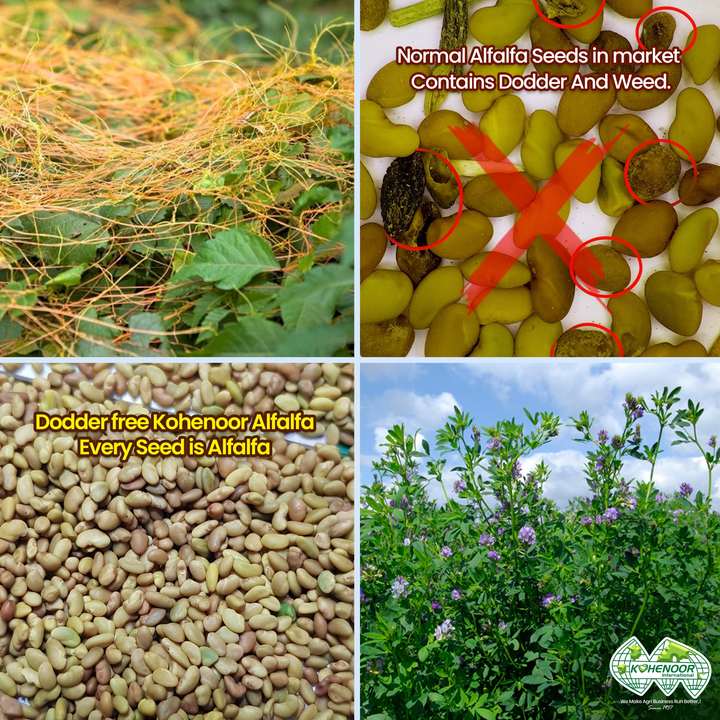
Every lot ships with ≥98% purity, ≥85% germination and 0% dodder guaranteed in writing, tested per lot under ISTA methods with an ISTA Orange Certificate, and backed by ISO 9001 and HACCP certification and an IPPC phytosanitary certificate for export. Seed is HS 1209.21. In-stock lots are ready for FOB Karachi loading within 7–12 days; the minimum order is 5 MT, and 1 MT trial lots are accepted so that a farm can sow a first field before committing to its full area. Quotations are given on WhatsApp or by email, per lot and destination.

Kohenoor sells direct. There is no dealer or agent between the farm and the company: you send your location, area and sowing season to the export desk, you receive a quotation, the lot's certificates and a sowing recommendation, and the seed is delivered to your port or door with one document set from one contact. Farmers who want the grass side of a mixed hay — Rhodes grass for hot regions, ryegrass for winter protein — or a year-round programme with berseem, sorghum and Napier can source the whole plan from the same desk. Country-specific guidance is on the countries pages, and the full export process, documents and shipping are described on the alfalfa seed exporter page.

To start: message +92 310 4929292 on WhatsApp or write to export@kohenoorint.com with your country, hectares to sow, whether you milk or finish cattle, and your sowing month. The desk replies within 24 hours in English, Arabic, Spanish or French.
From seed to alfalfa hay

Build the rest of the forage plan

Forage seeds for dairy farms
Forage seeds for dairy farmsAlfalfa, Rhodes grass, ryegrass, berseem and sorghum for milking herds — one supplier, one document set.
See the dairy range →
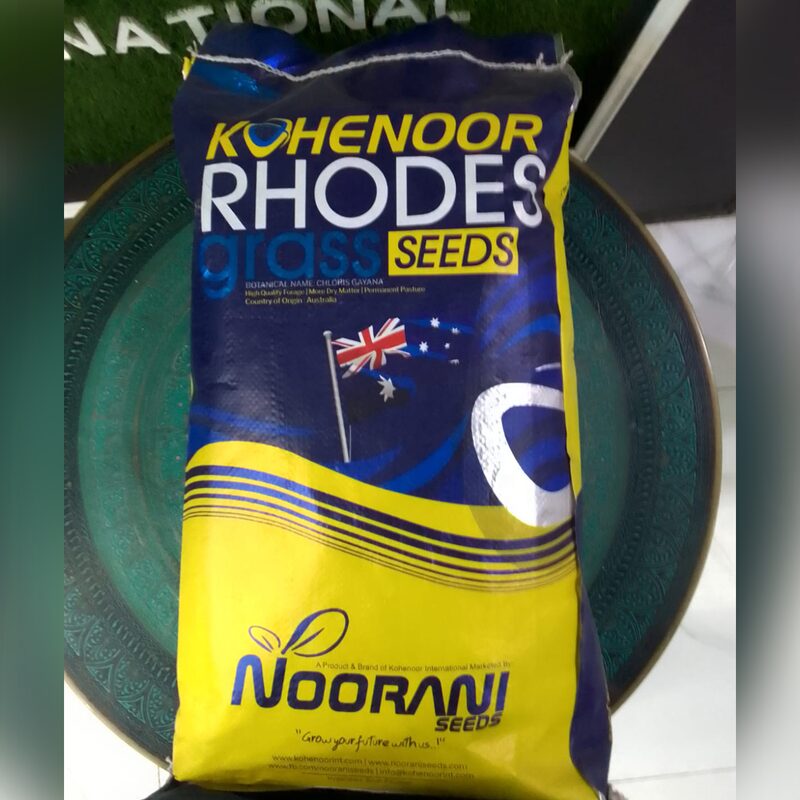
Rhodes grass: the grass partner to alfalfa
Rhodes grass: the grass partner to alfalfaPerennial, heat and salt tolerant, hay protein typically 12–14% — the grass hay for hot and dry regions.
Rhodes grass seed →
Year-round forage programme
Year-round forage programmeAlfalfa as the protein anchor, with winter berseem and ryegrass and summer sorghum and Napier to fill every month.
Plan the year →
Alfalfa seed exporter: how we ship
Alfalfa seed exporter: how we shipDocuments, ISTA certificates, phytosanitary certificates, FOB Karachi loading and delivery to 70+ countries.
Export process →

Stop buying protein by the bale — grow it

Tell the Kohenoor export desk your country, the hectares you can irrigate and your sowing month. You will receive a TAIZTAR or KN92 recommendation, the lot's ISTA certificate and a quotation per lot and destination within 24 hours — direct from the company to your farm, no dealer in between.

export@kohenoorint.com

Frequently asked questions

Is alfalfa hay better than grass hay for cows?

For lactating dairy cows, growing cattle and thin or lactating beef cows, yes: alfalfa hay typically carries 16–22% protein against 7–12% for grass hay, plus more calcium and energy. For dry cows, close-up cows and mature beef cows in good condition, grass hay is usually the better and cheaper choice. Most well-run farms feed both, matched to the animal.

Is alfalfa good for cows every day?

Alfalfa can be fed daily to milking cows, heifers and growing cattle as part of a balanced ration. The exceptions are the close-up dry period, where most nutritionists limit alfalfa because its high calcium and potassium are linked to milk fever, and mature idle cows that would become over-conditioned. Introduce alfalfa gradually and confirm the ration with your veterinarian or extension nutritionist.

How much alfalfa should I feed a dairy cow?

As a general range, lactating cows are commonly offered 5–10 kg of alfalfa hay per day, more where alfalfa is the main forage, with the concentrate balanced to milk yield. A cow eats roughly 2–3% of her body weight in dry matter daily. Dry cows get little or none in the last three weeks before calving. Test your hay and adjust with a nutritionist.

Can alfalfa hay cause bloat in cattle?

Frothy bloat is mainly a risk when cattle graze lush, wet alfalfa pasture or eat fresh-cut green alfalfa, especially when hungry. Properly cured alfalfa hay carries far less risk because drying changes the soluble proteins that cause foaming and hay is eaten more slowly. Feeding alfalfa as hay is the standard, low-risk way to give cattle legume protein.

What is the protein content of alfalfa hay?

Alfalfa hay typically tests 16–22% crude protein on a dry-matter basis, with dairy-grade early-cut hay at the upper end and late-cut or weather-damaged hay lower. Cutting stage and leaf retention move the figure most. Kohenoor's TAIZTAR and KN92 varieties test at 22–24% crude protein in the standing crop, which gives room to make high-protein hay after curing losses.

Alfalfa vs timothy hay — which should I buy for cattle?

Timothy is a soft, palatable, low-protein grass hay, typically around 7–11% protein, suited to dry cows, mature beef cows and maintenance. Alfalfa is the production hay for milking cows and growing stock. If you have both classes of animal, buy or grow both; if you must choose one for a mixed herd, many farms choose alfalfa and dilute it with cheaper grass hay or straw for the animals that need less.

How many cuttings of alfalfa hay can I get a year?

Under irrigation in warm, frost-free climates, non-dormant varieties such as TAIZTAR (FD 10) and KN92 (FD 9) are cut roughly every 25–35 days and give 7 or more cuts a year. Temperate stands typically give three to five cuts. A stand sown at 25–30 kg of seed per hectare normally produces for three to five years, longer where winters are mild and the field is kept weed-free.

Does Kohenoor have a dealer or agent in my country for alfalfa seed?

Kohenoor supplies direct from the company to the farm, with no dealer or agent in between. You contact the export desk on WhatsApp +92 310 4929292 or export@kohenoorint.com, receive a quotation per lot and destination with the ISTA certificate and sowing advice, and the seed is delivered to your port or door with one document set from one contact. Minimum 5 MT, 1 MT trial lots accepted.

Related pages

WA