Alfalfa seed supply chain · how to choose a supplier · since 1957

Alfalfa seed suppliers and companies: how the supply chain works and how to choose one

Breeders · seed growers · cleaning plants · exporters · distributors · what to check on the bag, the certificate and the contract

Alfalfa seed changes hands four or five times between the plant breeder and the farmer who sows it, and most of what goes wrong on a farm — an unnamed variety, a stand full of dodder, seed that was three years old before it shipped — goes wrong because the buyer did not know which kind of alfalfa seed company they were dealing with. This page explains the types of alfalfa seed suppliers, what each is good for, how to test any of them before you pay, and where Kohenoor, a Pakistani seed company since 1957, fits in that chain.

Get a quotation in 24 h
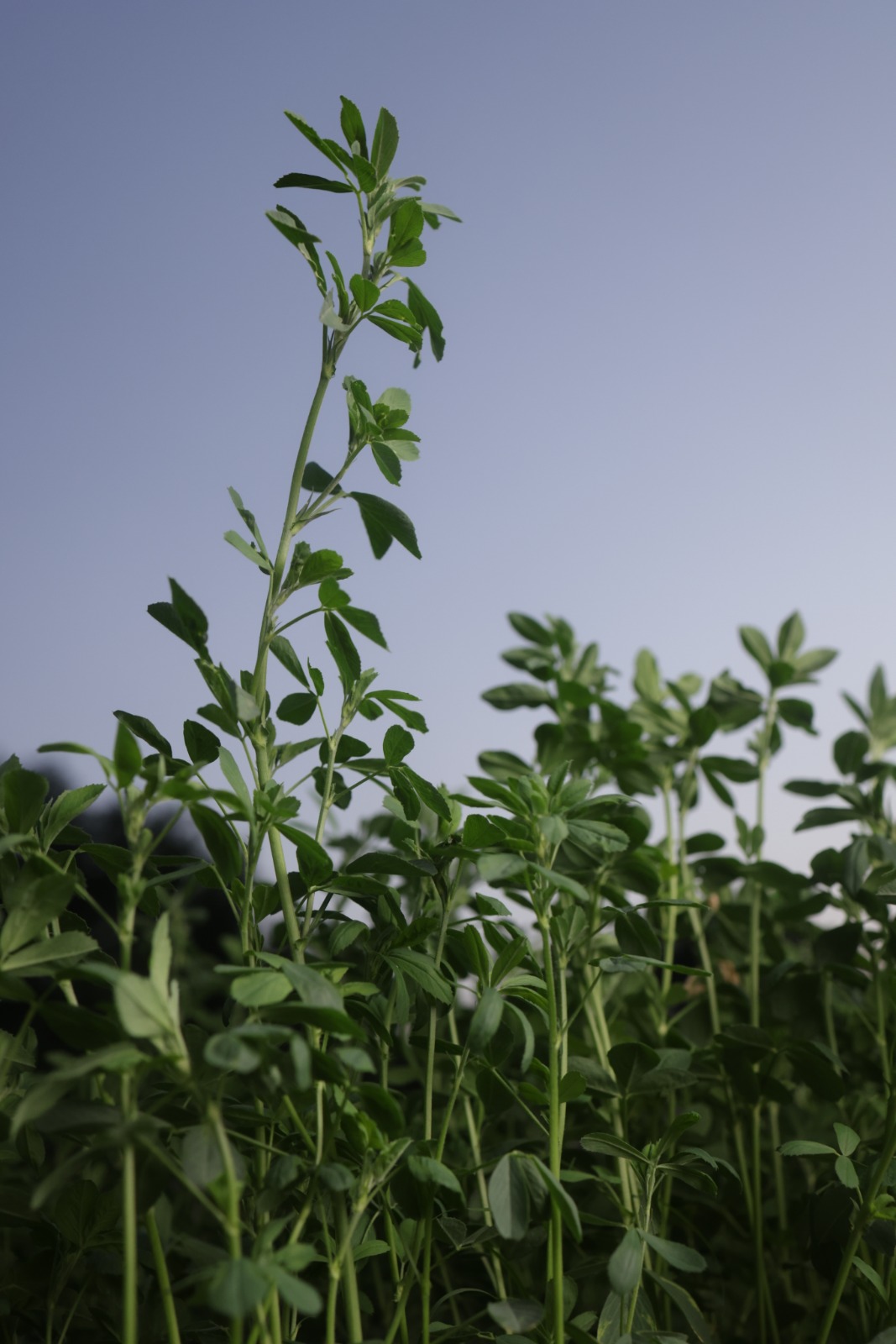
Alfalfa seed production field in Sindh, Pakistan, the start of the supply chain that alfalfa seed companies manage from breeder to farm
In short: Alfalfa seed suppliers fall into five groups: breeding houses with proprietary varieties, regional seed growers, exporters with their own cleaning plants, importers and distributors, and marketplace sellers. Judge any of them by the variety name on the bag, an ISTA certificate for your lot, a written dodder guarantee, contracted purity and germination minimums, and documents that trace the seed to the field.
Seed company since 1957Own cleaning plant · Hyderabad, SindhISTA Orange Certificate per lot0% dodder guaranteed in writingISO 9001 · HACCPOwn varieties: TAIZTAR · KN9270+ countries suppliedDirect supply · reply within 24 h
Company typeBreeder, grower, cleaner and exporter in one
VarietiesTAIZTAR (FD10) · KN92 (FD9)
Lot documentsISTA Orange Certificate · COA · phytosanitary
Purity / germination≥98% / ≥85%, tested per lot
Dodder0%, guaranteed in writing
Supply termsMOQ 5 MT (1 MT trial) · 7–12 days to FOB Karachi

How the alfalfa seed supply chain works, from breeder to farm

Alfalfa seed is long-lived, high-value and low-volume: a 25 kg bag sows roughly a hectare and stays viable for two years or more, so it can travel far and pass through several companies between breeder and farm. Each stage adds value, and each is a place where quality can be lost.

StageWho does itWhat they addWhere quality is won or lost
1. BreedingBreeding houses, public institutes, seed companies with a research armThe variety: fall dormancy, heat or cold tolerance, disease resistance, proteinGenetic identity; whether the variety suits your climate at all
2. MultiplicationContract seed growers in dry irrigated regionsTurns kilograms of breeder seed into tonnes of commercial seedIsolation, weed control, dodder in the field, harvest timing
3. CleaningSeed plants with air-screen cleaners, gravity tables, optical sortersRemoves weed seed, inert matter and light seed; raises purity and germinationDodder removal, lot integrity, moisture, bagging and tagging
4. TestingAccredited laboratories (ISTA member labs), national schemesPurity, germination, other-seed count; the lot certificateWhether the certificate matches the lot in the bag
5. Export and importExporters, importers, forwarders, plant-protection authoritiesPhytosanitary certificate, containers, customs under HS 1209.21Storage in transit, document accuracy, time from test to sowing
6. DistributionNational distributors, farm stores, marketplacesBreaks bulk, holds local stock, advises farmersShelf age, re-bagging, substitution of varieties

In the shortest chain one company does stages one to five and sells direct to the farm or importer. In the longest, six companies touch the seed and the farmer may not know which variety was bred where or when it was last tested. The long chain lets a small farm buy two bags locally; the problem arises when a container buyer buys from the bottom of it, paying every margin and losing every piece of information. Our export desk page describes how the short chain works for volume buyers.

The five types of alfalfa seed companies and what each is good for

"Alfalfa seed company" covers very different businesses. Knowing which one you are talking to tells you what to expect and what to ask.

1. Breeding houses with proprietary varieties

Companies, some multinational, that run breeding programmes and release named varieties under plant variety rights, sold under brand names through licensed distributors and often coated or treated. Strength: well-documented genetics in their home regions. Limits: varieties bred first for those markets, a long chain, and seed that reaches your country only if a distributor carries it.

2. Regional seed growers and multipliers

In every seed-producing region there are growers who multiply seed under contract or on their own account. Their seed is often fresh, but many do not export or run ISTA-accredited testing, and sell varieties whose names mean little outside the district.

3. Exporters with their own cleaning plant and varieties

A smaller group grow or contract seed, clean it in their own plant, test each lot, hold the export licences and ship direct to importers and farms abroad. Some, like Kohenoor, also breed their own varieties. This is the shortest chain available to an overseas buyer: one company answers for the genetics, the cleaning, the certificate and the container.

4. Importers and distributors

Distributors in each importing country hold stock bought from the groups above and sell it on to farms, cooperatives and government schemes. Indispensable for small buyers and anyone who needs seed next week; their weakness is that they rarely control what is in the bag.

5. Marketplace and online sellers

Business-to-business marketplaces list a great deal of "alfalfa seed for sale", much of it with no variety name, no test date and a stock photograph. Some are genuine companies from groups two and three; many are traders who will source the seed after you pay, so the checks below matter more here than anywhere.
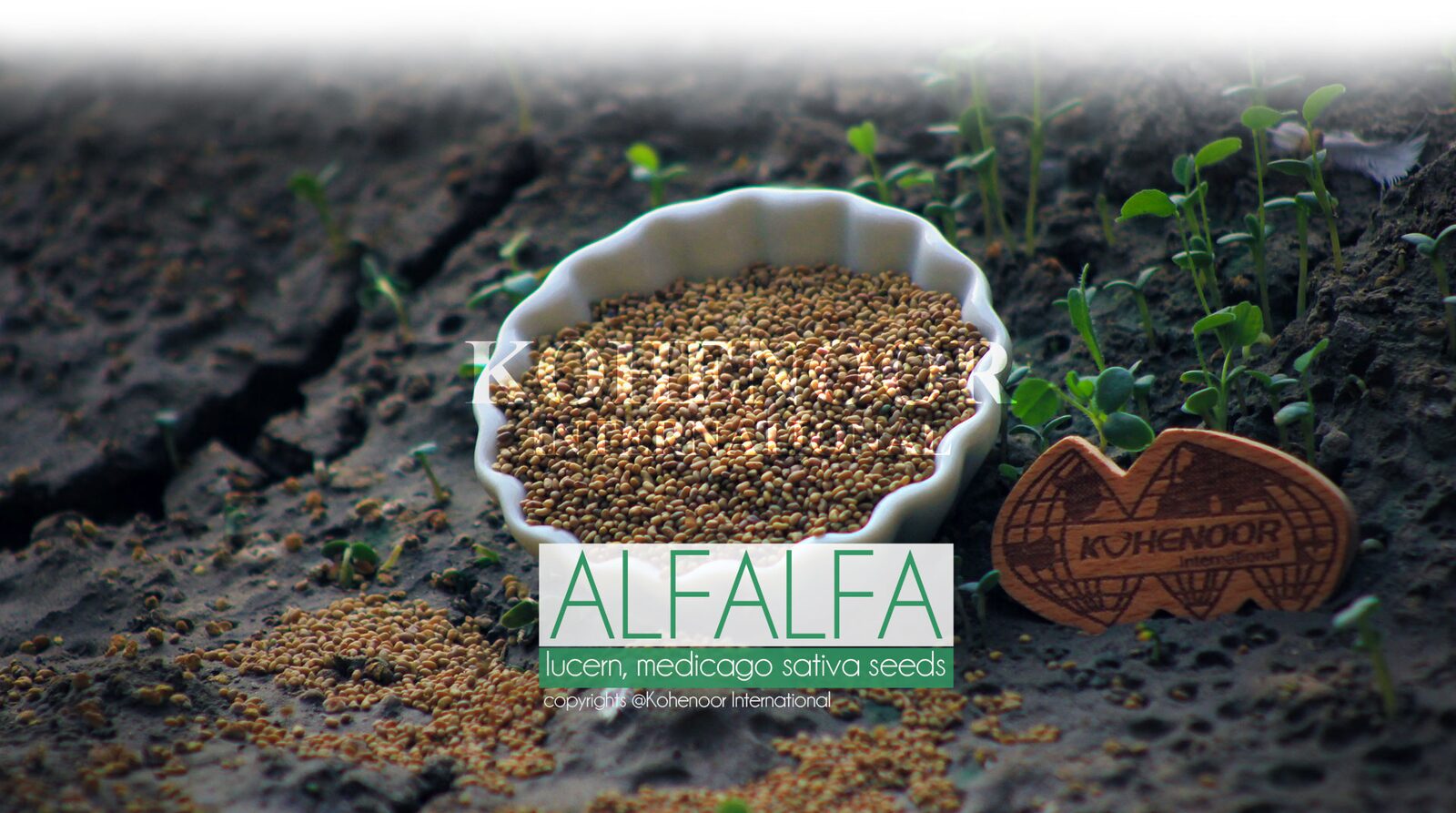
Seed company or seed trader: the difference that decides what arrives in the bag

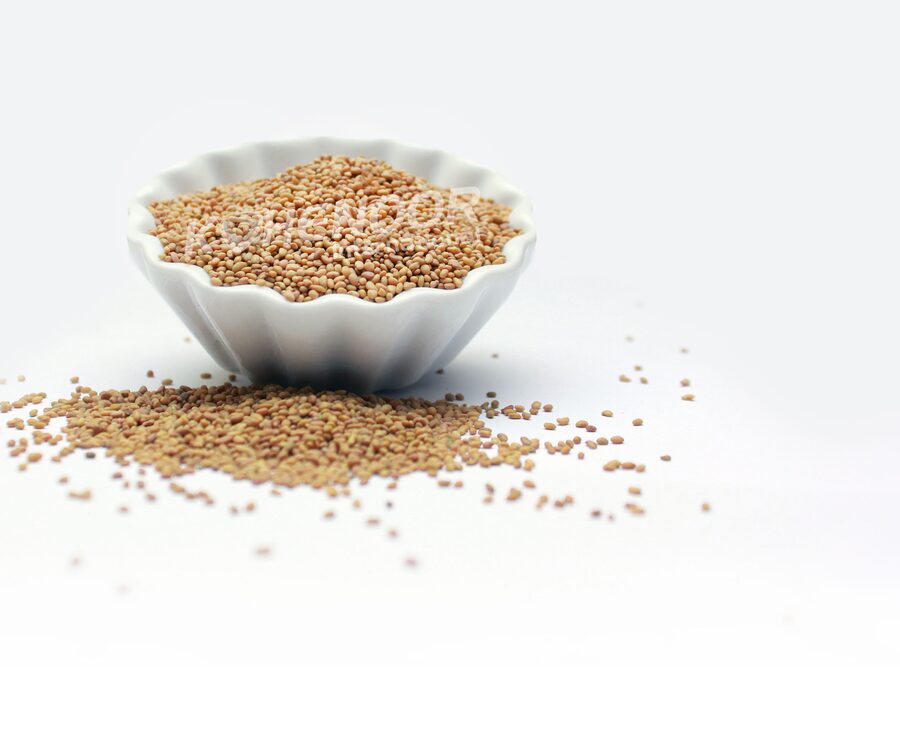
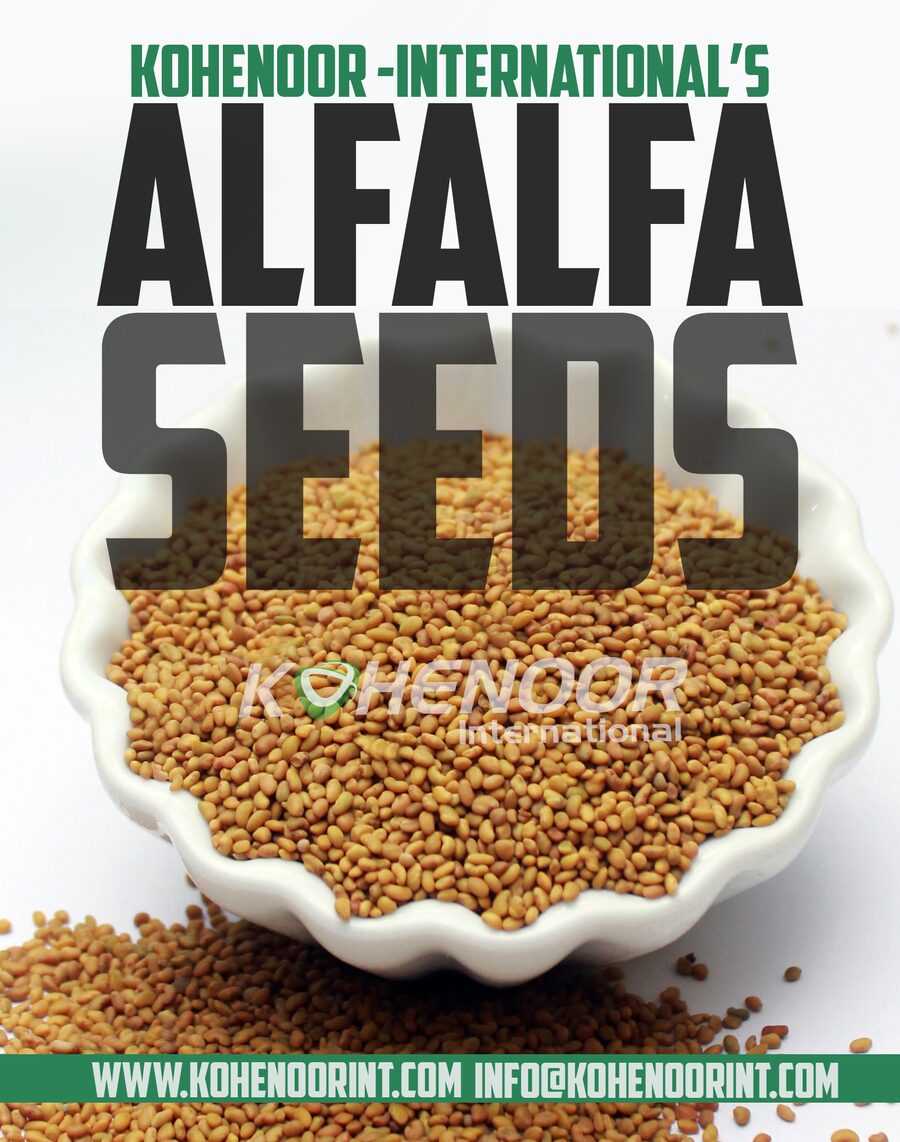
Cleaned alfalfa seed from a Kohenoor lot, uniform in size and colour, the result of a cleaning plant the seed company controls itself

The most useful single question to ask any alfalfa seed supplier is: who cleaned this seed, and where? A company that owns its cleaning line can name the machines, the laboratory and the lot number on the sealed tag; a trader can tell you only what their supplier told them. Both can be honest; only one can be accountable.

The second question is whose variety is it? A protected variety name belongs to a breeder and can be checked against a variety register. A common name, such as the many lots traded as "CUF-101", describes a type rather than a guaranteed genetic identity, and such seed varies enormously. A serious company tells you which you are buying, and a breeder-exporter can describe the breeding, dormancy class and trial sites of its own varieties, as we do for TAIZTAR and KN92.

The third question is who signs the guarantee? Alfalfa seed is sold to a specification: minimum purity, minimum germination, maximum other-crop and weed seed, and, for hot irrigated markets, zero dodder. A company that grew and cleaned the lot puts those figures on its own letterhead; a trader passes on someone else's promise. When a stand fails, that is the difference between a replacement lot and an unanswered email. Our specification page sets out what a complete specification looks like.

How to choose an alfalfa seed supplier: the checks that matter

Whatever type of company you are dealing with, the same checks apply; they cost nothing and remove most of the risk from a purchase that will shape a field for three to five years.

A reputable company answers all of this in a single email; hesitation at this stage is itself a result.

Red flags when buying from alfalfa seed suppliers

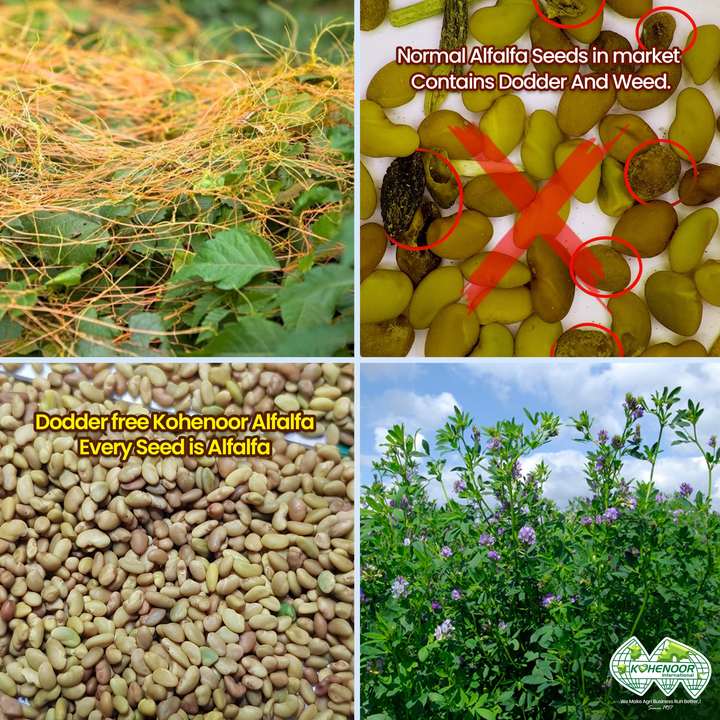
Four views of dodder, the parasitic weed whose seed hides in poorly cleaned alfalfa seed and which a reliable alfalfa seed supplier guarantees against in writing

One of these is a reason to ask more questions; two together are a reason to walk away.

The common thread is information: a supplier who controls the seed loses nothing by giving it; one who does not cannot.

Alfalfa seed supplier evaluation scorecard

Score each supplier two points for a clear pass, one for a partial answer and zero for a fail, and treat a zero on any of the first four rows as disqualifying whatever the total.

CriterionAsk forPassFail
Variety identityVariety name, fall dormancy class, breeder or originNamed variety with FD class and originNo name, or a name with no evidence
Lot certificateISTA Orange Certificate or equivalent for the lot offeredNames the lot; test date within the past seasonSample certificate only, or over a year old
Dodder guaranteeWritten 0% statement for the lot, signed by the cleanerUnconditional, written, lot-specificVerbal, conditional or absent
Purity and germinationContracted minimums on the quotationMinimums written into the offer"Typical" or "approximately" only
Control of cleaningLocation of plant, machine sequence, photos or videoOwn plant, described and shownUnknown or third-party plant, no visibility
Seed formBare or coated; if coated, the coating shareStated on bag and offerNot stated or contradictory
TraceabilitySealed tags, one lot number across all documents, growing region and seasonConsistent on tag, certificate and invoiceHand-written or missing tags
Export documentsSample set from a past shipmentComplete set shown before orderCannot show a past set

Kohenoor publishes its own answers to each row on the why Kohenoor page, so that buyers can score the company on the same sheet they use for everyone else.

International breeder-brand seed and Pakistani-bred varieties compared

Buyers in hot regions usually choose between a branded variety from an international breeding house, sold through a distributor, and a variety bred and exported from Pakistan, bought direct. The table is a guide to what to ask, not a verdict; both have put good stands in the ground.

Point of comparisonInternational breeder-brand seedPakistani-bred varieties (TAIZTAR, KN92) from the breeder-exporter
Bred where, for whereNorth America, Europe or Australia, generally for home markets first; desert non-dormant lines are a minorityBred and trialled in Sindh and Punjab in heat above 45 °C with canal irrigation and saline patches; non-dormant types are the core of the programme
Route to the buyerBreeder → licensed distributor → importer → farm; several margins and hand-offsDirect from the company to the importer or farm; one contact, one invoice
Seed formFrequently coated or treated; bare seed sometimes on requestBare, untreated seed as standard; the weight on the bag is seed
Dodder guaranteeVaries by company and market; not always written into the sale0% dodder guaranteed in writing on every export lot
GM statusDepends on country of production; some origins need a non-GM declarationConventionally bred; Pakistan grows no genetically modified alfalfa
Minimum order and trialSet by the distributorMOQ 5 MT, 1 MT trial accepted; 7–12 days to FOB Karachi for stock lots

Breeder brands offer deep home-market documentation and a long chain; a Pakistani breeder-exporter offers hot-climate genetics and a short one. For a cold temperate farm a dormant variety from a breeder in a similar climate is often the better fit, and Kohenoor will say so when asked.

Where alfalfa seed comes from through the year: harvest seasons and supply

Alfalfa seed is harvested once a year in any region, and because the hemispheres harvest six months apart, world supply has two pulses. Knowing them tells a buyer whether seed on offer is new-crop or carried over. The pattern is general; dates shift with season and district.

Producing regionTypical seed harvestCleaned lots availableNotes for buyers
Pakistan (Sindh, southern Punjab)Late spring to early summerFrom mid-summerReady ahead of the autumn sowing window in the Gulf, Middle East and North Africa
North America (western USA, Canadian prairies)Late summer to early autumnFrom autumnLarge volumes, mostly dormant types; coated seed common
Europe (southern France, Italy, Spain)Late summerAutumnMostly semi-dormant and dormant types for European farms
AustraliaLate summer to autumn (southern hemisphere)From about March to MayNon-dormant and winter-active types; counter-seasonal to the north

Seed sown in the northern autumn — the main window for the Gulf, Egypt, Iraq, Sudan and Pakistan — is best bought from a harvest earlier that year, which means Pakistani or southern-hemisphere seed, or northern seed held over with a fresh germination test. A supplier who can name the harvest season of the lot, with a test date that follows it, is giving you what you need. Sowing windows by country are on our country pages.

Wholesale alfalfa seed suppliers and lucerne seed suppliers: buying in volume

In Britain, Australia, South Africa and much of the Commonwealth the crop is lucerne and buyers search for lucerne seed suppliers. The seed is the same Medicago sativa, traded under HS code 1209.21, and the same checks apply. Our lucerne seed page is written for buyers who use that name.

Wholesale buying — a dairy project, a cooperative, an importer stocking a season — changes the arithmetic. At five tonnes or a container the distributor's margin is a large sum and the information lost in the chain a large risk, so volume buyers are better served at the top of it. Three things mark a genuine wholesale alfalfa seed supplier:

Buyers comparing exporters by country should read our alfalfa seed exporters page.

Where Kohenoor fits among alfalfa seed companies

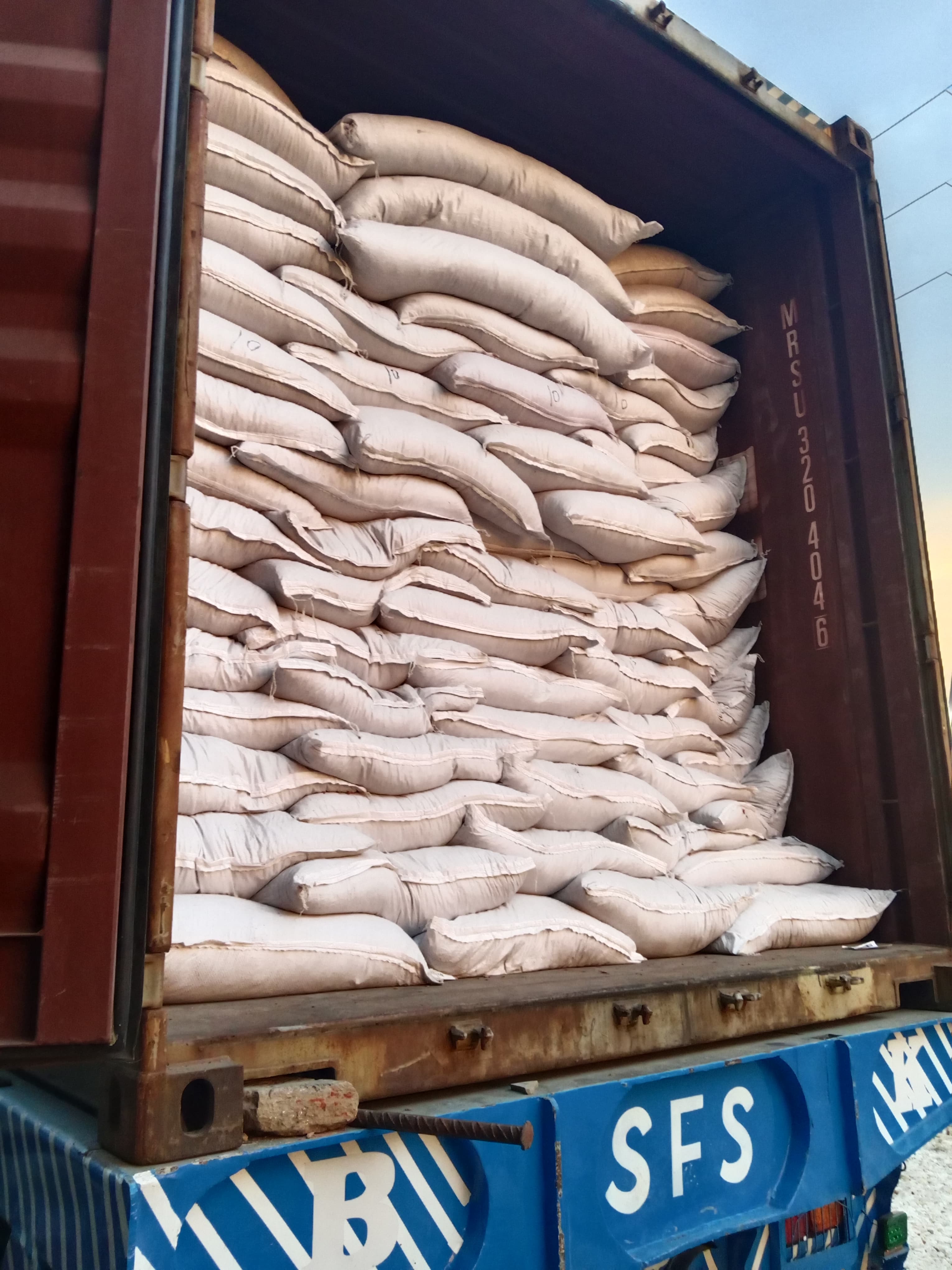
Alfalfa seed being weighed and packed into 25 kg bags at the Kohenoor plant in Hyderabad, Sindh, one company from breeding to export

Kohenoor is a third-generation Pakistani seed company founded in 1957, headquartered in Hyderabad, Sindh, with a second base at Khanewal in Punjab and offices in Dubai and Australia. In the terms of this page it is an exporter with its own cleaning plant that also breeds its own alfalfa varieties through its research arm, Noorani Seeds. One export desk answers for the variety, the seed crop, the cleaning line, the certificate and the container.

The two export varieties are TAIZTAR, a fall dormancy 10 non-dormant alfalfa selected for heat and salinity tolerance and positioned as the modern replacement for CUF-101, and KN92, a fall dormancy 9 cold-tolerant alfalfa for farms with regular frost. Both are supplied as bare, untreated seed at ≥98% purity and ≥85% germination, crude protein 22 to 24%, 0% dodder guaranteed in writing and an ISTA Orange Certificate for every lot. The company is ISO 9001 and HACCP certified, a member of the Australian Seed Federation, and has supplied more than 70 countries.

Kohenoor sells direct, with no agent or dealer between the company and the buyer, whether a 10,000-hectare project, an importing distributor or a farm taking a 1 MT trial. Send your country, quantity, destination port and sowing month by WhatsApp to +92 310 4929292 or email export@kohenoorint.com; the export desk replies within 24 hours with a variety recommendation, lot certificates and a quotation for the lot and destination. The company history is on the about page.

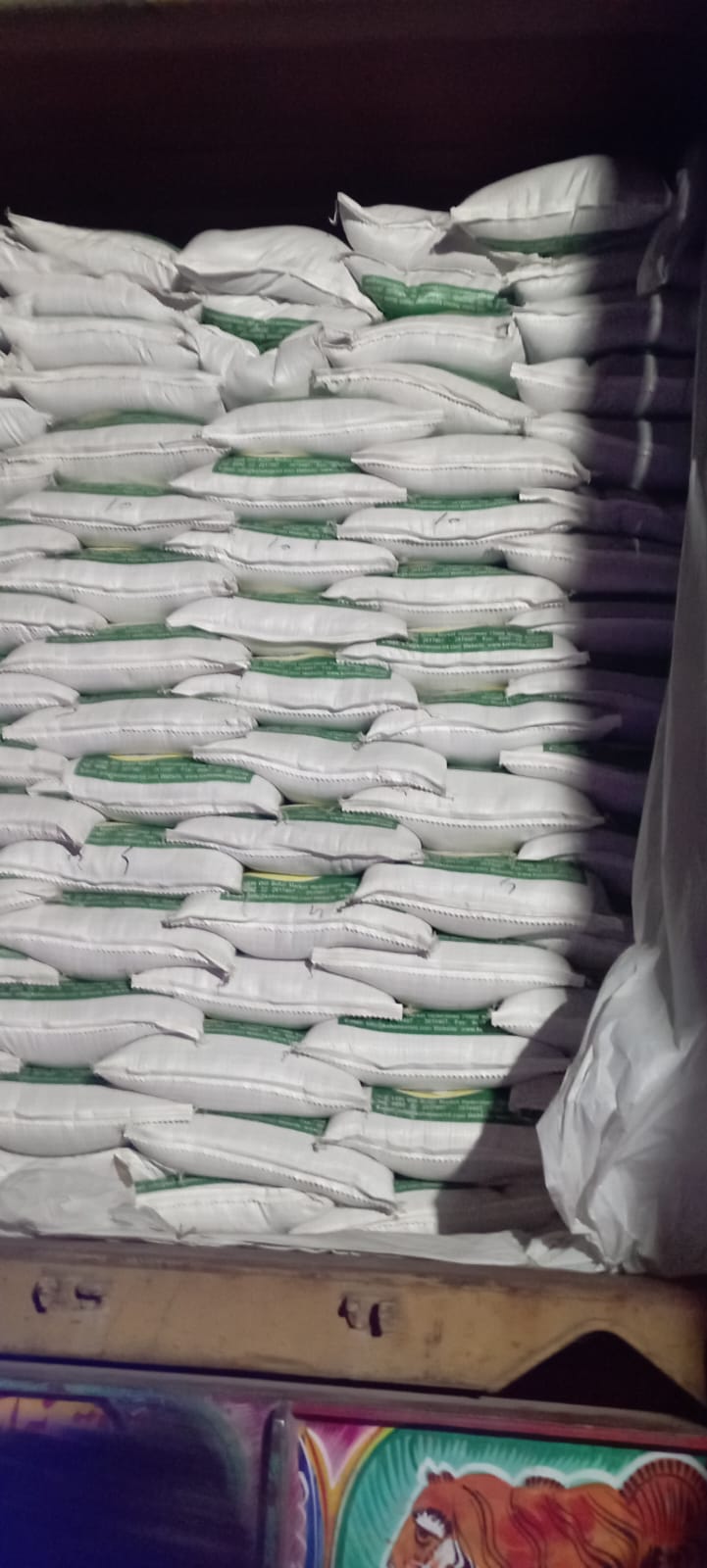
One company across the supply chain: field, seed, bag and container

Go deeper before you choose a supplier

Alfalfa seed specifications
Alfalfa seed specificationsPurity, germination, other seed, moisture, dodder and the documents that prove each figure, lot by lot.
Read the specification →
Alfalfa seed exporters by origin
Alfalfa seed exporters by originThe main exporting countries, what each is known for and how to compare an exporter's offer.
Compare exporters →
TAIZTAR alfalfa seed
TAIZTAR alfalfa seedThe FD10 non-dormant, heat and salinity tolerant variety bred in Sindh as the modern replacement for CUF-101.
Read the variety page →
Buy alfalfa seed in bulk
Buy alfalfa seed in bulkBags, pallets, containers, seed rates and the step-by-step route from enquiry to a loaded container.
See how bulk buying works →

Score us on your own sheet

Send your country, quantity, destination port and sowing month. The export desk replies within 24 hours with a variety recommendation, the ISTA certificate for the lot on offer, a sample export document set and a quotation — direct from the company that bred, grew and cleaned the seed.

export@kohenoorint.com

Frequently asked questions

What is the difference between an alfalfa seed company and an alfalfa seed supplier?

In everyday use the terms overlap, but it helps to separate them. An alfalfa seed company breeds, grows, cleans or tests seed and is accountable for what is in the bag. A supplier is anyone who sells it to you, which may be that company or a trader, distributor or marketplace seller passing on someone else's lot. Ask who cleaned the seed and who signs the specification; the answer tells you which you are dealing with.

How do I verify an alfalfa seed supplier before paying?

Ask for the variety name and fall dormancy class, the ISTA certificate for the specific lot with a recent test date, a written 0% dodder guarantee signed by the cleaner, contracted minimum purity and germination, a statement of bare or coated seed, and a sample set of export documents from a past shipment. Request a video walk-through of the cleaning plant and warehouse if you cannot visit. A genuine company answers all of this in one email.

What should be written on a bag of alfalfa seed?

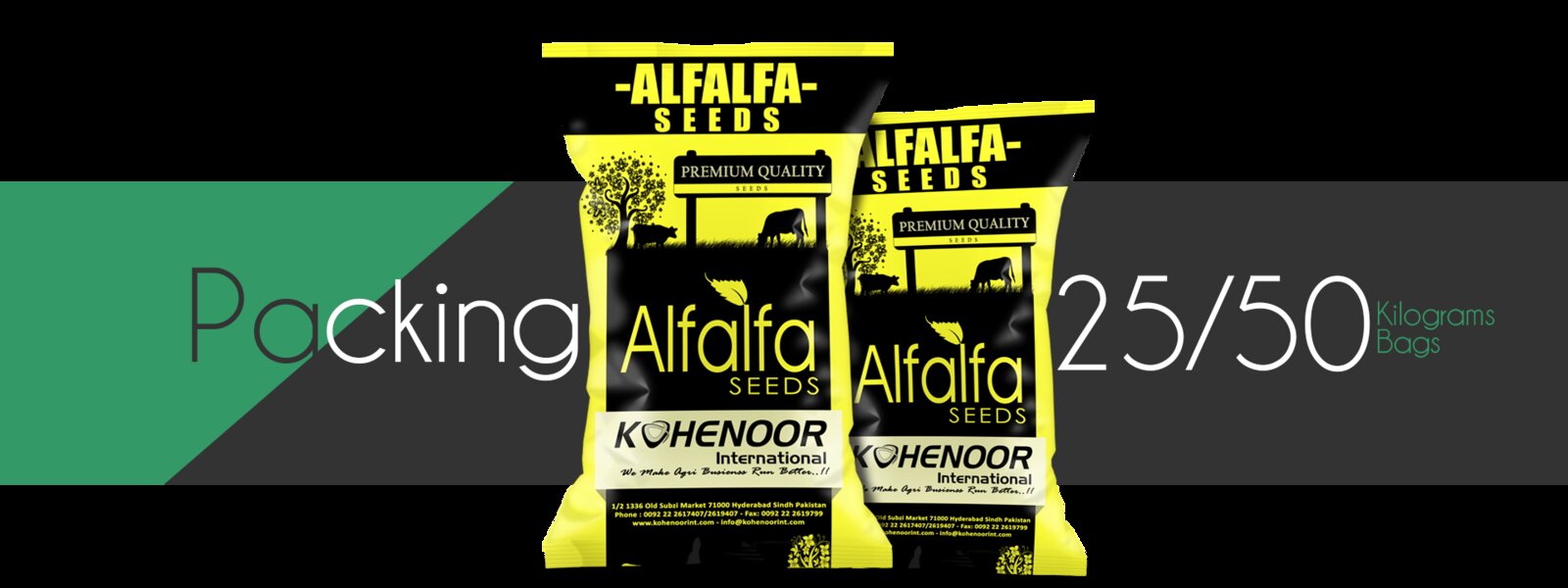
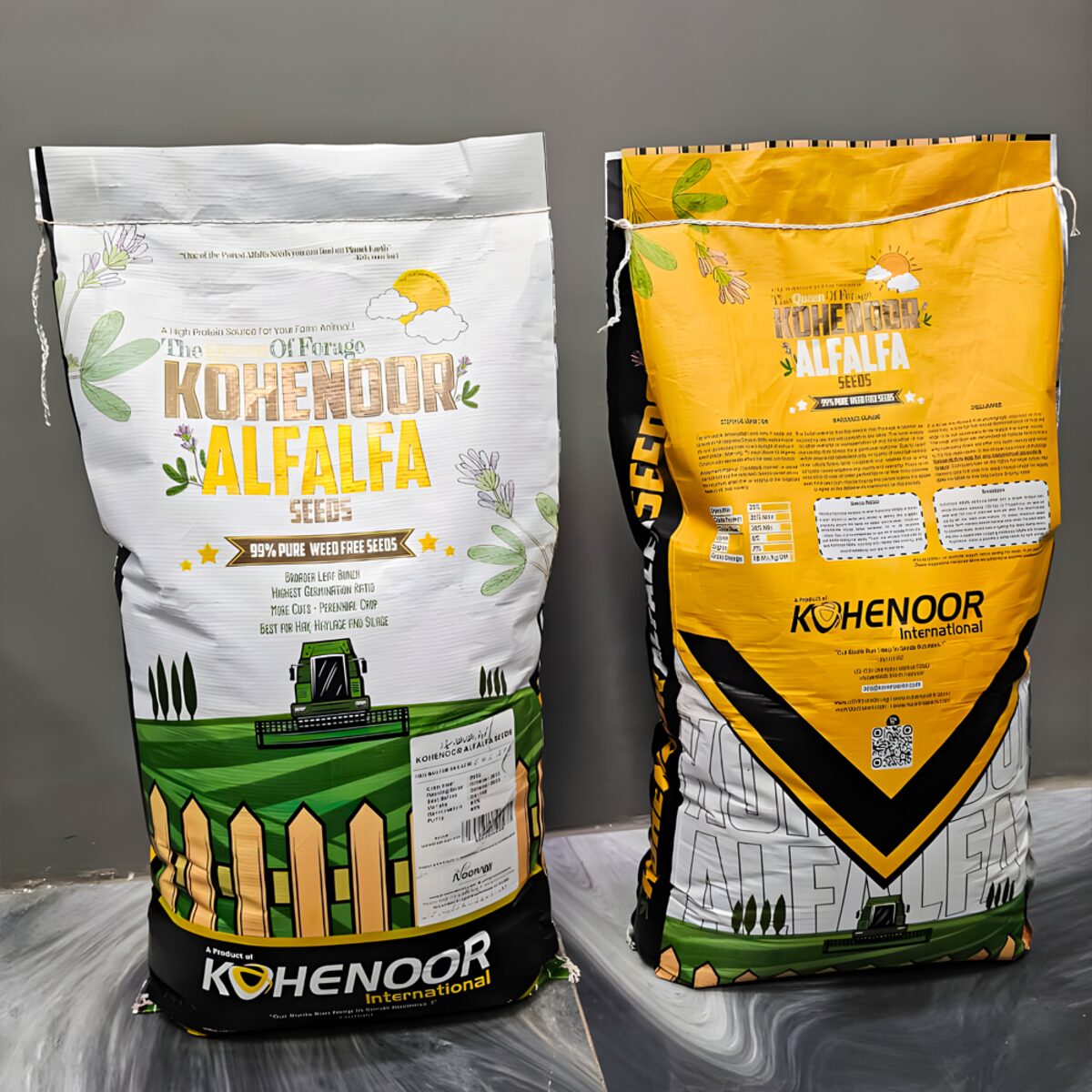
The bag tag should carry the variety name, the lot number, the net weight, whether the seed is bare or coated, the country of origin, and usually the purity and germination figures with the test date. The lot number must match the ISTA certificate and the invoice. Kohenoor seed ships in 25 kg poly-lined woven bags with sealed, lot-numbered tags that trace back to the field and the laboratory report.

Why does an ISTA certificate matter when buying alfalfa seed?

The International Seed Testing Association accredits laboratories and defines the Orange International Certificate, which reports purity, germination, other seed and inert matter for one specific lot sampled under its rules. It is the document importing authorities and serious buyers recognise worldwide. A certificate for your lot, dated within the past season, tells you what you are sowing; a generic sample certificate tells you only that the seller has used a laboratory before.

Are alfalfa seed manufacturers the same as breeders?

Seed is grown rather than manufactured, so "alfalfa seed manufacturer" usually means a company that produces and conditions seed at scale: contract growing, cleaning, testing and bagging. Breeders develop the varieties that producers multiply. Some companies do both; Kohenoor breeds TAIZTAR and KN92 through its research arm Noorani Seeds and produces, cleans and exports the seed from its own plant in Hyderabad, Sindh.

Which alfalfa seed companies supply the Gulf and other hot climates?

Hot irrigated markets are supplied by non-dormant varieties from a few origins: breeding houses in the western United States and Australia, and Pakistani breeder-exporters such as Kohenoor. Whatever the origin, the decisive points for these markets are a fall dormancy class of 9 to 11, selection for heat and salinity, and a written zero-dodder guarantee, because dodder is a quarantine weed and thrives in exactly the warm irrigated conditions alfalfa needs.

Can I buy a trial quantity from an alfalfa seed exporter before a full order?

Reputable exporters expect this request. Kohenoor's standard minimum order is 5 MT, and a 1 MT trial lot is accepted on the same specification, certificate and dodder guarantee as a full container, so a farm can grow TAIZTAR or KN92 beside its current variety for a season before committing a project. Stock lots load FOB Karachi within 7 to 12 days of confirmation, with CFR or CIF to your port on request.

Does Kohenoor sell through agents or dealers in my country?

No. Kohenoor supplies direct from the company to the importer, project or farm, with one contact at the export desk from enquiry to delivery and no agent or dealer in between. Send your country, quantity, destination port and sowing month by WhatsApp to +92 310 4929292 or email export@kohenoorint.com; the desk replies within 24 hours with a recommendation, lot certificates, a sample document set and a quotation for the lot and destination.

Related pages

WA