Alfalfa seed exporters · the global trade explained · since 1957

Alfalfa seed exporters: who exports alfalfa seed, how the trade works and how to choose one

Alfalfa seed exporter Pakistan · forage seeds exporter · lucerne seed exporter · ISTA Orange Certificate per lot · 0% dodder in writing · MOQ 5 MT (1 MT trial) · 7–12 days to FOB Karachi

Every year large volumes of alfalfa seed cross borders on their way to dairy farms, feedlots, seed distributors and government fodder programmes. Behind that trade stands a small number of genuine alfalfa seed exporters and a much larger crowd of traders, brokers and marketplace listings that resell what the exporters produce. This page explains how the trade is structured, which countries export alfalfa seed, what separates an exporter from a middleman, how to vet one before you pay, and how Kohenoor, an alfalfa seed exporter in Pakistan since 1957, runs its export desk from enquiry to bill of lading.

Get a quote in 24h
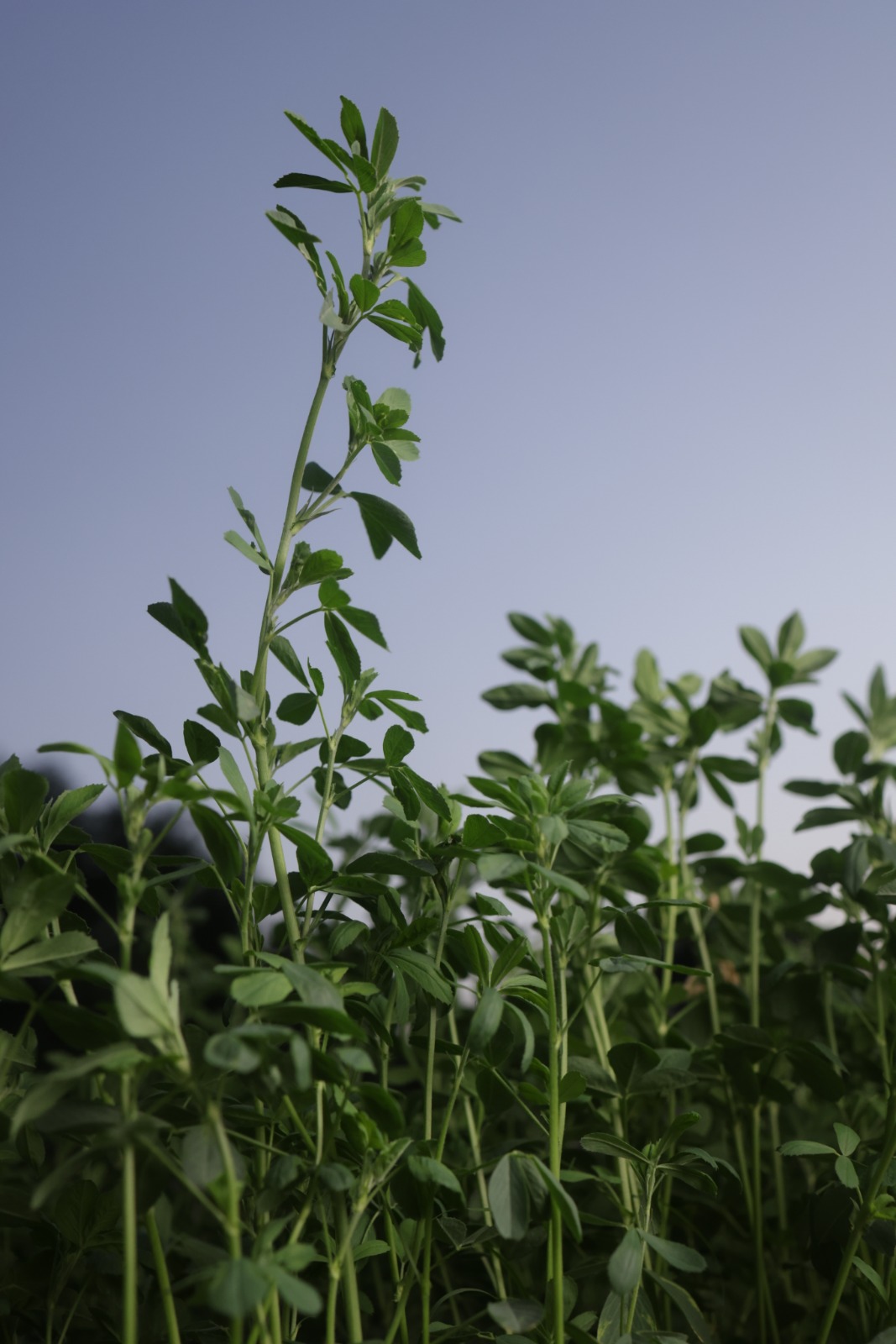
Alfalfa seed production field under irrigation, the starting point of every alfalfa seed exporter's supply chain
In short: Alfalfa seed exporters are companies that grow or contract alfalfa seed, clean it in their own plant, test every lot and ship it with ISTA and phytosanitary certificates under HS 1209.21. The main alfalfa seed exporting countries are the USA, Australia, Canada, Argentina, Europe and Pakistan. Kohenoor, an alfalfa seed exporter in Pakistan since 1957, supplies TAIZTAR and KN92 direct to 70+ countries.
Alfalfa seed exporter since 1957ISTA Orange Certificate per lot0% dodder in writing≥98% purity · ≥85% germinationISO 9001 · HACCPOwn cleaning plant, Hyderabad70+ countries · Pakistan · Dubai · AustraliaQuotation within 24 h
ExporterKOHENOOR International, est. 1957, Hyderabad, Sindh
VarietiesTAIZTAR FD10 non-dormant · KN92 FD9 cold-tolerant
Specification≥98% purity · ≥85% germination · CP 22–24%
CertificatesISTA Orange Certificate per lot · phytosanitary · certificate of origin
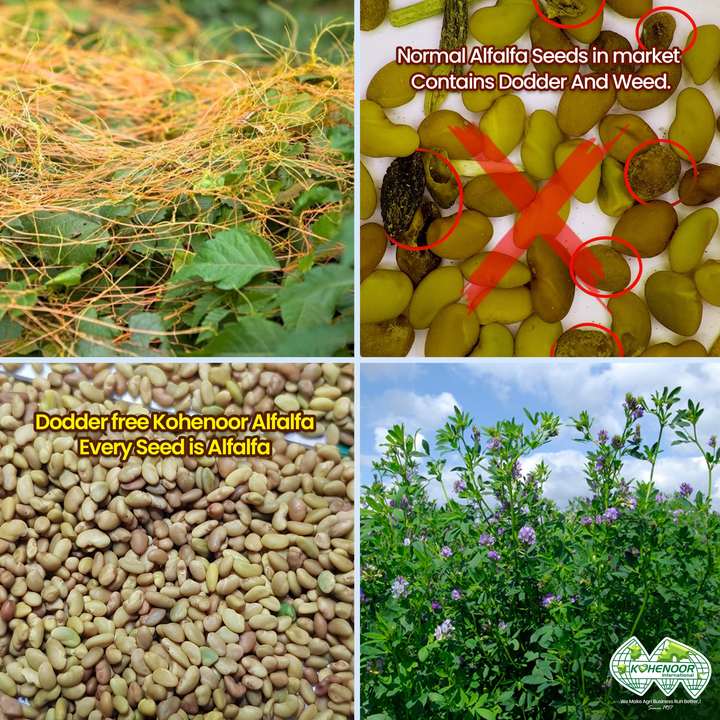
Dodder0%, guaranteed in writing
TermsHS 1209.21 · MOQ 5 MT (1 MT trial) · 7–12 days to FOB Karachi

Who exports alfalfa seed? How the global alfalfa seed trade is structured

Alfalfa seed is a specialised crop. Most of the alfalfa grown in the world is cut for forage and never allowed to flower, so the seed that farmers sow comes from a few dedicated seed-production regions where the plant is left to bloom, pollinated by managed bees, harvested, dried and cleaned. Those regions share a profile: a dry, sunny summer at flowering and harvest, irrigation, long rotations that keep weed seed out of the fields, and a seed industry with laboratories and certification schemes behind it. That is why the question who exports alfalfa seed has a shorter answer than most buyers expect.

The trade runs in three layers. At the top are the producers and exporters: companies that breed or license varieties, contract farmers to multiply them, run the cleaning plants and sign the lot certificates. Below them sit the importing distributors in each destination country, who clear the goods, hold stock and sell to farms and cooperatives. Between and around those two layers is a wide band of traders, brokers and marketplace listings that buy and resell finished seed, sometimes adding real value in finance or logistics, sometimes only adding a margin. A buyer who understands which layer a counterparty belongs to has already avoided most of the problems in this trade.

Alfalfa exporters also differ in what type of seed they ship. Temperate producers export mostly dormant and semi-dormant varieties, fall dormancy 3 to 7, bred for farms with a real winter. A smaller group, including Kohenoor, exports non-dormant varieties, fall dormancy 9 to 11, bred for frost-free hot climates. The two are not interchangeable, so knowing which type your farm needs shortens the list of relevant alfalfa seed exporters before you send a single enquiry.

Alfalfa seed exporting countries: USA, Australia, Canada, Argentina, Europe and Pakistan

The following table describes the principal alfalfa seed exporting countries in general terms as of 2026. Volumes shift from year to year with weather, stocks and currency, so no figures are given; treat the notes as orientation, and confirm the current picture for any origin with the exporter you are talking to.

OriginTypical seed typeWhat it is known forNotes for importers
United StatesDormant to non-dormant; very wide range of proprietary varietiesThe largest and most diverse source, with strong certification and large seed companiesLong sea freight to Africa and Asia; many varieties are proprietary and sold through licensed channels
AustraliaSemi-dormant to highly winter-active (non-dormant) varietiesWinter-active lucerne bred for hot, dry conditions; strong seed-quality systemsNatural supplier to South-East Asia and the Gulf; the Australian Seed Federation sets industry standards
CanadaDormant, winter-hardy varietiesCold-tolerant seed for northern and continental climatesBest fit for Central Asia, Eastern Europe and highland regions
ArgentinaSemi-dormant to non-dormantA major Southern Hemisphere producer serving Latin America and beyondCounter-season harvest can fill gaps when Northern Hemisphere stocks are short
Europe (France, Italy, Spain and others)Dormant to semi-dormant, Mediterranean typesCertified seed under the EU scheme, Mediterranean varietiesClose to North Africa and the Middle East by sea; EU certification is widely recognised
PakistanNon-dormant, FD 9 to FD 10, heat and salinity tolerantSeed bred and multiplied in Sindh, one of the hottest alfalfa environments anywhereShort sea routes to the Gulf, East Africa and South-East Asia; Kohenoor is the established alfalfa seed exporter here since 1957

Two patterns in the table matter for a buyer. First, the climate in which seed was bred and multiplied tends to match the climate it performs in, which is why a Gulf or East African farm looks first at Australian and Pakistani non-dormant seed while a farm in Kazakhstan looks at Canadian or northern European dormant seed. Second, distance and sailing frequency decide how fast a replacement lot can arrive if something goes wrong. Kohenoor's destination markets, with notes on documents and sowing windows, are on the country pages.

Alfalfa exporters, forage seeds exporters and lucerne seed exporters: one trade, several names

Search for a supplier and you will meet the same companies under different labels. An alfalfa seeds exporter in the Americas, the Middle East and most of Asia is a lucerne seed exporter in Australia, New Zealand, South Africa, the United Kingdom and much of anglophone Africa; the plant is the same, Medicago sativa, and the HS code is the same, 1209.21. Kohenoor's lucerne seeds page exists for buyers who grew up with that word.

A forage seeds exporter is a broader category: a company that ships several fodder species, typically alfalfa, Rhodes grass, berseem clover, sorghum and Sudan grass, millet and improved Napier types. Most serious alfalfa exporters are forage seeds exporters as well, because the farms they supply need a full programme, not a single species, and because an importer prefers one phytosanitary certificate, one container and one set of documents for a mixed order. Kohenoor supplies alfalfa together with Rhodes grass, berseem, Sesbania, sorghum and Baymisaal Super Napier, all from the same desk and under the same lot-tagging system.

The label to be careful with is simply alfalfa exporters without the word seed. Alfalfa hay and pellets are exported in far larger tonnages than seed, by different companies under different HS headings, and a hay exporter is not a seed exporter. A listing that mixes the two, or offers hay, seed, dates and tractors from one page, is almost always a trader rather than a producer.

What separates a real alfalfa seed exporter from a trader

The difference between an exporter and a trader is not size or website quality. It is control of the seed. A genuine alfalfa seed exporter can show you five things that a trader has to borrow from someone else.

Alfalfa seed being weighed and bagged on the exporter's own packing line in Hyderabad, Sindh

None of this means traders are dishonest. The point is that a trader's documents are only as good as the exporter behind them, so a buyer should always ask which exporter grew and cleaned the lot, and expect to see that name on the ISTA and phytosanitary certificates.

Exporter vs trader vs marketplace listing: a comparison

The table sets out, in plain terms, what you can and cannot expect from the three kinds of counterparty you will meet when searching for alfalfa seed exporters.

QuestionProducer-exporterTrader or brokerMarketplace listing
Who grew and cleaned the seed?The company quoting youA third party, named or notOften unknown until after payment
ISTA certificateIssued for the lot shipped to youUsually passed on from the exporter; check the lot numberFrequently missing or generic
Phytosanitary additional declarationsArranged directly with the inspectorDepends on the exporter's cooperationRarely addressed
Dodder guaranteeIn writing, on the contractSecond-handVerbal at best
Variety identityNamed variety and dormancy classNamed if the exporter named itOften a generic description
Sample before orderSealed sample from the lotUsually possibleSometimes
Trial quantityKohenoor: 1 MT against a 5 MT minimumVariesVaries
After-sales responsibilityClear: one companyShared between two partiesPlatform dispute process, if any
Typical advantageControl, traceability, consistent specificationMixed orders, finance, local presenceFast price comparison

Marketplace listings deserve a specific caution. A listing is a piece of text, not a company, and several listings on one platform may trace back to one exporter or to none. Treat a listing as a lead: ask who the exporter of record will be on the phytosanitary certificate, then vet that company with the checklist below.

How to vet an alfalfa seed exporter before you pay: a document checklist

Vetting an exporter does not require a visit, though Kohenoor welcomes them. It requires asking for the right documents in the right order and reading them against each other. The checklist below is what the export desk would ask of any supplier it did not know, and it applies equally to Kohenoor.

  1. Company identity. Registered name, address, year established, the names of its offices and the names on its certifications. Check that the entity on the quotation is the same entity that will appear on the invoice and the phytosanitary certificate. Kohenoor's details: KOHENOOR International, established 1957, head office Hyderabad, Sindh, Pakistan, with offices in Khanewal, Dubai and Australia; ISO 9001, HACCP, Australian Seed Federation member.
  2. Variety and specification sheet. Variety name, fall dormancy class, minimum purity, minimum germination, maximum other crop and weed seed, dodder guarantee, crude protein range, seed rate. Vague wording here, such as a generic type without a dormancy class, is the first warning sign.
  3. Current ISTA Orange Certificate. For the lot being offered, not an old lot. Check the lot number, the test date, the laboratory and the figures against the specification sheet. Germination falls with age, so a certificate more than a few months old should be refreshed before shipment.
  4. Sample and certificate of analysis. Ask for a sealed sample drawn from the offered lot and a certificate of analysis. Have the sample tested at a laboratory in your own country if you can; the small cost buys certainty. Kohenoor issues a certificate of analysis within 24 hours of request and sends samples by courier.
  5. Phytosanitary wording. Send the exporter the exact import conditions from your plant-quarantine authority and ask it to confirm in writing that it can obtain each additional declaration. An exporter that cannot answer this clearly cannot export to you, whatever its price.
  6. Trial lot. Buy a trial quantity first. Kohenoor accepts 1 MT against its 5 MT minimum precisely so that a new buyer can see the seed, the bags, the documents and the germination in its own field before the main order.
  7. References to documents, not people. A list of customer names proves little and often cannot be checked. Ask instead for anonymised copies of recent phytosanitary certificates or bills of lading to your region, with commercial details hidden. They show that the exporter has actually shipped the product to a country with rules like yours.
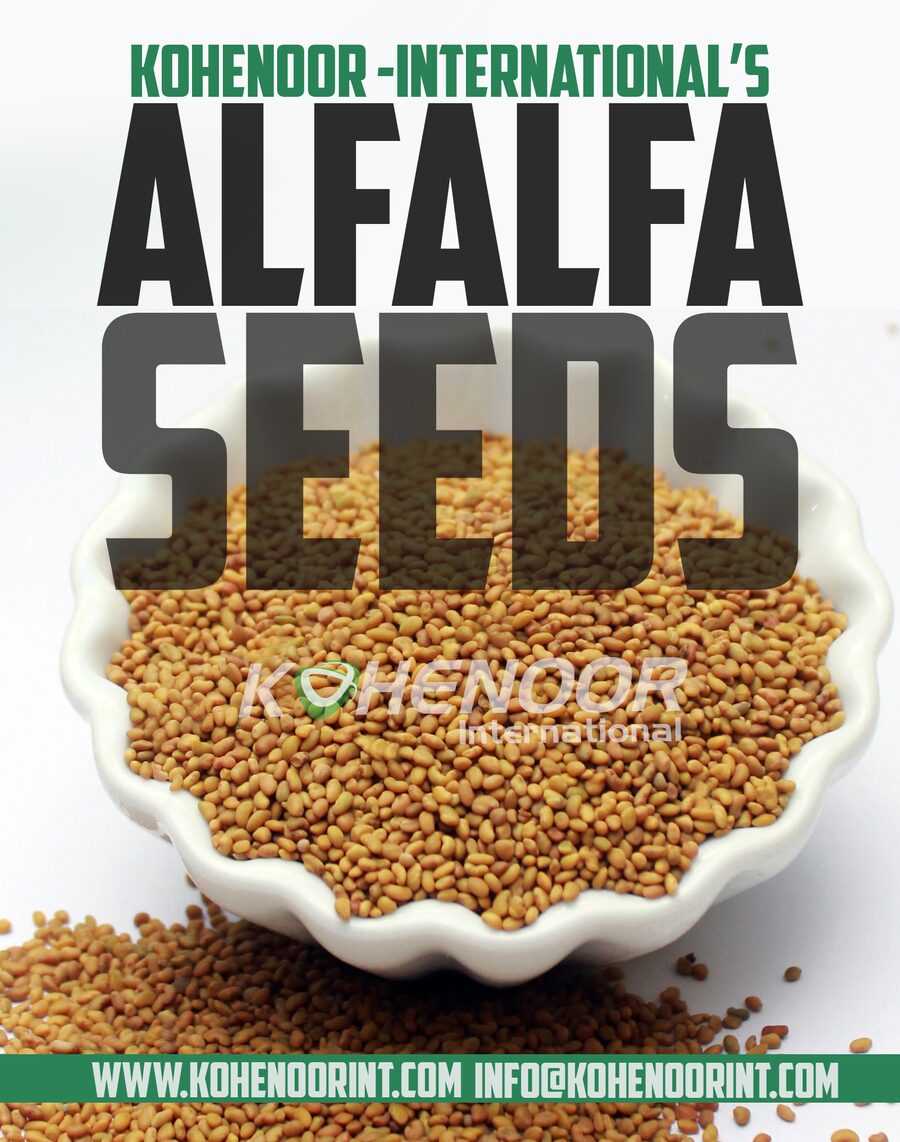
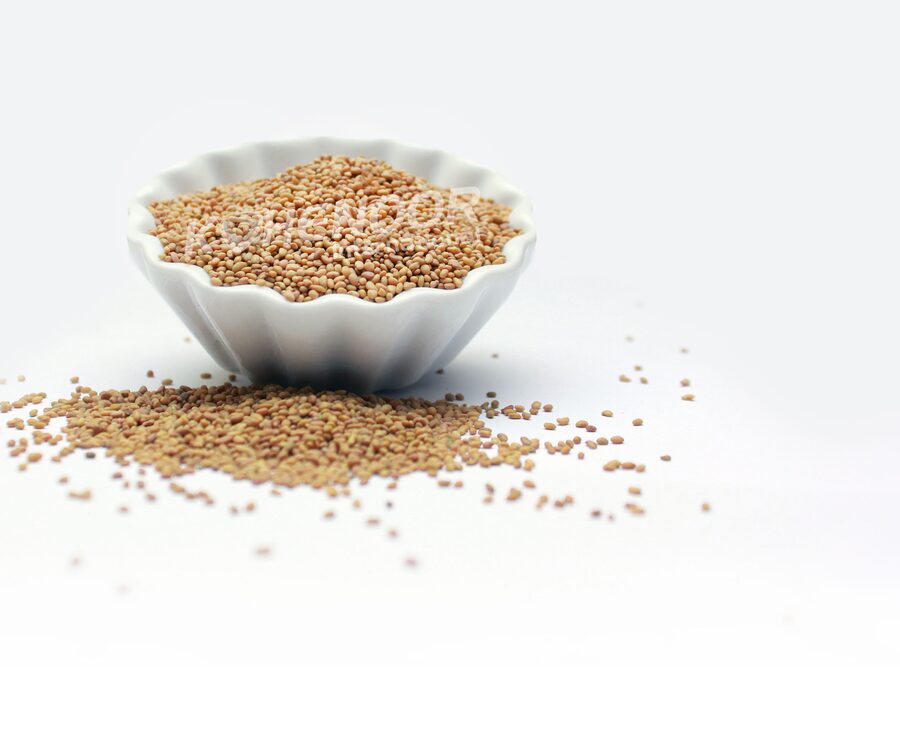
Close-up of cleaned alfalfa seed from a sealed export lot, the kind of sample a buyer should test before ordering

Finally, compare quotations on the same basis: same quantity, Incoterm and destination port, with inclusions stated. The alfalfa seed price page explains what moves a quotation and why no serious exporter publishes a list figure; the bulk buying page covers how volume changes the conversation.

Alfalfa seed exporter Pakistan: why non-dormant seed from Sindh suits hot climates

Pakistan is not the largest of the alfalfa seed exporting countries, but it occupies a place the large ones do not. The alfalfa seed grown in Sindh and southern Punjab is multiplied in summers that pass 45 °C, under canal irrigation that carries salt, on farms that never see frost. Seed selected and multiplied under those conditions for decades is, by selection, non-dormant, heat tolerant and salinity tolerant, which is exactly what a farm in Saudi Arabia, Oman, Sudan, Kenya's lowlands, southern Iraq or coastal Peru needs and what temperate seed from Canada or northern Europe is not.

Kohenoor's two export varieties express this. TAIZTAR is a fall dormancy 10 non-dormant alfalfa bred on modern genetics for heat and salinity tolerance, positioned as the replacement for CUF-101, the late-1970s variety still planted across many hot regions. It keeps growing through warm months, regrows quickly after each cut and carries crude protein of 22 to 24% in well-managed forage. KN92 is a fall dormancy 9 cold-tolerant alfalfa for farms where winter frosts are regular: highland and northern areas of the same regions, Central Asia, the Anatolian plateau, the Andes. Both are supplied at ≥98% purity, ≥85% germination and 0% dodder in writing.

Geography adds a second advantage. Karachi is a few days' sailing from Jebel Ali, Dammam, Sohar and Salalah, under two weeks from Mombasa and Dar es Salaam, and on direct services to South-East Asian ports, so a replacement or top-up lot can arrive within the same sowing window and the seed spends less time in a hot container. Kohenoor's offices in Dubai and Australia support buyers in the Gulf and the Pacific directly, and the company has supplied 70 or more countries since 1957.

Pakistan also carries the reputation problems of any origin with many small traders. The answer, again, is to vet by documents: an alfalfa seed exporter in Pakistan that shows its ISTA lot certificate, its cleaning plant, its written dodder guarantee and the variety it bred is a different proposition from a listing offering unnamed seed by the bag. The export desk page sets out what Kohenoor puts in writing.

Kohenoor's export desk process, step by step

This is how an order moves through Kohenoor's export desk. The sequence is the same for a 1 MT trial and a multi-container tender; only the timing of the later steps changes with quantity and vessel availability.

EnquiryYou send destination port, quantity, sowing month, the type of farm and any phytosanitary conditions by WhatsApp to +92 310 4929292 or email to export@kohenoorint.com. One named person at the desk owns the file from here.
Specification and quotation within 24 hoursThe desk replies with a variety recommendation, TAIZTAR or KN92, the specification sheet, the current ISTA Orange Certificate for the offered lot, and a quotation for your quantity and Incoterm. No figures are published on this site; every quotation is per lot and destination.
Sample and certificate of analysisOn request a sealed sample from the lot goes out by courier with a certificate of analysis issued within 24 hours. Test it in your own country if you wish; the desk will wait for your result.
Trial lot or full orderConfirm 1 MT as a trial or 5 MT and above as a standard order. The proforma invoice fixes variety, lot, quantity, packing, Incoterm, documents and payment terms.
ISTA, phytosanitary and certificate of originThe lot is re-sampled if the existing certificate is not recent, inspected by the plant protection authority for the phytosanitary certificate with your additional declarations, and the certificate of origin is issued by the chamber.
Seven to twelve days to FOB KarachiStock lots are bagged, tagged, palletised where required, trucked to Karachi and stuffed into the container within 7 to 12 days of order confirmation. Photographs of the loading are sent to you.
Shipping documentsBill of lading, commercial invoice, packing list, ISTA certificate, phytosanitary certificate, certificate of origin and the written dodder guarantee are sent as scans on sailing and as originals by courier or through the bank, depending on the payment terms agreed.
After arrivalThe same desk stays on the file for arrival checks, any questions from your quarantine authority, and agronomy support for sowing and establishment.

Everything above is handled by Kohenoor itself, with no dealer or agent between the company and the importer, so responsibility stays in one place.
Packing, containers and payment terms from an alfalfa seed exporter

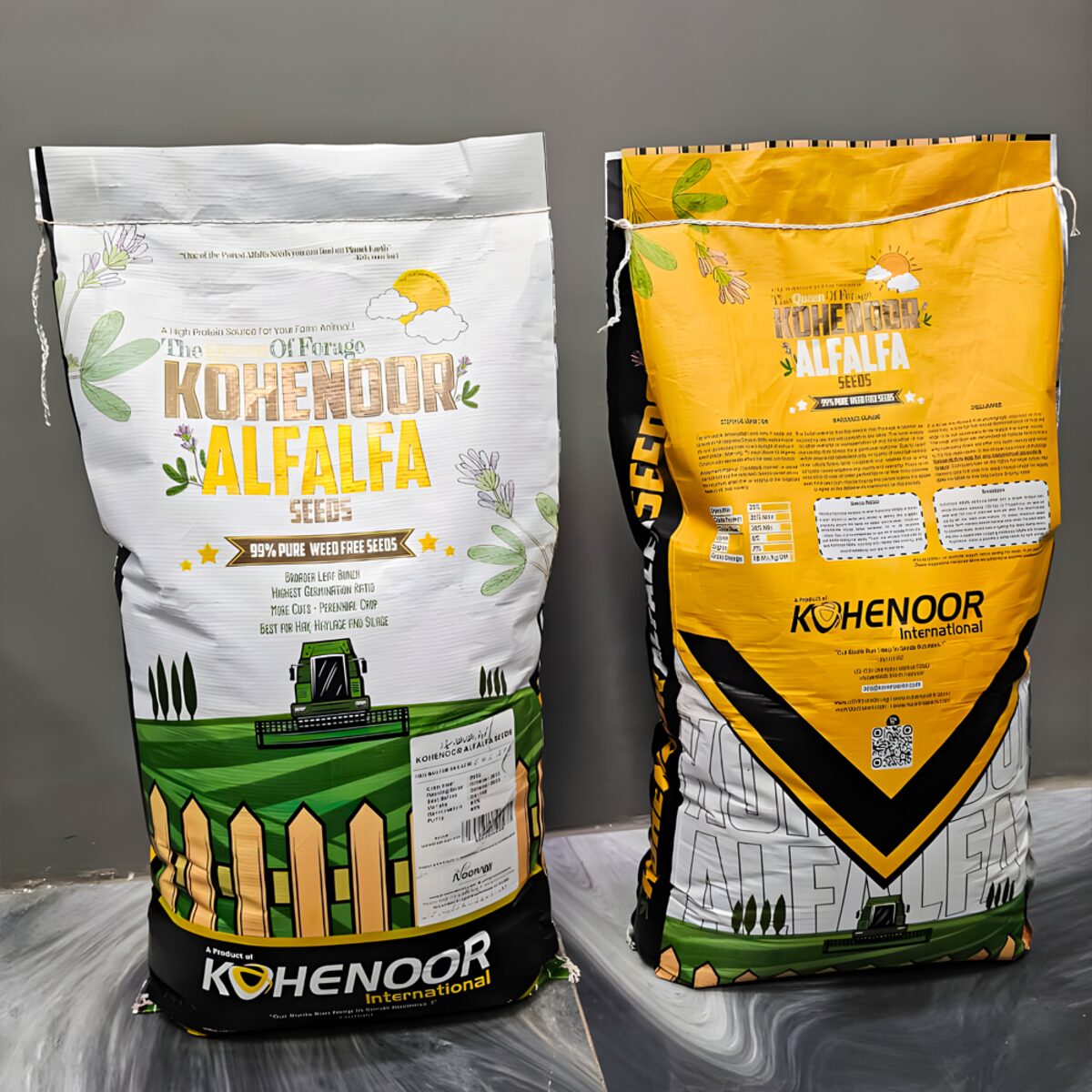
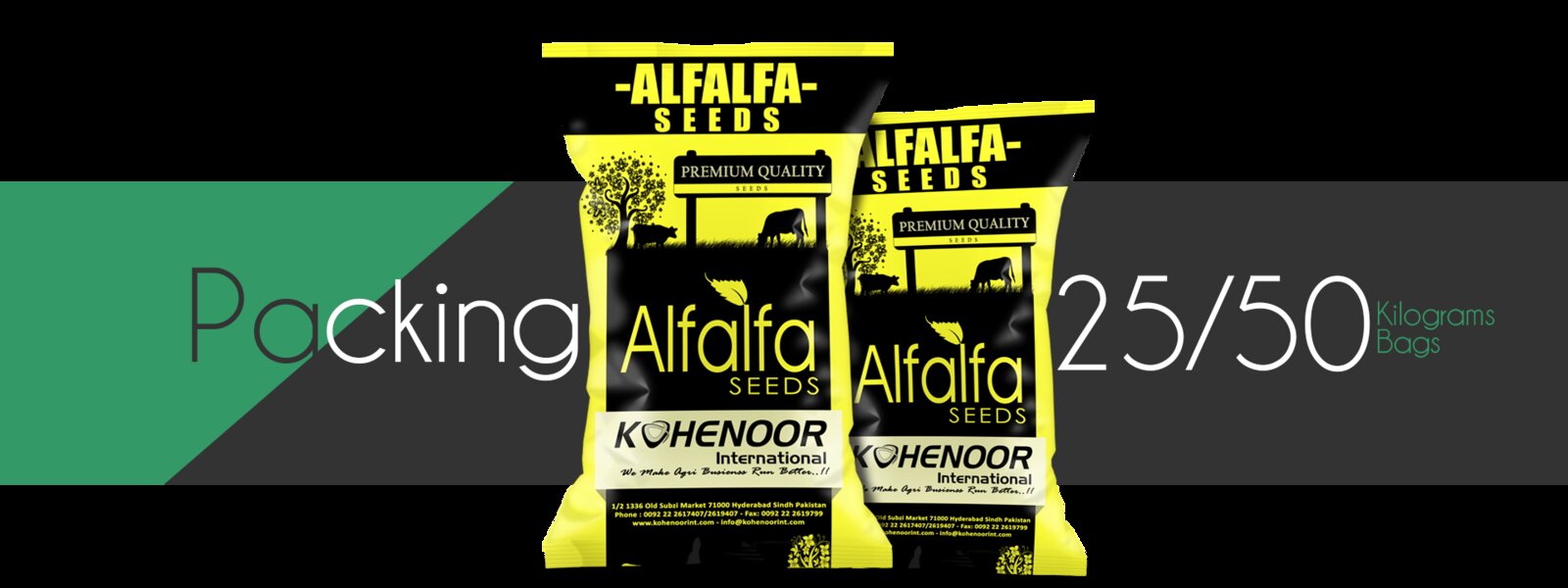
Packing. Kohenoor alfalfa seed ships in 25 kg poly-lined polypropylene woven bags, each carrying a sealed tag with the variety, lot number, net weight and the test reference that matches the ISTA certificate. Bags can be palletised and shrink-wrapped where the destination requires it; many Gulf and African importers prefer loose-stowed bags to maximise the container payload. Other bag sizes and private labelling are possible on request for distributors. The packing and shipping page has photographs and the full description.

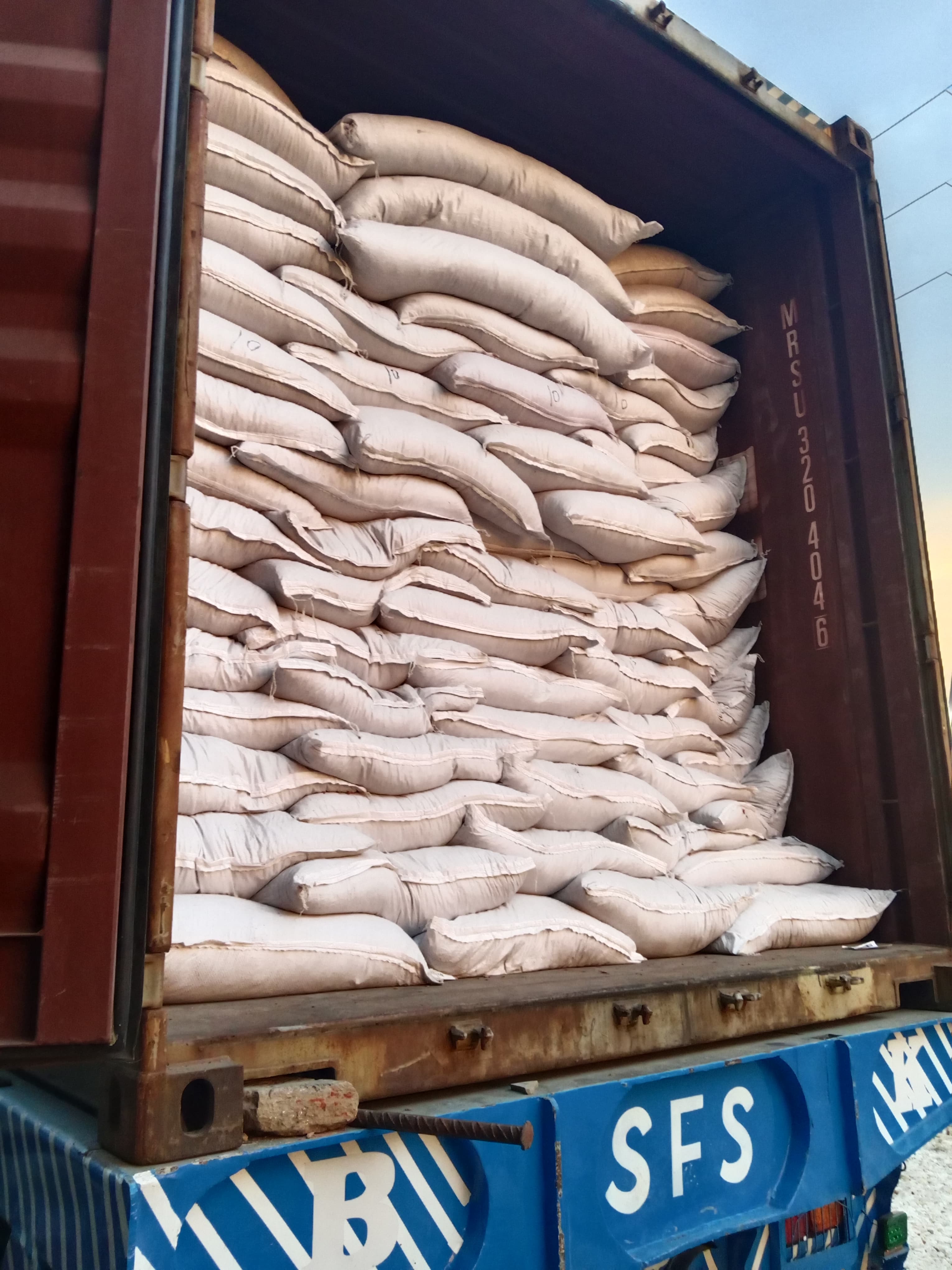
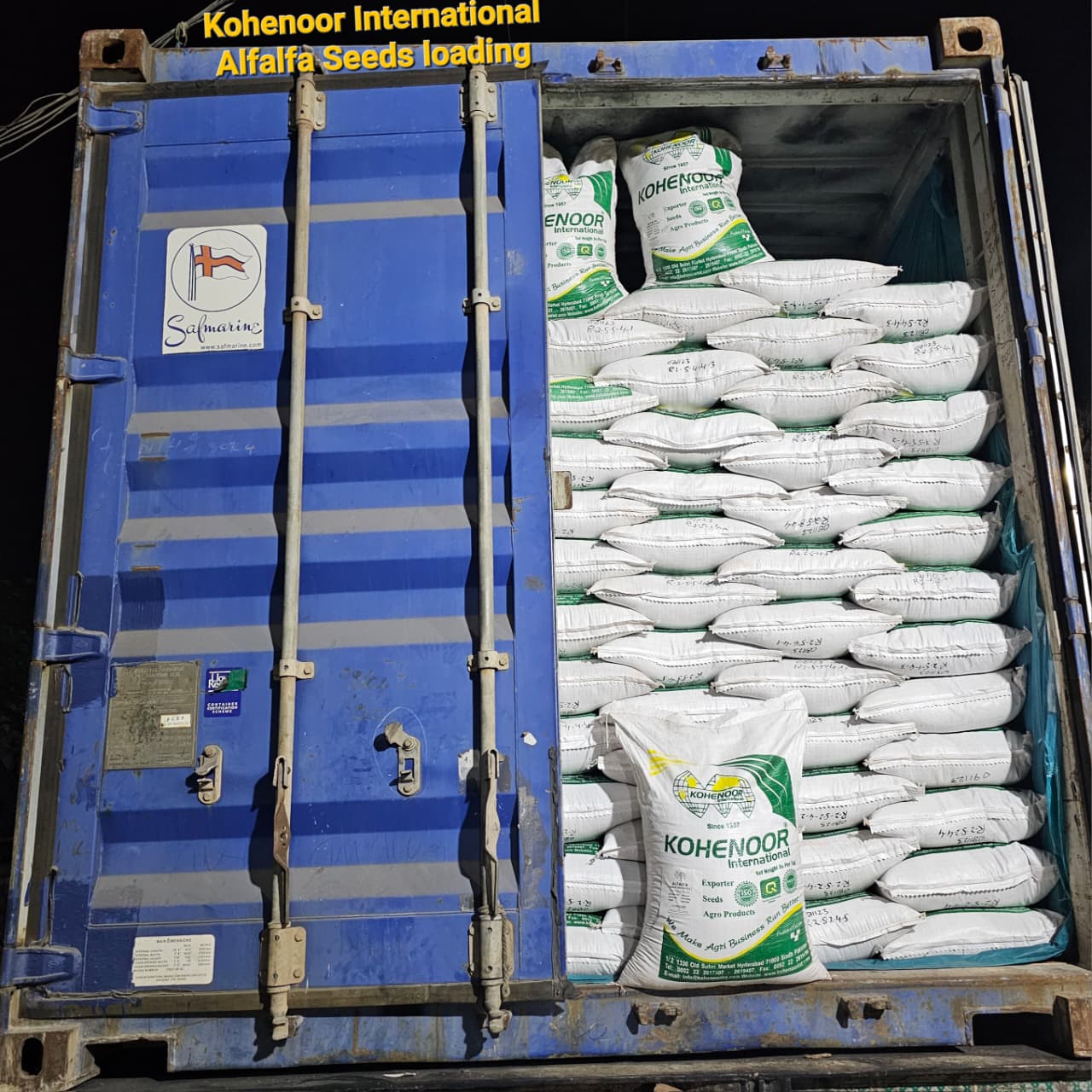
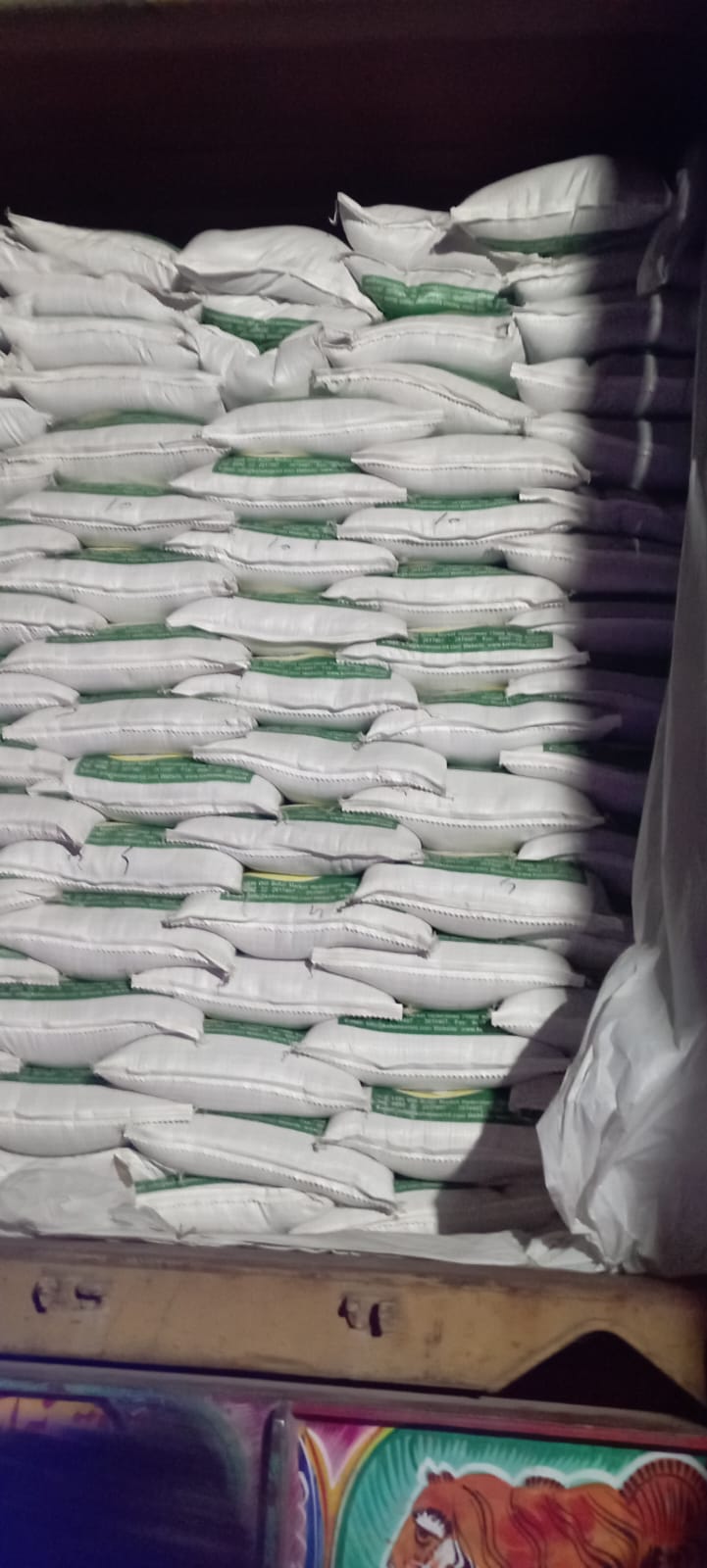
Bagged alfalfa seed being loaded into a shipping container at Karachi by the exporter

Containers. Seed is dense, so a 20-foot container reaches its road-weight limit long before it is full. A 20-foot box typically carries in the region of 18 to 20 MT of alfalfa seed in 25 kg bags, which is 720 to 800 bags; a 40-foot container offers more volume but often the same road-weight ceiling at destination. Smaller orders, including the 1 MT trial, travel as LCL groupage or, where urgent, by air. Confirm payload limits with your forwarder.

Payment terms. In general terms, new buyers are offered telegraphic transfer against shipping documents or an irrevocable letter of credit at sight; established buyers are offered easier terms as the relationship develops, and tenders follow their own conditions. The exact terms appear on the proforma invoice. Alfalfa seed holds its germination for 18 to 24 months in cool, dry storage, so an importer can buy a season's requirement in one shipment and draw it down.

Incoterms. Kohenoor quotes FOB Karachi as standard and CFR or CIF to your port on request. The buyer's side of these choices, including who insures, who clears and who pays destination charges, is explained in the alfalfa seeds importers guide.

Where alfalfa seed exporters ship: destinations by region

Demand for imported alfalfa seed follows dairy, camel and feedlot development in regions that cannot grow enough of their own seed. The regions below are where Kohenoor's export desk works most; each has its own quarantine rules, sowing windows and variety fit, covered country by country on the countries hub.

Across all of these regions the enquiries follow one pattern: a buyer has been burnt by unnamed seed carrying dodder, or is planning a new farm and wants a supplier it can hold responsible. Both lead to the same answer: buy from an exporter that controls the seed and signs the documents itself.

What to send alfalfa seed exporters to get a quotation within 24 hours

The fastest way to a useful quotation is a complete enquiry. Whether you write to Kohenoor or any other alfalfa seeds exporter, these details let the desk answer fully on the first reply.

Company and country:
Destination port and preferred Incoterm (FOB Karachi / CFR / CIF):
Quantity (MT) and whether a 1 MT trial is wanted first:
Variety or dormancy class needed (TAIZTAR FD10 non-dormant / KN92 FD9 cold-tolerant / advise me):
Sowing month and farm type (dairy, camel, feedlot, seed distribution, tender):
Coldest winter night and any soil or water salinity readings:
Phytosanitary conditions or import permit wording from your plant-quarantine authority:
Packing preference (25 kg bags loose / palletised / private label):
Payment terms you normally work with:

Send it by WhatsApp to +92 310 4929292 or by email to export@kohenoorint.com. The export desk replies within 24 hours in English, Arabic, Spanish or French with the recommendation, the quotation for your lot and destination, the current ISTA Orange Certificate, the written 0% dodder guarantee and a sailing schedule. Everything comes direct from the company that grows, cleans and ships the seed, with one contact from the first message to the bill of lading.

An alfalfa seed exporter's chain: field, cleaning line, bags and container

Go deeper: the export desk, the varieties and the importer's side

Alfalfa seed exporter — the Kohenoor export desk
Alfalfa seed exporter — the Kohenoor export deskSpecification, lot documents, minimums and lead time from the company that grows, cleans and ships the seed.
Open the export desk →
TAIZTAR alfalfa seed
TAIZTAR alfalfa seedVariety profile of the FD10 non-dormant, heat and salinity tolerant alfalfa that replaces CUF-101 on hot farms.
Read the variety page →
Dodder-free alfalfa seeds
Dodder-free alfalfa seedsWhy 0% dodder in writing is the single most important line in an exporter's offer, and how Kohenoor backs it.
Read more →
Alfalfa seeds importers guide
Alfalfa seeds importers guideThe buyer's side of the same trade: permits, phytosanitary rules, HS 1209.21, Incoterms, container maths and arrival checks.
Read the importers guide →

Vet us the way this page tells you to vet any alfalfa seed exporter

Ask for the current ISTA lot certificate, the dodder guarantee in writing, a sealed sample and the phytosanitary wording your plant-quarantine authority needs. The export desk sends them with a quotation within 24 hours — direct from the company, one contact, no agent in between.

export@kohenoorint.com

Frequently asked questions

Who exports alfalfa seed?

Alfalfa seed is exported by seed companies that grow or contract the crop, clean it, test it and ship it with phytosanitary and ISTA certificates. The largest alfalfa seed exporting countries are the USA, Australia, Canada and Argentina, with smaller volumes from Europe and Pakistan. Kohenoor is a Pakistani alfalfa seed exporter established in 1957 that supplies non-dormant TAIZTAR and cold-tolerant KN92 seed to buyers in more than 70 countries.

Which are the main alfalfa seed exporting countries?

In general terms the trade is led by the USA, Australia, Canada and Argentina, which produce most of the certified dormant and semi-dormant seed, followed by several European countries and Pakistan. Pakistan's contribution is non-dormant seed from Sindh and southern Punjab, bred for heat and salinity, which suits the Gulf, Africa, South and South-East Asia and other frost-free regions better than seed bred for temperate winters.

Is an alfalfa seed exporter in Pakistan a reliable source?

Judge any exporter, in Pakistan or elsewhere, by its documents rather than its country. A reliable alfalfa seed exporter in Pakistan shows you its own cleaning plant, an ISTA Orange Certificate for the specific lot, a written 0% dodder guarantee, the phytosanitary wording your country requires and a named variety. Kohenoor has exported since 1957, holds ISO 9001 and HACCP, and is a member of the Australian Seed Federation.

What is the difference between an alfalfa seed exporter and a trader?

An exporter controls production: it grows or contracts the seed, owns the cleaning line, tests each lot in an accredited laboratory and signs the dodder guarantee and the variety declaration itself. A trader buys finished lots from exporters or farmers and resells them, so it depends on documents it did not create and cannot always verify. Traders can be honest, but the buyer should know which one is quoting.

What documents should an alfalfa seeds exporter provide with every lot?

A complete lot file contains the ISTA Orange Certificate showing purity, germination, other seed and inert matter; the phytosanitary certificate issued by the exporting country's plant protection authority with any additional declarations the importer requires; a certificate of origin; the commercial invoice and packing list; the bill of lading; and, from Kohenoor, the written 0% dodder guarantee and a certificate of analysis within 24 hours of request.

What is the minimum order from alfalfa seed exporters?

Minimums vary widely between exporters, from a few bags for distributors to full container loads for producers. Kohenoor's standard minimum is 5 MT, and a 1 MT trial lot is accepted so that a farm or distributor can grow the variety beside its current seed for a season before committing a full programme. Stock lots load FOB Karachi within 7 to 12 days of order confirmation.

Is a lucerne seed exporter the same as an alfalfa seed exporter?

Yes. Lucerne and alfalfa are two names for the same plant, Medicago sativa. Buyers in Australia, New Zealand, South Africa, the United Kingdom and much of Africa say lucerne; buyers in the Americas, the Middle East and most of Asia say alfalfa. A lucerne seed exporter and an alfalfa seed exporter ship the same product under the same HS code, 1209.21, and the same documents apply.

How do I get a price from alfalfa seed exporters?

Send the exporter your destination port, the quantity, the variety or dormancy class you need, your sowing month and the phytosanitary requirements of your country. Kohenoor does not publish figures; every quotation is issued per lot and destination. WhatsApp +92 310 4929292 or email export@kohenoorint.com and the export desk replies within 24 hours with the quotation, the current lot certificates and a sailing schedule.

Related pages

WA