Alfalfa in the Philippines · honest answers from a seed company

Alfalfa in the Philippines — can it grow, where, and how to get seed

Direct answers for Filipino farmers, goat and dairy raisers, sprout growers and importers, from a forage seed company founded in 1957.

Filipinos type the same questions every week: can alfalfa grow in the Philippines, what is alfalfa in Tagalog, where to buy alfalfa seeds in the Philippines, and whether alfalfa for goats or alfalfa hay is realistic in a tropical country. This page answers each of them plainly, including the limits, so that you can decide with a 1 MT trial lot rather than a guess.

Get a quote in 24h
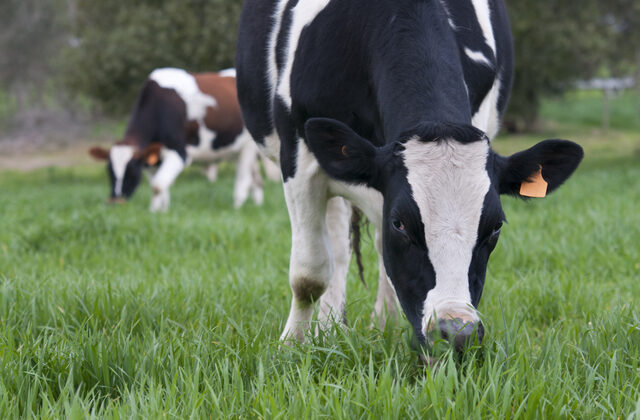
Established alfalfa field in full growth, the kind of stand Filipino farmers can trial on well-drained non-acid soils in the drier regions
In short: Yes, alfalfa can grow in the Philippines, but not everywhere. It typically does best on well-drained soils of pH 6.5 or above in the drier Type I and Type III climate areas and the Luzon and Cordillera highlands, planted at the start of the dry season. Waterlogging and acid soils are the real limits. Non-dormant, heat-tolerant TAIZTAR suits the climate; lime acid soils, inoculate the seed, trial 1 MT first.
Since 1957ISO 9001 and HACCPISTA-tested per lot0% dodder in writingPhytosanitary certificateKarachi to Manila, Cebu, DavaoMOQ 1 MT trialReply within 24 h
Variety for the PhilippinesTAIZTAR (FD 10, non-dormant)
Crude protein22–24%
Purity / germination≥98% / ≥85%
Seed rate25–30 kg/ha (10–12 kg/acre)
HS code1209.21
Minimum order5 MT (1 MT trial accepted)

Can alfalfa grow in the Philippines? The honest answer

Yes, alfalfa (Medicago sativa) can grow in the Philippines, and small stands have been raised by goat farmers, agricultural colleges and private dairy operations for years. But it does not grow everywhere in the archipelago the way napier or para grass does, and anyone who tells you otherwise is selling you something. The plant evolved on the dry, lime-rich soils of Western and Central Asia: it has a deep taproot that hates standing water, a rhizobium partner not naturally present in most Philippine soils, and a strong preference for neutral to slightly alkaline ground. The Philippines is a wet tropical country with much acid upland soil and a monsoon that drops most of the year's rain in a few months.

So the useful question is not "can alfalfa grow in the Philippines" but "can alfalfa grow on my land, in my season, with my management". The answer is yes in a meaningful number of places: on free-draining loams and sandy loams rather than heavy clays; where the dry season is long enough for the stand to establish before heavy rain returns; where pH has been corrected with lime; and where the farmer treats the first planting as a trial, not a plantation. There, alfalfa typically gives a green chop or hay that no tropical grass can match for crude protein, which is why Filipino goat and dairy raisers keep coming back to the idea.

Where they are not met, alfalfa fails predictably: seedlings yellow in acid soil, crowns rot in waterlogged ground after a typhoon, and the stand thins in its first wet season. All of it can be anticipated. The rest of this page covers climate, soil, variety, planting calendar and realistic uses, then explains how to bring seed into the country through the Bureau of Plant Industry and what Kohenoor ships from Karachi to Manila, Cebu and Davao. The country export page with specifications and documents is at alfalfa seeds Philippines.

Where in the Philippines alfalfa grows best: climate types and regions

The Philippine climate is usually described with the modified Coronas classification, the single most useful map for an alfalfa trial. Type I areas have two pronounced seasons, dry from roughly November to April and wet for the rest of the year; they cover the western side of Luzon, including Ilocos, Central Luzon, parts of Mindoro, Negros Occidental and Palawan. Type III areas have a short dry season of one to three months and include much of Cagayan Valley, parts of the Visayas and the Bukidnon plateau and neighbouring uplands of northern Mindanao. Type II (no dry season, eastern Bicol and eastern Mindanao) and Type IV (rain spread evenly through the year) are the hardest places for alfalfa, because the crop never gets the dry window it needs to establish and the crown is at constant risk of waterlogging.

In practice, the areas typically named for alfalfa trials are these. The Ilocos coast and Central Luzon (Pangasinan, Tarlac, Nueva Ecija, Bulacan) in a dry-season planting on lighter soils with irrigation in the dry months. The Cordillera highlands around Benguet and the Mountain Province, where cooler temperatures suit the plant, although many highland soils are acid and must be limed first. The Negros and Panay dry belts on the Type I western coasts. And the Bukidnon plateau and adjacent Mindanao uplands, which have both elevation and the dairy herds that would use the crop. These are typical observations, not guarantees; a 1,000 square metre trial plot on your own farm tells you more than any map.

Two notes apply everywhere. Plant at the start of the dry season, when the soil is still moist but heavy rain has stopped, and irrigate lightly while seedlings establish. And drainage matters more than typhoon exposure: a stand on a slope or raised beds that drains within a day typically survives storms that kill the same stand on flat clay. Confirm the local pattern with your municipal agriculturist or Department of Agriculture regional office before committing a large area.

Soil for alfalfa in the Philippines: pH, lime, drainage and inoculation

Soil decides more alfalfa trials in the Philippines than climate does. Alfalfa wants a pH of 6.5 or higher, ideally 6.8 to 7.5, because the Sinorhizobium meliloti bacteria that fix nitrogen on its roots do not work well in acid conditions and because aluminium becomes toxic to the taproot as pH falls. Much Philippine upland soil sits between pH 4.5 and 5.5, too acid for the crop unless corrected. Get a soil test from your provincial soils laboratory or the Bureau of Soils and Water Management before you buy seed; it is the simplest step in the whole project.

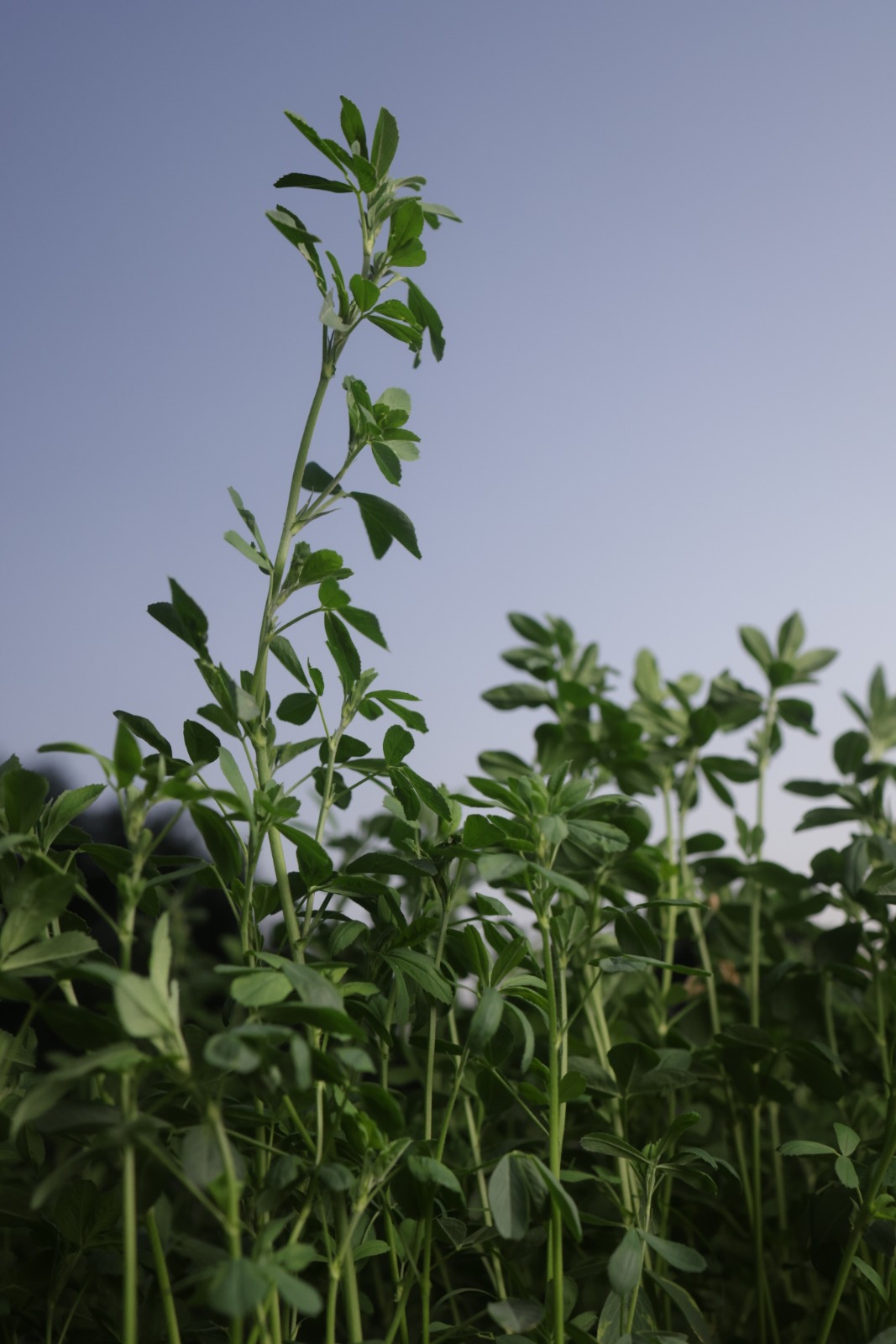
Close view of a healthy alfalfa plant with deep green trifoliate leaves, the growth Filipino growers should expect on limed, well-drained soil

Liming. If the test shows pH below 6.5, apply agricultural lime (calcium carbonate) or dolomite several weeks before planting and work it into the top 15 to 20 cm. The quantity depends on soil texture and how far the pH must move; the laboratory report will usually give a recommendation, and a large correction is best split over two seasons rather than applied at once. Lime takes time to react, so a trial planted the week after liming will not show the full benefit.

Drainage. Alfalfa roots to a metre or more and will not tolerate a water table near the surface for more than a few days. Avoid rice paddy land, low fields that pond after rain, and heavy clays that stay wet. Sandy loams, loams and well-structured volcanic soils on gentle slopes are the typical winners. Where the only land is flat, raise the beds 20 to 30 cm with drainage furrows between them; this one practice separates the stands that survive their first wet season from those that do not.

Inoculation. Because the alfalfa rhizobium is not native to most Philippine soils, seed should be inoculated with a Sinorhizobium meliloti inoculant just before planting, or the stand will stay pale and nitrogen-hungry. Inoculant is a live product with a shelf life, so source it close to planting and keep it cool. Phosphorus and potassium matter more than nitrogen for an inoculated legume, and sulphur and boron are often short in leached tropical soils; a basal application based on the soil test is typical. Your extension officer can adapt these general principles to your province.

Which alfalfa variety for the Philippines: why non-dormant TAIZTAR

Alfalfa varieties are grouped by fall dormancy (FD) on a scale from 1 to 11. Low numbers are cold-climate types that stop growing in winter; high numbers are non-dormant types bred for hot regions that grow year round. The Philippines has no winter, so a dormant variety brings nothing but weakness in the heat. A Filipino grower needs a non-dormant, heat-tolerant, fast-recovering variety that takes repeated cutting through a long warm season and tolerates the salinity of some coastal and irrigated soils.

Kohenoor's recommendation for the Philippines is TAIZTAR, a fall dormancy 10 non-dormant alfalfa bred on modern genetics for heat and salinity tolerance. It is the superior replacement for CUF-101, the late-1970s Californian non-dormant variety that many tropical and subtropical growers still ask for by name. CUF-101 served its time, but it has been overtaken by decades of breeding for disease resistance, persistence under frequent cutting and recovery after each cut; TAIZTAR brings those gains to the same hot environments. Crude protein in the forage is typically 22 to 24 percent with crude fibre up to 28 percent, and in a well-managed hot-climate stand the crop can give seven or more cuts a year. Full details are on the TAIZTAR alfalfa seed page.

Our other variety, KN92, is a fall dormancy 9 type with more cold tolerance, a fine choice for cooler highland sites with cold nights; for most lowland and mid-elevation trials TAIZTAR is the one to plant. Whichever you choose, seed quality matters as much as genetics: Kohenoor ships at a minimum 98 percent purity and 85 percent germination on an ISTA certificate, with 0 percent dodder guaranteed in writing. Dodder (Cuscuta) is a parasitic weed whose seed hides easily in alfalfa lots and can take over a field and spread to neighbouring crops; a written 0 percent dodder guarantee is the first thing to ask any seed seller for. See dodder-free alfalfa seeds for why it matters so much.

How to plant and manage alfalfa in the Philippines

Timing. Plant at the start of the dry season, typically November to December in Type I areas of Luzon and the Visayas, or as soon as the short dry window opens in Type III areas. The aim is a stand with a root 30 to 40 cm deep before heavy rain returns. Planting late in the dry season (February to March) under irrigation is possible but leaves less time before the monsoon and is a weaker choice for a first trial.

Seedbed and seed rate. Alfalfa seed is small and needs a fine, firm, weed-free seedbed. Plough, harrow, lime and fertilise, let the first flush of weeds germinate and remove it, then sow at 25 to 30 kg per hectare (10 to 12 kg per acre), no deeper than 1 to 1.5 cm, in rows 20 to 30 cm apart or broadcast and lightly covered, and press the soil for firm contact. Inoculate immediately before planting. Water lightly and often until established, then less often and deeper to pull the root down.

Weeds. Weed competition in the first six to eight weeks is the most common cause of a thin stand in the tropics. A pre-plant weed flush prevents most of it; hand weeding or a clean first cut at about 60 days handles the rest on a small plot.

Cutting. Take the first cut when the plants begin to flower or new shoots appear at the crown, usually 60 to 75 days after planting. Then cut every 28 to 35 days in the warm season at 5 to 8 cm, never lower, because the buds for the next cut sit just above the soil. Feed green the same day, or wilt for hay or silage. Do not graze a young stand; goats and cattle pull the crowns out of soft soil.

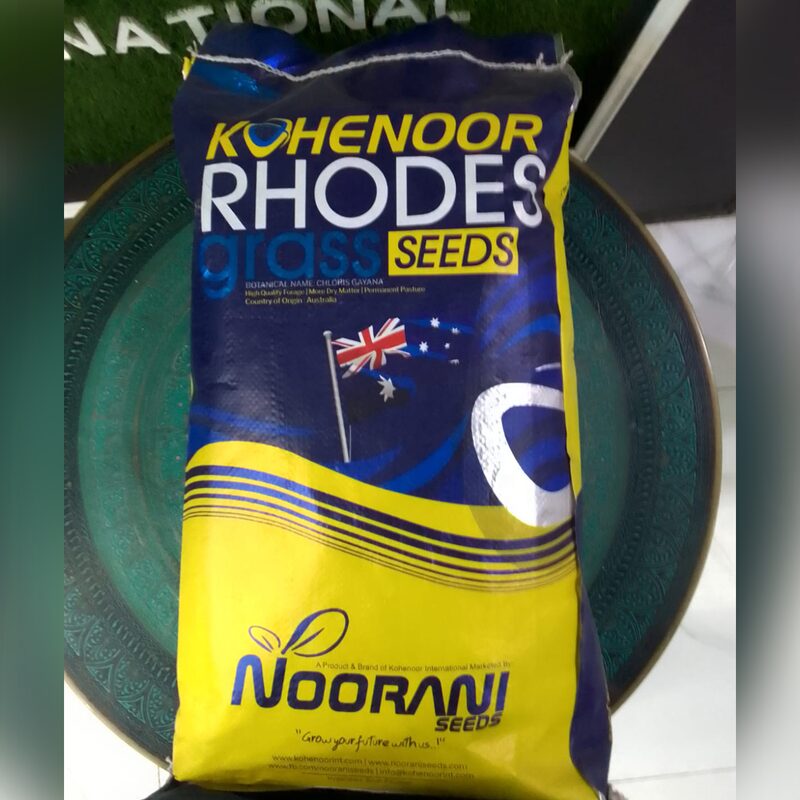
The first wet season. This is the test. Make sure the beds drain, cut before heavy rain rather than after, and accept that a non-dormant alfalfa under monsoon pressure may thin and need re-seeding after two to three years rather than persisting five or more as it would in a dry climate. Even so, two to three years of 22 to 24 percent protein forage from one sowing is a strong return in a country that imports most of its protein feed. Where the stand thins, oversow or rotate into a tropical grass such as Rhodes or Super Napier from the same supplier; see the year-round forage programme.

Alfalfa in Tagalog: what Filipinos call it

People searching "alfalfa in Tagalog" are usually looking for a native word, and the honest answer is that there is not one. Alfalfa was never a traditional Philippine crop, so Tagalog, Cebuano, Ilocano and the other Philippine languages simply borrowed the name. The word alfalfa is Spanish (from Arabic through Andalusian Spanish) and entered Filipino usage as many plant and food names did during the Spanish period, so in everyday Tagalog the plant is called alfalfa, written and pronounced much as in English or Spanish. In casual speech it may be paired with a descriptive word, for example as a kind of "damo" (grass or fodder plant) for animals, but that is description, not a name.

The other word you will meet is lucerne, the name used in Australia, New Zealand, the United Kingdom, South Africa and much of Europe and Asia. Older agricultural textbooks and feed labels in the Philippines sometimes use it, and Australian hay or seed may be labelled lucerne. Alfalfa and lucerne are the same plant, Medicago sativa, so search both words when looking for seed or hay. Kohenoor's Pakistan pages use the Urdu term "lucerne beej" for the same crop; see lucerne alfalfa beej to see how the name travels.

In feed stores and online marketplaces you will also see "alfalfa pellets", "alfalfa meal", "alfalfa hay cubes" and "alfalfa sprouts". These are products of one plant, not different species: pellets and meal are dried ground alfalfa, cubes are compressed chopped hay, and sprouts are the germinated seed eaten as a salad vegetable. All of them begin with the same seed, which is why a seed company can speak to all three.

Alfalfa for goats, dairy carabao and cattle, rabbits and poultry in the Philippines

Alfalfa for goats in the Philippines is the use that drives most enquiries, and for good reason. The Philippine dairy goat sector has grown steadily, with Anglo-Nubian, Saanen and crossbred does milked on small and medium farms across Luzon and the Visayas, and meat goat raising is widespread. Goats thrive on legume leaf, and alfalfa at 22 to 24 percent crude protein is one of the few forages that can carry a milking doe without a heavy concentrate ration. Feed it as green chop or hay, introduce it gradually over a week, and pair it with a tropical grass or rice straw for fibre. A quarter-hectare irrigated plot can typically supply twenty to thirty does with a daily legume ration. For the full goat and sheep programme see forage seeds for camel, sheep and goat farms.

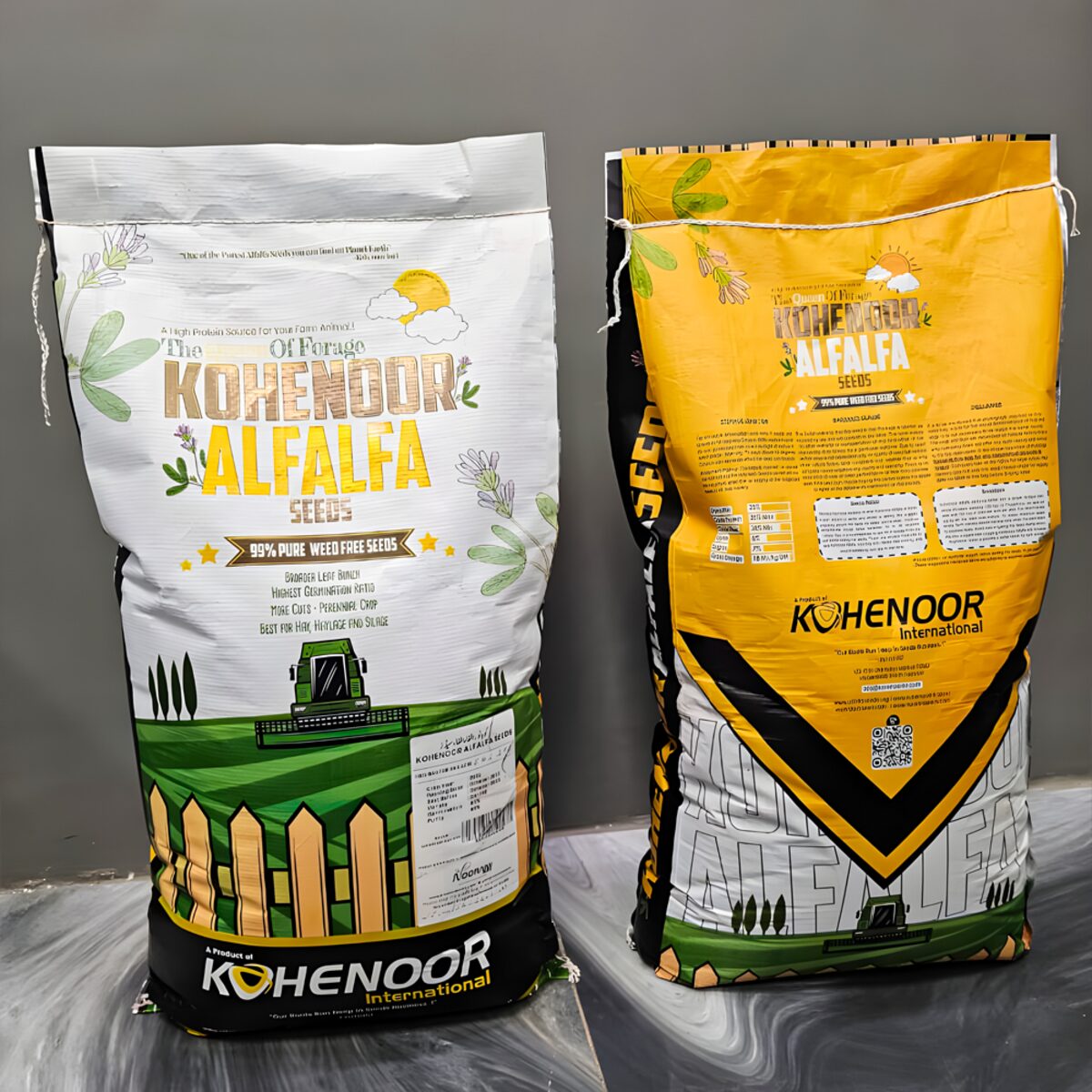
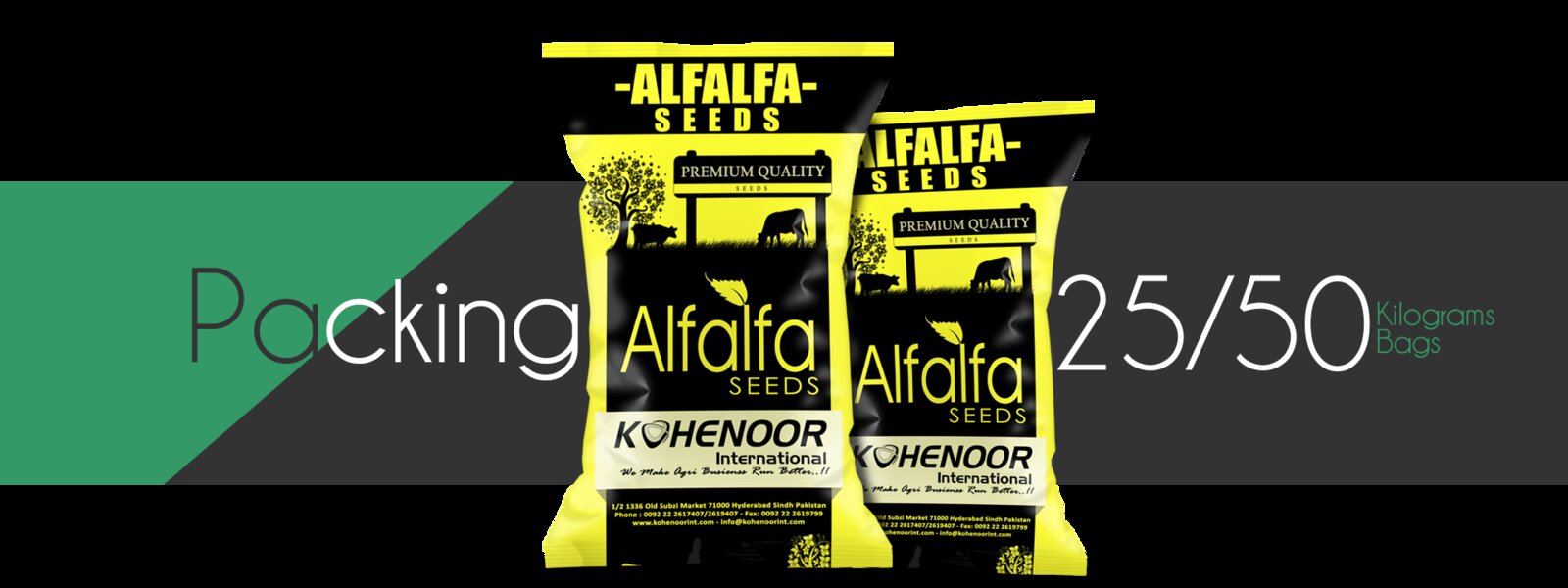
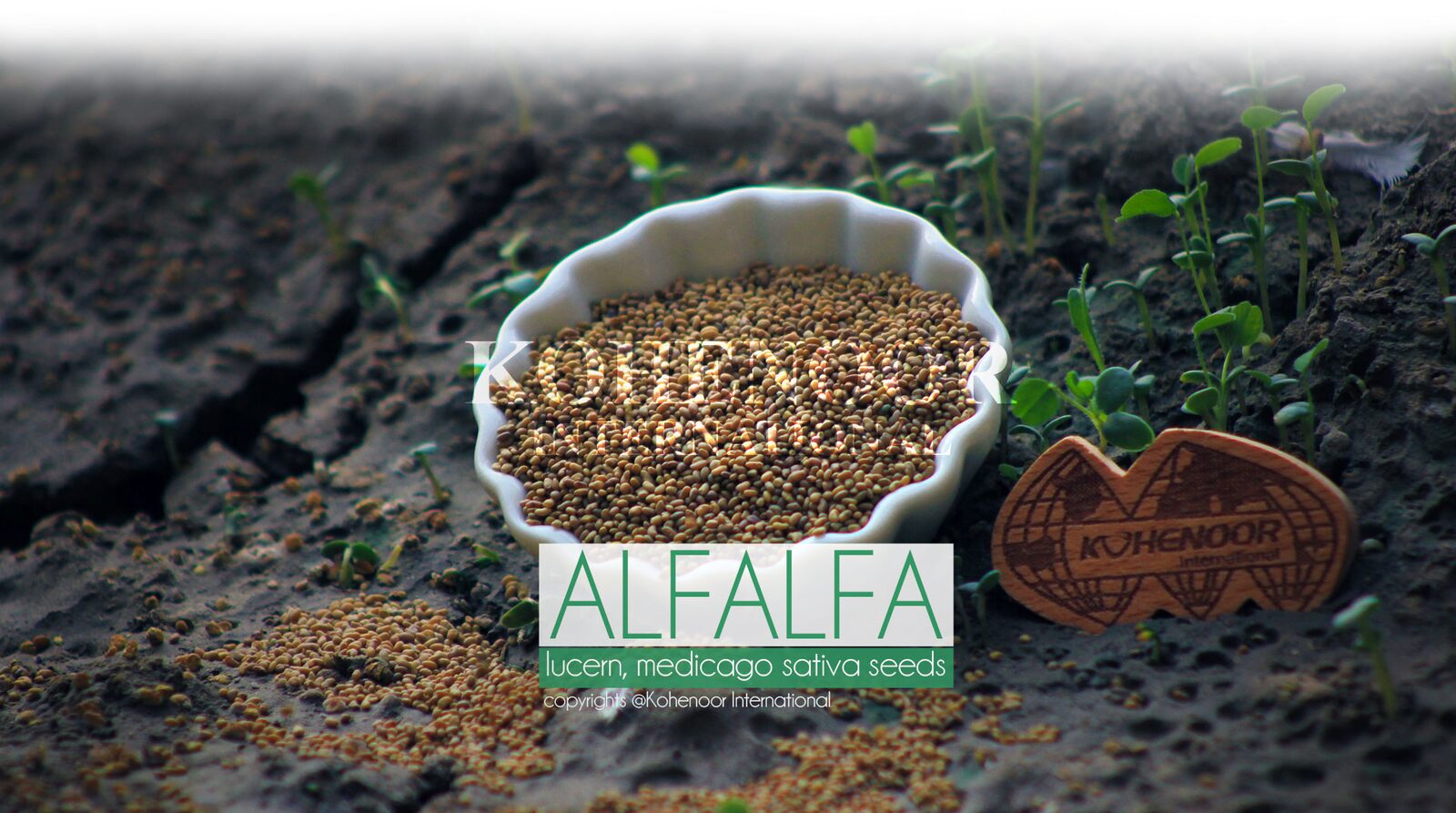
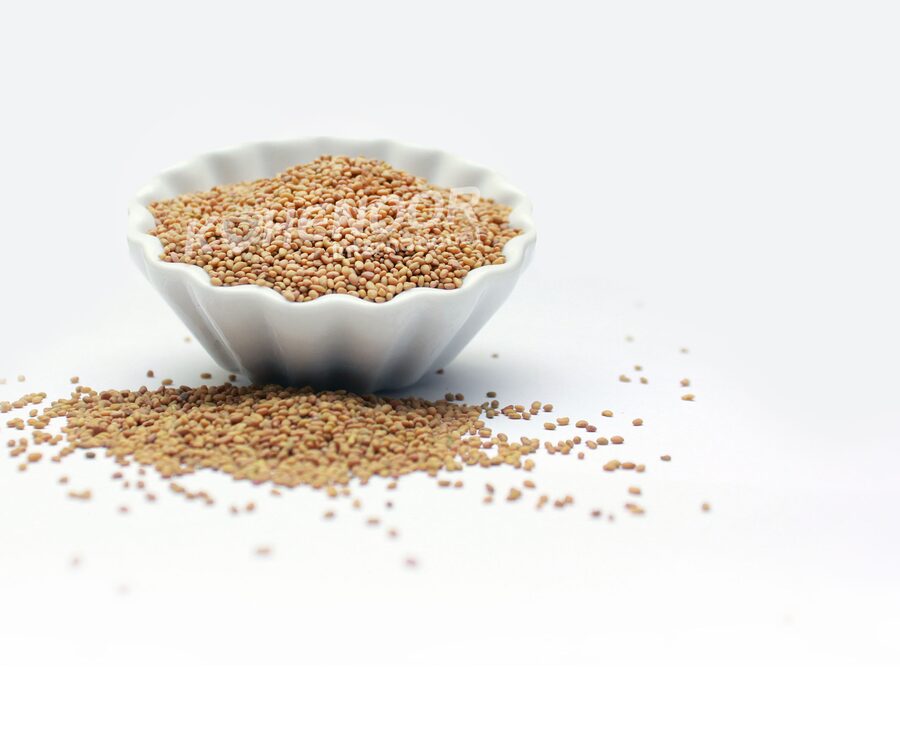
Kohenoor alfalfa seed in 25 kg lot-tagged bags, the pack size shipped to Filipino goat and dairy farms from Karachi

Dairy carabao and dairy cattle. The Philippine Carabao Center's dairy buffalo programme and the dairy cattle herds of Bukidnon, Batangas, Laguna and Nueva Ecija share one protein problem: tropical grasses are low in protein and imported concentrate is volatile. A legume grown on the farm, cut every month and fed fresh or as hay lifts the protein of the whole ration; alfalfa typically fits as 20 to 30 percent of forage dry matter alongside napier, corn silage or Rhodes grass. Dairy-specific guidance is on the forage seeds for dairy farms page.

Rabbits. Rabbit raising has a lively following in the Philippines, and alfalfa hay is the classic base of a rabbit ration for its protein, calcium and fibre; a rabbitry can be supplied from a very small plot.

Poultry and other uses. Dried alfalfa meal goes into layer and native chicken rations in small percentages for protein, xanthophyll (deeper yolk colour) and vitamins; it is not a complete poultry feed. Horses take alfalfa hay well. In every case the point is the same: a farmer who can grow alfalfa has a protein source under his own control.

Alfalfa hay in the Philippines: imported hay versus growing your own

Searches for "alfalfa hay Philippines" come from two groups: pet owners and rabbit keepers looking for small bales, and dairy or goat farms looking for steady bulk supply. Almost all alfalfa hay sold in the Philippines is imported, usually in compressed bales or cubes from the large hay-exporting countries, through Manila and Cebu importers and feed distributors. It is good hay, but it carries ocean freight, port charges and several margins, and its availability swings with global demand and shipping. For a rabbit or a few goats, imported hay is perfectly sensible. For a herd, the arithmetic usually points the other way.

A farm that can grow alfalfa on even one or two hectares of suitable land can typically replace much of its bought hay with green chop in the growing season and its own sun-cured hay in the dry months. Hay making in the wet season is difficult because the crop will not dry; feed green chop during the rains, make hay in the dry season when sun-curing takes two to three days, and put the surplus cut before the rains into silage. A small farm can wilt the crop for half a day and pack it into drums or bags; larger farms use a forage chopper and bunker or bale wrap.

Kohenoor is a seed company and does not sell hay; we say so plainly because some readers want bales, not seed. If you want hay today, ask your feed distributor. If you want to stop buying hay in two years, start with seed: a 1 MT trial lot on a few hectares is the simplest way to find out whether your land is one of the places where alfalfa works.

Alfalfa sprouts in the Philippines: Manila health food and sprouting seed

The other half of the "alfalfa Philippines" search is about food, not fodder. Alfalfa sprouts have a small but steady market in Metro Manila and the larger cities: health food stores, salad bars, hotel kitchens, juice bars and weekend markets in Makati, Quezon City, Tagaytay and Baguio sell them, and home sprouting in jars has grown with plant-based eating. Supply has typically been thin and irregular, because fresh sprouts do not travel well and because growers struggle to find clean, untreated, high-germination seed in commercial quantities.

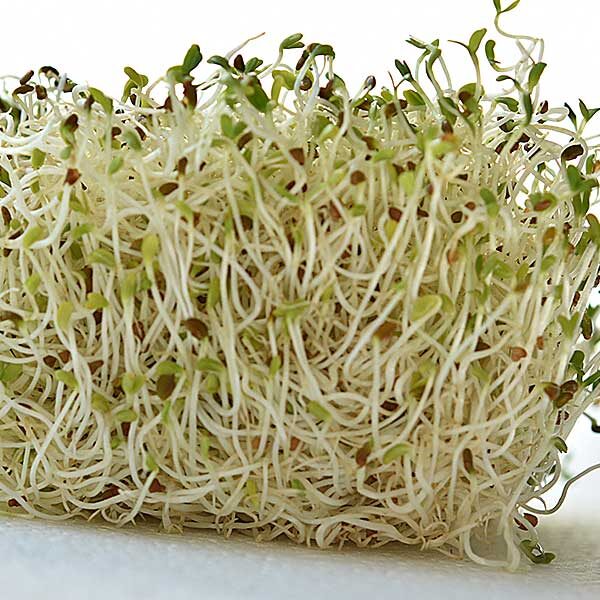
Fresh alfalfa sprouts at harvest stage grown from untreated Kohenoor sprouting seed, the product Manila health food outlets sell

Sprouting seed is a different product from forage seed. Forage seed may be treated or coated for planting; sprouting seed must be food-grade, untreated, cleaned to very high purity and tested for germination and microbial safety because the sprouts are eaten raw. Kohenoor's sprouting alfalfa lots are untreated natural seed with no fungicide, insecticide or coating, Sortex optical-cleaned to about 99 percent purity with 90 percent or higher germination and 0 percent dodder, ISTA-tested per lot, with a Certificate of Analysis within 24 hours and sealed lot tags on every 25 kg bag. Third-party Salmonella and E. coli/STEC testing is available per lot on request; minimum order is 1 MT. Details are on the alfalfa sprouting seed page and the sprouting seeds hub, which also covers fenugreek, radish, mustard, mung bean and other species a Manila grower might run alongside alfalfa.

A Philippine sprout grower importing seed deals with the Bureau of Plant Industry on plant quarantine, as any seed import does, and with the Philippine Food and Drug Administration if the sprouts are packed and sold as food. Confirm current entry requirements with BPI and your broker, since rules change. Sprouting seed keeps its germination for 18 to 24 months in cool, dry storage, so one lot drawn down over a year is the normal pattern.

Where to buy alfalfa seeds in the Philippines and how to import them

"Where to buy alfalfa seeds in the Philippines" is the question most people arrive with, and the honest answer in 2026 is that very little alfalfa seed is on sale inside the country. Agricultural stores stock tropical grass and legume seed, and the small packets found online are usually repacked imports of uncertain variety and germination, sold for home gardens. A farmer who wants a known variety at a known germination, in 25 kg bags with a certificate, imports it. That is less difficult than it sounds, and Kohenoor ships direct, so the farmer, co-operative, dairy company or sprout grower deals with one company from the research field to the port of Manila, Cebu or Davao.

The import process in general terms, at the time of writing. Seed for planting is regulated in the Philippines by the Bureau of Plant Industry (BPI) under the Department of Agriculture. The importer typically applies to BPI for a Sanitary and Phytosanitary Import Clearance (SPSIC) before the shipment leaves origin, naming the exporter, species, quantity and port of entry. The shipment then arrives with a phytosanitary certificate from the exporting country's plant protection authority (in Pakistan, the Department of Plant Protection, which issues IPPC-format certificates), a commercial invoice, packing list, certificate of origin and bill of lading, and BPI plant quarantine officers inspect at the port. Selling a new variety as seed to other farmers may involve separate registration steps under Philippine seed legislation; importing for your own farm does not usually trigger them. Rules and forms change, so confirm current requirements with your BPI plant quarantine office and customs broker before ordering; we supply whatever additional declaration the clearance asks for.

Ports and shipping. Kohenoor quotes FOB Karachi, with CFR or CIF to Manila (MICT or South Harbor), Cebu or Davao on request. Services from Karachi typically route through a Southeast Asian transhipment hub; the forwarder gives the current schedule at order confirmation. In-stock lots are ready for vessel loading within 7 to 12 days. Seed travels in 25 kg poly-lined PP woven bags with sealed lot tags. Payment is 100 percent TT against the bill of lading copy or an irrevocable letter of credit at sight, with easier terms for repeat buyers. Quotations are given on WhatsApp or email per lot and destination; we do not publish figures because freight and lot availability change.

Agents and dealers. We are often asked whether Kohenoor has an agent in the Philippines. We sell direct: one contact at the export desk, delivery to your port or door, the same person answering before and after the shipment, and no extra margin in the quotation. The desk replies within 24 hours on WhatsApp +92 310 4929292 or at export@kohenoorint.com. Behind it is KOHENOOR International, a research forage seed company founded in 1957 in Hyderabad, Sindh, ISO 9001 and HACCP certified, a member of the Australian Seed Federation, with offices in Pakistan, Dubai and Australia and buyers in more than 70 countries; see all countries we ship to and the alfalfa seeds exporter page.
Specification, documents, MOQ and how to order a trial lot for the Philippines

Ask for the specification in writing and check it against the lot documents before the seed ships. Kohenoor's standard forage alfalfa lots meet the figures below.

ParameterKohenoor TAIZTAR alfalfa seed for the Philippines
Species and varietyMedicago sativa, TAIZTAR (FD 10, non-dormant, heat and salinity tolerant); KN92 (FD 9) for cool highland sites
Purity98% minimum, ISTA Orange Certificate per lot
Germination85% minimum, ISTA-tested, test date stated
Dodder0%, guaranteed in writing
Forage qualityCrude protein 22–24%, crude fibre up to 28%, 7+ cuts per year in a well-managed hot-climate stand
Seed rate25–30 kg/ha (10–12 kg/acre)
HS code1209.21
Packaging25 kg poly-lined PP woven bags, sealed lot tags, lot ID traceable field to bag
Minimum order5 MT; 1 MT trial lots accepted (40 bags, enough for roughly 35–40 hectares)
Lead time and termsIn-stock lots 7–12 days to FOB Karachi vessel loading; CFR/CIF Manila, Cebu or Davao on request; 100% TT against B/L copy or L/C at sight

Documents with every shipment: ISTA Orange Certificate, Certificate of Analysis, IPPC phytosanitary certificate with any additional declaration your BPI clearance requires, certificate of origin, commercial invoice, packing list and bill of lading; for sprouting lots, the untreated declaration, food-contact packaging declaration and third-party microbiology report on request.

How to order. Send the export desk your intended use (forage, sprouting or both), quantity, port and the province where the seed will be planted, by WhatsApp to +92 310 4929292 or email to export@kohenoorint.com. Within 24 hours you receive a quotation per lot and destination, the current lot's ISTA certificate and COA, and a sailing schedule. On your order and payment arrangement we complete the phytosanitary and origin certificates to match your BPI clearance and load within 7 to 12 days for stock lots; the documents reach you and your broker before the vessel does. If this is your first seed import, say so and we will go through the BPI and customs steps with you first.

Our advice for the Philippines, once more: test the soil, lime if needed, choose a well-drained site, plant at the start of the dry season with inoculated TAIZTAR seed, and start with a trial lot. Alfalfa can grow in the Philippines; the farmers who succeed let the land, not the brochure, decide how far to scale.

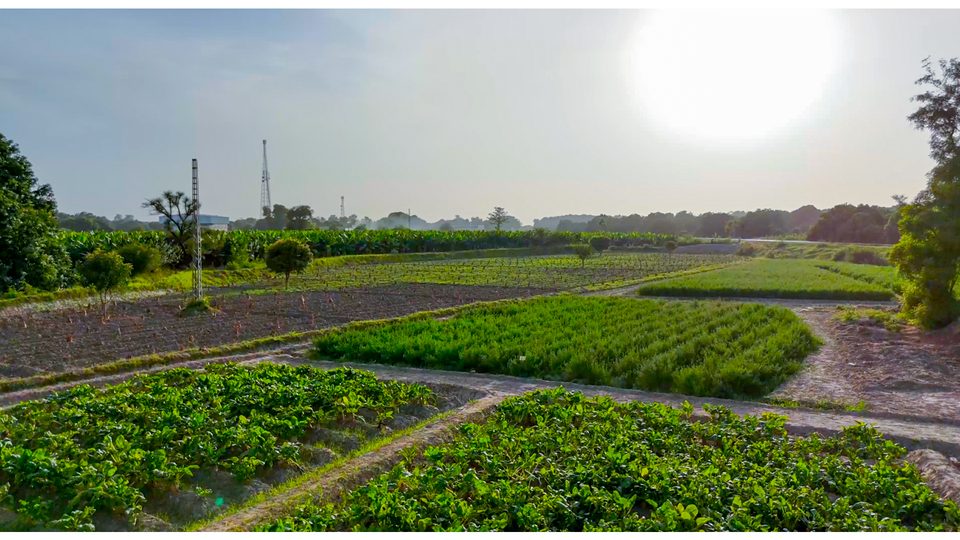
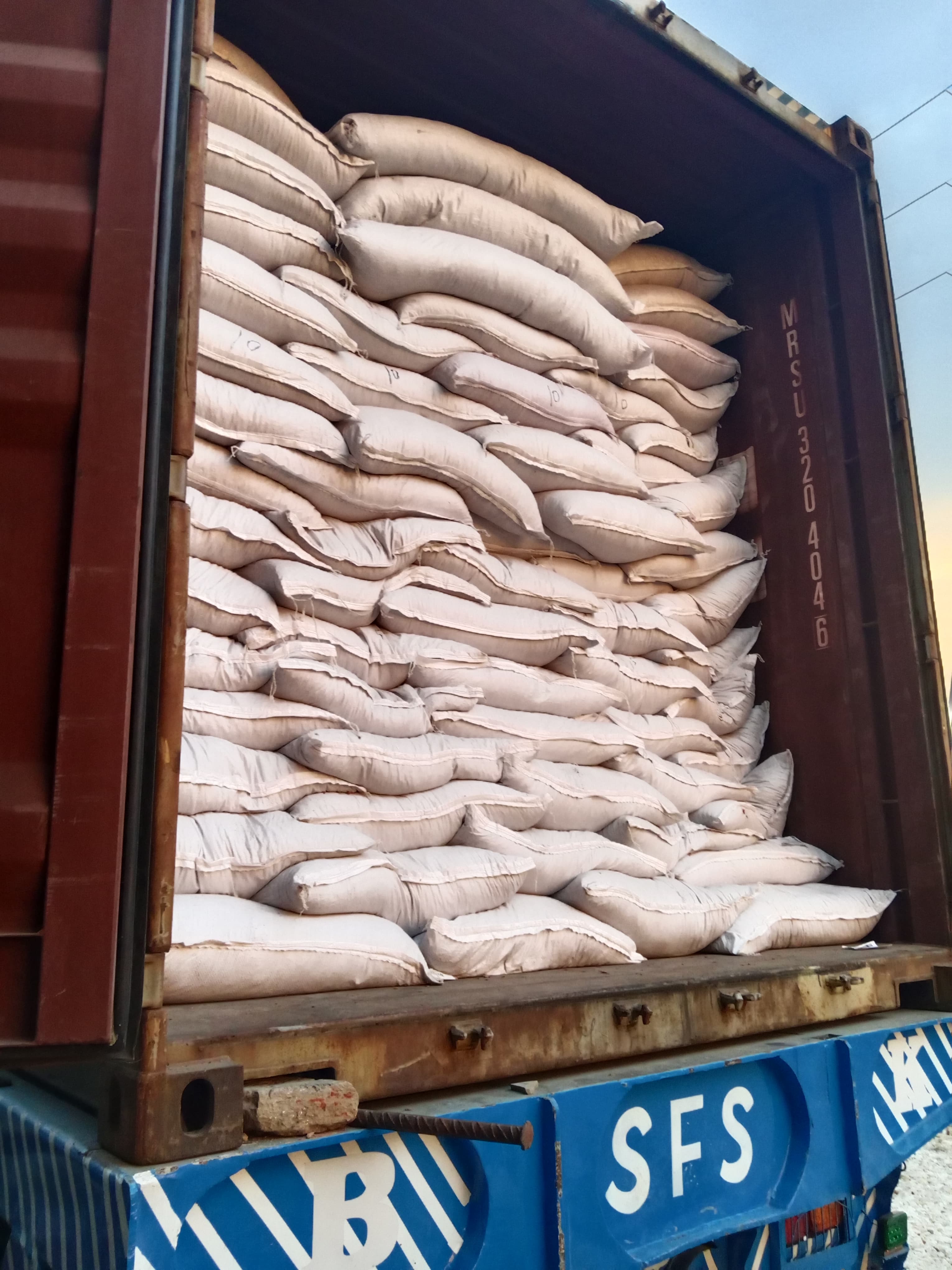
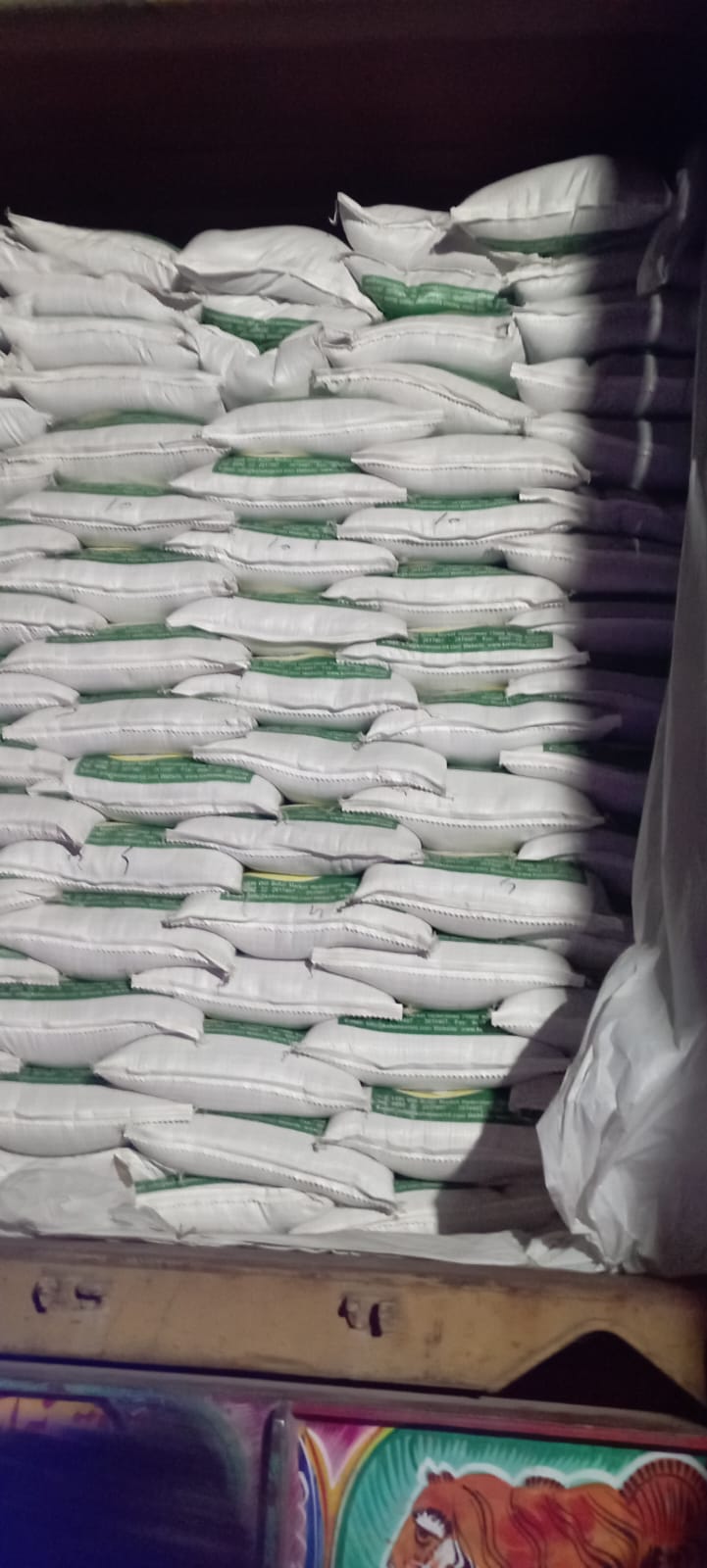
The seed, the plots and the loading for the Philippines

Related pages for the Philippines

Alfalfa seeds Philippines — export page
Alfalfa seeds Philippines — export pageSpecification, documents and shipping to Manila, Cebu and Davao for Filipino importers and farms.
Read the country page →
Alfalfa sprouting seed
Alfalfa sprouting seedUntreated, Sortex-cleaned, ISTA-tested food-grade seed for Manila sprout growers; COA in 24 hours, MOQ 1 MT.
See the sprouting seed →
Forage seeds for dairy farms
Forage seeds for dairy farmsAlfalfa, Rhodes grass, Super Napier, sorghum and clover for dairy carabao and cattle herds.
Dairy forage programme →
Forage for goat and sheep farms
Forage for goat and sheep farmsLegume and grass seed for goat raisers, from alfalfa green chop to drought-tolerant Rhodes grass.
Goat and sheep forage →

Ask about a 1 MT trial lot for the Philippines

Tell the export desk your province, intended use and port (Manila, Cebu or Davao). A real person replies within 24 hours with a quotation per lot and destination, the current ISTA certificate and COA, and the documents your BPI clearance needs.

export@kohenoorint.com

Frequently asked questions

Can alfalfa grow in the Philippines?

Yes, on the right land. Alfalfa typically succeeds in the Philippines on well-drained loams with pH 6.5 or above, in Type I and Type III climate areas with a clear dry season and in the Luzon and Cordillera highlands, planted at the start of the dry season with inoculated seed. It fails on acid, waterlogged or heavy clay soils and in areas with no dry season. Trial a small area first.

What is alfalfa in Tagalog?

There is no native Tagalog word. Alfalfa was never a traditional Philippine crop, so Tagalog and other Philippine languages use the borrowed Spanish name alfalfa, pronounced much as in English. You will also meet lucerne, the name used in Australia, the United Kingdom and much of Asia for the same plant, Medicago sativa. Search both words when looking for seed or hay.

Which alfalfa variety is best for the Philippines?

A non-dormant, heat-tolerant variety. Kohenoor recommends TAIZTAR, a fall dormancy 10 alfalfa bred on modern genetics for heat and salinity tolerance and the superior replacement for the late-1970s CUF-101. For cooler Cordillera or Bukidnon highland sites with cold nights, KN92 (FD 9) is an option. Both ship at 98% minimum purity, 85% minimum germination and 0% dodder.

Where can I buy alfalfa seeds in the Philippines?

Very little certified alfalfa seed is sold inside the Philippines; small online packets are usually repacked imports of unknown variety and germination. Farms, co-operatives and sprout growers import it. Kohenoor ships direct from Karachi to Manila, Cebu or Davao with ISTA certificate, COA and phytosanitary certificate, from a 1 MT trial lot. Quotations are given on WhatsApp or email per lot and destination.

How do I import alfalfa seed into the Philippines?

In general terms, the importer applies to the Bureau of Plant Industry for a Sanitary and Phytosanitary Import Clearance before shipment, and the seed arrives with a phytosanitary certificate from the exporting country, invoice, packing list, certificate of origin and bill of lading for BPI inspection at the port. Rules change, so confirm current requirements with BPI and your broker; Kohenoor prepares the documents to match your clearance.

Is alfalfa good for goats in the Philippines?

Yes. Alfalfa at 22 to 24 percent crude protein is one of the best forages for dairy and meat goats, fed as green chop or hay alongside a tropical grass or rice straw for fibre. Introduce it gradually over a week. A small irrigated plot can supply a herd of twenty to thirty does with a daily legume ration in most seasons. Do not graze a young stand; cut and carry instead.

Can I buy alfalfa hay from Kohenoor?

No. Kohenoor is a seed company and does not sell hay. Most alfalfa hay sold in the Philippines is imported in compressed bales or cubes through Manila and Cebu feed distributors. If you need hay now, ask your feed supplier; if you want to grow your own protein forage and reduce bought hay within two years, start with a 1 MT trial lot of TAIZTAR seed on suitable land.

Do you supply alfalfa seed for sprouting in Manila?

Yes. Kohenoor supplies untreated, food-grade alfalfa sprouting seed: Sortex-cleaned, about 99 percent purity, 90 percent or higher germination, 0 percent dodder, ISTA-tested per lot, COA within 24 hours, sealed lot tags on 25 kg bags, third-party Salmonella and E. coli testing on request. Minimum order is 1 MT. It is a separate product from forage seed and is shipped the same way to Manila.

Related pages

WA