Bulk import of certified alfalfa (lucerne) seed to South Africa — heat- and salinity-tolerant TAIZTAR for the Karoo and Northern Cape, KN92 for the temperate highveld. Guaranteed 0% dodder, ISTA Orange Certificate per lot, shipped FOB Karachi to Durban, Cape Town, Port Elizabeth (Gqeberha).
By Kohenoor Export Desk · reviewed by Usman Hayat, third-generation seed exporter · Updated
Short answer: South African dairy and livestock producers rely on alfalfa (lucerne / lucerne (alfalfa)) as their top green fodder. Kohenoor International (since 1957) exports certified, dodder-free, ISTA-tested TAIZTAR and KN92 alfalfa seed from Karachi to Durban, Cape Town, Port Elizabeth (Gqeberha) — bred for temperate, seasonally variable conditions, HS 1209.21, minimum 5 MT, quote within 24 hours.
Why South Africa imports alfalfa seed
South Africa is the most developed farm economy on the continent and one of the world's notable lucerne producers, with a large dairy sector, extensive beef feedlots and a well-established hay industry centred on the Northern Cape and Karoo irrigation schemes. Domestic seed production is strong, yet certified single-variety genetics and specialist heat- and salinity-tolerant material are imported for the hot arid irrigation belts and for growers seeking documented purity. Lucerne (as it is known locally) underpins the country's high-value livestock and export-hay trade.
South African dairy is concentrated in the temperate Eastern Cape coast, KwaZulu-Natal and the Free State, while feedlots and the hay trade drive lucerne demand across the Karoo and Northern Cape. Growers on hot, saline irrigation schemes need non-dormant, heat- and salt-tolerant genetics to sustain multi-year stands, which is where certified TAIZTAR complements the local germplasm, with KN92 suiting the cooler highveld.
Against that backdrop, South African buyers need a reliable, certified, dodder-free seed supply that clears customs cleanly and performs in temperate, seasonally variable field conditions. Domestic or uncertified seed rarely meets that bar, which is why importing certified TAIZTAR and KN92 from an established origin exporter is the pragmatic route to a productive, multi-year alfalfa stand in South Africa.
Why importers in South Africa trust Kohenoor
Behind every consignment is a real family business you can talk to — the Kohenoor / Noorani export desk, third generation, answering in English/Afrikaans and English. These are the assurances a serious South African buyer looks for before sending an enquiry:
Established 1957 — 3 generationsISTA Orange Certificate per lotISO 9001 quality systemHACCP food safetyIPPC phytosanitary certificate0% dodder — guaranteed in writingDirect from origin — no middlemen1 MT trial sample before you scaleReply within 24 hoursTalk to a real person
We would rather earn a long-term South African partner than win one order. That is why we send a small trial parcel first if you want to test the seed, put every guarantee on paper, and stand behind the ISTA and phytosanitary documents that travel with your container. You are buying from a named, verifiable company with a physical head office in Pakistan — not an anonymous listing.
What is alfalfa (lucerne) and why it matters for South Africa
Alfalfa — Medicago sativa, known locally in South Africa as lucerne (alfalfa) and internationally as lucerne — is the world's most important perennial forage legume and is widely called the "Queen of Forages." A single well-managed stand grown from certified seed can remain productive for three to five years, delivering six to ten cuttings per year in South Africa's temperate, seasonally variable conditions and yielding a dense, high-protein green fodder that no annual crop can match on a cost-per-kilogram-of-protein basis. For South African dairy and livestock producers this translates directly into more milk per animal, faster weight gain in beef and small ruminants, and a lower total feed bill because home-grown alfalfa displaces expensive imported concentrates and compound feed.
The agronomic value of alfalfa rests on three pillars. First, protein: leafy alfalfa hay routinely tests between 18% and 22% crude protein, and fresh green alfalfa even higher, which is exactly the nutrient dairy animals need for milk synthesis. Second, biological nitrogen fixation: as a legume, alfalfa hosts Sinorhizobium meliloti bacteria in its root nodules and fixes atmospheric nitrogen, enriching the soil for the crop that follows and reducing fertiliser cost. Third, its extraordinarily deep taproot — often two to three metres — lets the plant reach moisture and nutrients far below the reach of grasses, which is precisely why alfalfa thrives across South Africa's temperate, seasonally variable landscape where shallow-rooted forages fail during dry spells.
Beyond the animal, alfalfa earns its keep in the whole farming system of South Africa. Its deep root opens compacted subsoil, its nitrogen fixation leaves the land richer for the next crop, and its dense canopy shades out weeds and shields the soil surface from erosion and evaporation — a real advantage in temperate, seasonally variable conditions where bare soil bakes and blows. A field rotated through a few years of alfalfa comes back to cereals or vegetables measurably more fertile, so the crop pays twice: once as fodder and again as a soil-builder for the rotation that follows.
For an importer in South Africa, the practical takeaway is simple: the single decision that most determines whether an alfalfa stand delivers these benefits — or disappoints — is the quality and genetics of the seed sown. That is where sourcing certified, dodder-free seed from an established exporter such as Kohenoor International changes the economics of the whole enterprise.
Why certified, dodder-free seed matters more than price
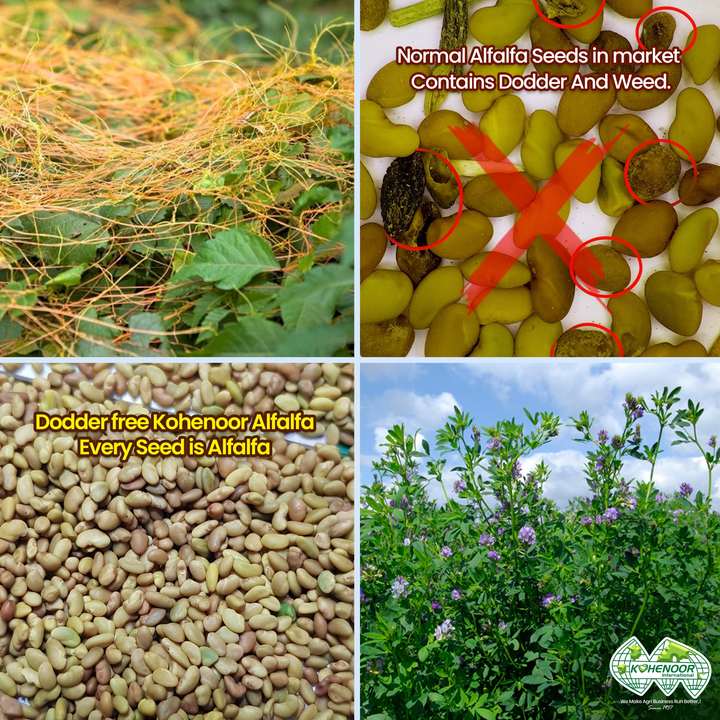
The cheapest alfalfa seed on any market is almost always the most expensive mistake a South African buyer can make. Low-grade, uncertified seed — frequently re-bagged run-of-mill material — carries three hidden costs that only appear after the crop is in the ground. The first and most damaging is dodder (Cuscuta), a parasitic weed whose seed is almost identical in size to alfalfa and is therefore extremely difficult to separate without specialist gravity and optical cleaning equipment. Once dodder establishes in a field it wraps around the alfalfa, strangles the stand, spreads year on year, and can render land unusable for legumes — and many countries treat dodder as a quarantine weed that can cause a whole consignment to be rejected at the port.
The second hidden cost is low genetic purity and poor germination. Seed that is not tested to international standards may germinate at 60–70% instead of 85%+, forcing the grower to over-sow, thinning stands and wasting money, while off-type plants reduce uniformity and yield. The third is the absence of documentation: without an ISTA Orange International Certificate and a valid phytosanitary certificate, a South African importer cannot reliably clear customs, cannot prove quality to end-farmers, and has no recourse if the crop fails.
Kohenoor International addresses all three. Every export lot is cleaned to ≥ 98% physical purity, ≥ 85% germination, and a guaranteed 0% dodder, and is accompanied by an ISTA Orange Certificate from an independent, ISTA-recognised laboratory plus a phytosanitary certificate issued under the IPPC framework by Pakistan's Department of Plant Protection. This is the difference between buying a commodity and buying a guaranteed, plantable, port-clearable input — and it is why serious South African importers standardise on certified origin seed.
There is a reputational dimension too. A distributor in South Africa who sells certified, dodder-free seed builds trust with end-farmers who see clean, uniform, high-yielding stands — and that trust converts into repeat orders and word-of-mouth that no amount of discounting on cheap seed can buy. Conversely, a single dodder outbreak traced back to a bad consignment can destroy a dealer's standing in a farming community for years. In a market built on relationships, the quality of the seed a trader chooses to sell is their brand. Certified origin supply from Kohenoor lets South African distributors compete on reliability and results rather than on price alone.
Recommended alfalfa varieties for South Africa
Not every alfalfa variety suits South Africa. Variety selection hinges on fall dormancy (how much the plant slows in the cool season), heat tolerance, and salinity tolerance. Kohenoor breeds and supplies non-dormant and semi-dormant genetics specifically selected for temperate, seasonally variable export markets, so South African buyers plant material that is proven for their conditions rather than generic temperate seed that stalls in the heat.
Variety
Fall dormancy
Heat tolerance
Salinity tolerance
Best suited to
TAIZTAR
FD 10 (non-dormant)
Extreme — 45°C+
Very high
Karoo, Northern Cape and Orange River irrigation; heat and salinity
KN92
FD 9
High
High
The temperate highveld dairy and mixed-farming zones
CUF-101 type
FD 9–10
High
High
Continuous multi-cut systems needing rapid regrowth after each harvest
For most of South Africa, KN92 (highveld) or TAIZTAR (Karoo/Northern Cape) is the lead recommendation: the temperate highveld suits the semi-dormant KN92, while the hot, saline Karoo and Northern Cape irrigation belts demand non-dormant TAIZTAR. All three types are supplied as pure, single-variety lots — never blends of unknown provenance — so the stand emerges uniform, matures evenly, and cuts on a predictable schedule.
Every shipment to South Africa carries the same guarantee: purity ≥ 98%, germination ≥ 85%, dodder 0%, ISTA tested and certified.
TAIZTAR vs CUF-101 — the like-for-like choice for South Africa
Many South African buyers ask by name for CUF-101, the non-dormant alfalfa that made its reputation in hot, low-desert regions. What most buyers do not realise is that CUF-101 is a very old variety — released back in the late 1970s — and its genetics have not moved on in nearly half a century, while the heat, salinity and disease pressure in today's fields have. Kohenoor's TAIZTAR is the modern, purpose-bred replacement: it sits in exactly the same non-dormant fall-dormancy class, so it drops straight into the CUF-101 slot with no change to how you grow or cut it — but it is selected on current, field-proven genetics for extreme heat, high salinity, disease resilience, and clean, certified, dodder-free supply direct from origin. Same non-dormancy, decades-newer breeding.
Attribute
CUF-101 (standard)
Kohenoor TAIZTAR
Variety age / breeding
Released late 1970s — dated genetics
Modern, purpose-bred selection
Fall dormancy
Non-dormant (FD 9–10)
Non-dormant (FD 10) — same class
Regrowth & multi-cut
Fast
Fast — continuous multi-cut
Extreme-heat tolerance (45°C+)
High
Selected for very high
Salinity tolerance
Moderate–high
Very high
Dodder (Cuscuta)
Depends on supplier
0% — guaranteed in writing
Certification per lot
Varies by source
ISTA Orange + phytosanitary, every lot
Origin & freight to Durban
Often long-haul
Direct from Pakistan — shorter, cheaper routes
In short: if your South African customers know and trust CUF-101, TAIZTAR gives them the same non-dormant performance they expect and adds the heat and salt resilience that temperate, seasonally variable fields demand — backed by certification and a dodder-free guarantee that anonymous CUF-101 lots often cannot match. Buyers sourcing CUF-101 today can switch to certified TAIZTAR without changing their agronomy, and we are happy to supply a 1 MT trial so your growers can compare the two side by side in South Africa.
Where alfalfa grows in South Africa — regional suitability
Demand and growing conditions vary across South Africa. The table below maps the main producing regions to the varieties and practices Kohenoor recommends.
Region
Conditions & recommendation
Highveld (Gauteng, Free State, Mpumalanga)
Temperate summer-rainfall dairy and mixed farming; KN92 for the cooler high plateau.
Western & Eastern Cape irrigation (Sundays River, Breede)
Warm irrigated valleys for dairy and hay; TAIZTAR for heat, KN92 for cooler sites.
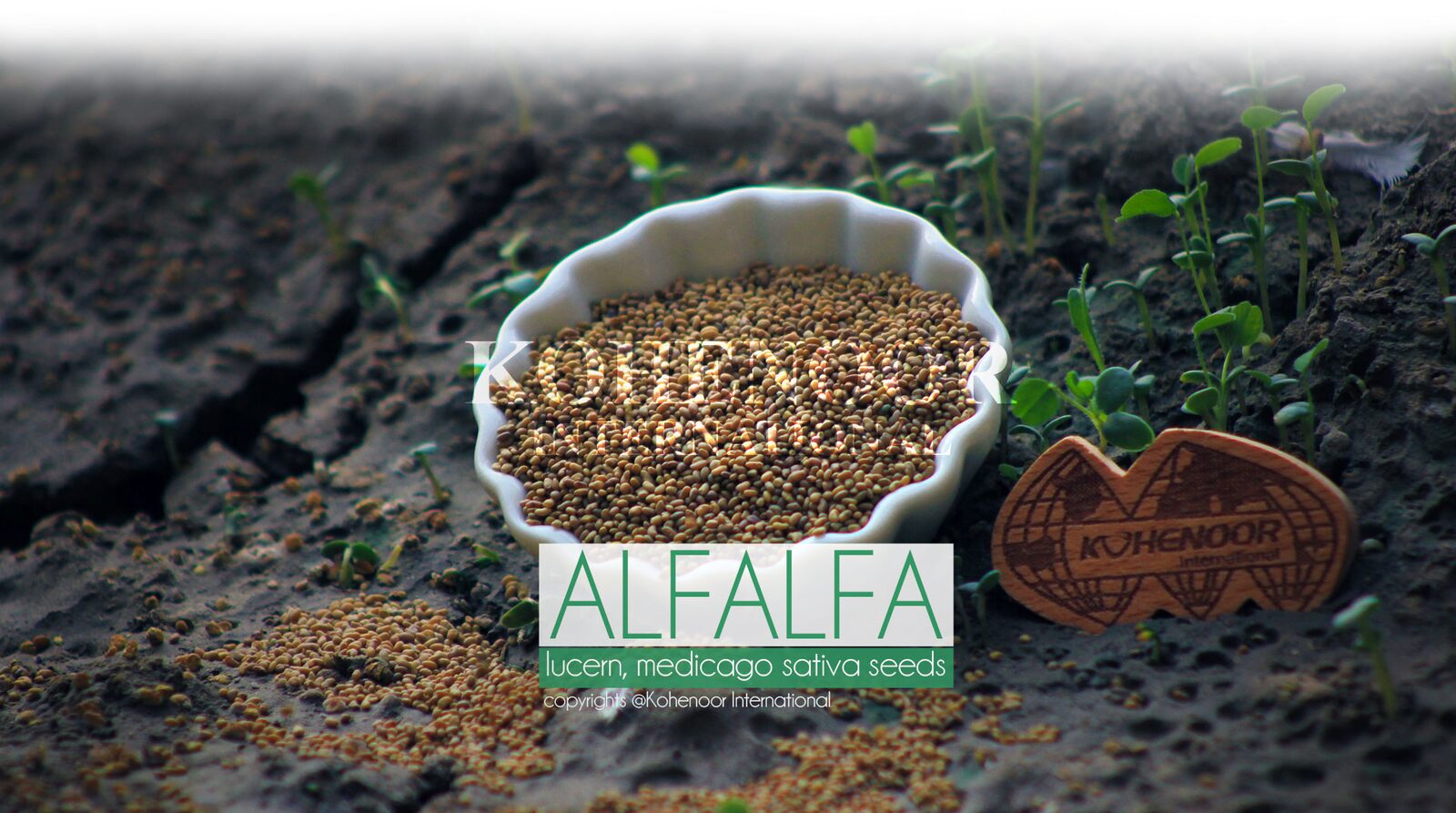
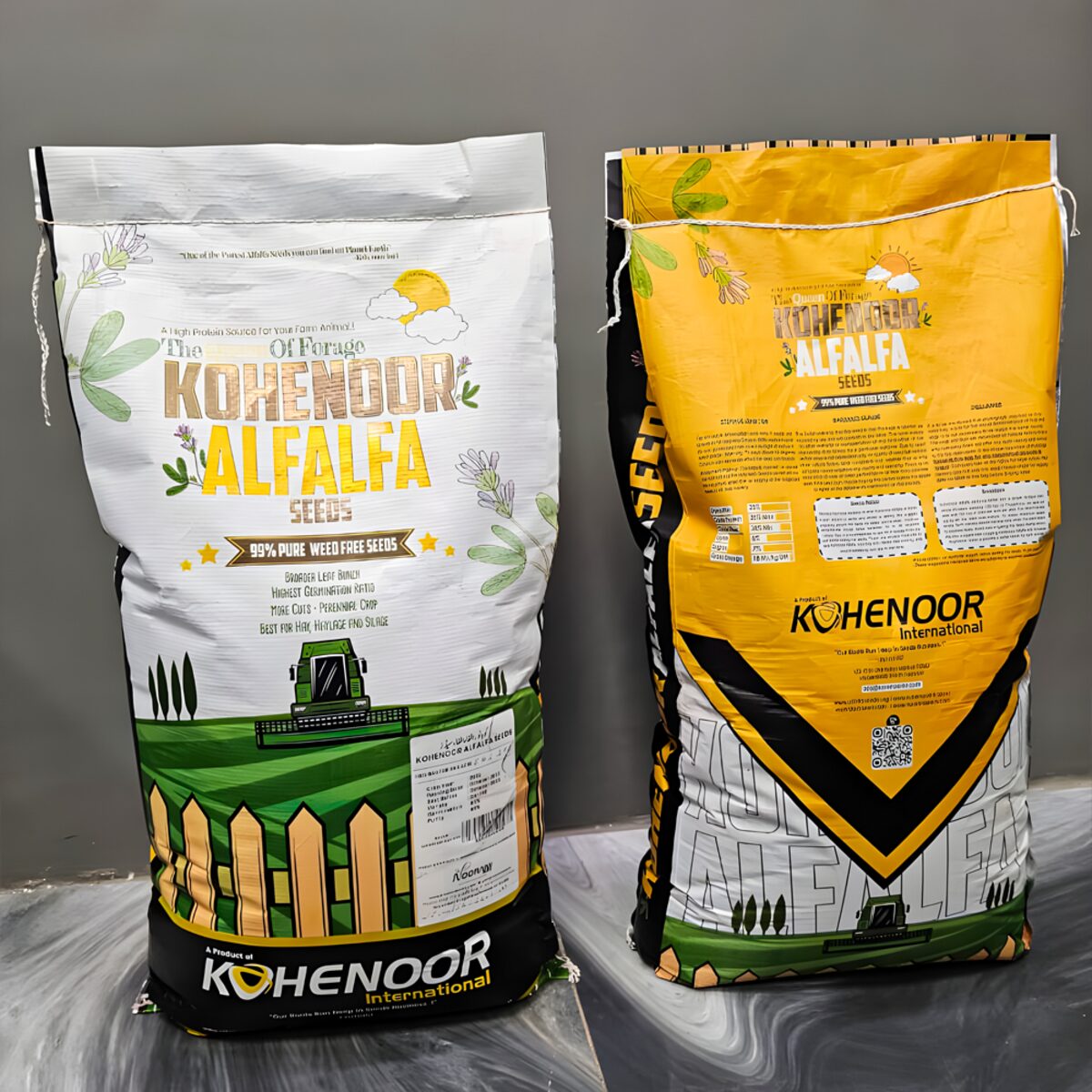
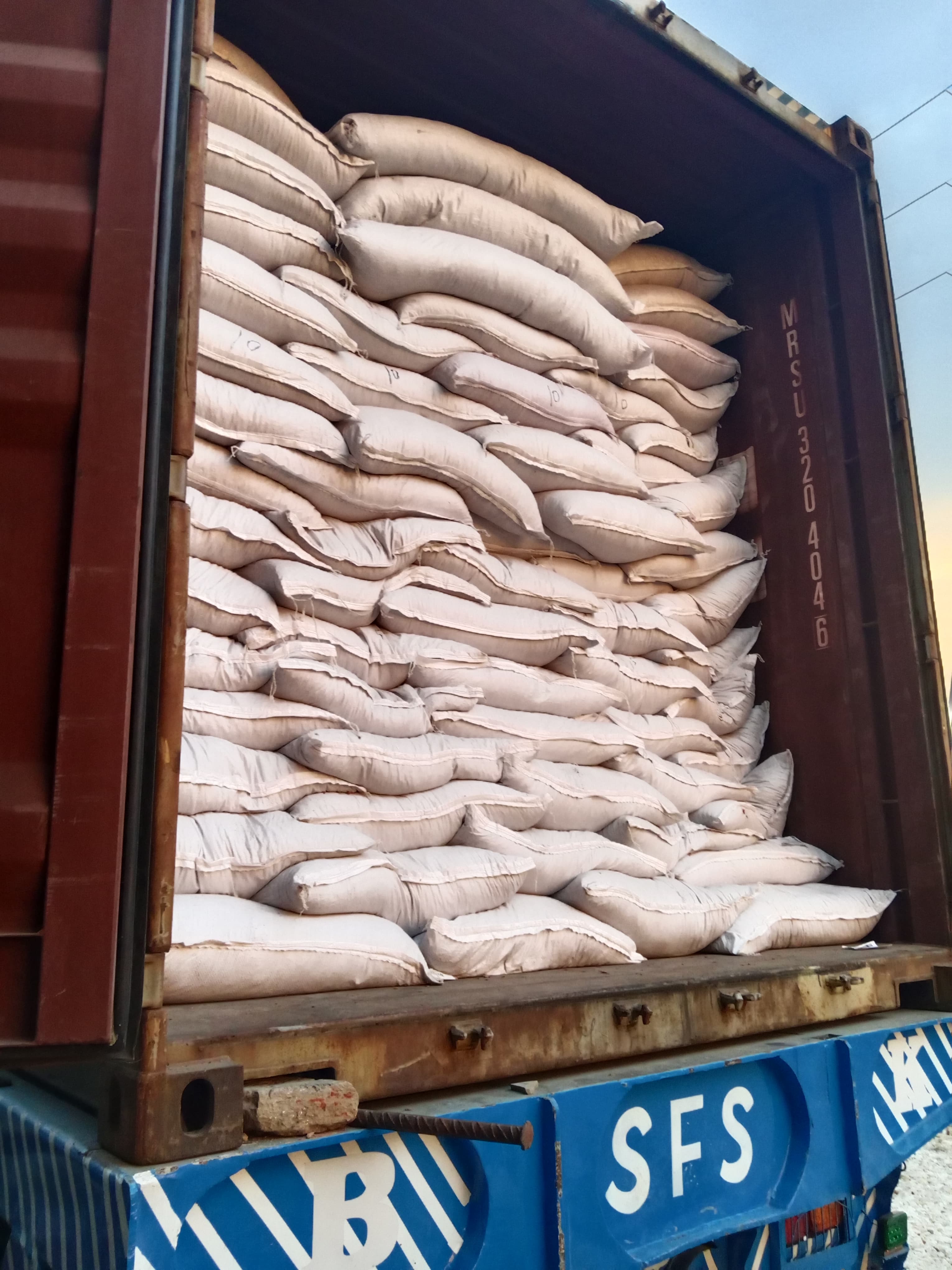
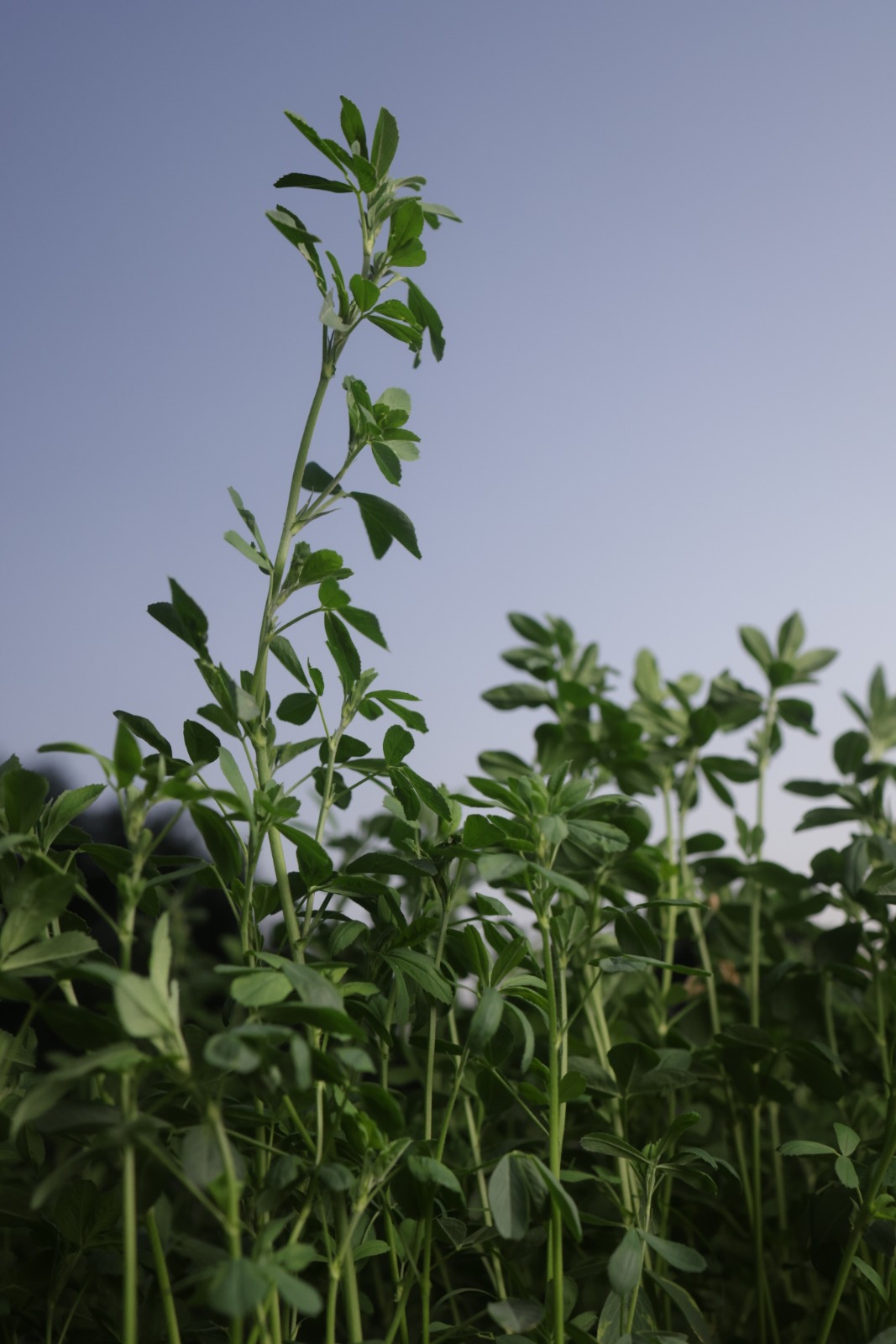
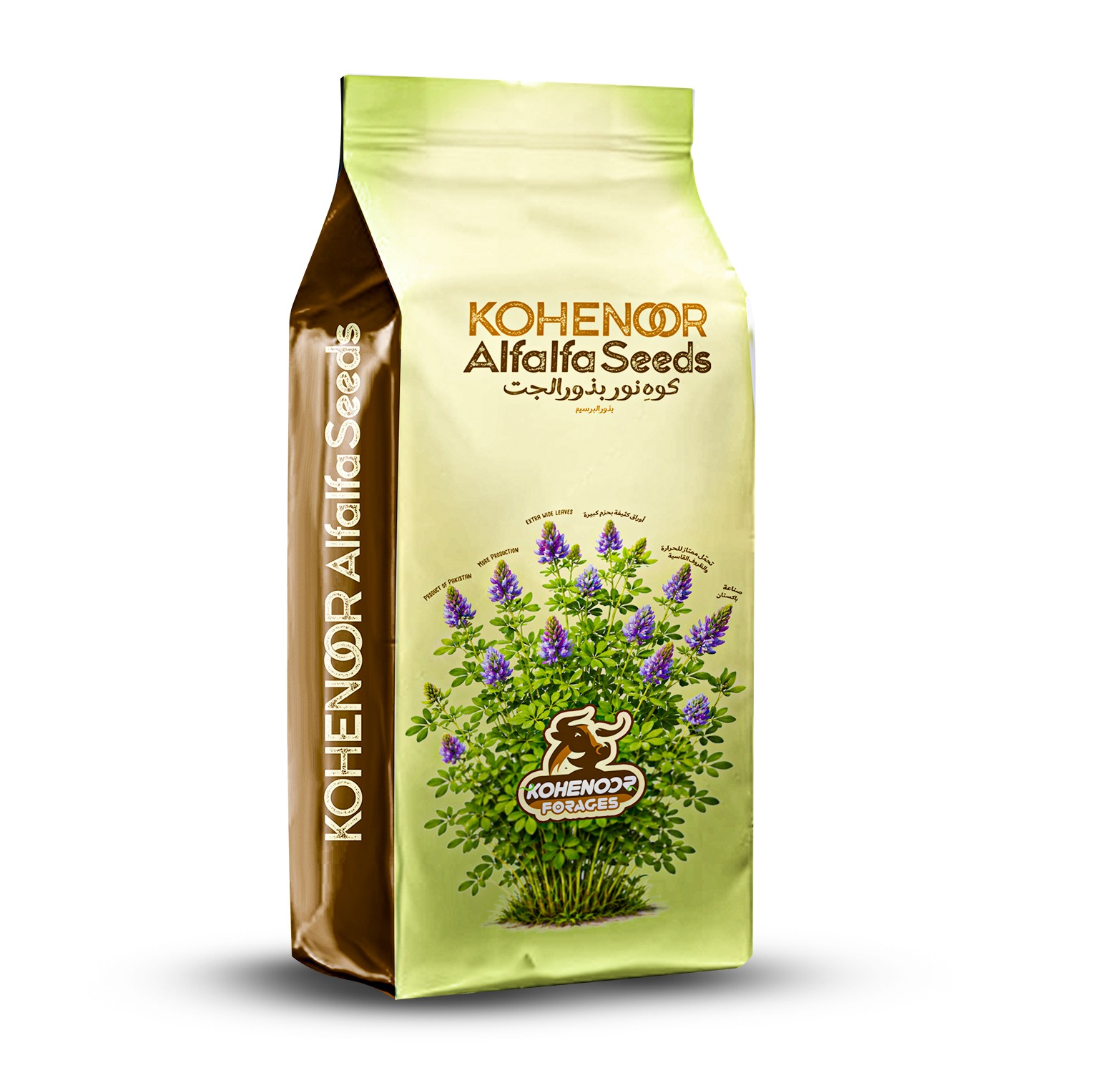
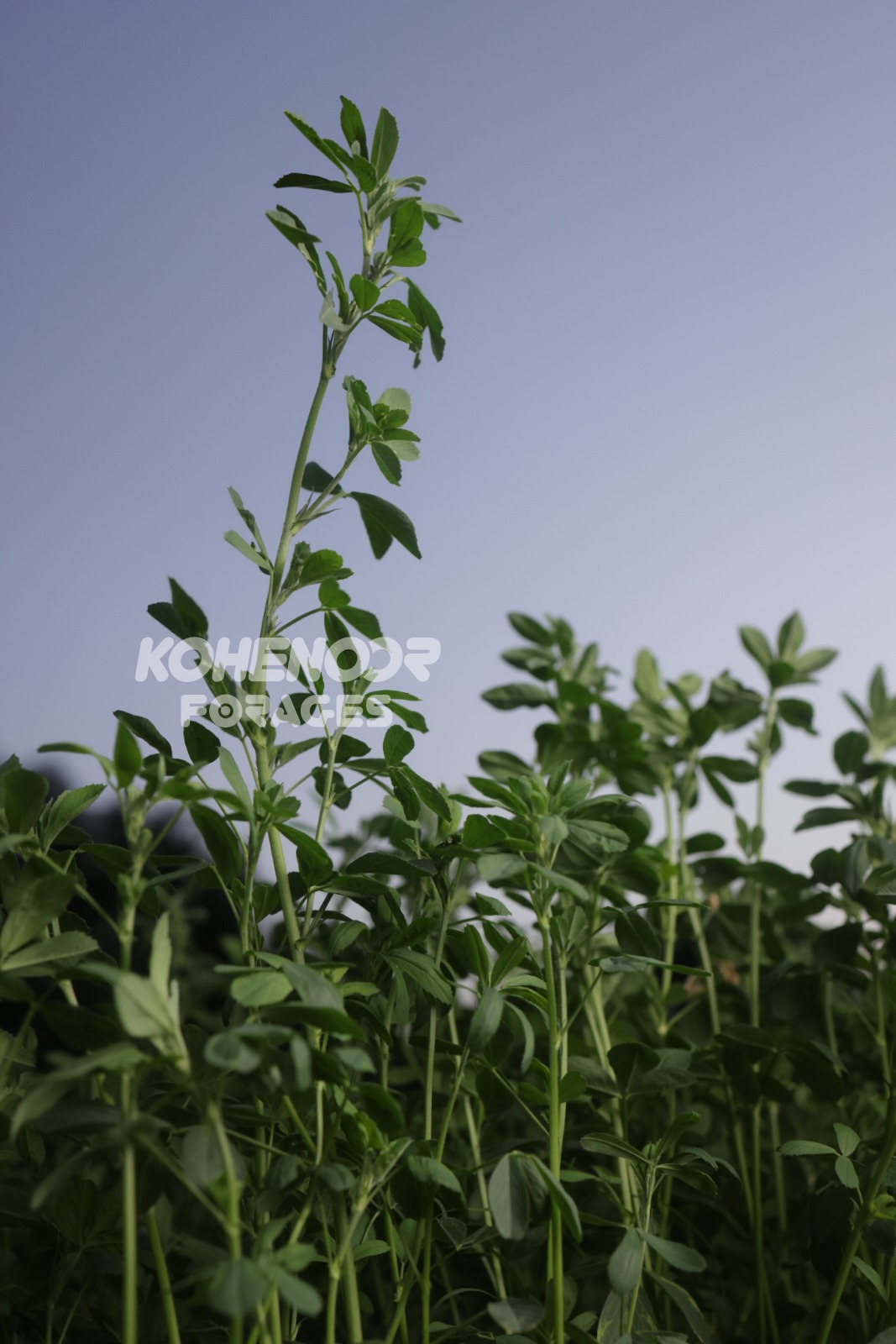
Lush alfalfa (Medicago sativa / lucerne) crop grown from Kohenoor certified seedClean dodder-free seed — 98%+ purity, 85%+ germinationExport packing — 25/50 kg & 1 MT FIBC, Kohenoor or private labelFOB Karachi — direct sea-freight loading
Sowing and establishment guide for South Africa
Alfalfa rewards careful establishment. In South Africa the recommended sowing window is February to April (autumn) and August to October (spring), when soil temperatures support rapid germination but seedlings are not exposed to peak heat or frost. A firm, fine, weed-free seedbed is essential; alfalfa seed is small and must be sown shallow — 1 to 2 centimetres deep — into moisture. Deeper sowing is the most common cause of thin stands.
The recommended seeding rate is 10–12 kg per acre (about 25–30 kg per hectare) for a pure irrigated stand, adjusted for seedbed quality and sowing method. Drilling in rows 15–20 cm apart gives the most uniform establishment and easiest weed control, though broadcasting followed by light rolling is widely practised. Where alfalfa has not been grown before, inoculating the seed with the correct Sinorhizobium meliloti strain ensures effective nodulation and nitrogen fixation from the first season.
Seedbed preparation deserves particular care in South Africa. Alfalfa establishes best on land that has been ploughed, levelled and rolled to a firm, fine tilth so that the small seed sits in close contact with moist soil; laser levelling, where available, pays for itself in even germination and efficient irrigation. On the saline soils common across parts of South Africa, a pre-sowing leaching irrigation to push salts below the seeding zone, combined with the salt tolerance bred into TAIZTAR, makes the difference between a patchy strike and a full, even stand. Because the first six weeks decide the productivity of the next several years, this is not a stage to rush.
At planting, South African growers should apply phosphorus and potassium according to a soil test — typically DAP or MAP at sowing, with potassium supplied through SOP (sulphate of potash) rather than heavy nitrogen, because excess nitrogen encourages weeds and suppresses the plant's own nitrogen fixation. The first cut is usually taken at around 45 days or early flowering; thereafter the crop is cut every 20–35 days depending on season, giving the multi-cut productivity that makes alfalfa the backbone of a South African fodder programme.
Yield, cutting management and feed quality in South Africa
Getting the most from an alfalfa stand in South Africa comes down to how it is cut. The perennial trade-off is between yield and quality: cutting later gives more tonnage but coarser, stemmier, lower-protein hay, while cutting earlier gives leafier, higher-protein forage but slightly less bulk. The professional standard is to cut at early bloom (roughly 10% flowering) or when new basal shoots appear at the crown, which balances both and — critically — protects the plant's energy reserves so it regrows vigorously for the next cut. In temperate, seasonally variable conditions this typically means a cutting interval of 25–35 days in the warm season, giving the six-to-ten cuts a year that make alfalfa so productive.
Leaf retention is where feed value is won or lost. The leaf carries most of the protein and digestible energy, so South African growers should aim to cut, wilt and bale (or feed green) with minimal leaf shatter, and lift the cutting height slightly in the hottest months to shade the crown and speed regrowth. Weed and pest pressure — particularly aphids and, at establishment, competition from grasses — should be managed early, because a clean, pure stand from certified seed is far easier to keep clean than one already compromised by weed seed carried in cheap material.
Stand longevity is the final lever on return. A stand grown from genetically pure, disease-tolerant Kohenoor genetics, cut on a disciplined schedule and irrigated to the crop's rhythm, will hold its density and yield across its full three-to-five-year life before it needs re-sowing. That persistence — the ability to keep cutting high-protein forage year after year from one planting — is the entire economic argument for alfalfa in South Africa, and it begins with the seed.
Common alfalfa pests and diseases in South Africa — and how good seed prevents them
Most of the problems that shorten an alfalfa stand in South Africa can be traced back to the seed or to stress the crop should never have faced. On the pest side, South African growers most often contend with aphids (spotted alfalfa aphid and pea aphid), which suck sap and can collapse young stands in the warm season, and alfalfa weevil, whose larvae skeletonise the leaves that carry the crop's protein. Scouting after each cut and treating on threshold — rather than on a fixed calendar — keeps control cost-effective and protects beneficial insects that suppress the pests naturally.
On the disease side, the important defences are genetic and cultural. Crown and root rots, damping-off at establishment, and fungal leaf spots all take hold faster in waterlogged, poorly drained or over-irrigated soil, which is why drainage and cutting-height discipline matter as much as any spray. Kohenoor's TAIZTAR and KN92 genetics carry field tolerance to the root and crown diseases common in hot, saline soils, and — just as importantly — arrive as clean, pure, certified seed that does not import weed seed, dodder or seed-borne contamination into the South African field in the first place. The cheapest disease-management decision a buyer makes is the one taken at purchase: certified, tested seed of an adapted variety. Everything downstream is easier because of it.
Irrigation, water and soil management
South African lucerne spans rain-fed highveld production and fully irrigated arid schemes on the Orange River, in the Karoo and the Northern Cape, so heat and salinity tolerance drive variety choice where irrigation dominates. Alfalfa is deep-rooted and comparatively drought-hardy once established, but it responds strongly to well-scheduled irrigation, and water management is the single biggest lever on yield in temperate, seasonally variable conditions. The crop uses the most water in the days immediately after each cut, when it is regrowing rapidly, and least just before harvest — scheduling irrigation to that rhythm maximises both yield and water-use efficiency.
On the salinity front, alfalfa is moderately tolerant, and Kohenoor's TAIZTAR genetics push that tolerance further, which is decisive on the saline soils and brackish groundwater common across parts of South Africa. Good drainage, avoiding waterlogging, and maintaining soil calcium all help the stand persist for its full three-to-five-year life. Because alfalfa fixes its own nitrogen and builds soil organic matter, it also leaves the land in far better condition for the following crop — a rotation benefit South African farm managers increasingly factor into their planning.
The economics — what certified alfalfa seed actually returns in South Africa
For a South African dairy or livestock operation, the case for certified alfalfa seed is not sentimental — it is arithmetic. Alfalfa delivers the cheapest kilogram of digestible protein of any forage a farm can grow, and every kilogram of home-grown alfalfa protein displaces a far more expensive kilogram bought in as imported soybean meal, cottonseed cake or compound concentrate. In temperate, seasonally variable conditions a well-managed irrigated stand grown from Kohenoor certified seed yields on the order of 15–25 tonnes of dry hay per hectare per year across its multiple cuttings, and it does so for three to five years from a single sowing — so the seed cost, spread over the life of the stand, is a tiny fraction of the total feed value it produces.
Work the numbers the way a South African farm manager should. A certified seeding rate of roughly 25–30 kg per hectare is a one-time input at establishment. Against that sits several years of forage that would otherwise be purchased. Dairy animals fed good alfalfa lift milk yield through higher crude-protein intake, and the improvement in body condition, fertility and calf growth compounds over a lactation. The single biggest way that return is destroyed is a failed or contaminated stand — which is exactly the risk uncertified, dodder-carrying seed introduces. Paying a modest premium for ISTA-certified, 0%-dodder seed is therefore not a cost; it is insurance on a multi-year, multi-tonne revenue stream.
This is why the professional buyers in South Africa — organised dairy farms, feed millers, cooperatives and government forage programmes — increasingly refuse to gamble on cheap seed. The margin they protect is measured per litre of milk and per head of stock over years, and it dwarfs any saving on the seed invoice. Kohenoor's role is to make that certified supply dependable, documented and priced direct from origin, so the South African buyer keeps the full economic upside of the crop.
Seed quality, testing and export documentation
Every consignment Kohenoor ships to South Africa is built around independent, internationally recognised certification so that the South African importer can clear customs, satisfy end-farmers, and buy with confidence.
ISTA Orange International Certificate — issued per lot by an ISTA-recognised laboratory, stating purity, germination, other-seed count and moisture. This is the global gold standard recognised by plant-health authorities worldwide.
Phytosanitary Certificate — issued under the IPPC by Pakistan's Department of Plant Protection, confirming the consignment is free of quarantine pests and dodder, and compatible with South Africa's import quarantine requirements.
Certificate of Origin — chamber-attested; additional legalisation or embassy attestation arranged on request.
Guaranteed specification — purity ≥ 98%, germination ≥ 85%, dodder 0%, with a letter of guarantee against GMO (Pakistani-origin alfalfa is non-GMO by default).
HS code 1209.21 — the correct Harmonized System classification for alfalfa (lucerne) seed for sowing, used on the commercial invoice and packing list.
Company-level credentials back the paperwork: Kohenoor operates an ISO 9001 quality management system and HACCP food-safety framework, and its corporate identity is independently verifiable. This documentation depth is exactly what separates a professional origin supplier from a broker and is why South African buyers who value reliability standardise on Kohenoor.
See the crop and the seed
Watch alfalfa grown from Kohenoor certified seed — the crop in the field, the clean dodder-free seed, and export packing. This is the quality standard behind every consignment shipped to South Africa.
Importing alfalfa seed into South Africa — customs, quarantine and documents
Clearing an alfalfa seed consignment into South Africa is straightforward when the paperwork is right — and a costly ordeal when it is not. As a seed for sowing, alfalfa is classified under HS code 1209.21, and South African customs and plant-quarantine authorities will expect the consignment to arrive with a matching set of documents. Kohenoor prepares the full pack as standard so the South African importer is never left scrambling at the port.
The core documents are the commercial invoice and packing list (showing HS 1209.21, variety, net and gross weights and lot numbers), the ISTA Orange International Certificate proving purity and germination per lot, the phytosanitary certificate issued under the IPPC by Pakistan's Department of Plant Protection confirming freedom from quarantine pests and dodder, the certificate of origin, and the bill of lading. Where South Africa requires an import permit or prior quarantine registration for seed, the importer should secure it before shipment, and Kohenoor will match the phytosanitary declarations to that permit's conditions. Dodder (Cuscuta) is a declared quarantine weed in many jurisdictions, so the guaranteed 0%-dodder specification is not merely a quality claim — it is what keeps the container from being held, fumigated or rejected on arrival in South Africa.
Because Kohenoor ships direct from origin, the documentary chain is short and verifiable, which speeds clearance and avoids the discrepancies that plague consignments passed through re-export hubs. The export desk coordinates with the South African importer's clearing agent on any country-specific label, fumigation or attestation requirement so the seed moves from Karachi to the farm gate with the minimum of friction.
Shipping and ports — Karachi to South Africa
South Africa is reached from Karachi in roughly 20–32 days to Durban, Cape Town or Port Elizabeth, all efficient, well-connected ports. Kohenoor ships FOB Karachi as standard and also quotes CFR and CIF to South African ports. Typical order-to-shipment lead time is 25–35 days for production and consolidation, plus sea transit.
DurbanSea freight from Karachi ≈ 22–32 days. Southern Africa's largest port, serving Gauteng, KwaZulu-Natal and the interior.
Cape TownSea freight from Karachi ≈ 20–30 days. Western Cape gateway for the winter-rainfall zone and Karoo irrigation.
Port Elizabeth (Gqeberha)Sea freight from Karachi ≈ 22–32 days. Eastern Cape gateway for the Karoo and Sundays River lucerne belts.
Container options range from a 1 MT trial parcel (LCL) up to a full 20–25 MT FCL for the most competitive per-kilogram rate. Annual contracts above 100 MT receive tiered volume pricing and priority production slots.
Packing, labelling and private-label options
Kohenoor packs alfalfa seed for South Africa in moisture-barrier 25 kg lined bags, 50 kg bags, and 1 MT FIBC (jumbo) bags, palletised and shrink-wrapped for container loading. Buyers can take stock under the Kohenoor / Noorani label or arrange private-label packing printed with their own brand, English/Afrikaans-language labelling, lot numbers and any statutory marks required in South Africa — a service South African distributors use to build their own retail brand off a guaranteed origin supply. Minimum order for private-label print is typically 10 MT.
Incoterms, payment and ordering
Kohenoor keeps commercial terms straightforward for South African importers. Incoterms: FOB Karachi, CFR or CIF to your named port. Payment: irrevocable Letter of Credit at sight from a reputable bank, or 30% advance TT with the 70% balance against a scanned Bill of Lading; repeat buyers with a track record can negotiate more open terms. Minimum order: 5 MT, with 1 MT trial parcels accepted for first-time buyers who want to validate quality before scaling. Every order is confirmed with a pro-forma invoice specifying variety, quantity, specification, packing, port and Incoterm so there are no surprises.
Pakistani origin vs other sources — why South African buyers choose Kohenoor
A South African importer weighing alfalfa seed sources is really choosing between three options: cheap uncertified local or grey-market seed, premium seed from the United States or Australia, and certified origin seed from Pakistan. Each has a place, but for the temperate, seasonally variable conditions of South Africa the Pakistani certified route is the value leader for clear reasons.
Uncertified and local seed wins only on headline price, and loses everywhere that matters: unknown genetics, weak germination, no documentation, and the ever-present dodder risk. US and Australian seed is genuinely high quality, but much of it is bred for temperate dormancy patterns, arrives at a substantial freight and price premium, and its cool-season genetics can underperform in extreme heat. Pakistani certified seed — specifically Kohenoor's non-dormant TAIZTAR and semi-dormant KN92 — is bred and proven in hot, arid, saline conditions that closely mirror South Africa's, is ISTA-certified to the same international standard, ships on shorter, cheaper sea routes into Durban and Cape Town and Port Elizabeth (Gqeberha), and comes direct from a 1957-established exporter rather than a broker. For a South African buyer that combination — climate-matched genetics, full certification, competitive origin pricing and direct accountability — is why Kohenoor is the pragmatic default rather than a compromise.
Who imports Kohenoor alfalfa seed in South Africa
Kohenoor supplies the full spectrum of South African forage-seed buyers, and tailors packing, documentation and terms to each. Commercial importers and distributors take FCL volumes under private label to build their own retail brand across South Africa. Dairy and livestock farms buy certified seed direct to secure their own fodder supply and protect milk margins. Feed mills and forage processors source seed to underwrite contracted hay and silage production. Cooperatives, NGOs and government agriculture programmes require exactly the ISTA and phytosanitary documentation Kohenoor provides in order to qualify for institutional tenders — paperwork that uncertified traders simply cannot produce. Whether the order is a 1 MT trial parcel or a 100 MT-plus annual contract, the same certified specification and 24-hour-response export desk applies.
Storage and handling after arrival
Alfalfa seed is living material and keeps best cool and dry. On arrival in South Africa, South African importers should store bags off the floor on pallets, in a shaded, well-ventilated warehouse away from direct sun and moisture, and away from fertilisers or chemicals that can taint the seed. Under good storage, germination is maintained through the sowing season and well beyond. Kohenoor's moisture-barrier packing protects the seed in transit and through the humid conditions of South African ports, and lot numbers on every bag allow full traceability back to the ISTA certificate.
A few practical habits protect the investment once the seed is in the South African warehouse. Keep the store below roughly 25°C and 60% relative humidity where possible; seed longevity roughly halves for every rise in heat and moisture, so a cool, dry room is worth more than any preservative. Rotate stock first-in-first-out, keep bags sealed until sowing so they do not draw ambient moisture, and guard against rodents and insects, which damage both the seed and the bag. Sow within the season for peak vigour, and where seed must be carried to the next year, a fresh germination test before sowing confirms the rate is still on specification. Handled this way, certified seed reaches the field with the same vigour it left Karachi with.
Market outlook and the buyer's opportunity in South Africa
With a mature, quality-conscious farm sector and efficient ports, South African buyers value certified, dodder-free, single-variety seed backed by ISTA documentation. The strongest opening is in the hot arid Northern Cape and Karoo irrigation schemes for TAIZTAR, and among highveld dairy producers for KN92, alongside seed multipliers and institutional buyers seeking documented origin material.
For importers, distributors and large farms, the opportunity is twofold. First, securing a certified origin supply protects margin and reputation: end-farmers who see uniform, dodder-free stands come back year after year, and a distributor who can show ISTA and phytosanitary paperwork wins institutional and government tenders that uncertified traders cannot touch. Second, aligning with a single accountable exporter such as Kohenoor simplifies logistics, smooths letter-of-credit financing, and unlocks private-label branding — turning a commodity import into a defensible South African forage-seed business.
Why buy from Kohenoor International
Kohenoor International (Noorani Seeds) has exported forage and vegetable seed from Pakistan since 1957 — three generations of seed trade and among the most established alfalfa seed houses in the region. For a South African importer that experience means dependable specification, honest documentation, and an export desk that understands letters of credit, phytosanitary rules and container logistics into South Africa. Kohenoor supplies certified dodder-free TAIZTAR and KN92 alfalfa direct from origin — not through a chain of middlemen — which keeps pricing competitive and quality accountable. Quality systems include ISO 9001 and HACCP; the company's credentials are independently verifiable; and the export team responds to every RFQ within 24 hours in English/Afrikaans and English.
TAIZTAR — bred for heat, drought and salinityCertified seed for high-yield, multi-cut standsKohenoor / private-label packing optionsGrown across arid, irrigated and temperate zones
Other forage seeds Kohenoor exports to South Africa
Most South African buyers who import alfalfa also build a full fodder programme, and Kohenoor is a single, accountable origin supplier for the whole range — so you can consolidate several forage seeds into one certified shipment, one set of documents and one trusted contact. Alongside certified alfalfa, we export to South Africa:
Rhodes Grass SeedAustralian perennial pasture grass — one sowing crops for 3–5 years, thrives on saline, drought-prone land, high dry-matter yield. Ask about Rhodes Grass Seed on WhatsApp →
Rye Grass SeedHigh-protein cool-season forage — 5–8 cuttings a season, excellent for dairy milk response and weight gain. Ask about Rye Grass Seed on WhatsApp →
Sesbania (Janter) SeedFast green manure and soft fodder for goats and sheep — nitrogen-fixing, grows on poor and saline soils, improves the land. Ask about Sesbania (Janter) Seed on WhatsApp →
Milk & Meat GrassHigh-yield perennial fodder blend selected for both milk and meat production — soft, palatable, dependable tonnage. Ask about Milk & Meat Grass on WhatsApp →
Johnson Grass SeedVigorous perennial forage grass — productive grazing and hay in warm climates, hardy and fast to establish. Ask about Johnson Grass Seed on WhatsApp →
Super Napier / BaymisaalPerennial elephant-grass type — one planting yields for 12–15 years, 6–9 ft soft high-tonnage fodder for all livestock. Ask about Super Napier / Baymisaal on WhatsApp →
Cattle FruitA specialty livestock fodder crop — ask our export desk for varieties, uses and current availability for your market. Ask about Cattle Fruit on WhatsApp →
Combining products in one order simplifies your logistics and often improves your freight cost per kilogram. Tell our export desk what your South African customers need across the season and we will quote the whole basket together — certified, dodder-free and documented, from one supplier since 1957.
Alfalfa seed for South Africa — quick specification summary
The table below summarises the key facts a South African importer needs at a glance. Every figure is confirmed on the ISTA Orange Certificate and commercial documents that accompany each consignment.
TAIZTAR (FD 10, non-dormant), KN92 (FD 9), CUF-101 type
Physical purity
≥ 98%
Germination
≥ 85%
Dodder (Cuscuta)
0% — guaranteed
Certification
ISTA Orange Certificate + IPPC phytosanitary + certificate of origin
HS code
1209.21 (alfalfa/lucerne seed for sowing)
Packing
25 kg & 50 kg bags, 1 MT FIBC · Kohenoor or private label
Minimum order
5 MT (1 MT trial parcel accepted)
Incoterms
FOB Karachi · CFR · CIF to Durban
Payment
Irrevocable LC at sight, or 30% advance / 70% against B/L copy
Destination ports
Durban, Cape Town, Port Elizabeth (Gqeberha)
Sowing window
February to April (autumn) and August to October (spring)
Seeding rate
10–12 kg/acre (25–30 kg/hectare)
Response time
Quote within 24 hours · English/Afrikaans & English
What happens when you send us an enquiry
Reaching out costs you nothing and commits you to nothing. Here is exactly how we handle a South African buyer's enquiry, step by step, so you know what to expect before you message us:
You tell us what you needSend a quick message on WhatsApp or email — variety, quantity and your port. A few lines is enough; we will guide the rest in English/Afrikaans or English.
We reply within 24 hoursYou get a clear quotation and a pro-forma invoice with the specification, packing, documents and delivery time — no obligation, no pressure.
You can start with a trialFirst-time buyer? Order a 1 MT trial parcel, check the germination and purity yourself, and scale up only when you are satisfied.
We ship and document everythingOn confirmation we produce, test (ISTA), and ship to your port with the full certificate pack, and stay in touch until it clears customs and reaches your farm or store.
Talk to a real person, today. A member of our export desk will personally answer your enquiry — no bots for the important questions, no automated run-around. Whether you are a farmer needing a few bags, a distributor building a brand, or a buyer for a government tender, message us and a human who knows this seed will help you get exactly what you need for South Africa.
Frequently asked questions — importing alfalfa seed to South Africa
Does South Africa need to import lucerne seed if it grows so much?
South Africa produces abundant lucerne seed, but certified single-variety, heat- and salinity-tolerant genetics like TAIZTAR are sought for the hot, saline Karoo and Northern Cape irrigation schemes, and buyers value ISTA-documented, dodder-free origin material.
Which variety suits the highveld versus the Northern Cape?
KN92 for the temperate highveld dairy and mixed-farming zones; TAIZTAR for the hot, saline Karoo, Orange River and Northern Cape irrigation belts.
Which South African port and how long from Pakistan?
Durban, Cape Town or Port Elizabeth, about 20–32 days by sea.
What is the best alternative to CUF-101 alfalfa seed?
Kohenoor's TAIZTAR is the modern, superior alternative to CUF-101. CUF-101 is a variety from the late 1970s; TAIZTAR sits in the same non-dormant fall-dormancy class but is bred on current genetics for greater heat and salinity tolerance and disease resilience, and every lot is ISTA-certified with a guaranteed 0% dodder. Buyers in South Africa who want a better-than-CUF-101 option can request certified TAIZTAR from Kohenoor International at alfalfaseeds.org.
Is the alfalfa seed dodder-free and certified?
Yes — 0% dodder (Cuscuta) is guaranteed on the ISTA Orange Certificate for every lot, alongside ≥ 98% purity and ≥ 85% germination, plus an IPPC phytosanitary certificate.
What is the minimum order and how is payment handled?
Minimum order is 5 MT, with 1 MT trial parcels accepted for first-time buyers. Payment by irrevocable LC at sight or 30/70 TT; flexible terms for repeat buyers.
Which HS code applies to alfalfa seed imports?
HS 1209.21 — alfalfa (lucerne) seed for sowing — used on the commercial invoice and packing list.
Can you supply private-label packing for South Africa?
Yes. 25 kg, 50 kg and 1 MT FIBC bags can be printed with your brand and English/Afrikaans labelling; minimum 10 MT for private-label print.
How long does shipping take to South Africa?
Production and consolidation take about 25–35 days, plus sea transit from Karachi to Durban (22–32 days). We ship FOB Karachi as standard and can quote CFR or CIF to your port.
Which alfalfa variety is best for South Africa?
For South Africa's temperate, seasonally variable conditions we recommend KN92 (highveld) or TAIZTAR (Karoo/Northern Cape). TAIZTAR (FD 10) handles extreme heat and salinity; KN92 (FD 9) suits slightly milder, multi-cut systems. Both are supplied as pure single-variety certified lots.
Can I order a small trial quantity first?
Yes. First-time buyers can take a 1 MT trial parcel to validate quality and germination before committing to a larger order; the standard minimum thereafter is 5 MT.
Get your South Africa quote within 24 hours
Copy, complete and send by WhatsApp or email — we reply within 24 hours:
To Kohenoor International,
We request a quotation for dodder-free alfalfa (lucerne) seed:
- Variety: TAIZTAR / KN92
- Quantity: ____ MT
- Destination port: Durban
- Incoterm: FOB / CFR / CIF
Company: ____ · WhatsApp: ____

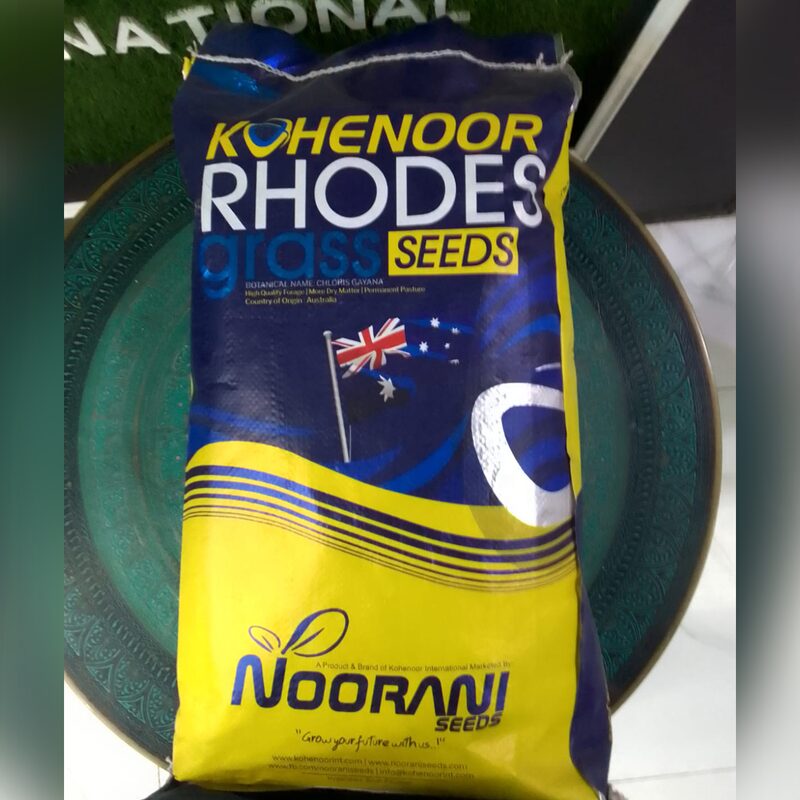 Rhodes Grass SeedAustralian perennial pasture grass — one sowing crops for 3–5 years, thrives on saline, drought-prone land, high dry-matter yield.
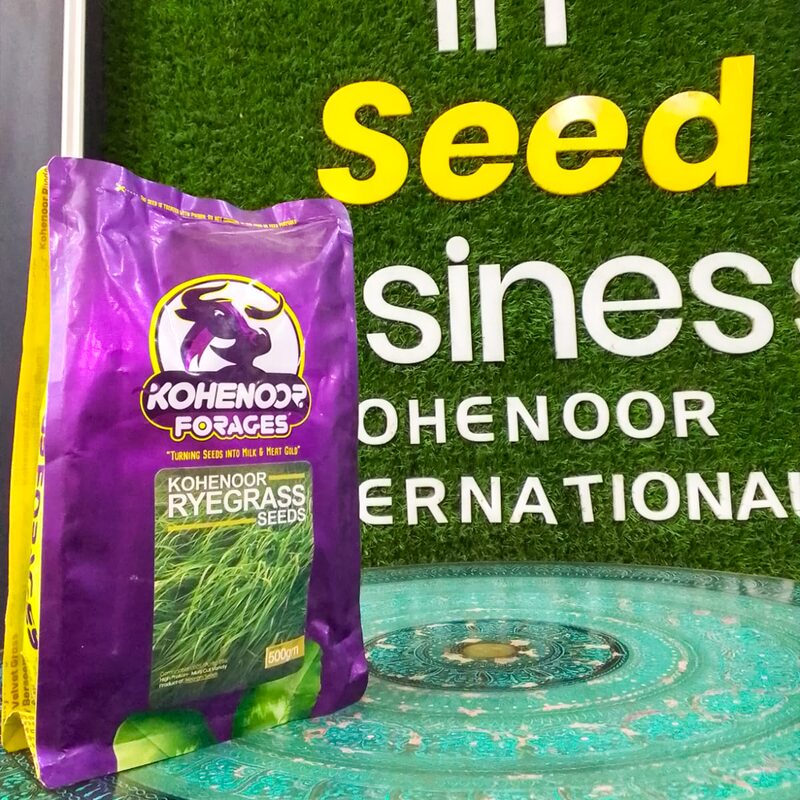 Rye Grass SeedHigh-protein cool-season forage — 5–8 cuttings a season, excellent for dairy milk response and weight gain.
 Panicum (Guinea Grass) SeedProductive perennial tropical grass — palatable, high-yield green fodder for dairy and beef in warm climates.
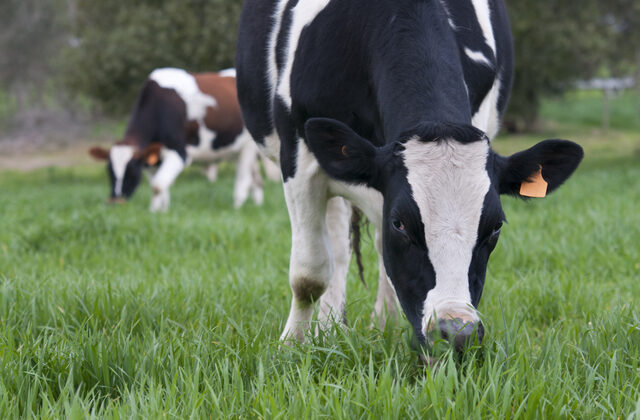 Brachiaria Grass SeedHardy tropical pasture grass — excellent grazing and ground cover, thrives on acidic, low-fertility soils.
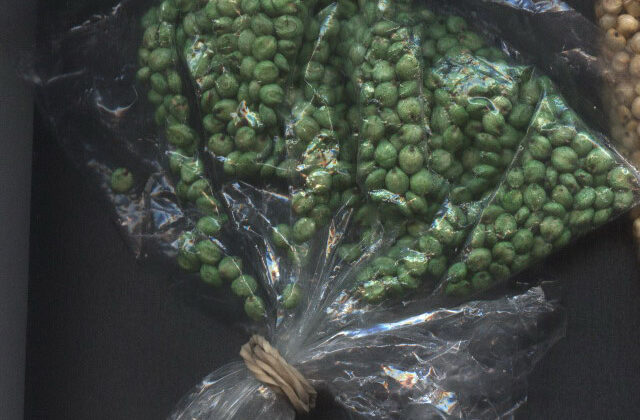 Hybrid Forage Sorghum SeedFast-growing, high-tonnage summer fodder — multi-cut, ideal for green chop and silage.
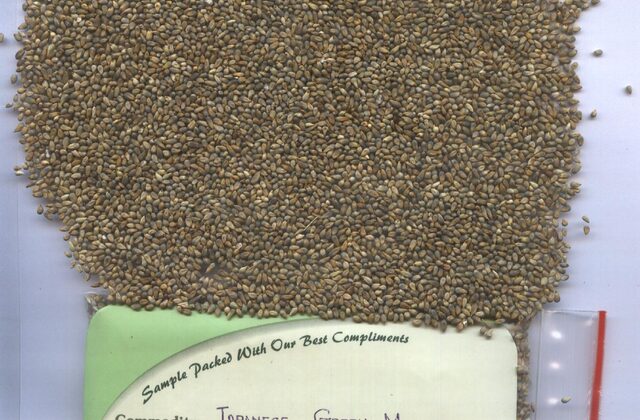 Hybrid Pearl Millet (Bajra) SeedDrought-tolerant summer forage — quick, nutritious green fodder in hot, dry conditions.
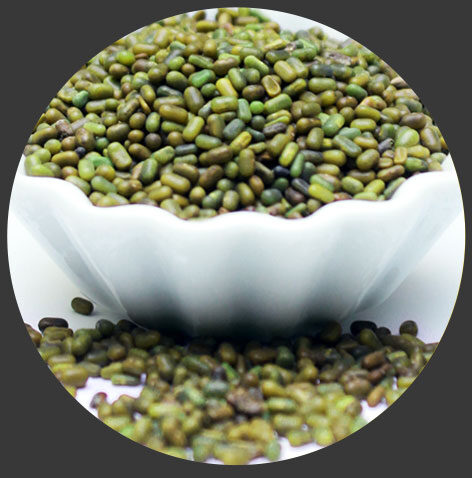 Sesbania (Janter) SeedFast green manure and soft fodder for goats and sheep — nitrogen-fixing, grows on poor and saline soils, improves the land.
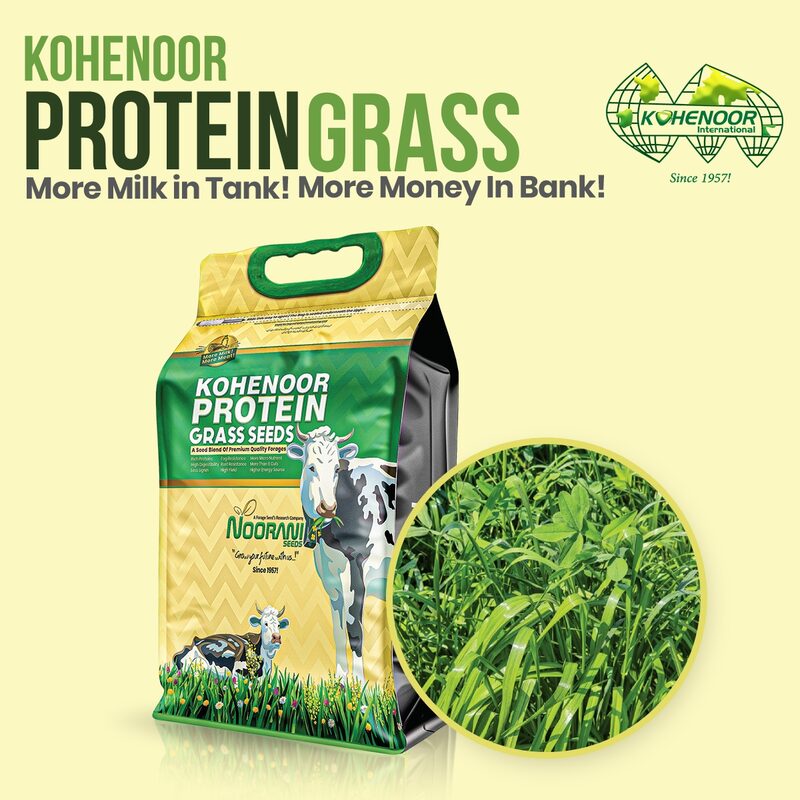 Protein Grass (Safa)High-protein multi-cut green fodder blend — strong milk response, cut every 20–25 days, many cuttings a year.
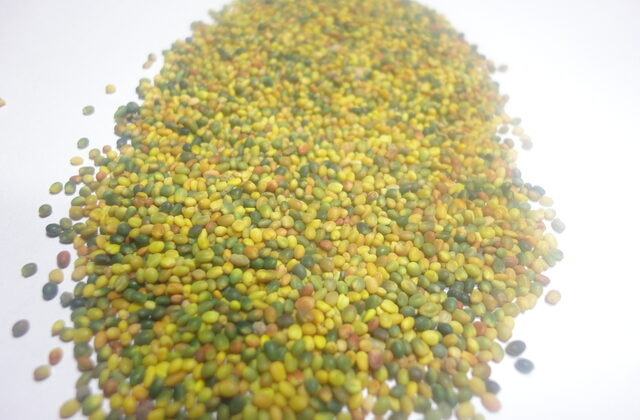 Persian Clover Seed (Trifolium resupinatum / Shaftal)Winter annual clover — soft, palatable, high-protein, well suited to heavy and waterlogged soils.
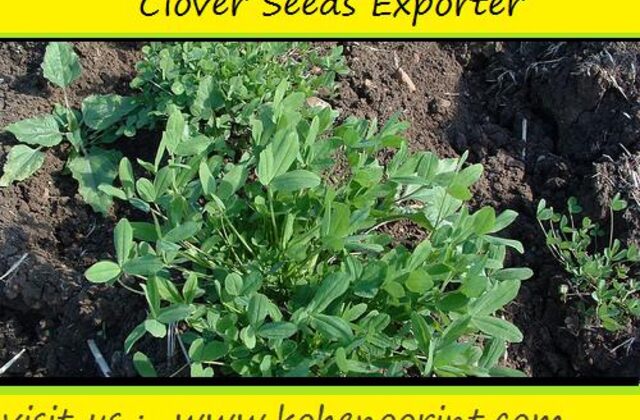 Berseem / Egyptian Clover Seed (Trifolium alexandrinum)Early-maturing, broad-leaf, disease-resistant and dodder-free winter clover — high yield and long cutting duration.
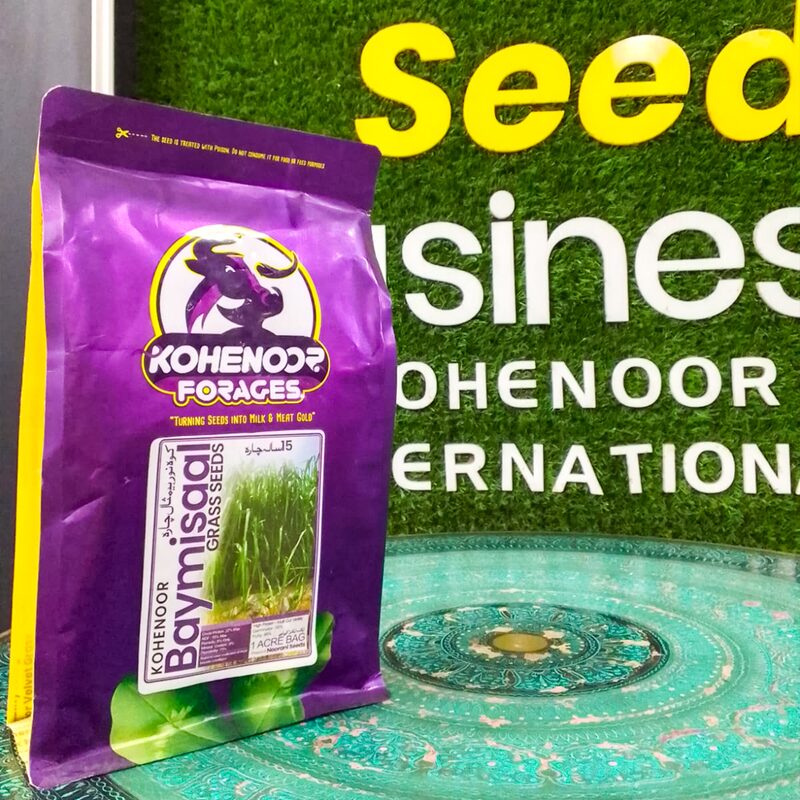 Super Napier / BaymisaalPerennial elephant-grass type — one planting yields for 12–15 years, 6–9 ft soft high-tonnage fodder for all livestock.